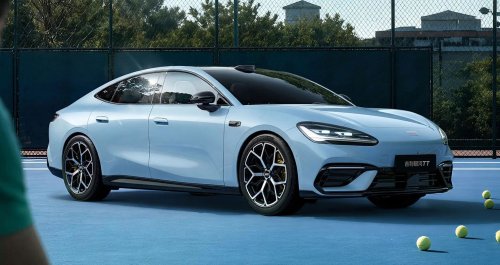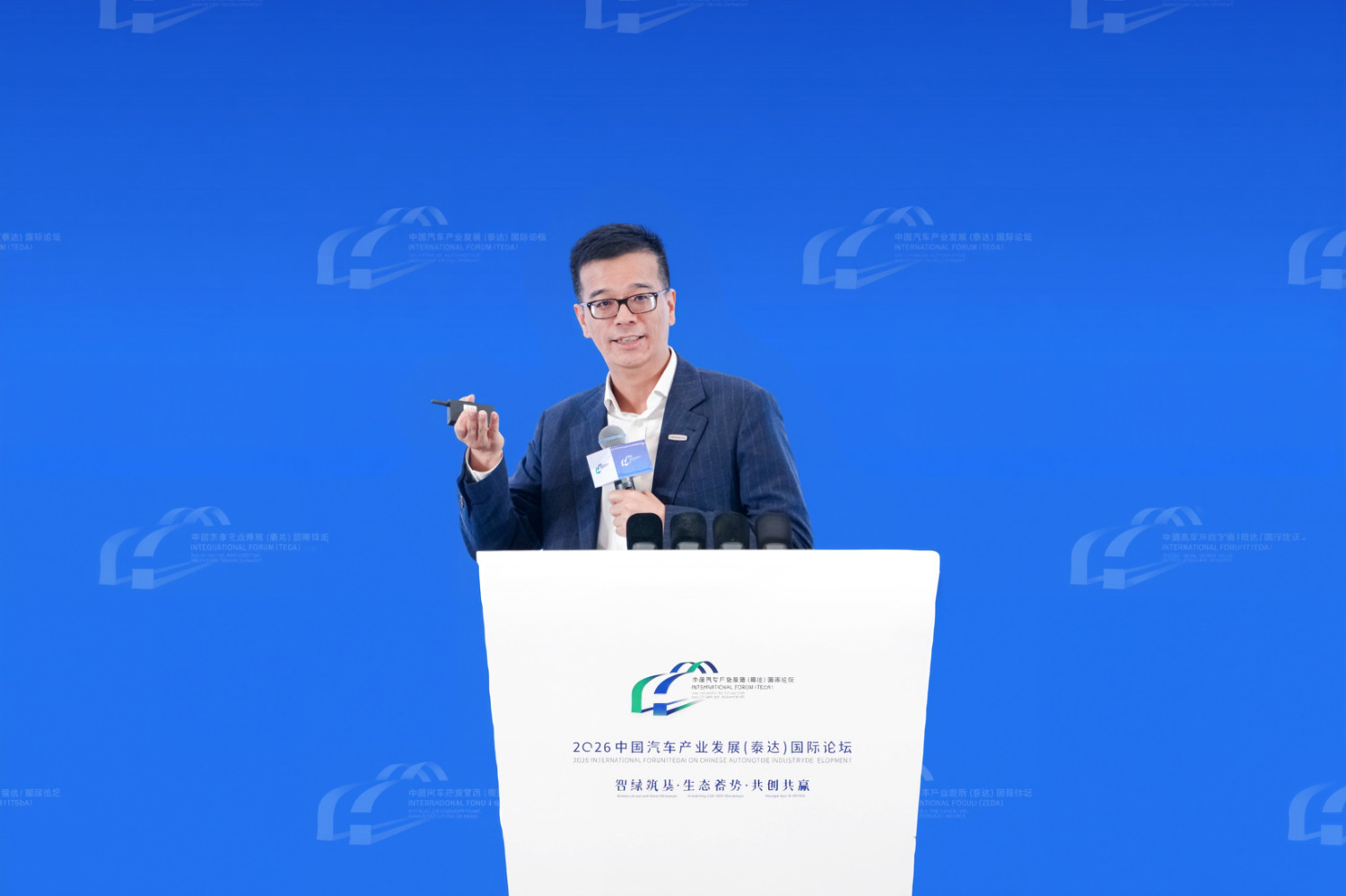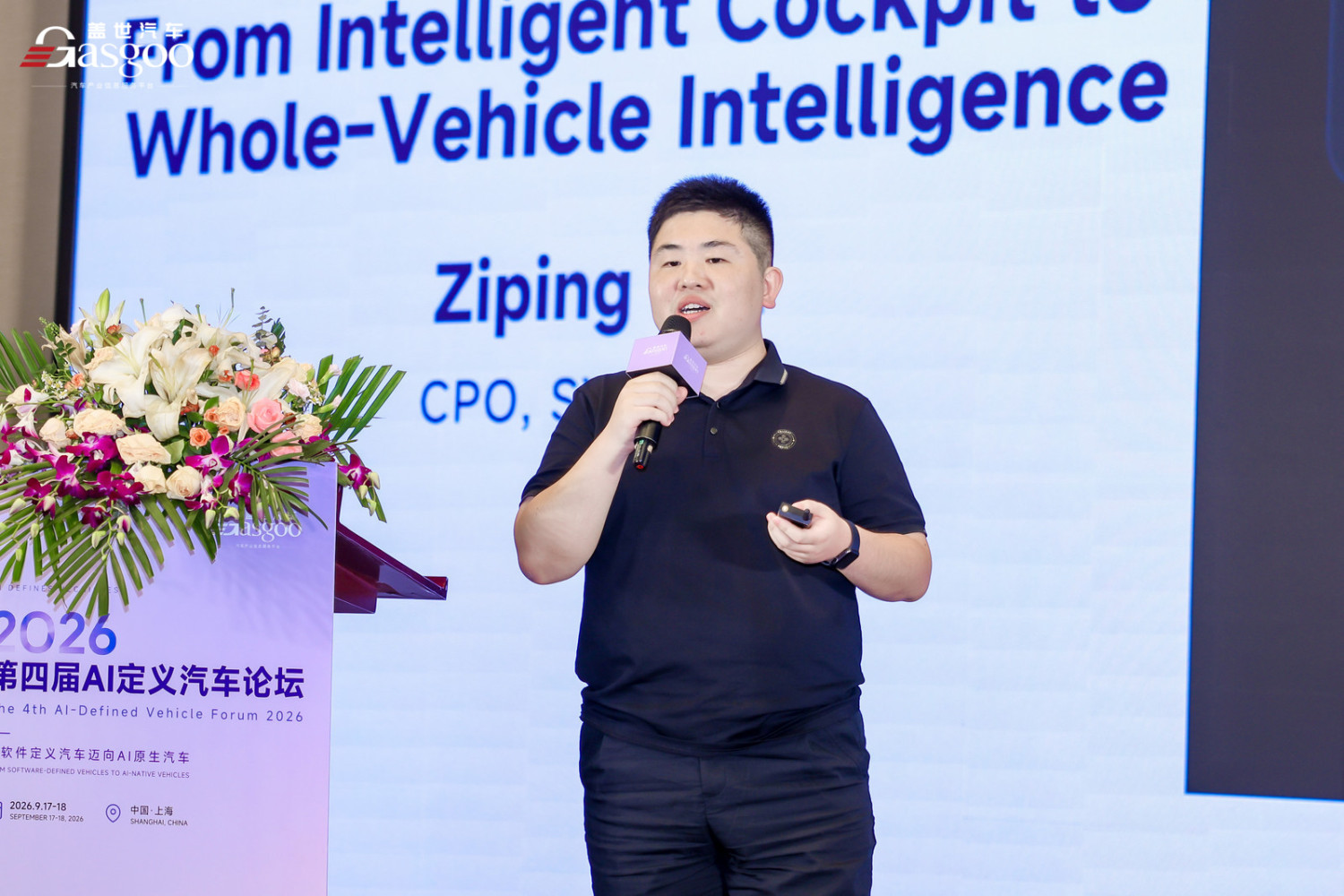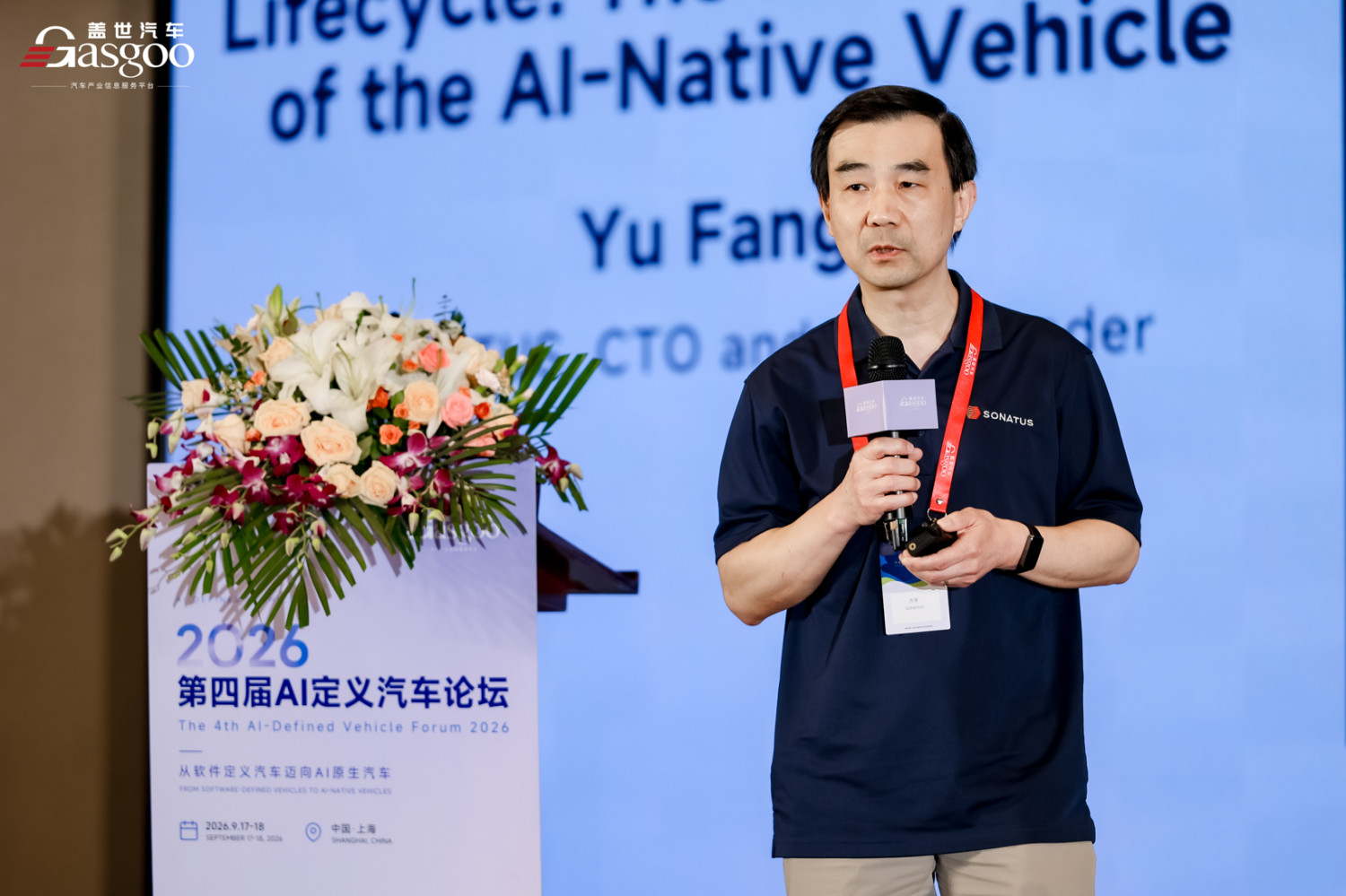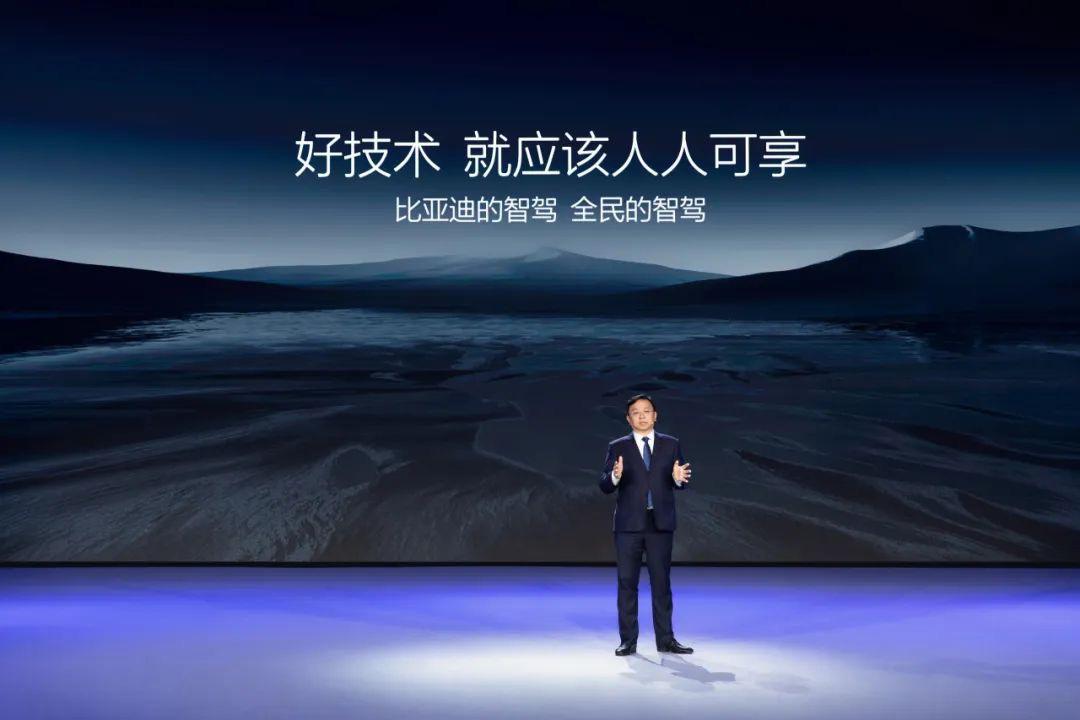
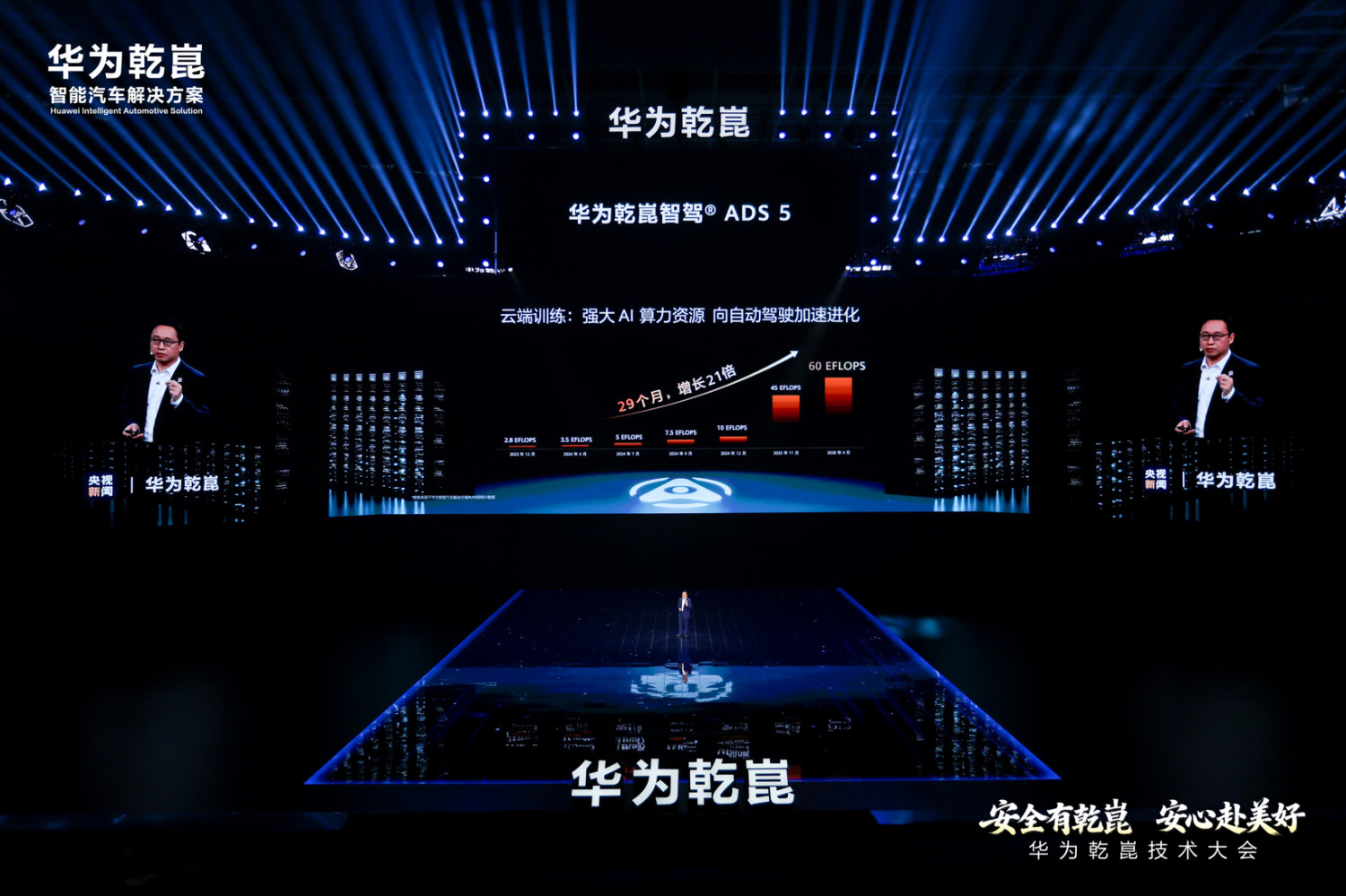
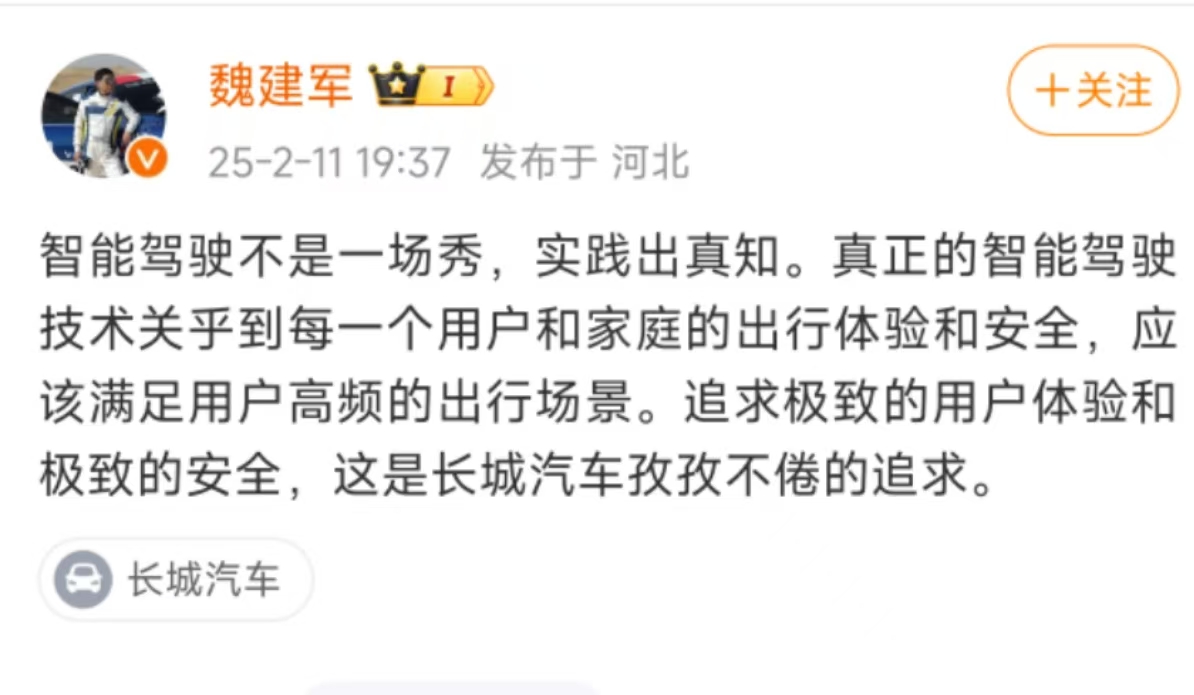



















Gasgoo Munich-Today, "smart driving for all" has become standard rhetoric at nearly every new car launch, as if high-end intelligent driving has transformed overnight from a luxury at the pinnacle of the pyramid into a common commodity within everyone's reach.The data also appears impressive. According to Gasgoo's automotive industry big data platform, the penetration rate of new passenger cars in China equipped with standard L2+ or higher driver assistance systems reached 33.4% in the first four months of 2026.But few seem to focus on the other side of the data: just how often is smart driving actually used?From "Standard" to "Frequent": How Far Is the Gap?The phrase "smart driving for all" was repeatedly mentioned in 2025, and the driving force behind this trend is clear. Between 2023 and 2025, China's passenger car ADAS market underwent a dramatic shift from a battle over "existence" to a battle over "capability." The share of models without ADAS or with only L0 functionality declined significantly, while the penetration rate of L2+ and above hit 28% in 2025.Image source: BYD AutoBy April 2026, the penetration rate of new passenger cars in China equipped with standard L2+ or higher driver assistance features exceeded 41%.However, this data requires careful analysis.L2 is standard; L2+ is the exception. The data for April 2026 clearlydraws this dividing line: the penetration rate of new passenger cars in China with standard L2 driver assistance is about 73.32%, leaving a gap of more than 30 percentage points compared to the penetration rate of L2+ features.If optional configurations are included, Huang Ziliang, a smart driving solution expert at Huawei Technologies, points out: "The penetration rate of L2 and L2+ intelligent driving already exceeded 60% in 2024, rose to 88% in 2025, and is expected to exceed 95% from 2026 to 2027."A more critical question remains: installation does not equal usage.Analysts note that while the penetration of city NOA (Navigate on Autopilot) is rising, the actual paid unlock rate remains negligible. About 70% of smart driving activations occur on highways, while usage on city roads is less than one-fifth of that. In other words, the high-end smart driving features most users buy remain in a "dormant" state most of the time.KPIT CTO Chen Yichi highlights a reality the industry is reluctant to acknowledge: "User retention after activating highway NOA is not ideal, hovering between 60% and 70%." This means that even if users try highway NOA, three or four out of ten eventually abandon it.Why install but not use? Chen Yichi’s assessment is accurate: "Only when the smart driving system is deeply integrated with the cockpit, human-machine interaction becomes natural, and the system can smoothly perform avoidance or exit maneuvers when conditions are not met—providing user assurance—can we truly surpass the current stage." When a system hesitates when changing lanes, frequently requests intervention when merging onto ramps, or disengages entirely in rain or fog, users will not trust it, let alone rely on it.Based on this, Chen Long, a senior smart driving product specialist at Great Wall Motors, believes: "The path to smart driving democratization is still long, so the entire supply chain should remain engaged—we still have immense room to grow."The gap between "standard" and "frequent," between "installed" and "relied upon," is far deeper than the penetration numbers suggest. True democratization isn't about everyone being able to afford smart driving; it's about everyone wanting to use it.When "Effective Computing Power" Lags Behind Marketing HypeIf the penetration rate gap is the "surface" of smart driving democratization, then the computing power bottleneck is its "foundation."At automaker launch events, comparing TOPS figures has become standard practice—500 TOPS, 1,000 TOPS, or higher. Higher figures suggest stronger smart driving capabilities. But the reality suggests otherwise.Chen Yichi states bluntly: "Vehicle-side computing power is certainly important, but it is not the constraining factor. The industry should focus more on 'effective computing power'—we are optimizing chip utilization across multiple projects to maximize bandwidth usage."This points to a common industry issue: a massive gap between paper specs and available power. Analysts note that for Transformer-based smart driving models, 90% of performance bottlenecks stem not from insufficient computing units, but from the "memory wall" problem inherent in compute-memory separation architectures.Huang Ziliang offers a distinct perspective. Due to various objective factors, the growth in Huawei's on-device TOPS figures has slowed. "This forces us to continuously optimize at the model, algorithm, and software system levels to achieve optimal functionality with limited computing power. For us, this is indeed a bottleneck, but each version is gradually breaking through, with new features accumulating and consumer experience steadily improving."Huawei's newly released Qiankun ADS 5 smart driving system in April; Image source: Huawei QiankunWhether something is a bottleneck depends on whether it can be broken through.Du Jianning, head of JetBrains' smart vehicle business in China, dissects concerns regarding computing power from another dimension: "Computing power is a necessary condition in the long run, but not a sufficient one. As upper-layer technologies advance and business scenarios enrich, companies and users are focusing more on dimensions beyond raw power—such as power consumption and the ROI of AI tokens: can we achieve a reasonable return for these resources?"Chen Long paints a future picture of computing needs from a product experience angle: "Today, when consumers buy TVs or phones, they look for 120Hz high refresh rates. Cars have a similar 'refresh rate' concept—the frequency of control precision, which is a major consumer of computing power. If cameras move from 60Hz to high refresh, input becomes more refined, and output naturally follows, creating a critical requirement for computing bandwidth."From Chen Yichi's "effective computing power" to Huang Ziliang's "breaking through limits," from Du Jianing's "computing ROI" to Chen Long's "high-refresh demand," they outline the full picture of the computing issue from different angles: computing power is not a simple numbers game, but a complex interplay of algorithm efficiency, chip architecture, cost control, and user experience.While the industry is still competing fiercely with TOPS figures, the real competition has quietly shifted to another dimension—whoever can deliver a better experience with less computing power is the ultimate winner.From "Spec Wars" to "Experience Wars": The Crossroads of the Business LoopThe celebration of penetration rates and the dilemma of computing power ultimately return to a fundamental question: how does the smart driving business actually generate revenue?This isn't a baseless concern. From January to April 2026, the penetration rate of new cars in China with NOA functionality exceeded 30%. But the flip side of high penetration is an unclear profit model. Chen Yichi is blunt: "Relying solely on economies of scale makes it difficult to generate profit."His judgment is based on a realistic observation: "Can we explore other paths? That is, leveraging the automated driving platform to tap into diversified profit models within the in-vehicle smart driving ecosystem." When hardware price margins are squeezed to the limit, and smart driving features shift from optional to standard, OEMs and suppliers must answer: where is the incremental value of smart driving?Image source: Wei Jianjun's WeiboChen Long leans toward long-termism: "The smart driving industry is indeed highly competitive, but this is a necessary stage of development and a process of rapid popularization and value creation for users. We are still on the road, opportunities lie ahead, and only by serving users well first can we ultimately achieve the expected returns."Huang Ziliang offers a pragmatic answer from a supplier's perspective: "Regarding the business loop, from a supplier's standpoint, the primary task is maintaining reasonable profits—whether democratized or not. While providing competitive products, we do our best to support automakers to build and sell cars well; premium pricing will follow naturally."But he admits the space for premiums is being compressed: "Our internally scheduled computing platforms are already settled at internal prices, sacrificing significant profit margins." His proposed solution is: "Expand the client base—meaning, increase OEM sales volumes—to further drive down unit costs."Du Jianning, drawing from cross-industry experience, proposes a forward-looking approach: "When all smart driving solutions have roughly the same computing power, roughly the same AI models, and eventually even capability costs are equalized, I think what remains is strategic commercial thinking. How to better align with actual user experience, or is there innovative thinking in value-added commercial services?"This discussion on the business loop actually touches on the deepest concern of the smart driving industry: when technology tends toward homogenization, where does differentiation come from?The answer may lie in the broader context of "global expansion."As Chinese smart driving companies set their sights on overseas markets, challenges increase significantly. Over 140 countries and regions have data protection regulations, with the EU's GDPR establishing a high standard. Huang Ziliang points out: "Take Japan as an example: Japanese road conditions and traffic data must be trained locally in Japan. The same applies to Europe. In other words, in every country, OEMs or suppliers need to build dedicated computing data centers locally—a massive investment."But he also sees the advantage of the supplier model in overseas expansion: "You only need one supplier to build a data center in Japan; the trained model can be used by BYD, and it can also be used by Toyota."Chen Long reminds the industry to face the reality of geopolitics: "We are in an era of deglobalization and geopolitical maneuvering. At least for now, I haven't seen a solution. Moving forward, everyone must robustly establish local databases and process systems targeting each region's privacy regulations and consumer data."Chen Yichi’s observation is more pragmatic: "Last year, we received many projects to collect data overseas, anonymize it, ensure compliance, and bring it back. In the end, the data part of many projects was removed. The current more pragmatic approach is: first introduce the product into overseas markets, then enable smart driving and ADAS features in phases or partially open them as the situation allows."Sell cars first, discuss smart driving later—this may be the most pragmatic overseas strategy for now.From "spec wars" to "experience wars," from domestic price competition to overseas compliance challenges, the smart driving industry stands at a crossroads. Democratization is not the end, but the starting point. Whoever can first crack the business loop of "experience-trust-reliance-payment" will gain the first-mover advantage in this long-term competition.ConclusionFrom AI agents to intelligent entities, from driver assistance to driving intelligence—the vision is undoubtedly ambitious. But the reality is, from L2's 70% penetration to L2+'s 15%, from "installed" to "frequently used," from paper specs to effective power, from spec wars to experience wars, smart driving is still far from true "democratization."As Huang Ziliang offered a thought-provoking metaphor when discussing smart driving's overseas expansion: "It is like transporting lychees to Chang'an. You have to transport the soil of Lingnan along with the lychees to Chang'an; just planting the lychee fruit in Chang'an's soil won't make it grow."The "democratization" of smart driving cannot rely on promoting concepts alone. It requires solid algorithm breakthroughs, effective computing utilization, genuine user experience, and sustainable business logic. Only when these elements are successfully implemented in every car and every trip—democratization truly begins.Before that, all narratives of "democratization" are just previews. The main event is still underway.