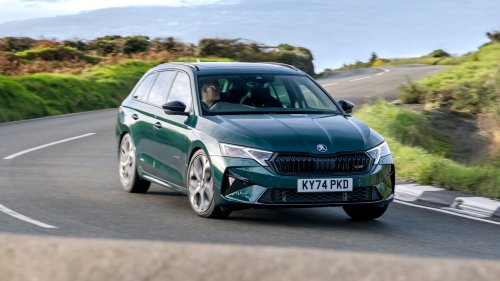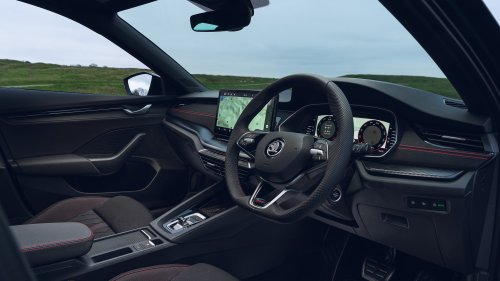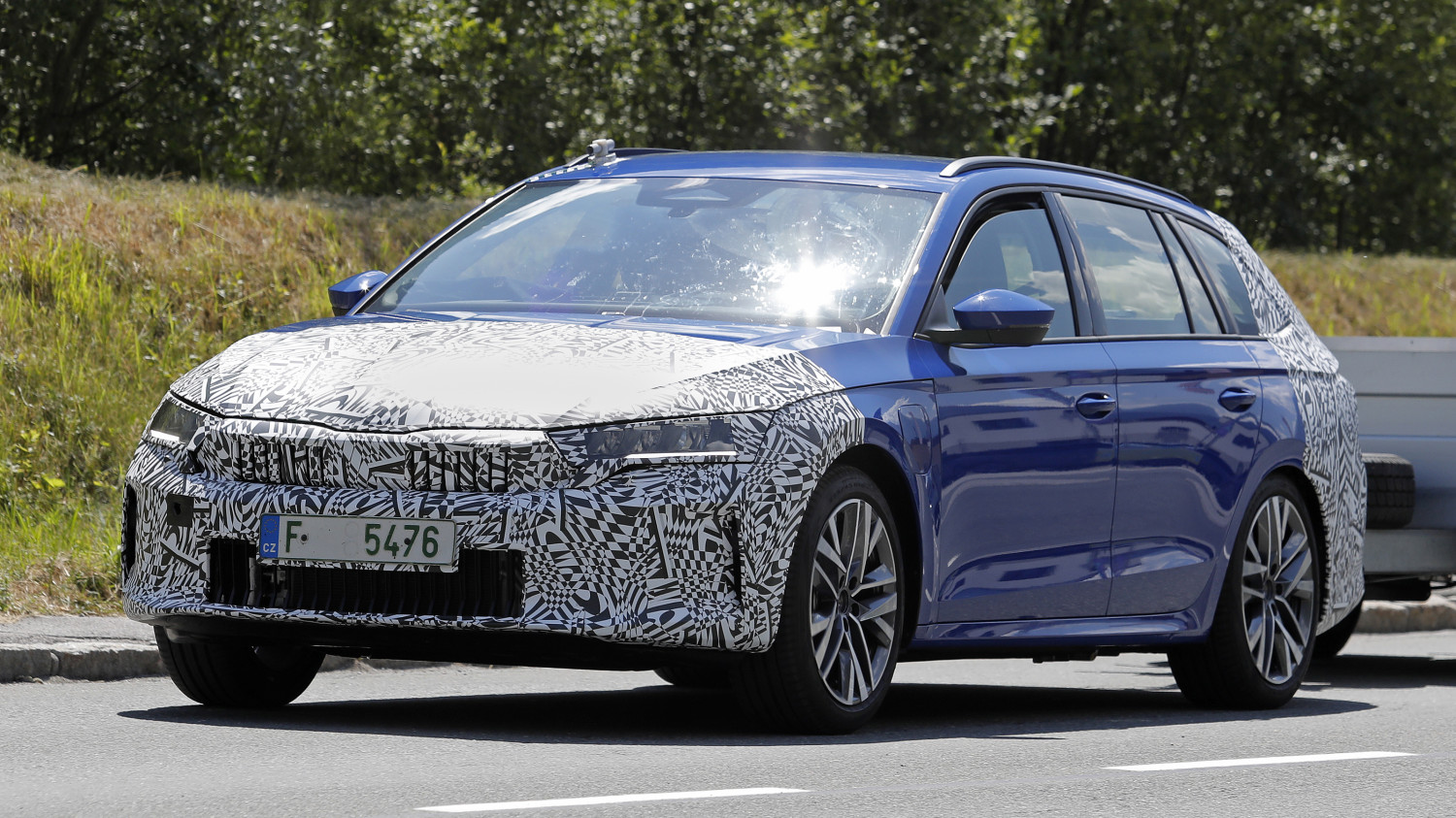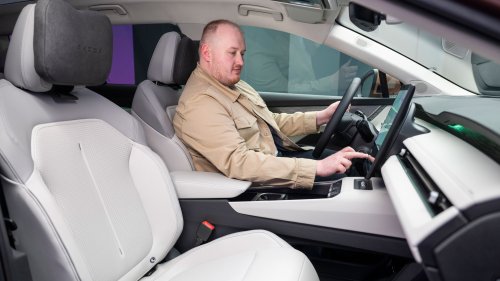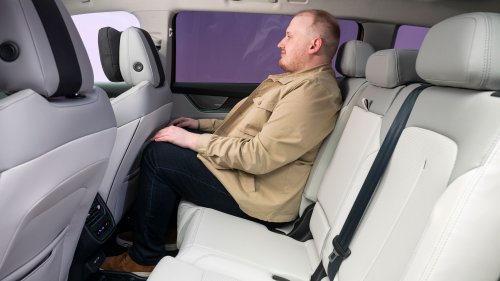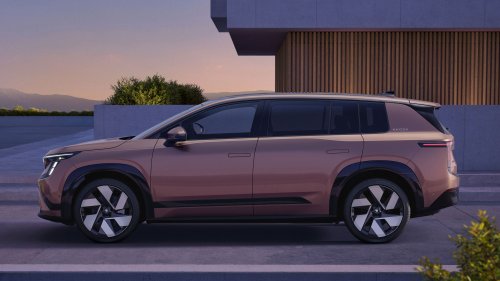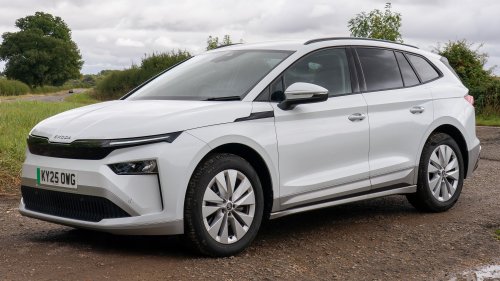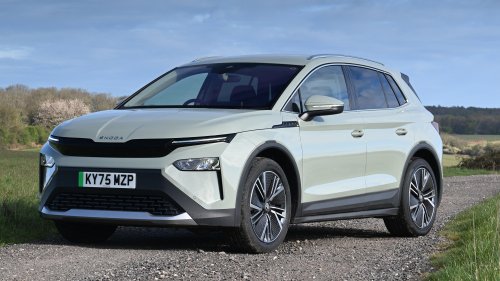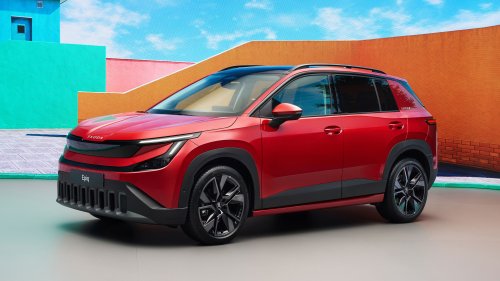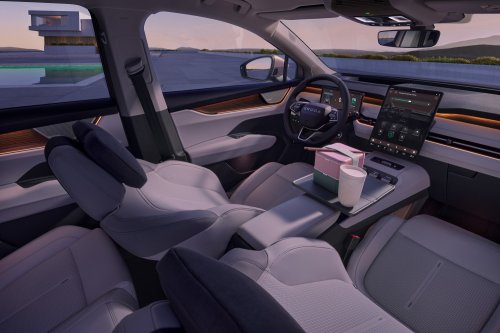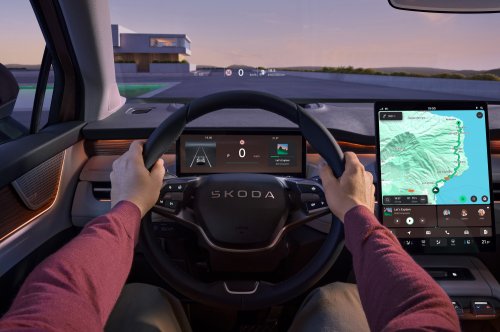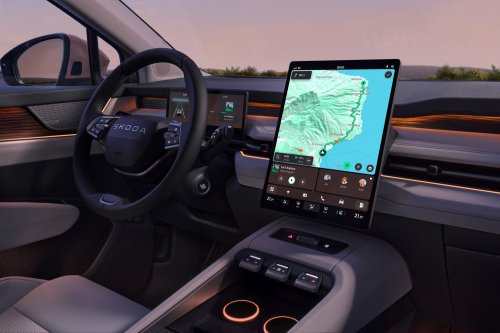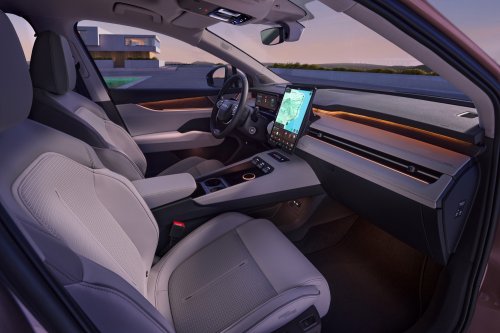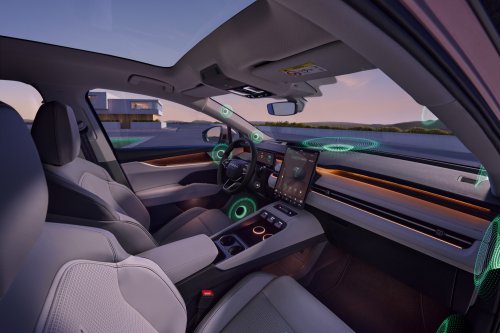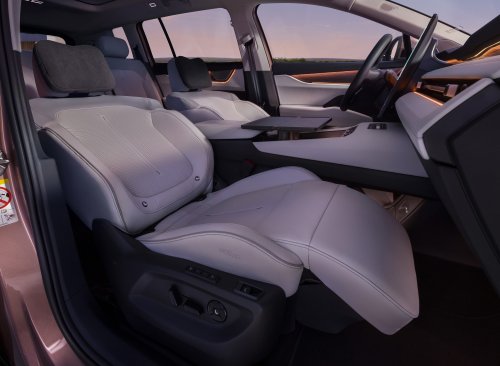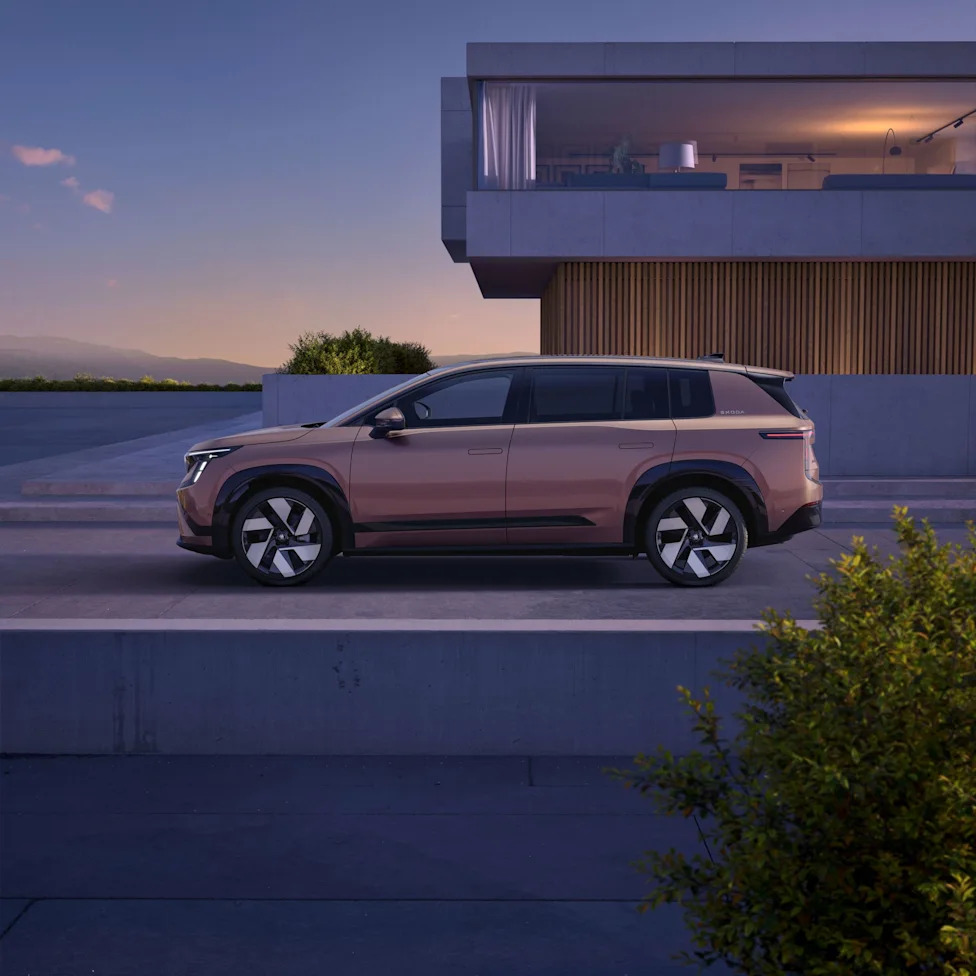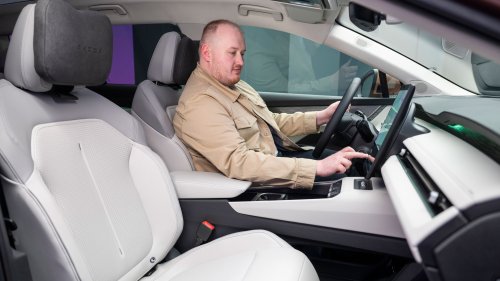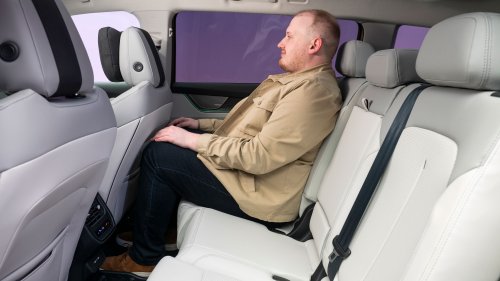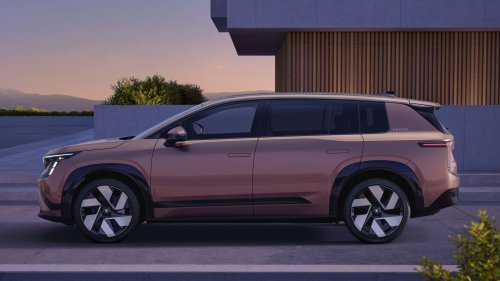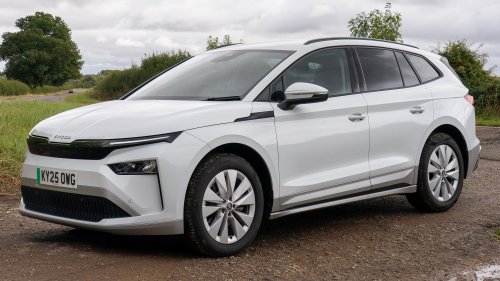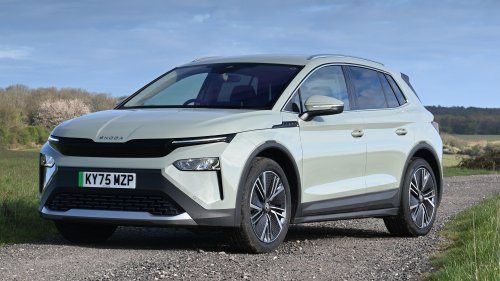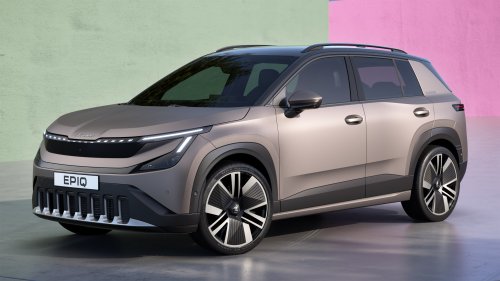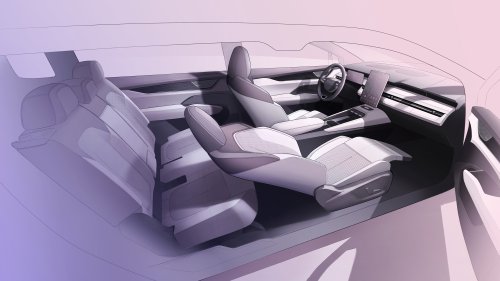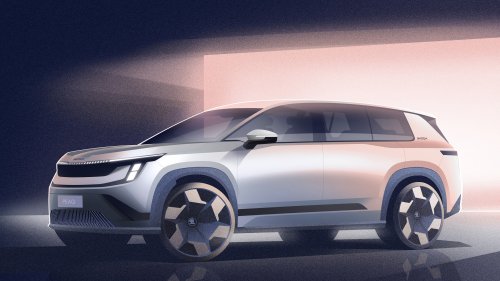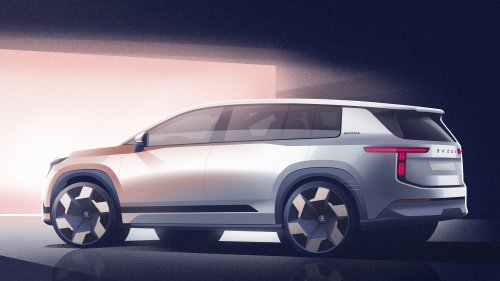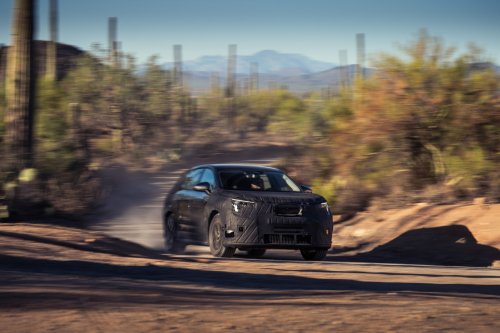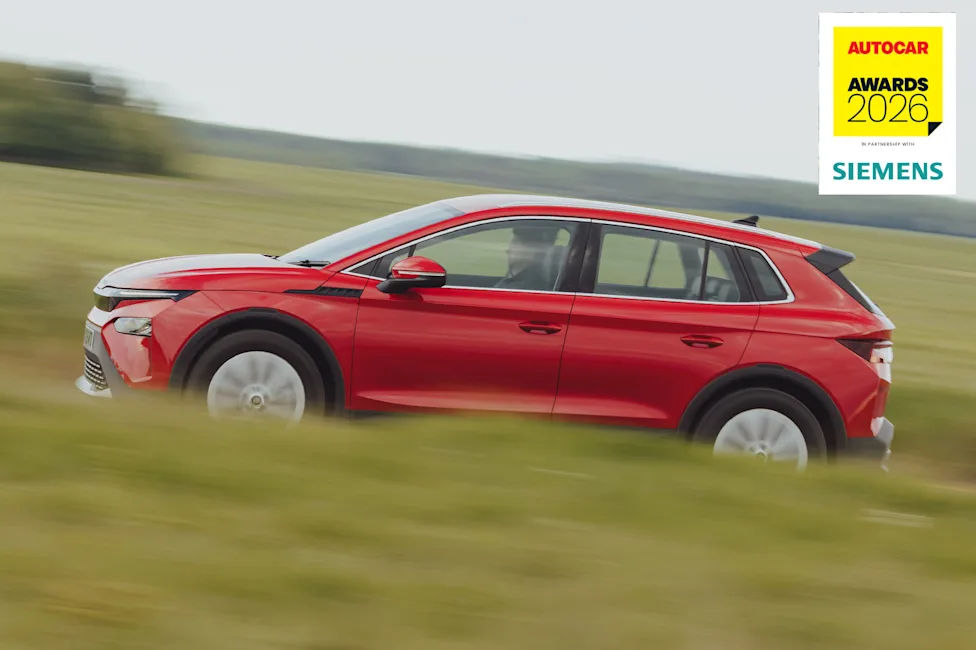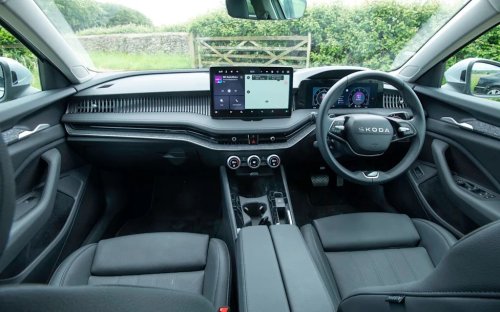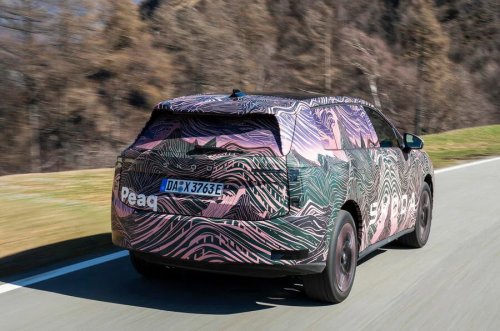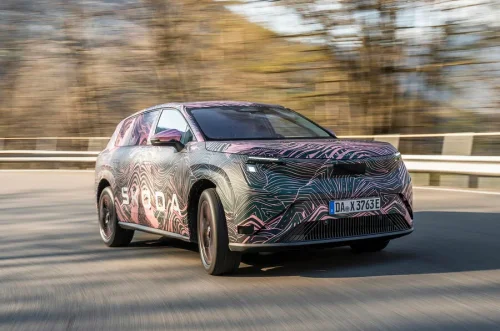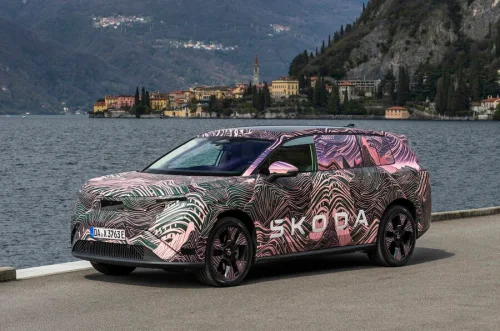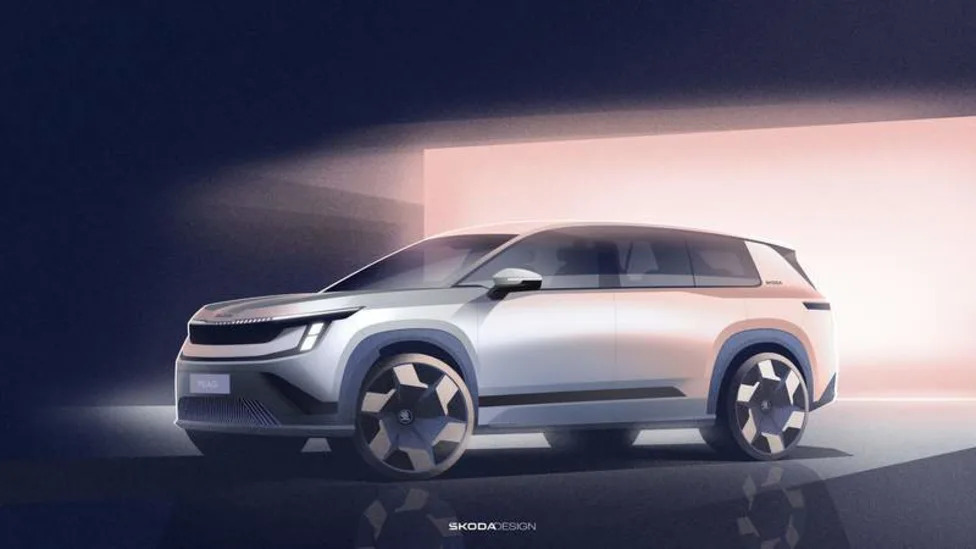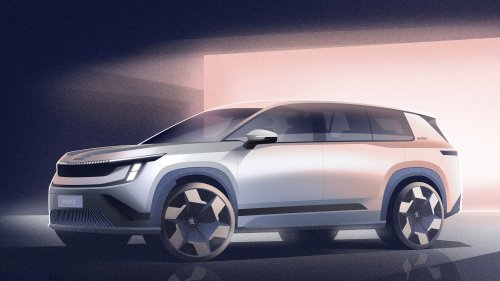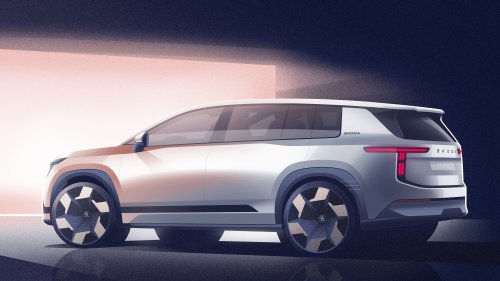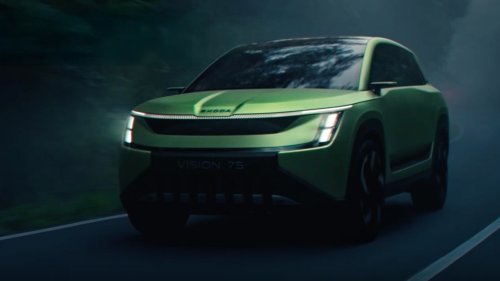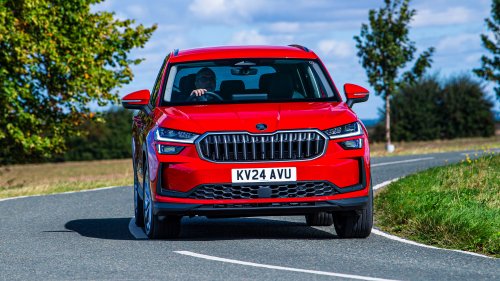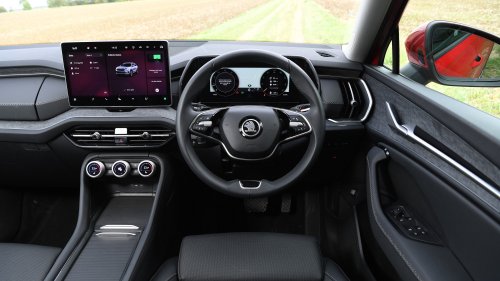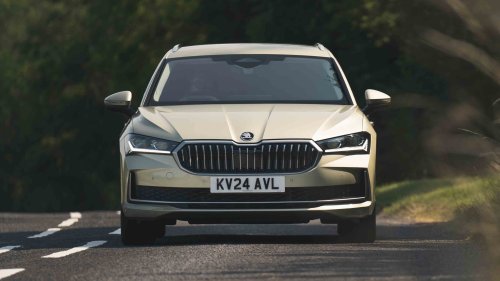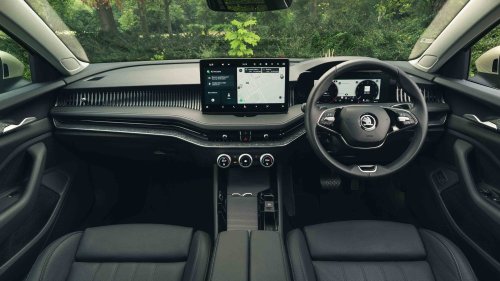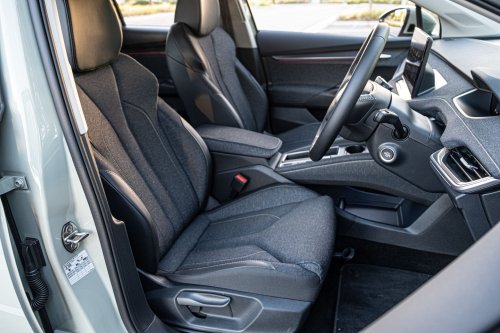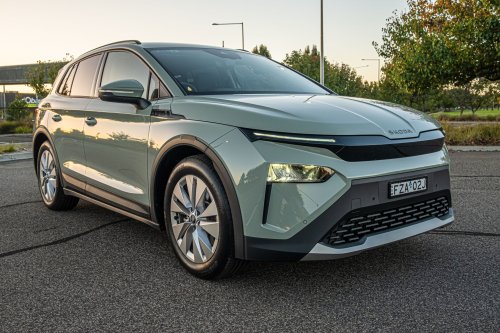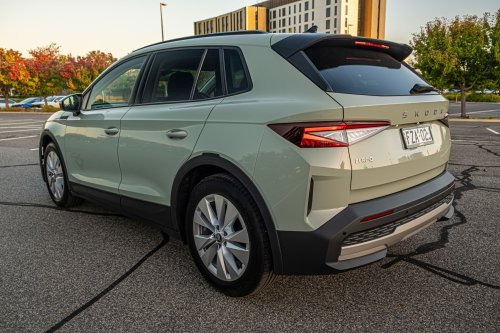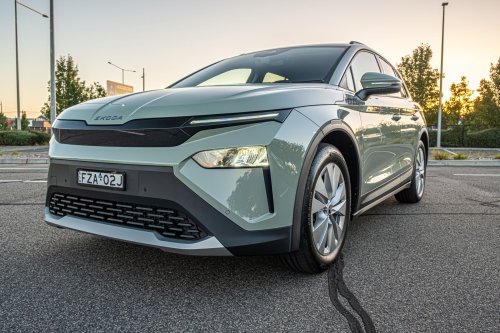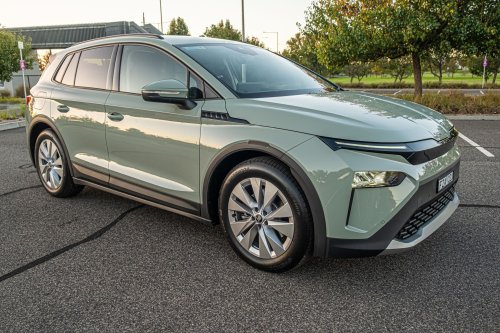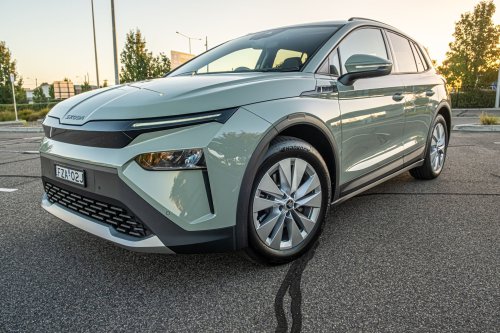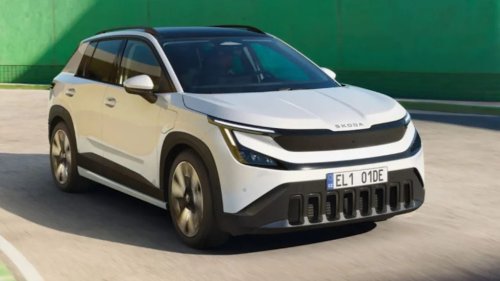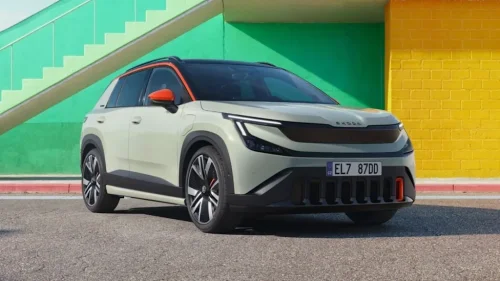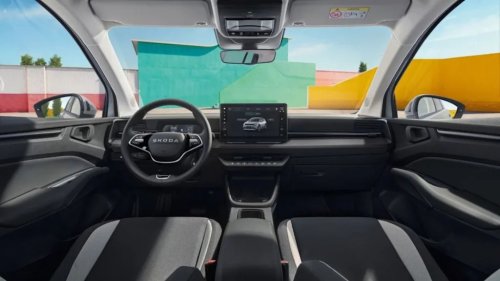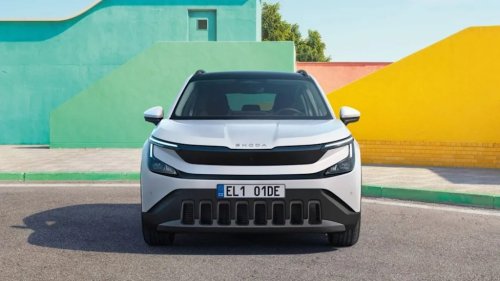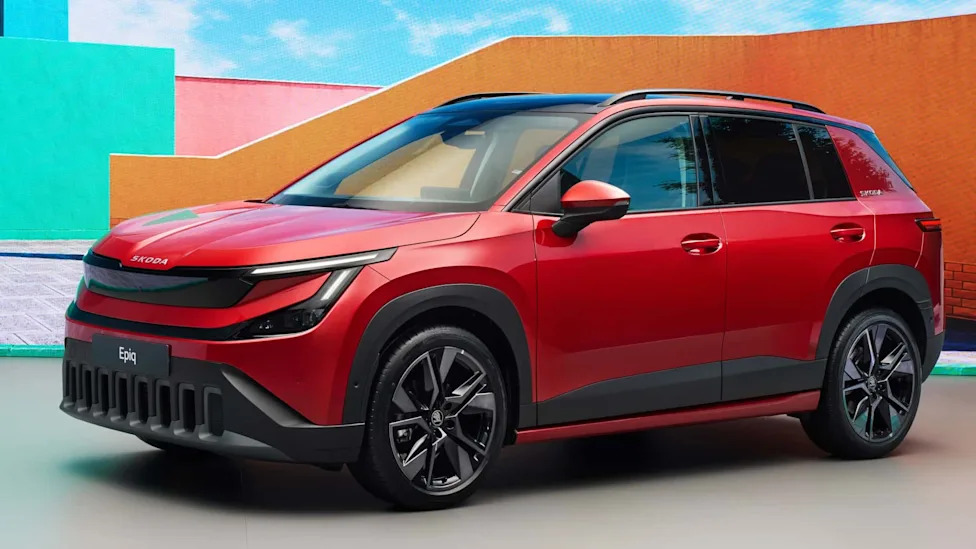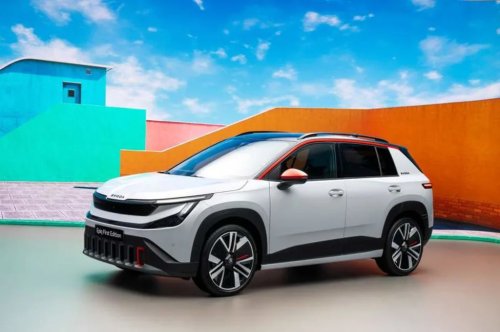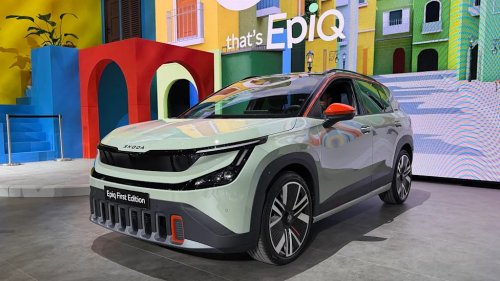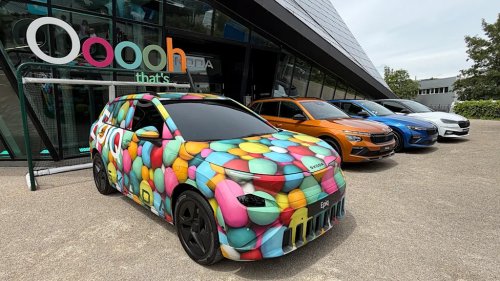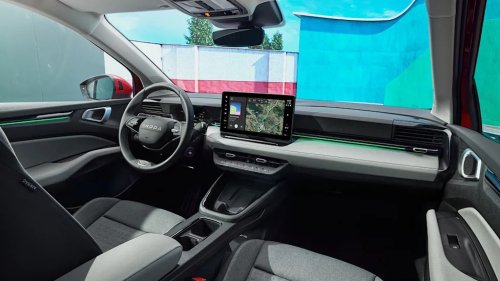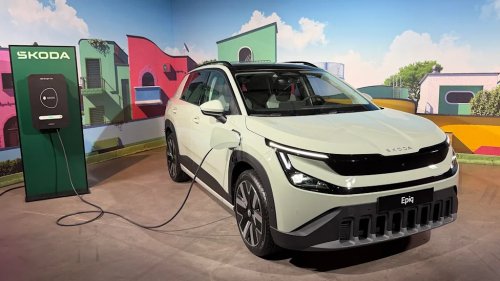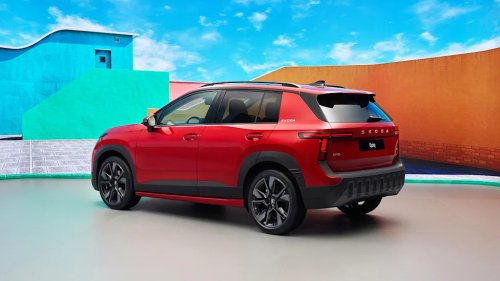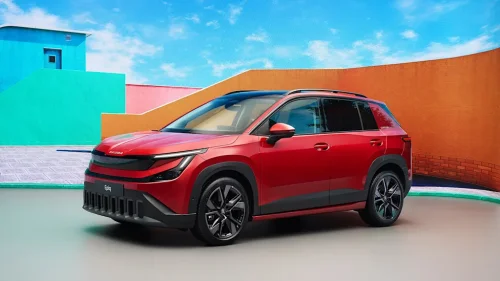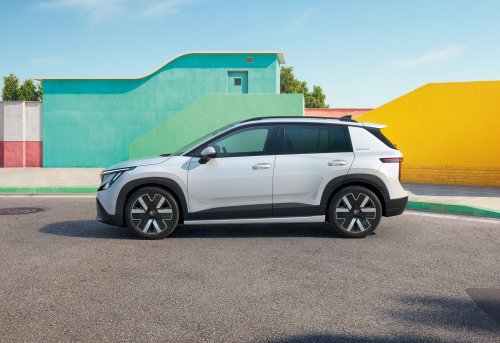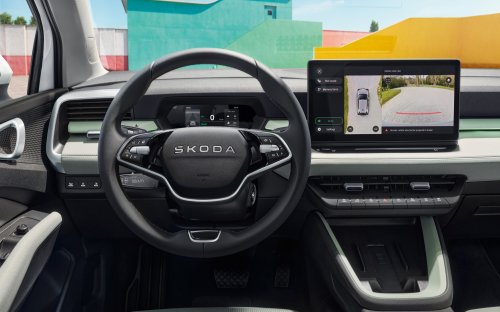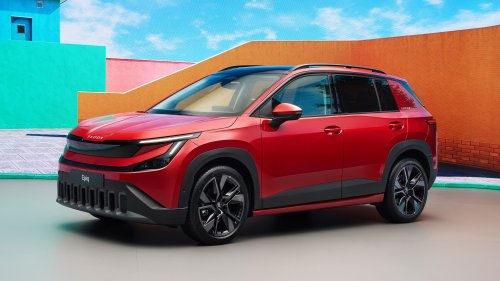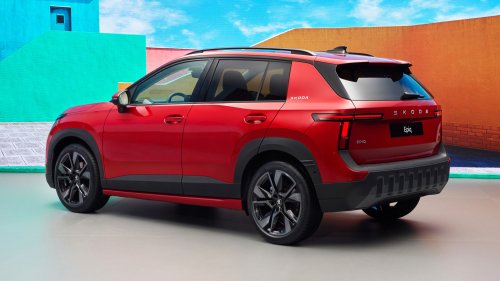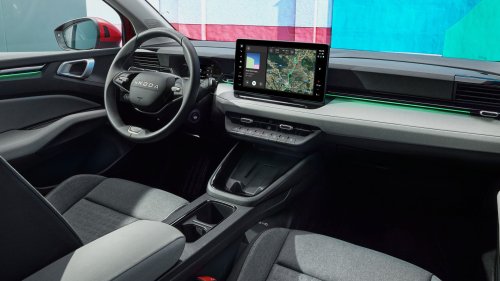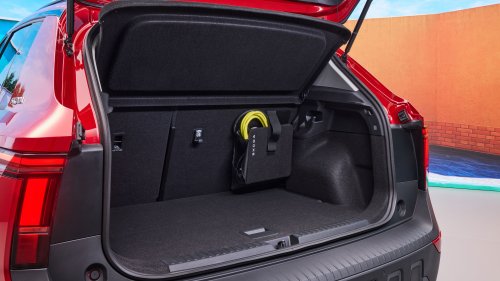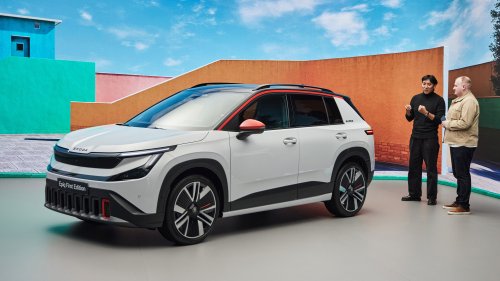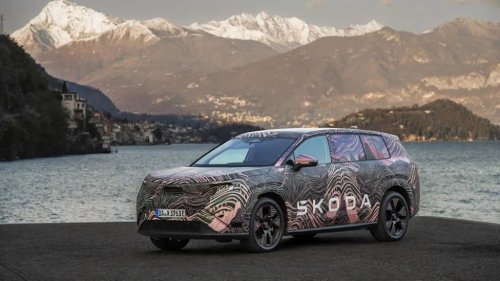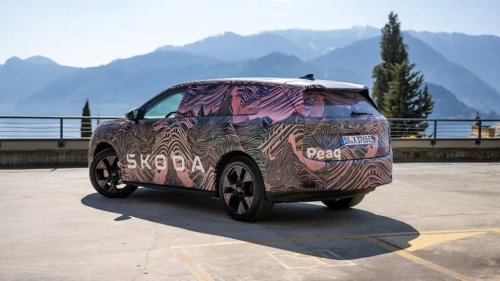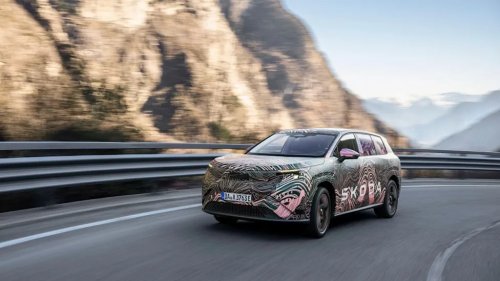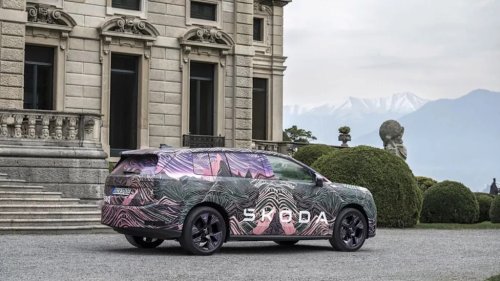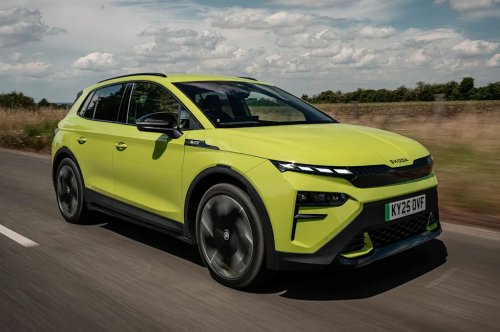
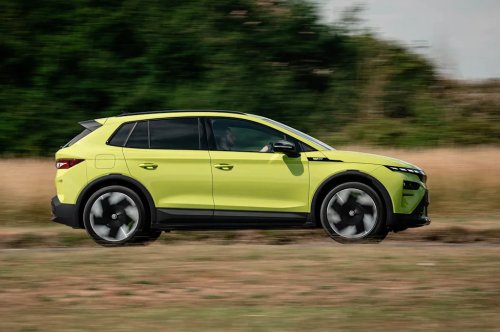
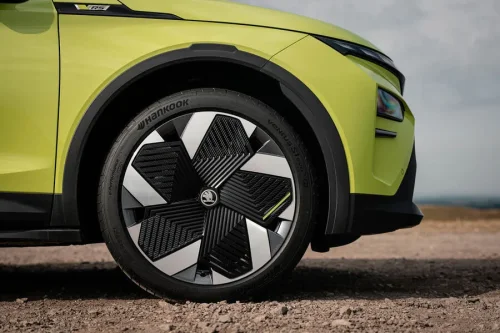
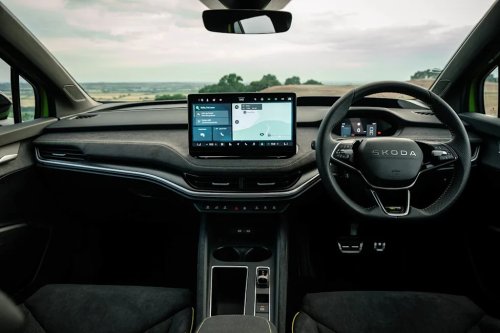
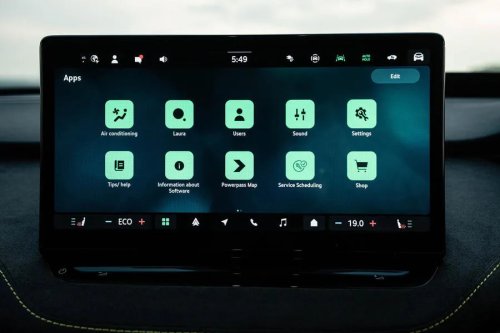
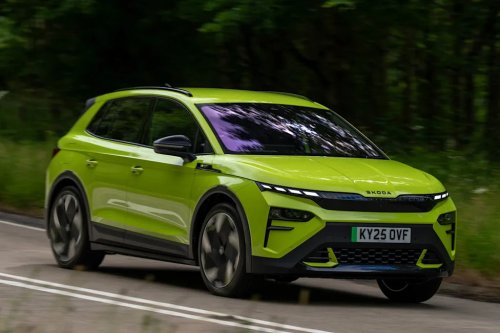
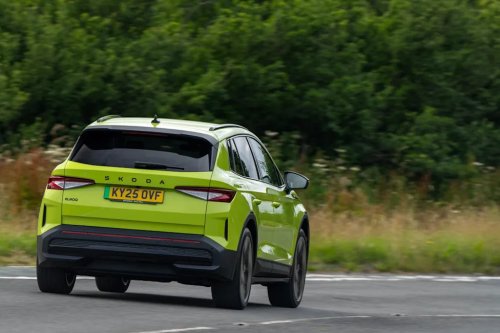
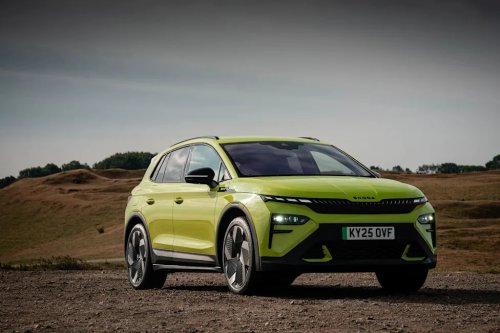



















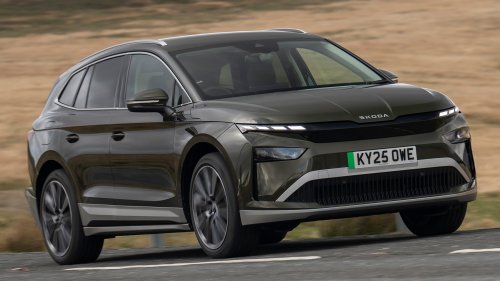

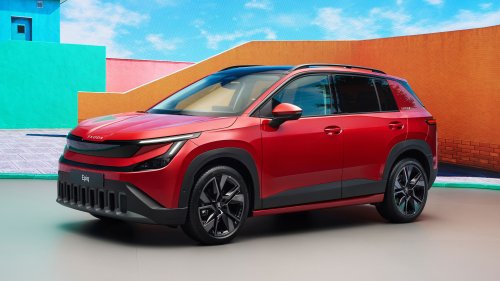
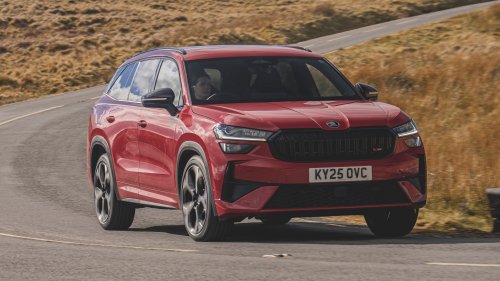
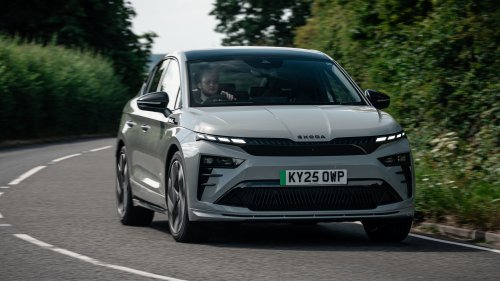
Skoda Elroq vRS review 2025 001Skoda Elroq vRS review 2025 001IntroductionDespite being a part of the Volkswagen machine, Skoda has shown itself to be quite adept at doing things slightly differently – not radically so but in ways that do make an impact.With cars like the Superb and Kodiaq, it espouses a ‘more buttons, less nonsense’ philosophy that we can get behind. With the Elroq, you might expect it to have made a Volkswagen ID 3 with an ice scraper in the charging flap, but it’s actually more like a shortened Enyaq, and that extends to the new sporty version, the Skoda Elroq vRS. And this new model really is sporty by Skoda's standards – a 5.4sec 0-62mph makes this the quickest-accelerating road car the company has ever made. Design & stylingSkoda Elroq vRS review 2025 002While the VW ID 3 GTX and Cupra Born VZ stick with a single rear motor, the Elroq vRS uses the same 335bhp dual-motor powertrain as the more senior Enyaq vRS. But because it’s a bit smaller and lighter, the hot Elroq is actually the quicker car, as we've alluded to. It also means the sensible Skoda is faster than the sporty Cupra. They’re clearly not wedded to hierarchy in Mladá Boleslav.AdvertisementAdvertisementWith all that said, the package is pretty familiar from the Enyaq vRS. You know the drill: MEB platform, big battery (79kWh usable), two motors, slightly but not excessively sportier tuning for a MacPherson-strut front and a multi-link rear, in part thanks for thicker anti-roll bars. Compared to the regular car, the vRS also gets shorter springs, resulting in a 15mm drop in ride-height at the front and 10mm at the back.Naturally there are also some more aggressive bumpers and unique wheels to set this vRS apart from the regular Elroq. Completing the package on our test car are 21in wheels, and Skoda hasn't merely thrown an identical tyre at both ends of the car, as you frequently see with 4WD performance cars: 255-section rears are paired with 235-section fronts. It's an identical setup to the that of the Enyaq vRS, though the Elroq's shorter wheelbase makes the stance that little bit more aggressive. A 20in wheel is also available, for those who'd like a little more sidewall.InteriorSkoda Elroq vRS review 2025 008The vRS formula extends inside, where this is generally just a highly specified Elroq with sports seats in a combination of micro-suede and artificial leather, carbonfibre-style trim and some nuclear green accents to liven things up. Skoda refers to this as its 'Lounge' setup – a 'Suite' option, which swaps that upholstery for smooth leather, is only available on the larger Enyaq vRS.The way vRS is now positioned, the sub-brand as much about specification as performance, and kit is generous: a CANTON sound system, head-up display, ambient lighting and massage seats are all standard.AdvertisementAdvertisementApart from that, the vRS is the same as any Elroq, which means that it’s very spacious for the size (boot space isn't far off that of a BMW M3 Touring) and the infotainment works well. For more detail, read our full Skoda Elroq review here.Engines & performanceSkoda Elroq vRS review 2025 016Plenty of performance EVs deliver a shock-and-awe routine when you floor the accelerator pedal but the Elroq vRS isn't one of them, and is arguably better for it.Figures of 335bhp and 501lb ft are comparatively sensible, and the uptake of propulsive force is smooth even in Sport mode, with that body of torque being easy to parse out precisely. Ask for everything this dual-motor powertrain can give and the Elroq will take off down the road at a lively lick and overtakes are never problematic, but pulse-raising excitement clearly isn't the intention here. Elsewhere, there's an appreciably broad spread of regeneration braking settings, though the system often resets to its adaptive mode (it'll slow the car for upcoming traffic and, more annoyingly, nice corners), which is frustrating. As on all cars built on VW's MEB platform, the brake pedal is also mushy and, at times, a little inconsistent.Ride & handlingSkoda Elroq vRS review 2025 017Something common to almost all modern vRS-badged Skodas is that they don't thrust their sportiness upon you. In fact it's an underated strength of the sub-brand that, in everday use, the cars are no more taxing to potter about in that the most prosaic models in the range. AdvertisementAdvertisementThe Elroq vRS is no difference. For a start, the seats are outstandingly comfortable – they really do feel as good as they look, and can be set low enough that you'd question if there was indeed a battery pack under the floor. There's also a very generous level of adjustability in the steering column, allowing you to bring the steering wheel out to your chest. The car inspires confidence from the get-go.Know also that, despite the lowish-profile tyres, the vRS is not much noisier at a cruise than a regular Elroq, at least subjectively. In fact, on a good surface, the difference seems negligible. Adaptive dampers are also standard, and at the softer end of the 15-point adjustment scale, the ride is truly wafty – to the point of floatiness in the most relaxed setting. We found that, in the UK, going one or two clicks softer than the factory setting for Comfort mode results in rather a lovely, steadfast fluidity that, in terms of ride quality, isn't far off what you get in a BMW 5 Series. It really is that good. The Elroq vRS never truly entertains, though. The variable-ratio steering is quite numb, and although the rear motor is more powerful than the front one, it doesn’t really engage in tail-out antics – the conservative stability control see to that. Neutral balance is as good as it gets, though this does make the Elroq vRS a superbly dependent cross-country tool. Damping control is excellent, there's very little roll beyond what you need to feel connected with what the chassis is doing, and traction is nigh unbreakable. The result is a bit like driving an old Audi S4, but with better balance.MPG & running costsSkoda Elroq vRS review 2025 001Prices for the Elroq vRS start from £46,560, which is a little more expensive than rivals, which include the Cupra Born VZ, Mini Countryman SE All4, Volvo EX30 Twin Motor and Smart #1 Brabus. However, unlike the Cupra, the Skoda comes with dual motors and more power, and it has a much larger battery and therefore considerably more range than the others.AdvertisementAdvertisementOn the WLTP cycle, it should be good for 336 miles. In practice, we saw around 3.4mpkWh on a mild summer day, which equates to nearly 270 real-world miles. It’s also capable of taking 185kW on a DC rapid charge, which is a good deal more than most rivals.There's a good amount of optional extras, in addition to the vRS's high level of standard kit. A panoramic roof costs £1100 and an electrically deploying towbar is £750. However, given the asking price, Skoda might have included the £1100 heat pump for the battery as standard.VerdictApart from the Born and to a lesser extent the MG 4 EV, this class still lacks a driver’s car. It needs its Hyundai Ioniq 5 N or Alpine A290 moment, and the Elroq vRS – steady and quick, and more naturally agile than the Enyaq vRS, but ultimately unexciting – isn’t it.What it is is a practical electric crossover with four-wheel drive and a bit of punch that doesn’t beat you up for the pleasure. Don't underestimate what easy company this car is, not least because of the suspension, which has plenty of polish to it. Seen as an extra-capable, extra-lavish Elroq, rather than a committed performance derivative, the Elroq vRS has plenty of appeal.]]>