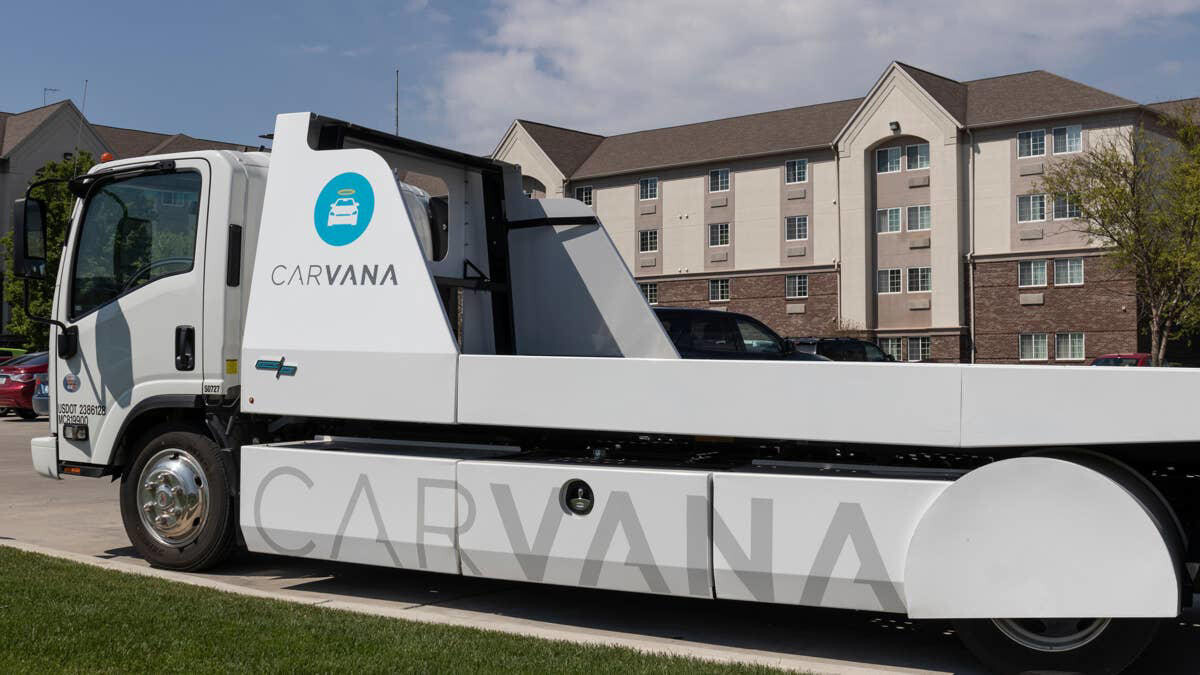
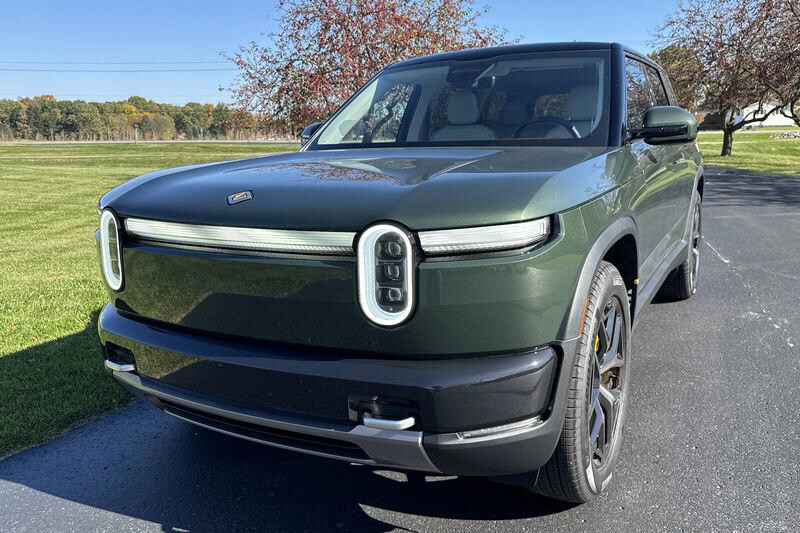
The Phantom Dealerships Carvana takes a different approach to selling cars by operating primarily online. This saves the company money on acquiring dealership lots and hiring sales staff while allowing customers to browse its inventory from the comfort of their homes. But of course, Carvana still faces competition online, and according to an investigation by Car Dealership Guy, the company may not have been playing by the rules. The investigation identified 143 questionable Google listings, 139 of which no longer appeared at their listed addresses as of November 12. The issue here is that these listings used addresses that weren’t actual Carvana facilities across at least 39 states and Washington, D.C. A Listing Too Far? Such a practice could violate Google’s vehicle advertising guidelines, which generally require retailers to have a physical location in the state where they list vehicles for sale. However, Google has a beta program for online vehicle delivery, and it’s unclear whether Carvana participates. Automotive legal experts also warned that misleading business addresses could raise unfair or deceptive acts or practices (UDAP) concerns. Carvana hasn’t addressed all the allegations. But using fake locations to advertise cars online could help the company appear in more local searches, widening its reach despite not operating actual facilities there. It could also divert traffic from local dealers, potentially putting smaller dealerships at a disadvantage. An October investigation found that some customers reportedly traveled to advertised Carvana locations, only to discover that no dealership existed there. One customer in Santa Fe, New Mexico, reported driving to a nonexistent location. Another listing in Appleton, Wisconsin, reportedly directed customers to a jewelry store. Carvana previously said its local listings were intended to help customers discover vehicles available for delivery or pickup in their areas, but whether the company violated Google’s guidelines remains an open question. The Customer Pays the Price Carvana competes in the online car-selling business against the likes of CarMax and AutoNation. It sells a wide array of vehicles, from small affordable sedans to EVs such as the Rivian R1T, which is currently featured among its popular models. While the investigation found that many listings had disappeared, the questionable listings could have already caused inconvenience to customers, including wasted time and fuel from traveling to nonexistent dealerships, especially when gas isn’t cheap these days. They could also have misled buyers into believing Carvana had physical locations nearby, potentially damaging trust in the company.