A key European Parliament committee has voted to classify cars that run exclusively on renewable fuels as zero-emission vehicles, a move critics say could allow automakers to meet CO2 targets without selling a single battery-electric vehicle.
The Parliament’s Environment Committee approved the proposal on Nov. 4 as part of an overhaul of vehicle CO2 emissions rules. The proposal does not set a limit on how many “vehicles running exclusively on eligible fuels,” or VEEFs, could be sold, prompting one environmental group to call for a 5 percent cap.
The measure reflects pressure from countries including Germany and Italy to preserve a role for combustion engines beyond 2035. Current EU rules allow the sale of new cars only with zero tailpipe emissions from that date, effectively requiring battery-electric vehicles.
Supporters of renewable fuels say they can help decarbonize the existing vehicle fleet and that costs and availability will improve as adoption increases. Critics argue that allowing e-fuels and biofuels could undermine Europe’s shift to battery-electric vehicles at a time when the EU is trying to build a competitive battery industry. They also contend that sustainable fuels are better suited to sectors that are difficult to electrify, such as aviation and shipping.
Porsche, Ferrari back renewable fuels to preserve ICE models
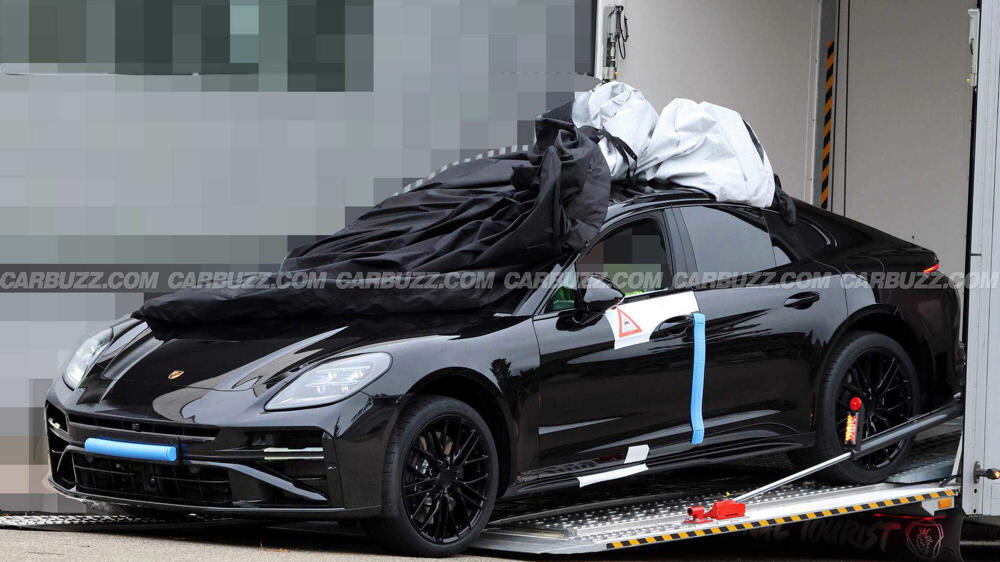
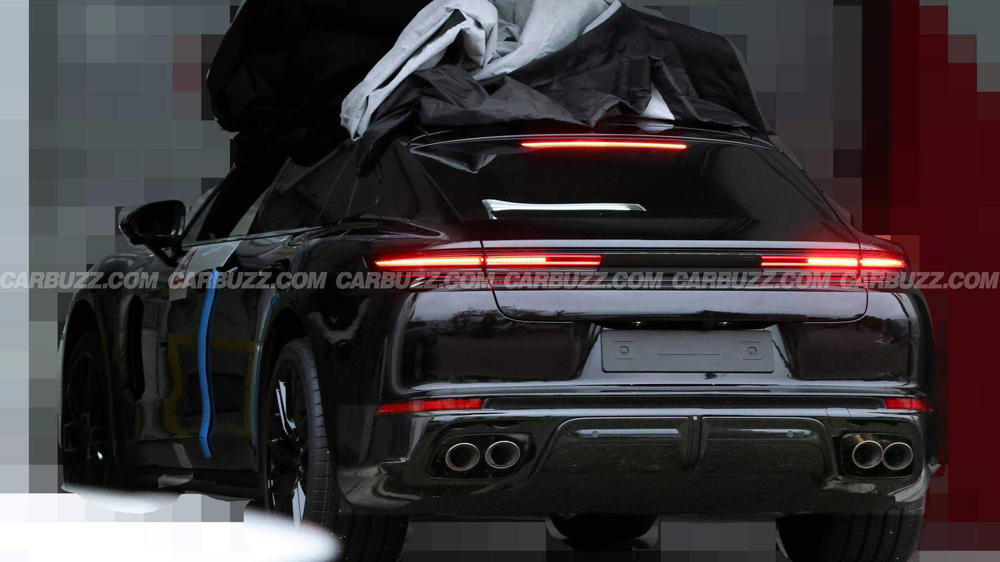
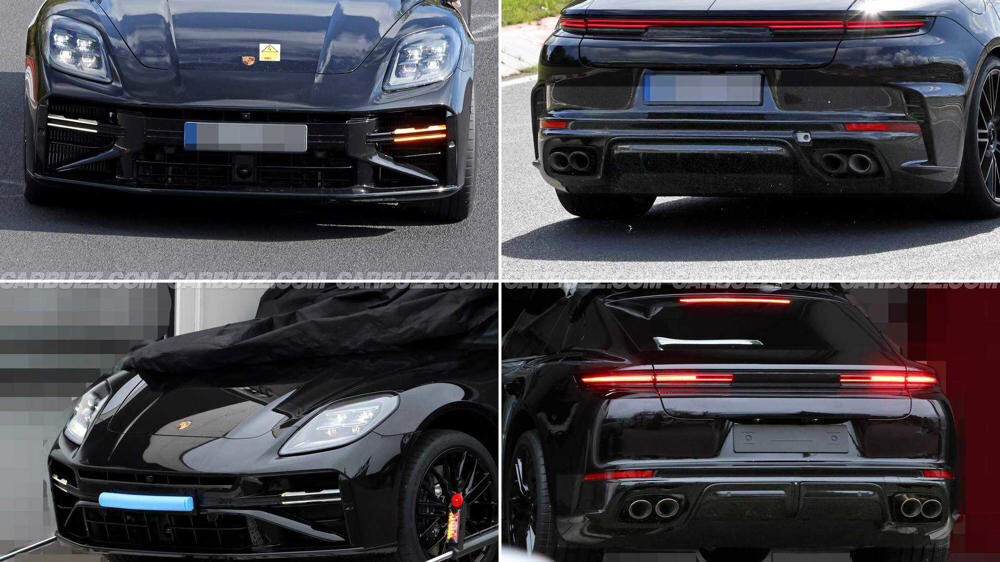
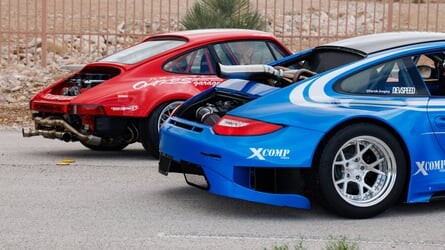
Among the most prominent automotive supporters of e-fuels are sports-car makers Porsche and Ferrari, which see them as a way to continue selling vehicles powered by internal combustion engines, including Porsche’s flat-six-powered 911 and Ferrari’s V-12 models. Porsche has invested in a pilot e-fuels plant in Chile.
According to environmental lobby group Transport & Environment (T&E), the Parliament’s proposal would reduce the minimum share of battery-electric vehicles in new-car sales to 39 percent in 2030, compared with 57 percent under current legislation. By 2035, the BEV share would fall to 69 percent instead of effectively 100 percent.
T&E said the change could jeopardize about €200 billion ($224 billion) already invested in Europe’s EV value chain.
VEEFs are defined as cars and vans that operate exclusively on renewable and low-carbon fuels meeting specific sustainability criteria.
Whether a vehicle qualifies as a VEEF depends on the use of carbon-neutral fuels, which add no net CO2 to the atmosphere over their life cycle. The CO2 emitted when the fuel is burned is offset by carbon captured from the atmosphere or from biogenic sources during fuel production.
In the automotive sector, these fuels typically include e-fuels produced using renewable electricity, green hydrogen and captured CO2; advanced biofuels made from waste products such as agricultural residues, used cooking oil and municipal waste; and other renewable and low-carbon fuels that meet EU sustainability and greenhouse-gas requirements.
Environmental groups say VEEFs create a loophole
T&E has recommended excluding so-called first-generation biofuels, limiting eligible fuels primarily to e-fuels produced in the EU, capping VEEF sales at 5 percent of total vehicle registrations and delaying the category’s introduction until 2035.
The proposed regulation includes VEEFs from the start and does not include a sales cap. Under that scenario, automakers could theoretically comply with CO2 targets without selling a single BEV, T&E said.
The European Consumer Organisation, known as BEUC, said the additional flexibilities risk diverting investment away from affordable battery-electric vehicles and toward plug-in hybrids and biofuels.
If automakers believe vehicles powered by renewable fuels can help meet emissions targets, they may face less pressure to accelerate EV launches and battery production, T&E said.
Suppliers that have invested in battery cells, electric drivetrains and charging technology could see demand weaken, while companies that have continued investing in combustion-engine technology could gain an advantage.
VEEF category is ‘positive,’ Italian industry group says
Industry groups welcomed the inclusion of renewable-fuel vehicles in the zero-emission category.
“We view particularly positively the recognition of the new VEEF category, vehicles powered by renewable fuels and classified as zero-emission vehicles,” Roberto Vavassori, head of Italian automotive lobby group ANFIA, said in a statement.
Regulatory experts have also questioned how the EU could ensure that a VEEF-certified vehicle continues to use only eligible fuels once it is on the road. Without tamper-proof fuel-monitoring systems, drivers could refill with conventional gasoline or diesel if those fuels are cheaper or more readily available.
The debate over sustainable fuels is likely to continue; T&E has said that Europe cannot meet the demand for biofuels domestically and will become increasingly dependent on imports of used cooking oil from Asia, refined biodiesel from China and bioethanol from the U.S.
The group said 80 percent of the used cooking oil used in EU biofuels is imported and carries a high risk of fraud, such as virgin palm oil being mislabeled as waste.
The full Parliament is scheduled to vote on the package in December. If approved, it will enter negotiations with the European Council, which has yet to finalize its position.