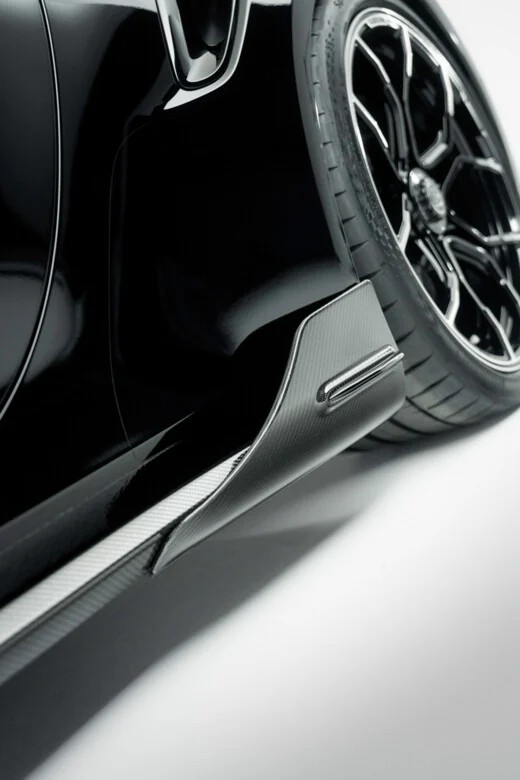
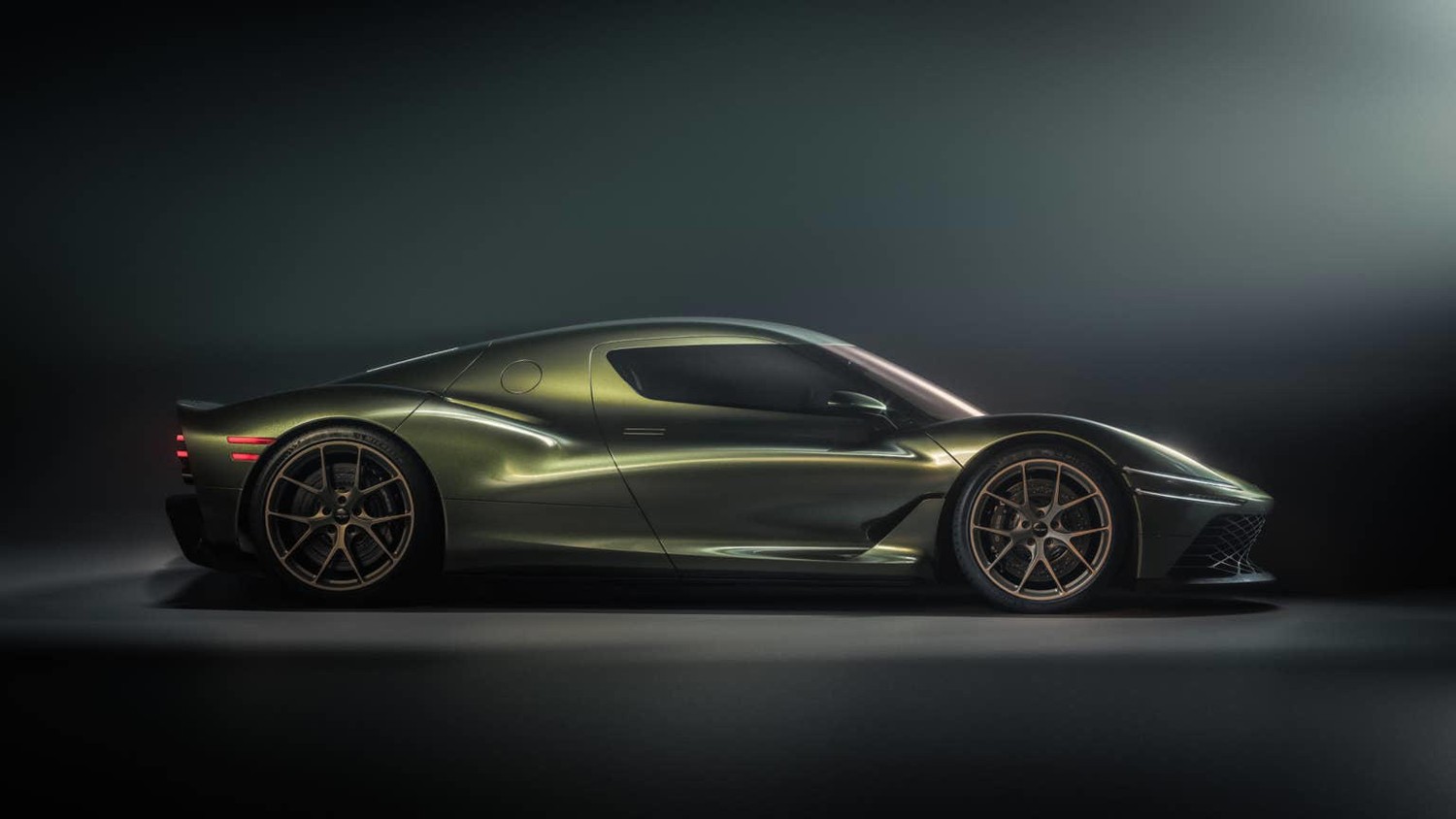
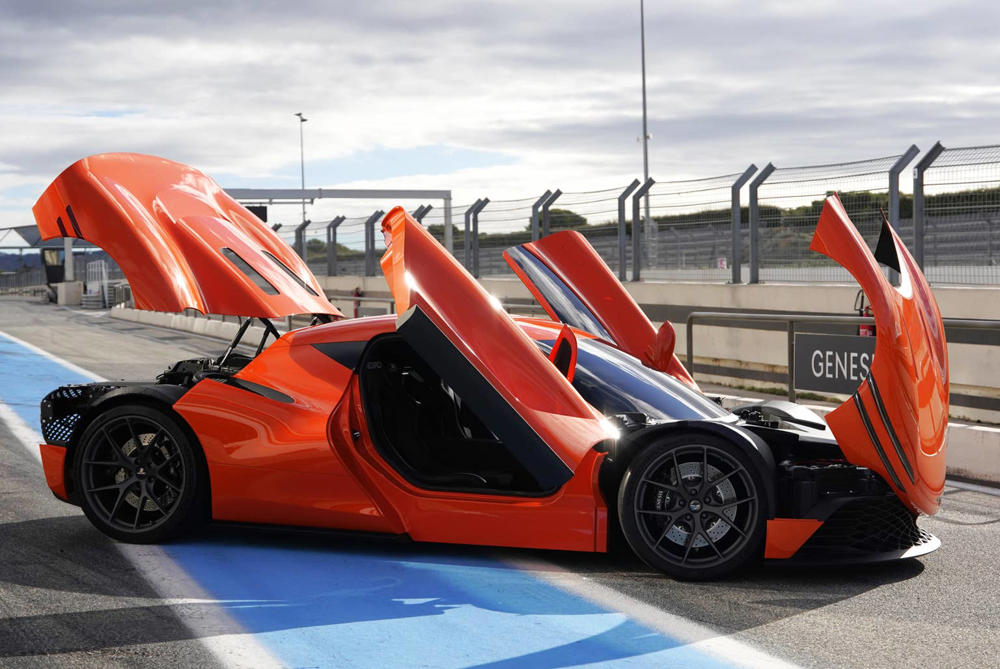
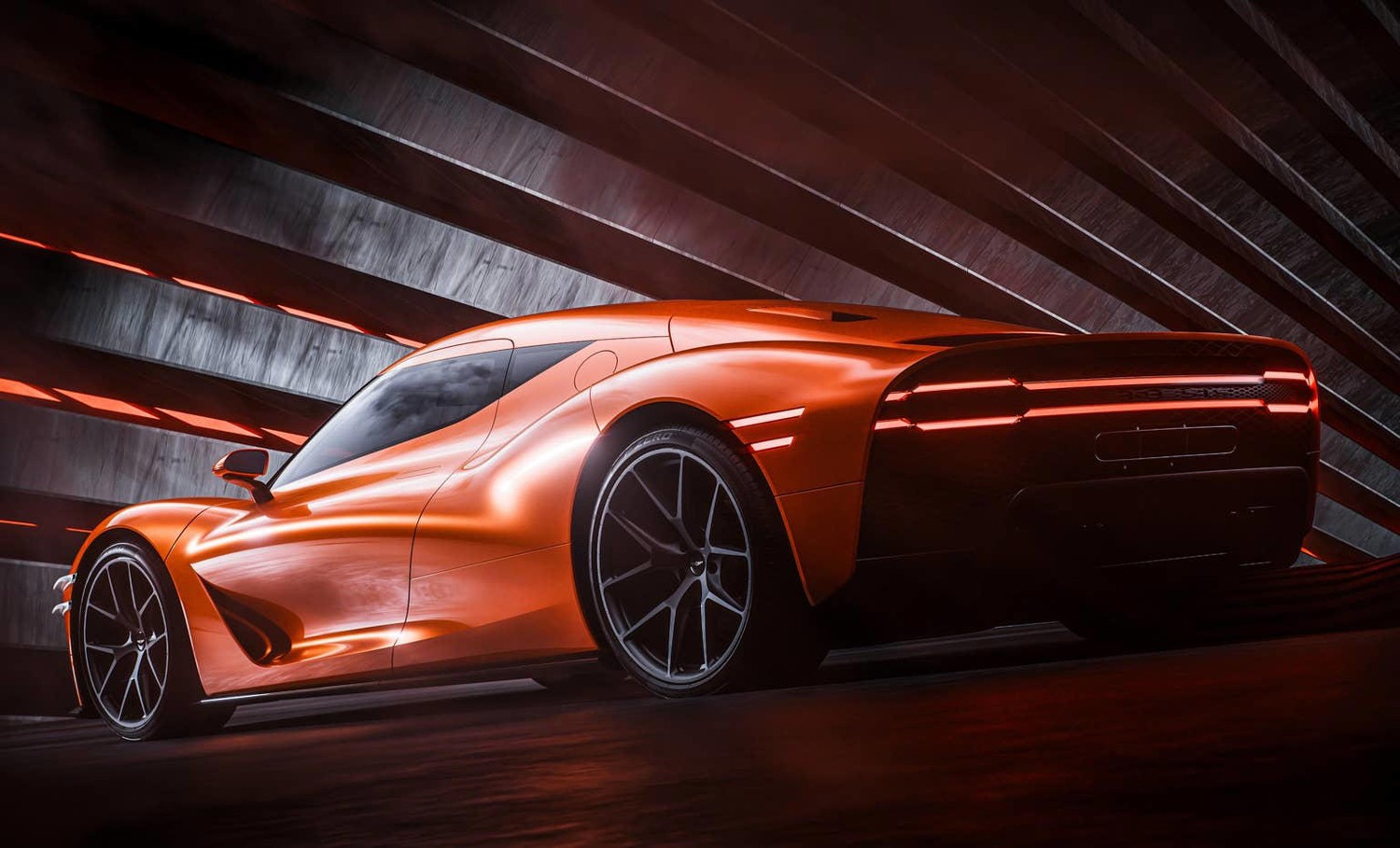
Genesis has spent the past decade establishing itself as a legitimate luxury alternative to BMW, Mercedes-Benz, and Lexus. They’ve also proven that they can do it in a wholly original fashion, not something derivative from the Germans or the Japanese. Now, the Korean automaker has its sights set on something considerably more ambitious: the legendary Porsche 911. As motivational speaker Zig Ziglar once said, “Confidence is going after Moby Dick… and taking the tartar sauce with you.” The company is developing a production version of its striking Magma GT Concept, a mid-engine sports car that promises serious performance, exotic styling, and the kind of driving experience most often associated with established European sports car manufacturers. But can Genesis really challenge one of the most celebrated sports cars ever built? A New Direction for Genesis Unveiled in November 2025, the Magma GT Concept represents a dramatic departure from Genesis’ familiar lineup of luxury sedans and SUVs. With its low-slung proportions, muscular rear haunches, butterfly doors, and aggressive aerodynamic elements, the Magma GT looks more like a Ferrari or McLaren than anything currently wearing a Genesis badge. Dare we say it looks even better than many established exotic automakers’ models. Unlike the Porsche 911’s traditional rear-engine configuration, the Magma GT adopts a mid-engine layout, theoretically offering excellent weight distribution and handling balance. Genesis has also made it clear that the Magma GT won’t simply be a limited-production halo car. Plans call for an entire family of models, potentially including S, GTS, lightweight, roadster, and track-focused variants. If that approach sounds vaguely familiair, it’s essentially the same strategy Porsche has successfully executed with the 911 for decades. There may not be a more iconic sports car in history, and that’s a tall order for Genesis. Genesis Has Serious Performance Ambitions While final production specifications remain unconfirmed, Genesis has indicated that the Magma GT Concept features a twin-turbocharged V8 capable of producing up to 800 horsepower. That’s enough to put it in the company of some seriously exotic machinery. The production model could also benefit from technology developed through Genesis’ motorsports program, including its GMR-001 endurance racing prototype. The automaker is exploring a GT3 racing version of the Magma GT, potentially giving the road car a direct connection to professional motorsports. However, Genesis isn’t building the Magma GT to hit horsepower goals. It will be a driver-focused car, not a straight-line rocket. The brand’s stated philosophy of “Effortless Performance” emphasizes balance, driver engagement, and accessible handling. Without this mindset, the Magma GT canot be properly compared to the 911. The Porsche 911 Is a Tough Benchmark The biggest obstacle facing Genesis isn’t necessarily the engineering of the Magma GT. It’s Porsches inimitable history both on the road and the track. The Porsche 911 has benefited from more than six decades of continuous development. Every generation sees improvements while retaining the easily recognized shape. Its steering, braking, chassis balance, and driver engagement have been refined through multiple generations of road cars and racing programs. More importantly, the 911 manages to combine exceptional performance with everyday usability. The 911 is meant to be driven, not garaged or just for show. Even relatively modest Carrera models deliver an engaging driving experience, while higher-performance variants such as the GT3 and Turbo S offer extraordinary capabilities that have been praised by critics all over the world. It is a car that’s nearly impossible to imitate, but that doesn’t mean the pursuit isn’t worthy. Genesis will need to deliver more than impressive acceleration numbers to compete. The Magma GT must offer steering precision, chassis communication, and the kind of emotional connection that makes enthusiasts want to drive simply for the pleasure of driving. That’s a considerably taller order than building a fast car. Could Genesis Have an Advantage? Interestingly, Genesis might have an opportunity to differentiate itself through pricing, luxury, and exclusivity. The company has already demonstrated its ability to deliver premium interiors, distinctive styling, and generous equipment levels. Applying that philosophy to a high-performance sports car could create an appealing alternative to the Porsche. Genesis may not carry the same badge cred as Porsche, but the Magma GT’s combination of power, mid-engine layout, luxury, and style could very well make Porsche nervous. All that said, early estimates indicate the Magma GT could cost $150,000 or considerably more, meaning Genesis might not enjoy its traditional pricing advantage. Don’t expect the car to come in at even G90 prices. It is touted as an exotic sports car, and the aim is not to dilute that formula with what could be considered a “real value”. Production timing also remains uncertain, with expectations generally pointing toward the latter part of the decade. Final Thoughts Can the Genesis Magma GT take on the Porsche 911? The specs are in its favor. Its mid-engine architecture, potentially enormous horsepower, striking design, and motorsports ambitions suggest Genesis is taking the challenge seriously. But Porsche has spent generations perfecting the relationship between driver and machine, something Genesis will be challenged to copy quickly. The Magma GT doesn’t necessarily have to beat the Porsche at its own game. If Genesis can deliver an exhilarating driving experience wrapped in exotic styling and genuine luxury, it could establish an identity all its own.

 Liked by Parker Bouchard, Adam Fortin


















 Liked by Parker Bouchard, Adam Fortin