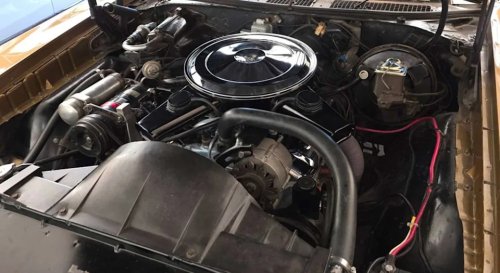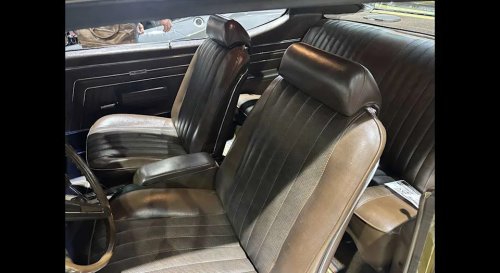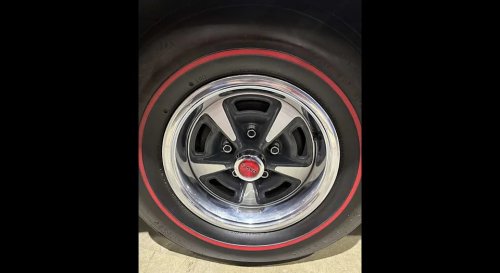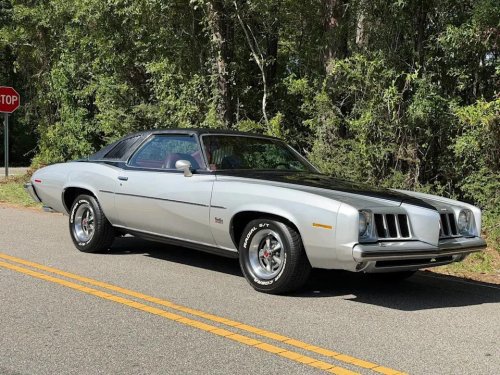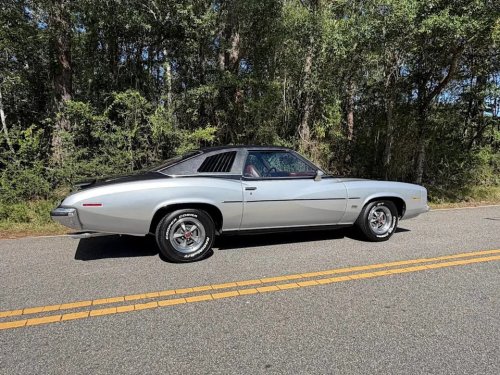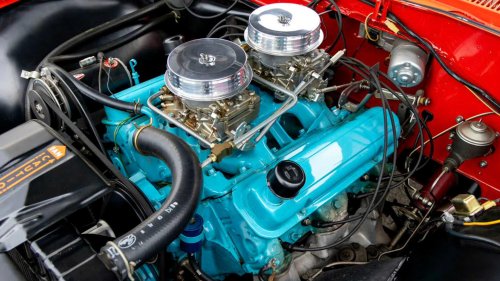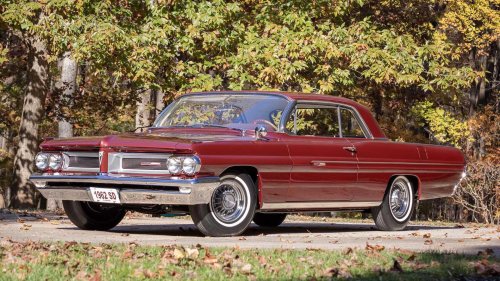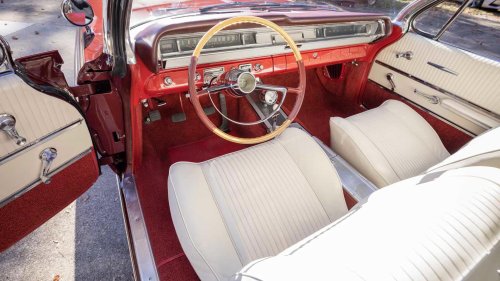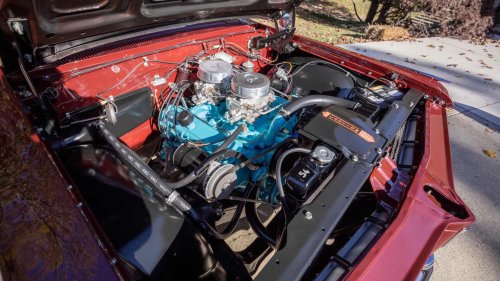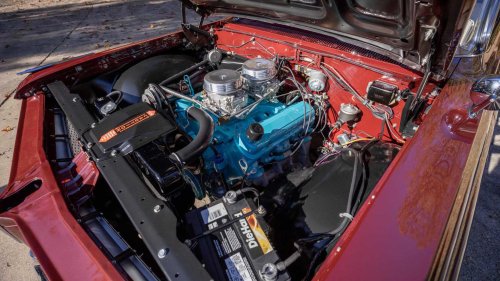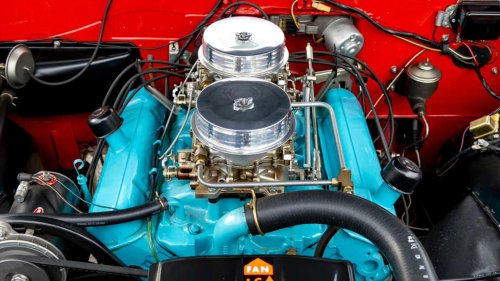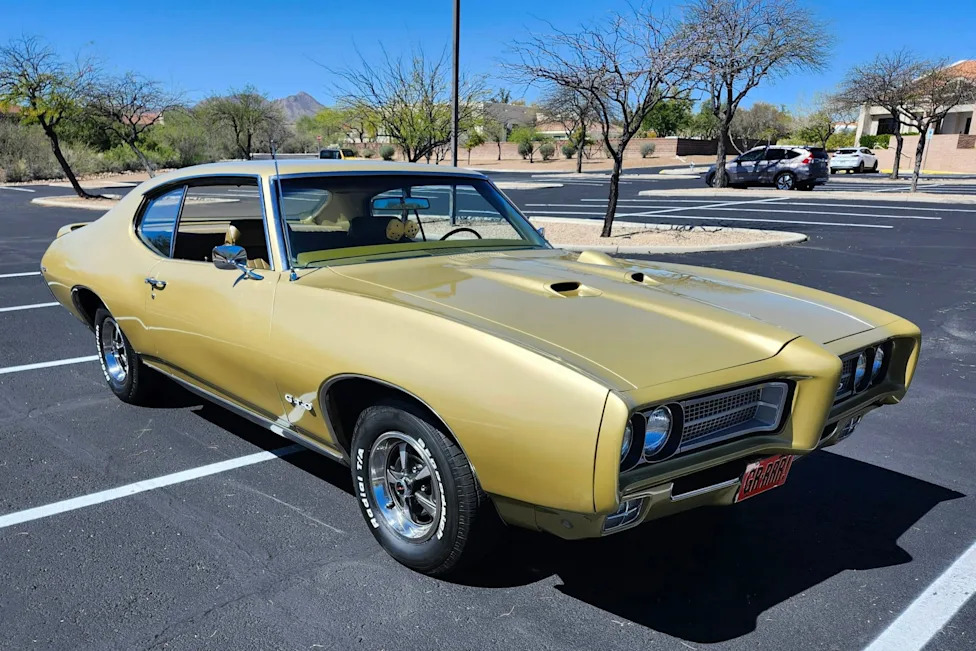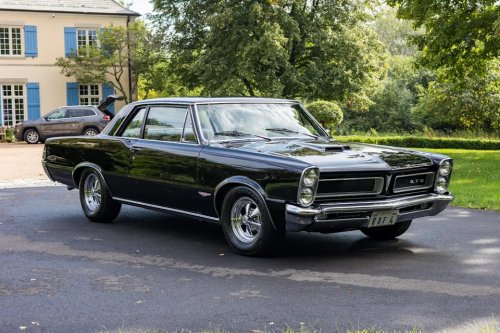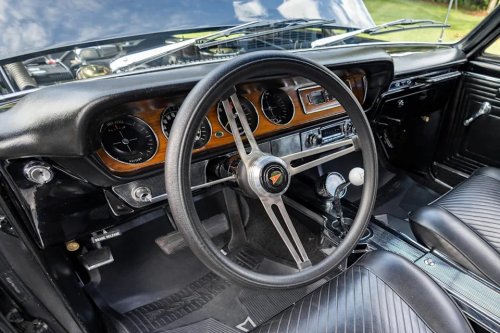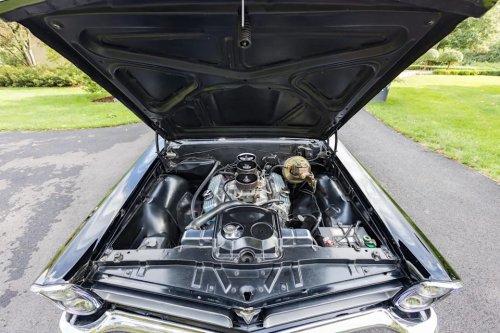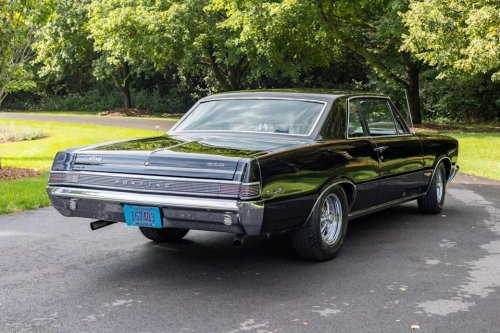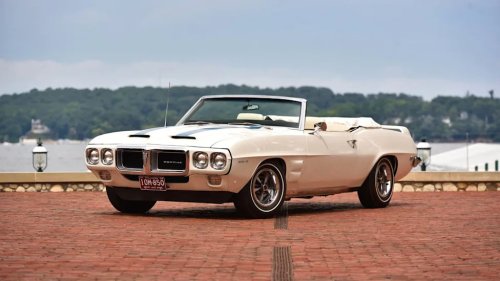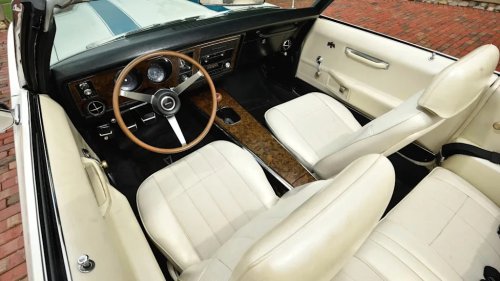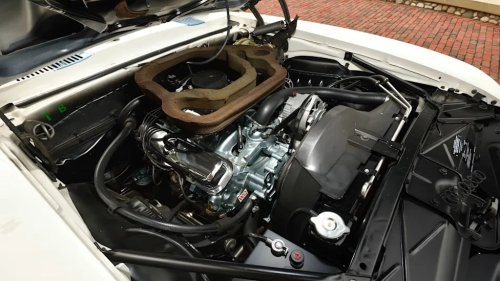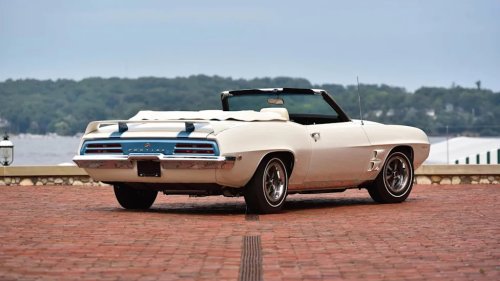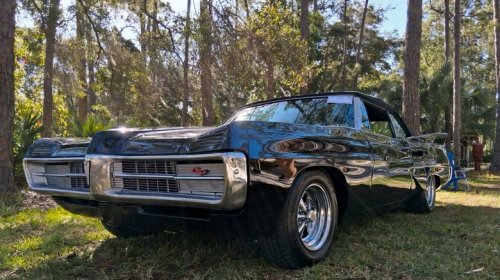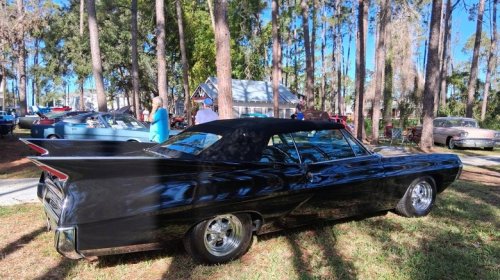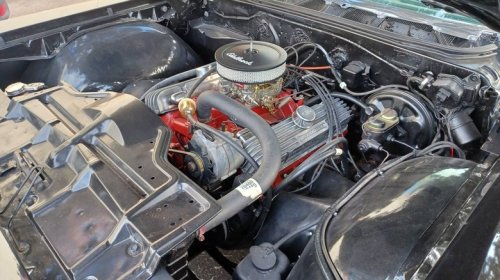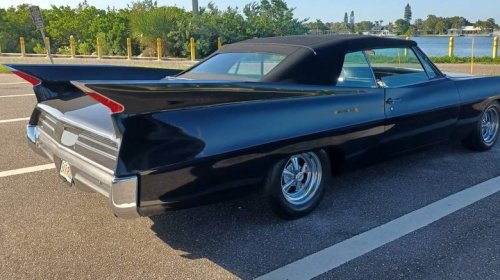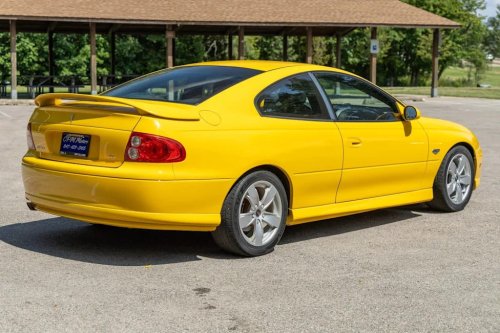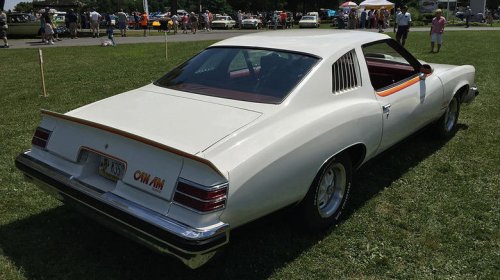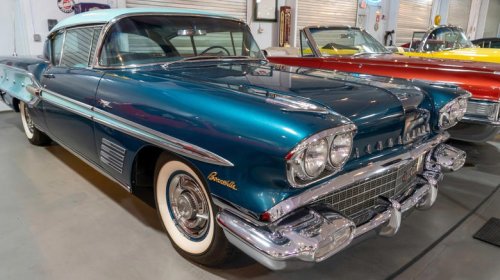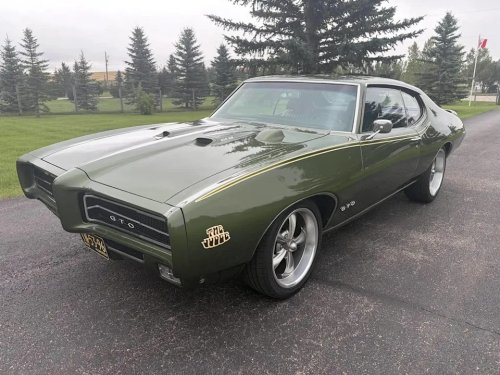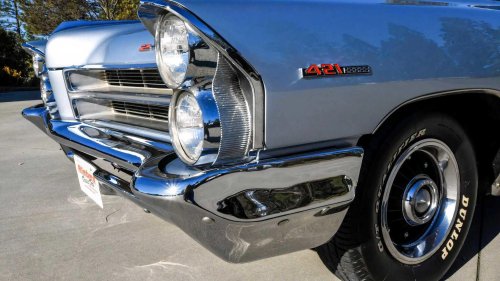
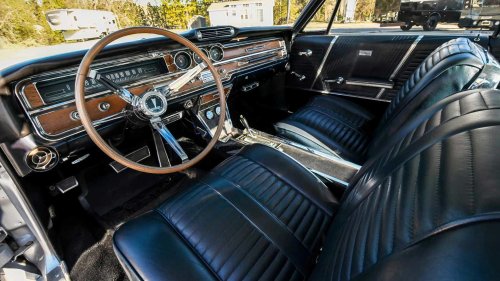
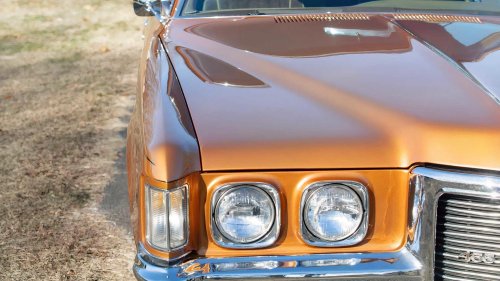
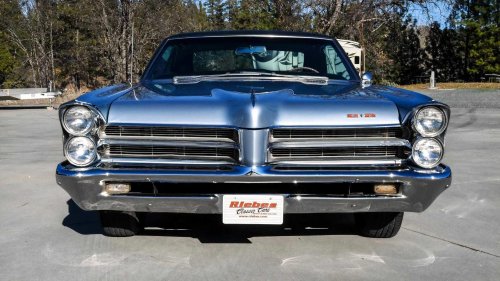
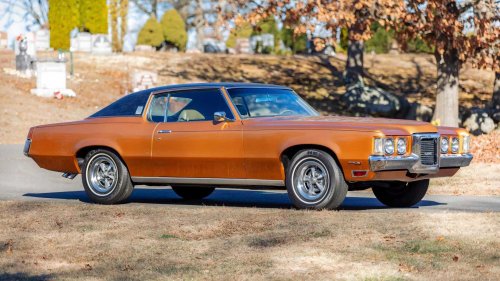
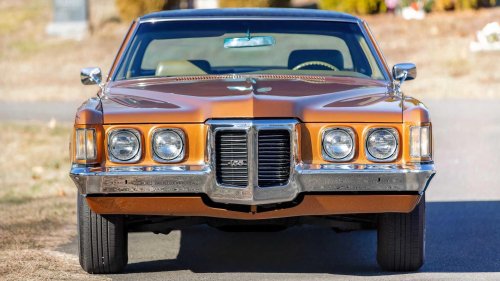
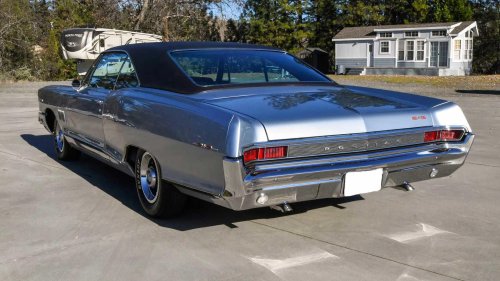
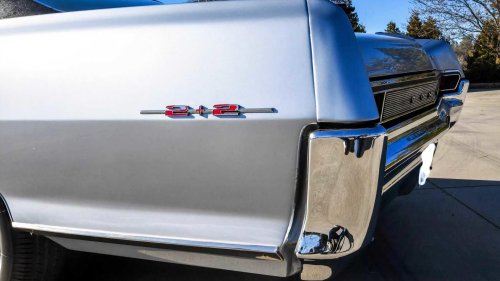



















If you look back at the history of muscle cars, some just never have to fight for attention. They roll into an auction catalog with the right badge, the cool stripes, and more than enough mythology, and the money usually follows.Pontiac has a few coupes from that same era that don’t get that automatic reaction, even though they bring the kind of V8 hardware and rep collectors usually claim to love.That’s where things get interesting. The famous names have become expensive, familiar, and in some cases, almost too obvious. The less-seen Pontiacs still carry real performance, but they ask buyers to look a little harder. For the right person, that's just what's required. Pontiac’s Other Muscle Cars Got Buried By Its Own Legend Bring A TrailerIt's common knowledge, but Pontiac built one of the strongest performance identities of the '60s, then accidentally made life difficult for some of its own cars. Once the Pontiac GTO became the brand’s muscle-car shorthand, everything else had to fight for oxygen. That’s weird to think of, but car history is full of those.The full-size Pontiacs had an even tougher job. They were bigger, calmer-looking, and less obvious than the intermediate cars that turned stoplight take-offs into a full-time personality. A large Pontiac coupe didn't always shout like a Chevelle SS or an Oldsmobile 442. It looked more mature, which, in muscle-car circles, can be both a strength and a weird social handicap. Outside A Casual Buyer's Comfort Zone Bring A TrailerChevrolet also owned the easy mainstream conversation. Parts, scale, racing lore, and decades of fan loyalty kept Chevy in the spotlight, while Pontiac’s less familiar coupes often sat one layer deeper in the market. They had the hardware, but they didn’t always have the same instant recognition.Pontiac’s disappearance only sharpened that divide. The brand now carries solid nostalgia, but some of its most interesting cars remain outside the casual buyer’s comfort zone. That’s where the smarter hunt begins, because the cars everyone overlooked are often the ones with the best stories left to tell. Smart Money’s Looking Past The Obvious Badges Bring A TrailerThe old collector formula still works: buy the famous trim, get the famous engine, choose the famous color, and wait for someone at a gas station to mention the one their uncle had. Nostalgia remains undefeated, mostly because it has better marketing than common sense.But the second layer of the market's started looking more interesting. Pontiac’s forgotten V8 coupes bring undeniable performance, big displacement, and proper brand character without always carrying the same price pressure as the obvious choices. This makes them even more relevant when the familiar Muscle Cars have already climbed into serious-money territory.There’s also value in owning something that makes people ask questions. A less-seen Pontiac coupe doesn’t always register instantly, and that’s part of the fun, honestly. People look at the badge, the stance, the engine callouts, and then the conversation starts. For many collectors, that’s better than owning the 14th car in a row that everyone already recognizes from 30 feet away. The Catalina 2+2 Is The Big Pontiac Everyone Slept On Bring A TrailerThe Pontiac Catalina 2+2 makes the strongest case for this forgotten-coupe argument. It arrived for 1964 as an option package on Catalina hardtops and convertibles, bringing bucket seats, a center console, special trim, badging, and a 389-cubic-inch V8. Pontiac built 7,998 that first year, so it was already far from common.The car got much more serious in 1965. The 2+2 gained a standard 421-cubic-inch V8 rated at 338 hp, along with a three-speed manual with a Hurst shifter, heavy-duty suspension, dual exhaust, and a 3.42:1 performance rear axle. People could also choose a four-speed manual, Turbo Hydra-Matic automatic, limited-slip differential, eight-lug wheels, and Tri-Power 421 options rated as high as 376 hp. That's a big car with a serious performance agenda.With the Tri-Power 421 High Output engine and a four-speed, the 2+2 could run the quarter-mile at roughly 95 mph, while 0-60 mph fell in the 7.2-to-8.1-second range depending on setup. For a big Pontiac weighing roughly 4,000 pounds, that's impressive.The 2+2 became its own model for 1966, then returned to Catalina option-package status for 1967 with a standard 428ci V8. Across 1965 through 1967, only 19,672 Catalinas carried the 2+2 package. All in, this was a low-volume, big-engine Pontiac with real muscle credentials. The Grand Prix SJ Made The Same Case In A Sharper Suit Bring A TrailerThe Grand Prix SJ carried a similar idea into a more polished shape. Pontiac’s 1969 redesign gave the Grand Prix its long-hood, short-deck profile, and the SJ package added enough mechanical substance to keep it from becoming just another personal-luxury coupe with nice seats and a confident grille. More Expensive Than Aggressive Bring A TrailerFor 1969, the SJ came with a standard 428ci V8 rated at 370 hp. From 1970 through 1972, the SJ moved to astandard 455 V8, rated at 370 hp in 1970, 325 hp in 1971, and 250 hp net in 1972 as compression and rating methods changed. The numbers shifted, but the basic appeal stayed the same: big Pontiac torque in a coupe that looked more expensive than aggressive.The SJ package also brought heavy-duty suspension, Rally instrumentation, specific badging, and upscale trim. The Turbo-Hydramatic 400 automatic fit the car’s grand-touring personality, but early four-speed cars exist in much smaller numbers and carry a stronger collector pull. Find a well-documented '69 SJ with the 428 and a manual transmission and it's exactly the sort of specification that turns a nice old Pontiac into something worth pausing over. The Best Pontiac Buy Is The One People Still Underestimate Bring A TrailerThe best forgotten Pontiac V8 coupes work because they offer more than a pricing argument. Value matters, obviously. Nobody wants to overpay unless the car comes with a time machine and a trunk full of original parts. But the deeper appeal is the feeling of finding an alternate path through muscle car history, and the numbers are starting to support that idea.A '66 Pontiac Catalina convertible with the 389ci V8 sits at $44,400 in impeccable condition. That keeps the ordinary full-size Catalina world relatively approachable, which matters because the hotter Catalina 2+2 shares the same broad big-car Pontiac appeal with a much stronger performance story. Under The Radar Bring A TrailerThe 1969 Pontiac Grand Prix Model SJ shows the other side of the market. With its 428 V8 rated at 370 hp, you'd be coughing up close to $100,000 for one that's pristine. The year-over-year movement is even more interesting, with excellent-condition cars up 12 percent. That’s the market starting to separate the special cars from the regular old-coupe crowd.That explains why the Catalina 2+2 and Grand Prix SJ make so much sense now. They’re tied directly to Pontiac’s best performance years, but they still feel personal, unusual, and slightly under the radar. The lucky owner gets big-inch V8 character, real rarity, and the fun of explaining the car to people who didn’t see it coming.Sources: Hagerty, HowStuffWorks, Hemmings, MotoGallery.