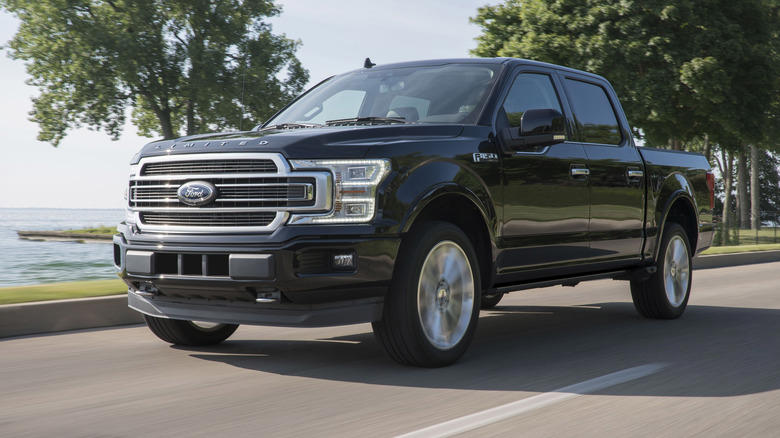
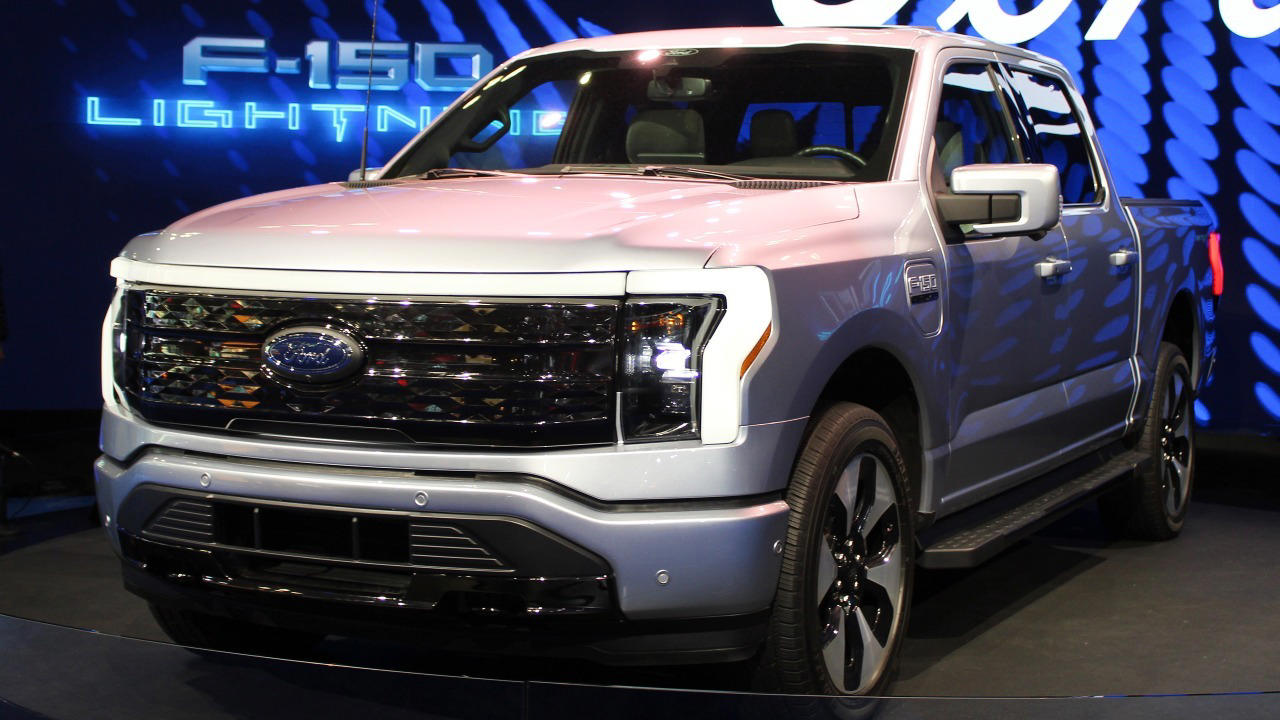
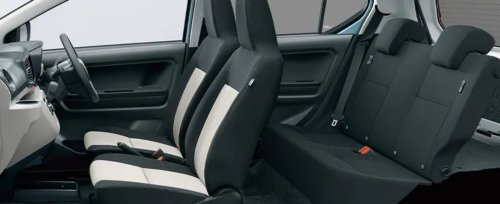
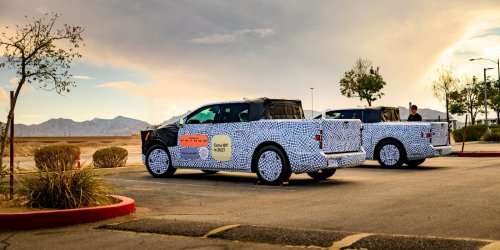
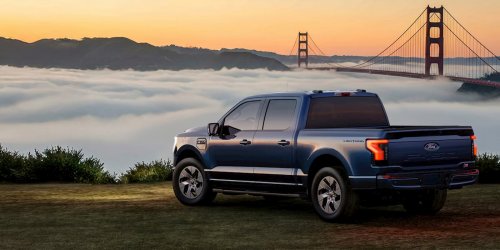
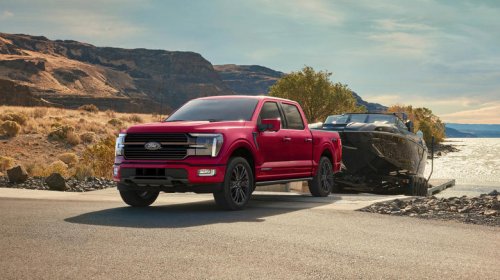
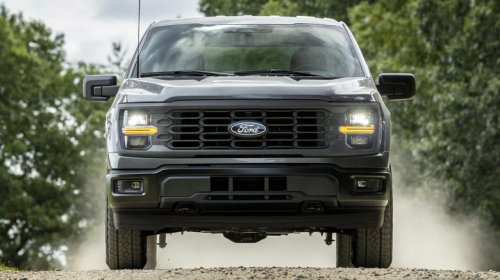
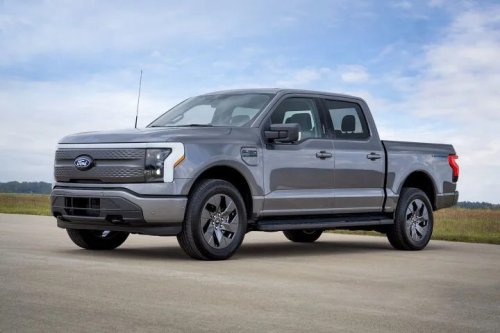
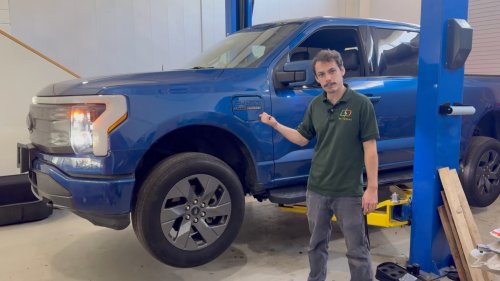
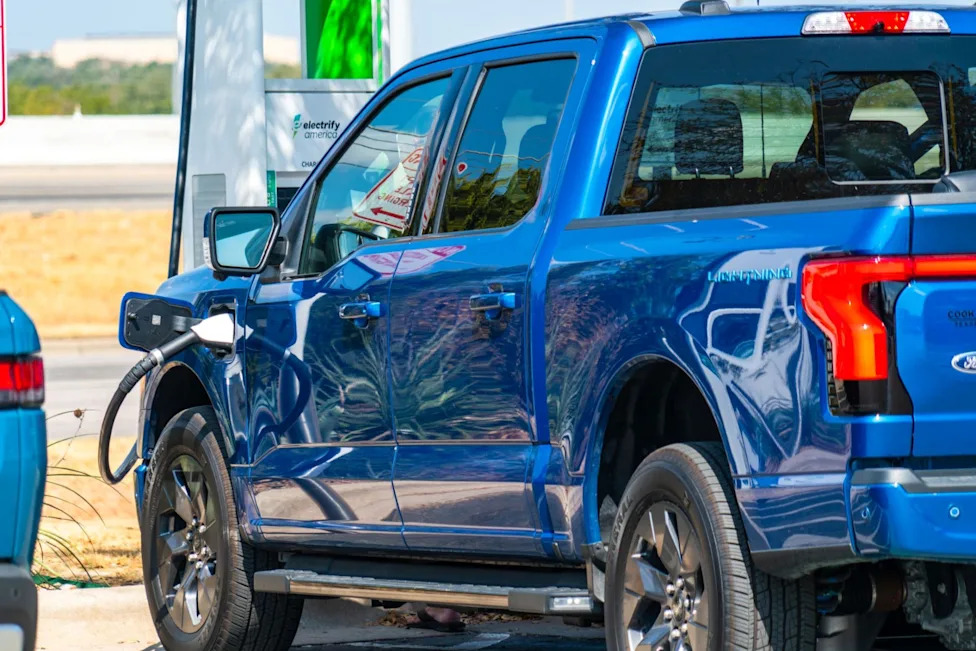
Photo Credit: iStockA Ford F-150 Lightning owner says a 6,900-mile road trip came with only two charger-related snags, offering a striking real-world example for drivers who still worry an EV can't handle long-distance travel.The trip also tested comfort, charging flexibility, and overall road-trip practicality.Here's what to knowIn a post on the r/F150Lightning forum on Reddit, the owner said the truck had been purchased in late June and then taken on its first major outing, which covered 6,900 miles.Efficiency was higher in denser areas, where they said the truck returned 2.7-3.2 miles per kWh. On highways, they usually set cruise control between 55 and 68 miles per hour, and the full-trip average came to 2.0 miles per kilowatt-hour.Charging trouble came up only twice during the trip."There were only 2 times I ran into issues finding a charger, and it was largely due to the charger I was planning on using being out of order combined with needing to check multiple apps to find charging locations," they wrote. "There was stress but I was able to find somewhere to charge."When another commenter asked where those issues happened, the original poster replied they occurred in "Oklahoma and Rhode Island."Another point in the thread was price flexibility. One commenter who got their truck in 2022 wrote, "Now there's actually options and I find I'm planning my route more so to get the best price than because I need to."More backgroundFor overnighting in the truck, they flipped up the rear seats, used a 1 1/2-inch insulation board to flatten the floor, and placed 4 inches of memory foam on top. "It was quite comfortable," they recalled.While the owner did not provide a dollar estimate for any lodging savings, they said, "The ability to use the heat or a/c while sleeping was a huge plus."They also revealed that cruise control became less irritating once lane-keeping assist was turned off. They "got annoyed" by repeated alerts about hand placement and "watch the road" warnings when taking a drink.What can be done?Planning still matters, especially on less-traveled routes."Living in the mountain west 100+ miles between single chargers is pretty common so I always have bailouts and alternates routes mapped just in case," a commenter shared.That strategy closely matched the original poster's experience in Oklahoma, where they took a more scenic route with fewer places to charge.Several commenters also pointed to helpful tools. The original poster said they had to check multiple apps, while another commenter recommended ABRP after completing a roughly 1,500-mile trip without charger issues.That same commenter noted that the app may surface some Tesla stations accessible only through Tesla's app, but said downloading it solved the problem.Rhode Island was another weak spot, the original poster said, adding that "charging at home is the way to go" there because the state had few true fast chargers and some damaged touch screens.After nearly 7,000 miles of driving and camping, though, the owner's conclusion was simple."Overall it was a great vehicle for the trip and I'll be making more road trips in it without hesitation," they wrote.Where can I learn more?Those charger hiccups reflect a broader reality for EV drivers, especially on road trips where charging access can still be uneven.• Across the U.S., drivers still juggle 8 charging apps, 2 adapters, and mystery prices.• In Los Angeles, a concerning trend at EV charging stations is raising repair costs.• Many EV drivers say level 2 charging, where cars sit overnight, would ease road-trip pressure.Get TCD's free newsletters for easy tips, smart advice, and a chance to earn $5,000 toward home upgrades. To see more stories like this one, change your Google preferences here.


















 +26 others