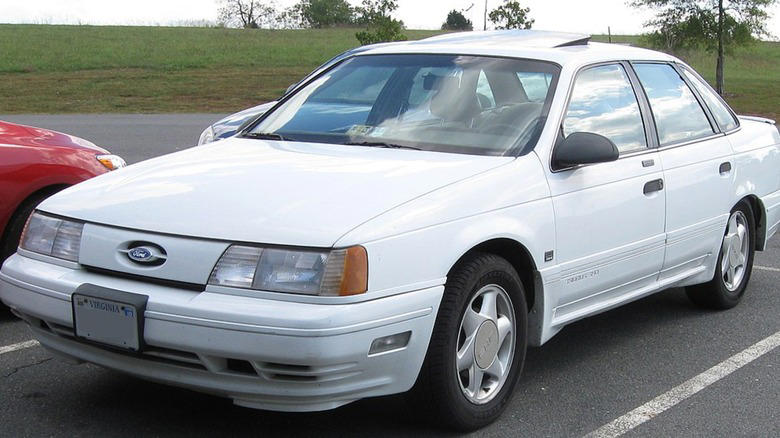
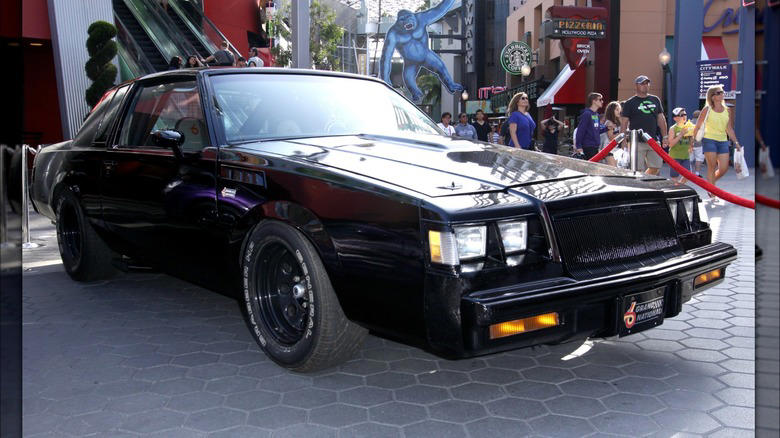
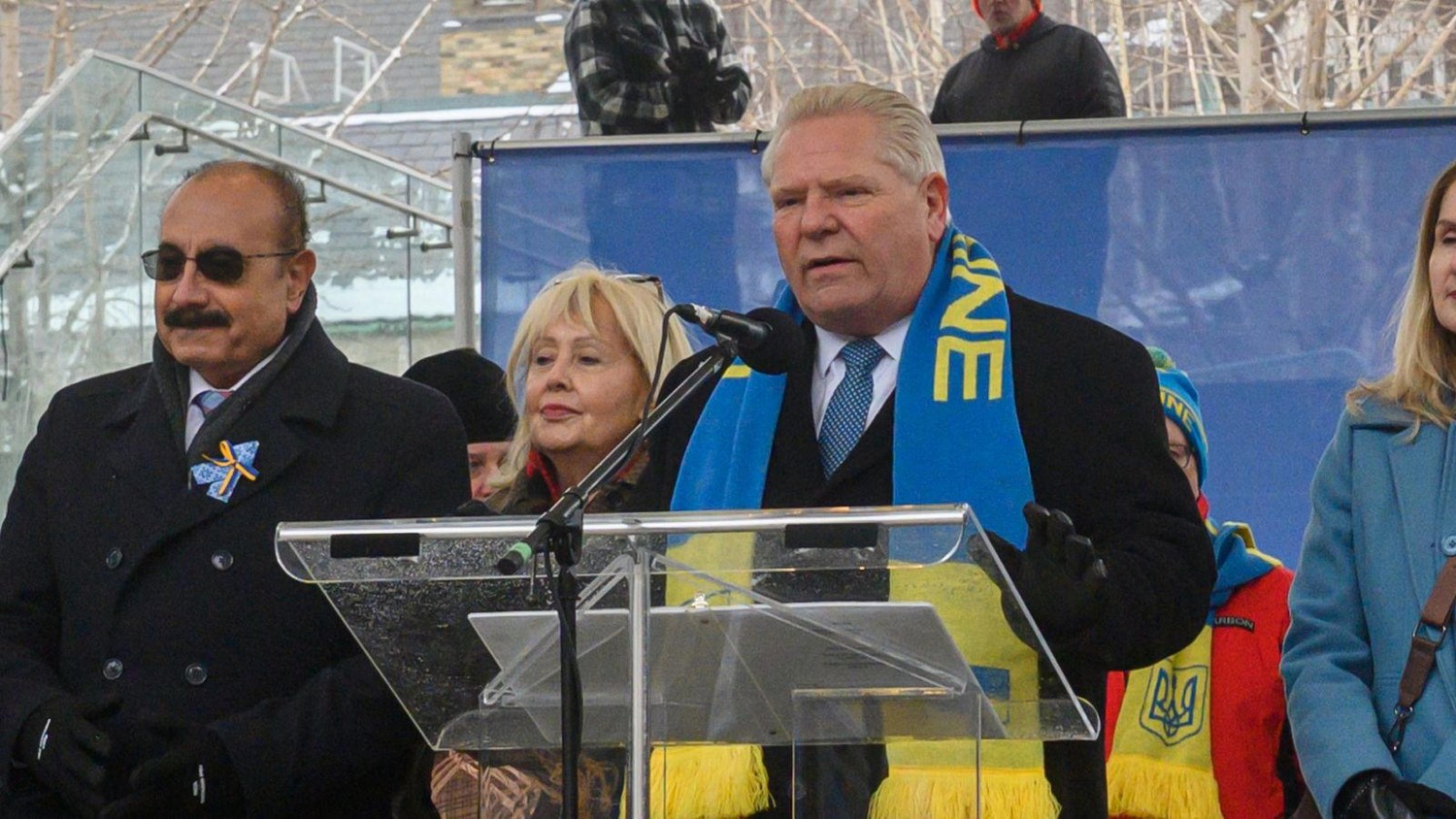
More than 2,000 autoworkers in Brampton, Ontario, remain caught in a growing political and industrial dispute as Premier Doug Ford and the federal government disagree over how much more taxpayer money should be offered to Stellantis. With the automaker planning to sell its idled Brampton assembly plant to Canadian defence manufacturer Roshel, Ottawa is pushing an aggressive rescue package while Ford questions whether additional provincial funding should be committed without firm job guarantees. The stakes extend far beyond one factory. Workers have been waiting nearly three years to return, billions of dollars in broader automotive investment commitments are under scrutiny, and Canada's ability to protect domestic vehicle manufacturing faces another test. As government officials prepare for another meeting with Stellantis leadership, the central question is whether public money can still secure a future for Brampton's automotive workforce. Nearly Three Years Without a Clear Future for Brampton Workers The uncertainty surrounding Stellantis' Brampton assembly plant began in December 2023, when production stopped to prepare the facility for a new generation of vehicles. More than 2,200 members of Unifor Local 1285 were placed on layoff, expecting that the factory would eventually resume operations. The plant had previously produced familiar vehicles such as the Dodge Charger, Dodge Challenger and Chrysler 300. Instead of reopening as planned, the facility remained inactive after Stellantis suspended its retooling program in February 2025. For affected families, the consequences have extended well beyond lost working hours. CityNews reported in April 2026 that more than 200 Brampton employees had relocated to Windsor for work. One of them, longtime Brampton resident Nathan Reilly, moved approximately 350 kilometres with his family after spending years at the assembly plant. His experience illustrates the personal cost of prolonged uncertainty. Even if production eventually returns, families that have relocated, changed careers or established new routines may find it difficult to return to their former lives. Ford Pushes Back as Ottawa Demands a Joint Rescue Effort Ontario Premier Doug Ford has adopted a cautious position on providing additional taxpayer funding to Stellantis. Speaking on November 16, Ford indicated that his government would consider discussions if the automaker committed to employing approximately 3,000 to 4,000 people at the Brampton facility. However, he stopped short of promising new provincial assistance. His position contrasted with comments from Ontario Economic Development Minister Vic Fedeli, who had publicly discussed financial support as part of efforts to prevent the factory's sale. The disagreement became more visible on November 18, when Ford emphasized that Ottawa should take the leading role in negotiations because federal money had already flowed to Stellantis. Federal Industry Minister Mélanie Joly responded by insisting that Ontario and Unifor must also participate in securing a solution. Both governments say they want manufacturing jobs restored, but their approaches differ over financial responsibility and negotiating leverage. For workers awaiting a decision, these competing positions introduce another layer of uncertainty into an already prolonged dispute, particularly when the company has yet to commit to restarting vehicle production. Ottawa's Rescue Package Raises Questions About Additional Public Spending Federal officials have outlined a potential rescue strategy designed to persuade Stellantis to reconsider selling the Brampton plant. On November 13, Joly described what she called an aggressive package involving government support and alternative production scenarios. Fedeli indicated that proposals developed with Unifor could help keep the facility ready for future manufacturing while negotiations continue. The objective is to prevent permanent closure before another vehicle program can be assigned to Brampton. Financial assistance could potentially come from an $8.7-billion federal-provincial support package announced in October 2026 for industries facing trade pressures. Approximately $2.5 billion of that broader package was designated for automotive-sector assistance over two years, including $1 billion from Ontario. However, that funding is not an automatic payment to Stellantis, and officials have not disclosed the specific amount being considered for Brampton. The distinction matters because a general industrial support program is different from a negotiated subsidy tied to one company's employment commitments. Any additional assistance would raise questions about production targets, repayment requirements and what taxpayers would receive in return. More Than $1 Billion Was Previously Promised to Stellantis The current dispute is especially sensitive because Stellantis has already benefited from substantial government investment commitments. In May 2022, Ottawa announced up to $529 million in federal support for a $3.6-billion modernization project involving the company's Windsor and Brampton operations. Ontario separately committed up to $513 million. The investments were intended to support flexible manufacturing facilities capable of producing electrified vehicles, while preserving important automotive employment in Canada. Ontario's original commitment included up to $132 million specifically for Brampton's retooling. However, provincial officials now emphasize that none of that Brampton-specific funding was paid to the company. Ford has pointed to this distinction when arguing that the federal government bears greater responsibility for pursuing repayment and enforcing existing agreements. Ontario has acknowledged providing approximately $55 million for work at Stellantis' Windsor facility. The difference between funding announced, money actually disbursed and obligations attached to those payments is essential. Public commitments exceeding $1 billion do not mean that the entire amount was transferred to Stellantis, nor that every payment was connected exclusively to Brampton. Stellantis Offers $24 Million While Ottawa Threatens Legal Action The financial confrontation intensified on November 12, when Joly issued a formal notice alleging breaches of Stellantis' 2022 federal funding agreement. According to the notice, the company failed to deliver the expected Brampton production program, did not identify an acceptable replacement vehicle and moved toward closing the facility. Stellantis was given 30 days to demonstrate corrective action. Ottawa warned that unresolved breaches could lead to termination of the agreement, repayment demands and potential legal proceedings. Stellantis has offered to return approximately $24 million in federal funding associated with Brampton's original retooling plan. Joly maintains that the company's obligations extend further because the agreement also covers Windsor-related investments. Federal records previously identified more than $222 million disbursed under the broader Windsor-Brampton project. The government argues that hundreds of millions of dollars could be at issue, while Stellantis maintains a narrower interpretation of what should be repaid. Those competing positions have not been resolved by a court. The legal outcome will depend on the agreements' specific conditions, the company's contractual obligations and whether any alleged breaches are corrected. The Jeep Compass Decision Shifted the Manufacturing Battle to Illinois Brampton's future became increasingly uncertain after Stellantis redirected its planned Jeep Compass production to the United States. In October 2025, the automaker announced a US$13-billion investment program intended to expand its American manufacturing operations over four years. The strategy included reopening its Belvidere Assembly Plant in Illinois to manufacture the Jeep Cherokee and Compass, with approximately 3,300 jobs expected at that facility. For Brampton employees, the announcement meant the vehicle they had been preparing to build would instead support employment across the border. The decision unfolded during heightened Canada-U.S. automotive trade tensions. American tariffs increased the cost of some Canadian-made vehicles entering the United States, making manufacturing location an important factor in investment decisions. Ottawa responded to Stellantis' production changes by cutting the company's Canadian automotive tariff-remission quota by 50% in October 2025. That measure reduced tariff relief available under a program linked to domestic production commitments. The episode illustrates how trade policy, corporate investment decisions and government incentives increasingly intersect, leaving Canadian communities competing with American manufacturing centres for future vehicle programs. Roshel Promises New Manufacturing Jobs, but Important Guarantees Are Missing Stellantis announced on November 9 that it had signed an asset purchase agreement to sell the Brampton assembly plant and associated equipment to Roshel, a Canadian manufacturer specializing in armoured vehicles and defence technology. The purchase price was not disclosed, and the transaction is expected to close before the end of 2026, subject to applicable conditions. Roshel has proposed turning the facility into an advanced automotive and defence manufacturing centre, potentially restoring productive industrial activity to a factory that has remained inactive for years. Roshel founder and CEO Roman Shimonov has said the development could eventually create more than 2,000 jobs, with laid-off Brampton employees receiving priority consideration during hiring. Nevertheless, that proposal does not guarantee the reinstatement of every former Stellantis worker, preservation of existing wages or continuation of the same collective agreement. Shimonov also told Reuters that Roshel was discussing possible civilian vehicle production with other automakers. Those plans create potential opportunities, but they remain distinct from confirmed production contracts. Unifor argues that replacing an established automotive assembly operation with a different industrial employer cannot automatically be considered an equivalent outcome, particularly when workers' existing employment protections remain unresolved. Unifor Rejects Closure as Negotiations Reach Another Critical Stage Unifor has remained strongly opposed to Stellantis' plan to leave Brampton. The union represents more than 9,000 Stellantis workers across Canada, meaning the dispute affects negotiations involving other company facilities, including Windsor Assembly and Etobicoke Casting. Contract discussions reached an impasse in September 2026, with job security and the proposed Brampton closure among the central disagreements. In October, 97.3% of participating union members supported a strike authorization, although that vote did not automatically trigger a walkout. A significant new development emerged on November 18, when Unifor disclosed that Stellantis had presented a proposed Brampton closure agreement during discussions held the previous day. The union had not accepted the proposal and reiterated its opposition to shutting down and selling the factory. This development suggests that Stellantis continues to pursue a negotiated closure even as government representatives attempt to preserve automotive production. For employees who have already spent nearly three years away from their jobs, the negotiations are about more than immediate compensation. Pension arrangements, future employment opportunities, income security and the preservation of unionized manufacturing work remain central concerns. Brampton's Economic Exposure Extends Beyond the Assembly Plant The Brampton facility has been an important part of the city's manufacturing economy for decades. Before production stopped, the plant supported approximately 3,000 employees and maintained commercial relationships across automotive parts manufacturing, transportation and specialized industrial services. The consequences of losing a major assembly operation can extend to suppliers that depend on regular vehicle production orders. Across Canada, federal industry figures show that automotive manufacturing supported more than 121,000 direct jobs in 2025, with nearly 700 automotive parts manufacturers forming part of the national supply chain. Brampton municipal officials have attempted to protect the facility's industrial purpose. In February 2026, city council unanimously approved a motion directing planning measures to preserve the property at 2000 Williams Parkway for automotive assembly and related manufacturing activities. Such protections reflect the city's determination to retain high-value industrial employment, although municipal planning decisions alone cannot force Stellantis to assign a vehicle to the factory. The broader concern is that once automotive assembly disappears from an established manufacturing location, restoring the necessary suppliers, equipment investment and skilled workforce becomes increasingly difficult. The Next Stellantis Meeting Could Determine Whether Brampton Gets Another Chance Government officials and union representatives are preparing for another meeting with Stellantis global CEO Antonio Filosa on Friday, November 20. The discussions follow an unsuccessful November 12 meeting involving Stellantis Canada leadership, federal representatives, Ontario officials and Unifor. Joly wants the company to reconsider the Roshel transaction, while Ford has emphasized the importance of securing substantial employment commitments before committing additional provincial support. The union is seeking a result that preserves automotive assembly and addresses the obligations Stellantis already has to its workers. Several possible outcomes remain under discussion, but no agreement to restore Brampton vehicle production has been announced. Stellantis could reconsider its sale, governments could negotiate additional conditional support, or the company could continue toward transferring the site to Roshel while addressing outstanding labour and funding disputes. Ottawa's 30-day notice also creates a separate legal deadline for resolving alleged contractual breaches. Ultimately, success will depend on enforceable commitments rather than expressions of support. For Brampton's workers, the most meaningful outcome would be a credible production plan, defined employment guarantees and a clear timetable for putting their manufacturing skills back to work.

 Liked by Ryan Lavoie, Olivia Martin
 Liked by Ryan Lavoie, Olivia Martin