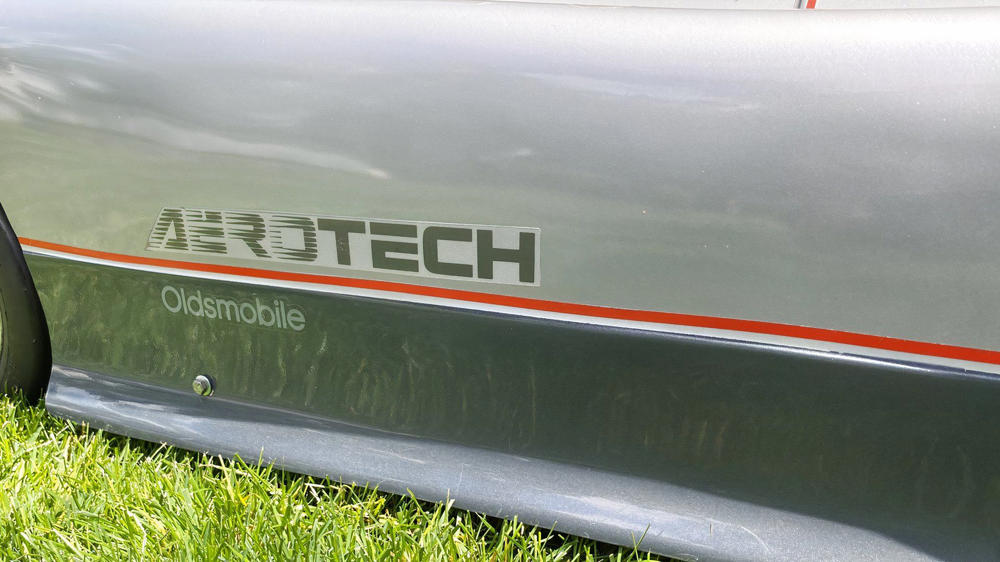
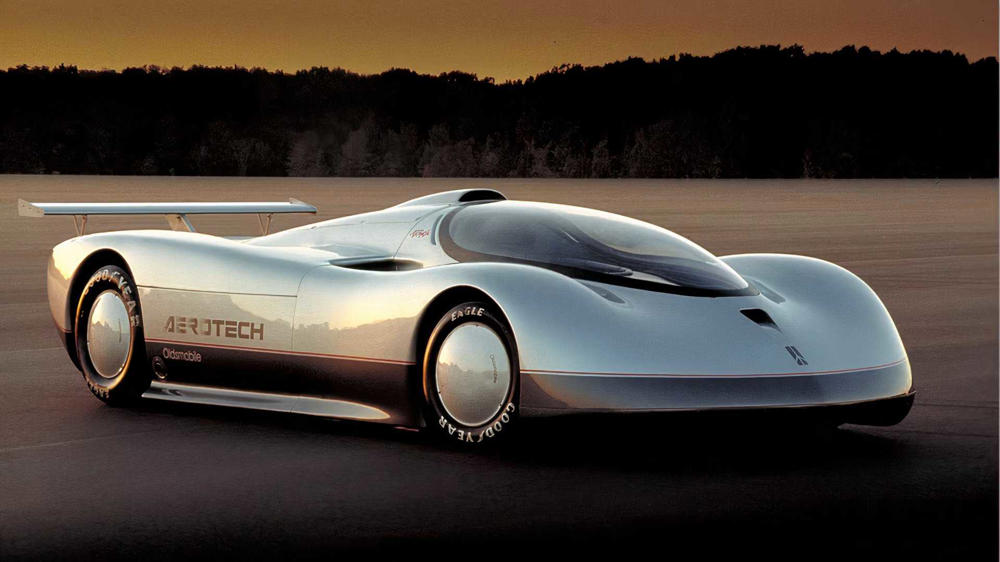
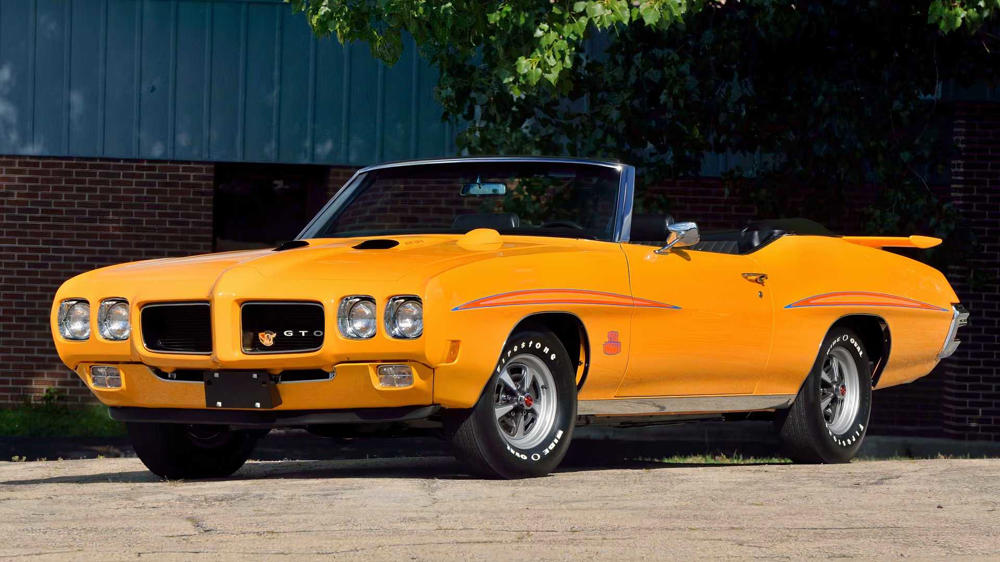
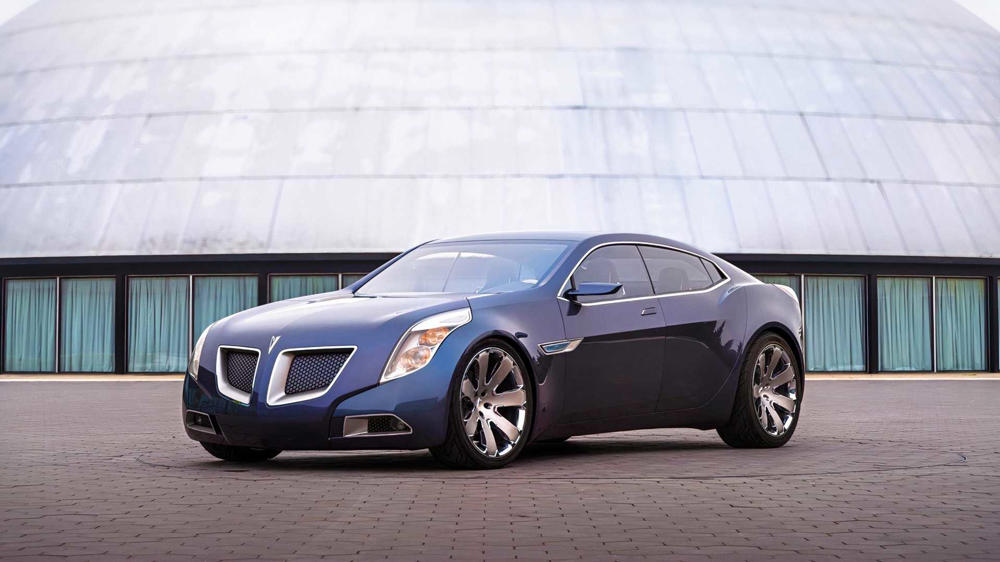
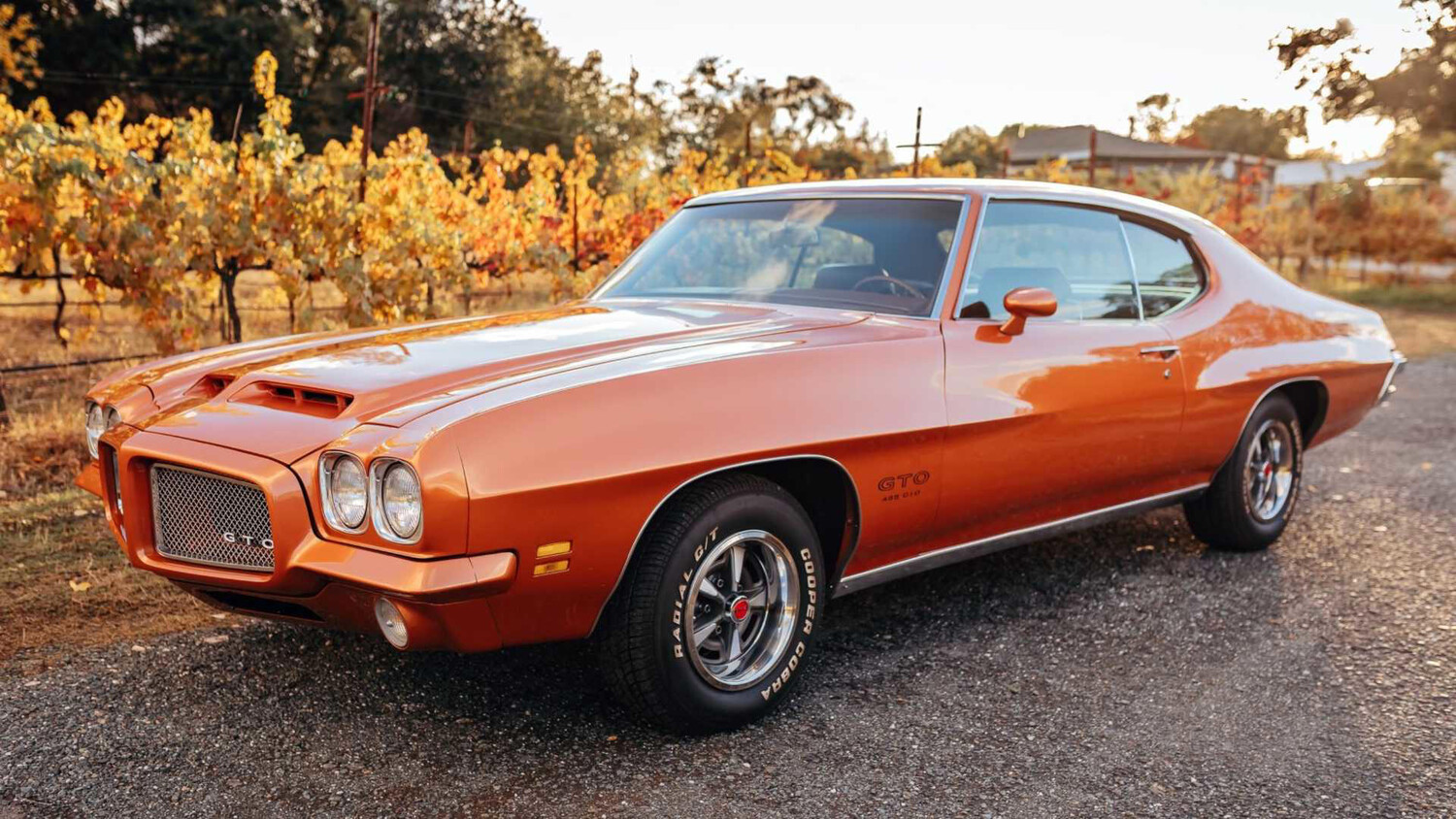
General Motors once had a division capable of powering a car to a 257.123-mph closed-course record in 1987 with a four-cylinder engine. That is an impressive achievement for an engine family better known in production cars for noise and vibration complaints. The record-setting version, however, was a very different machine from the one drivers could buy at a dealership. Its story belongs to a GM division with a long engineering history, one that was already losing its identity inside a company whose brands increasingly shared platforms, parts, and showroom space. The record car showed what its engineers could do. It could not change what GM had planned for the division. A Four-Cylinder Engine Helped Power A 257-MPH Record-Breaker The Quad 4 engine was introduced for the 1988 model year. It was an ambitious design for a mainstream American automaker: a 2.3-liter, dual-overhead-cam four-cylinder with four valves per cylinder. In production form, it offered modern technology and useful power, but it also developed a reputation for noise, vibration, and harshness. Those complaints helped shape its reputation, although they do not tell the whole story of the engine. The record-setting unit was something else entirely. Engineers modified the Quad 4 for a purpose-built speed machine, with reported output in the neighborhood of 900 to 1,000 horsepower. That figure should not be confused with the output of a showroom engine. The record car also benefited from specialized construction and aerodynamic development, so its achievement was not proof that an ordinary Quad 4 could deliver the same performance. That distinction matters because the Quad 4 has attracted two very different assessments. It was an important technical step for GM, but production versions could be rough and were not universally loved. The modified engine's performance does not erase those shortcomings, just as the production engine's faults should not diminish what the engineers achieved with the record program. The 1987 Oldsmobile Aerotech Showed What The Brand Could Still Do The 1987 Oldsmobile Aerotech is a sleek experimental machine developed to demonstrate GM engineering and set high-speed records. On August 26, 1987, an Aerotech driven by A.J. Foyt recorded a 257.123-mph closed-course speed at Fort Stockton, Texas, giving the division one of its most memorable engineering achievements. It was a striking result for a brand whose public image was increasingly tied to conventional family cars. A Million-Car Brand Was On Its Way Out Oldsmobile had once been a major part of GM's lineup. One frequently repeated figure puts its 1985 sales at 1,066,122 vehicles, although that total has not been independently confirmed. By the late 1990s, the division was struggling to maintain a clear identity as GM's brands shared more designs and competed for similar buyers. GM announced Oldsmobile's phaseout in December 2000. The final car, an Alero, rolled off the line on April 29, 2004. The Aerotech showed the division's technical ambition, but it could not reverse years of commercial and corporate decline. Pontiac Lost Its Performance Identity Before GM Shut It Down Pontiac had a stronger performance image, built over decades by cars such as the GTO and Firebird. But that identity became harder to maintain as its lineup moved toward shared GM platforms and rebadged Chevrolet models. The G3 was based on the Aveo, while the G5 shared its underpinnings with the Cobalt. Those cars gave Pontiac entry-level products, but they also made the brand harder to distinguish from its corporate sibling. The GTO And G8 Showed Pontiac Still Had Something To Offer The 2004 GTO and later G8 complicate the idea that Pontiac simply ran out of good cars. Some contemporary commentary described the GTO and G8 as sales disappointments. The New York Times, however, praised the G8 GXP as a genuinely good car that arrived too late to save the division. Both views can coexist: strong products do not automatically make a healthy brand, especially when buyers and dealers have little clarity about what separates it from the rest of the lineup. Pontiac production ended in 2009, with dealer franchise agreements expiring in October 2010. Buick Survived Because GM Still Had A Strong Market For It Buick escaped the cuts partly because it had a stronger position in China, where the name carried prestige and had a substantial customer base. That gave GM a reason to keep investing in the brand while Oldsmobile and Pontiac struggled to justify their places in the company's North American lineup. GM was also shrinking its dealer network as part of a much larger restructuring, so the decisions were about finances, capacity, and future market opportunities as well as product identity. GM's Brand Cuts Were About More Than The Car Badge engineering and overlapping lineups weakened the differences between GM divisions, but they were not the only causes of the closures. The recession and GM's financial crisis accelerated decisions that had been building for years. Still, there is something difficult to ignore about the contrast. The Oldsmobile Aerotech proved that its engineers could build a 257-mph record car around a four-cylinder engine. GM chose to close the division anyway, leaving that achievement as a reminder of what the brand was capable of before the company decided it no longer had a place. Sources: GM Media Archives

 Liked by Nicole Walker, Mason Morgan





























 Liked by Nicole Walker, Mason Morgan