TOKYO – Mitsubishi Motors Corp. cut its full-year profit forecast on Nov. 6, saying the Middle East conflict is undercutting sales and driving up costs. The Japanese carmaker now expects operating profit to decline 7.3 percent rather than expand as previously predicted.
Higher fuel prices stoked by the war have, meanwhile, fanned demand for electrified vehicles in markets such as Southeast Asia, where Mitsubishi has a limited array of hybrid offerings.
Mitsubishi’s revision has operating profit declining to ¥70 billion ($444.8 million) in the current fiscal year ending March 31, from ¥75.5 billion ($479.8 million) the year before.
In August, the company predicted profit would grow 19 percent to ¥90 billion ($571.9 million).
Mitsubishi also downgraded its net income outlook to be flat with the previous year. It had earlier expected net income to more than double in the current fiscal year.
Keep up with product planning news with Automotive News' regularly updated database.
Future Product database: 5-year vehicle timelines
Future Product guide: Our 10-week series on future products by brand
In announcing financial results, COO Keisuke Kishiura said Middle East disruption will dent full-year operating profit by ¥45 billion ($285.9 million), including lost sales and higher transportation and raw material costs. The reversal shows how the lingering conflict continues to affect auto industry costs and demand, while Mitsubishi lags rivals in hybrids and electric vehicles.
“Our initial plan assumed that the Strait of Hormuz would reopen by the end of June and that the series of disruptions would subside by the end of July,” Kishiura said. “As you know, unfortunately, the conflict in the Middle East continues to this day.”
Mitsubishi dialed back its outlook despite announcing a 75 percent surge in operating profit and narrower net loss for the fiscal second quarter ended Sept. 30.
Sign up for Automotive News’ quick rundown every business afternoon of the top five stories of the day, along with the day’s market gainers and losers.
Gains from favorable foreign exchange rates helped Mitsubishi offset softening sales in the company’s fiscal first half. But deteriorating deliveries, higher shipping costs and inflation will undermine full-fiscal year earnings, resulting in the backsliding profit, Mitsubishi said.
Mitsubishi sees global sales falling 4.1% this fiscal year
Mitsubishi lowered its global sales forecast to 764,000 vehicles for the current fiscal year, on declining volume in Southeast Asia, Australia, North America and Europe.
The new guidance represents a 4.1 percent decline from the previous year.
Mitsubishi had earlier forecast global sales to increase 7.5 percent to 857,000 vehicles.
Mitsubishi expects North American deliveries to fall 7 percent to 154,000 vehicles, European sales to decline 5 percent to 40,000 and Southeast Asia to lose 12 percent to 216,000.
Mitsubishi sees Japan sales increasing 11 percent to 136,000 vehicles.
“The market structure itself is undergoing significant and rapid changes, driven by factors such as an expanding range of electrified vehicle options, intensifying price competition, and policy support from various countries,” Kishiura said. “By thoroughly understanding these shifts in market structure, we will accelerate our response to electrification, including hybrid vehicles.”
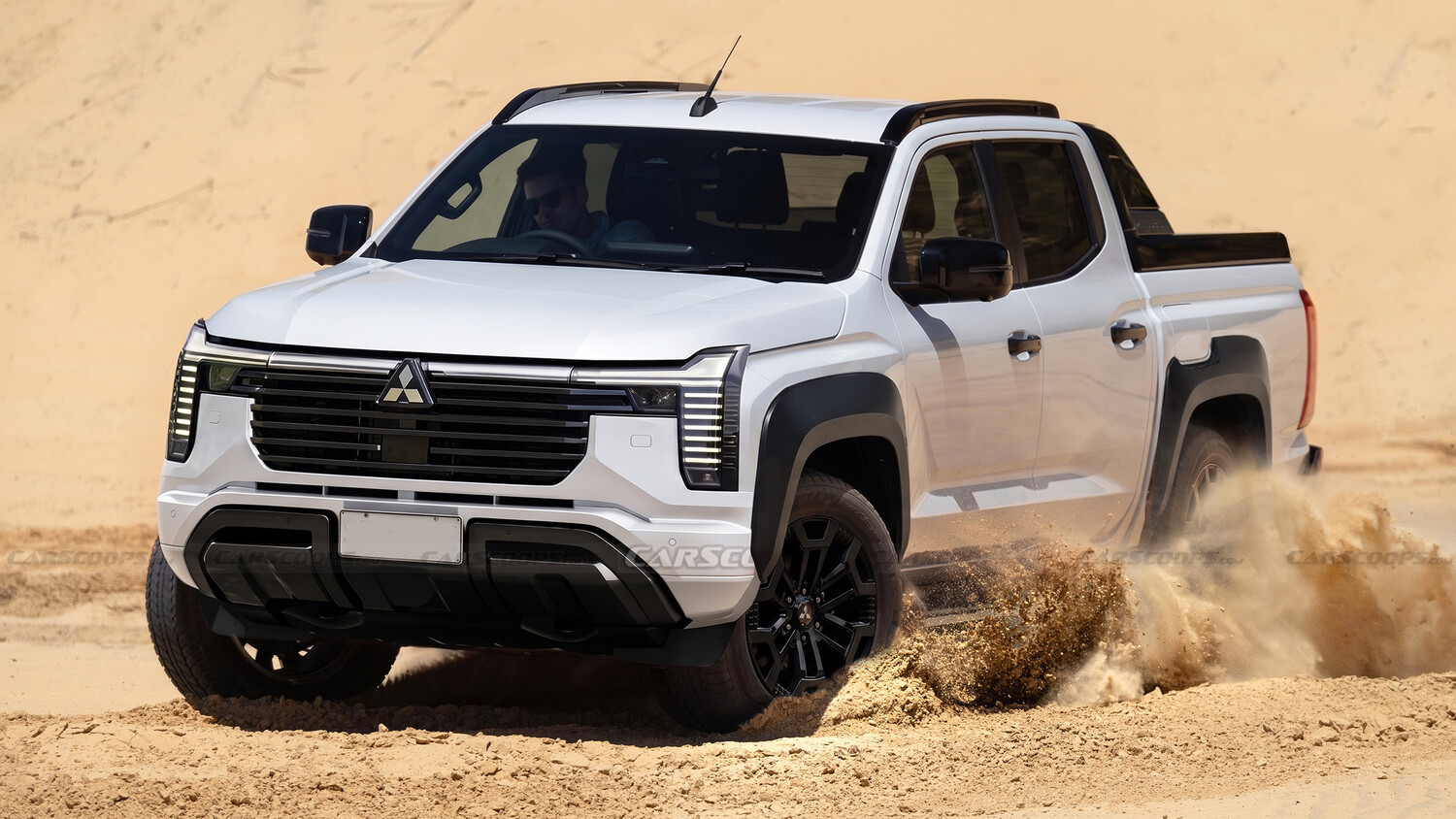
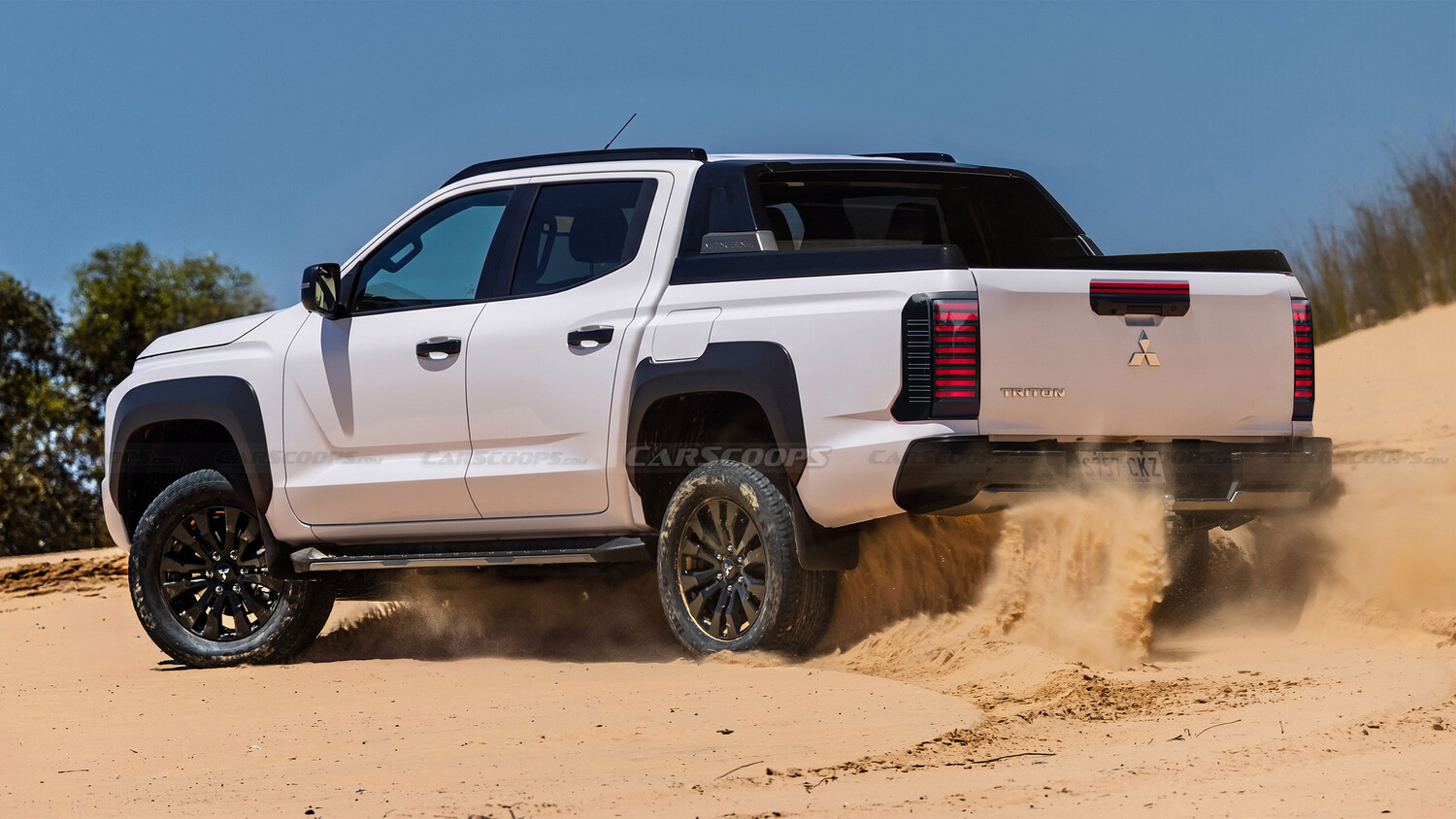
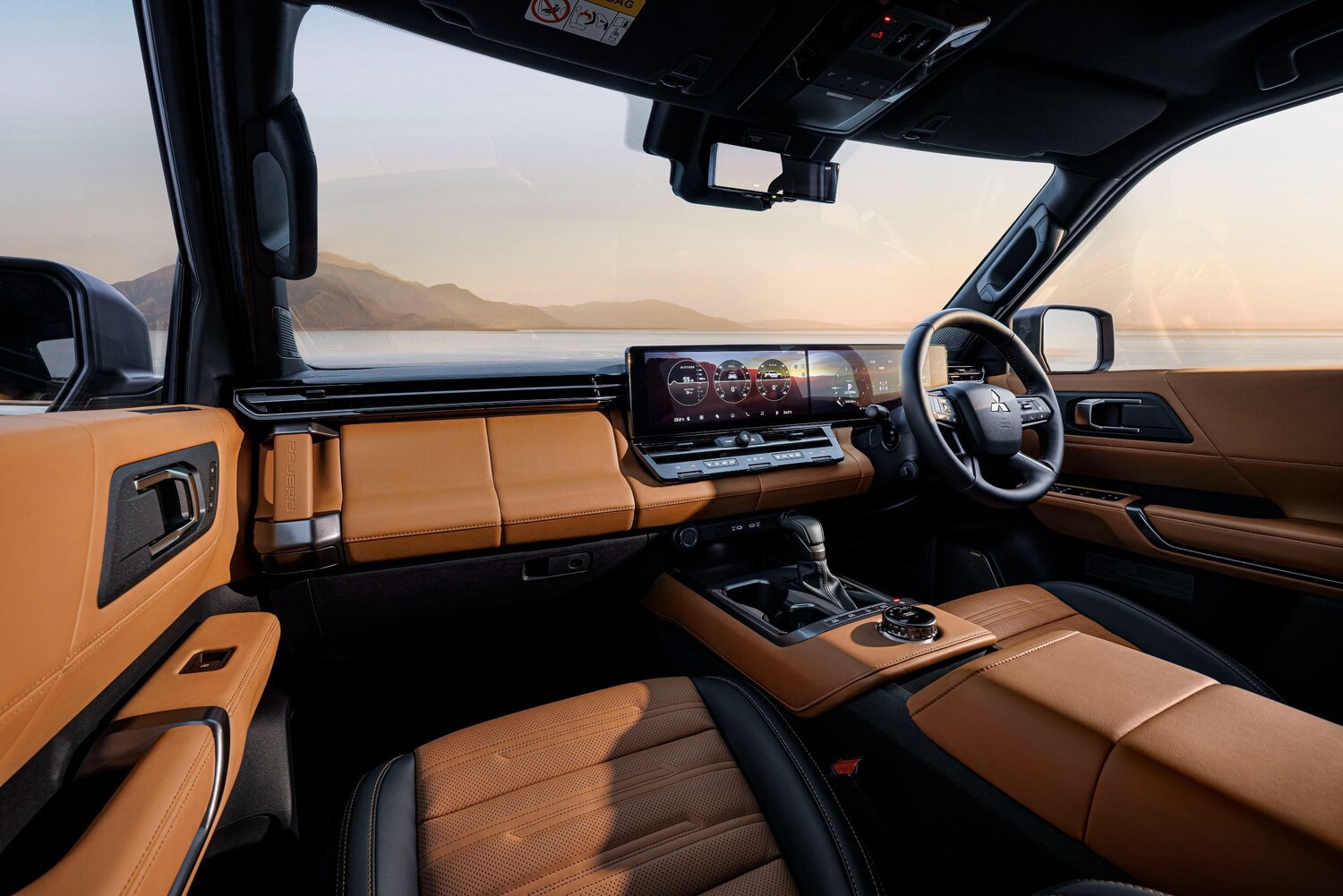
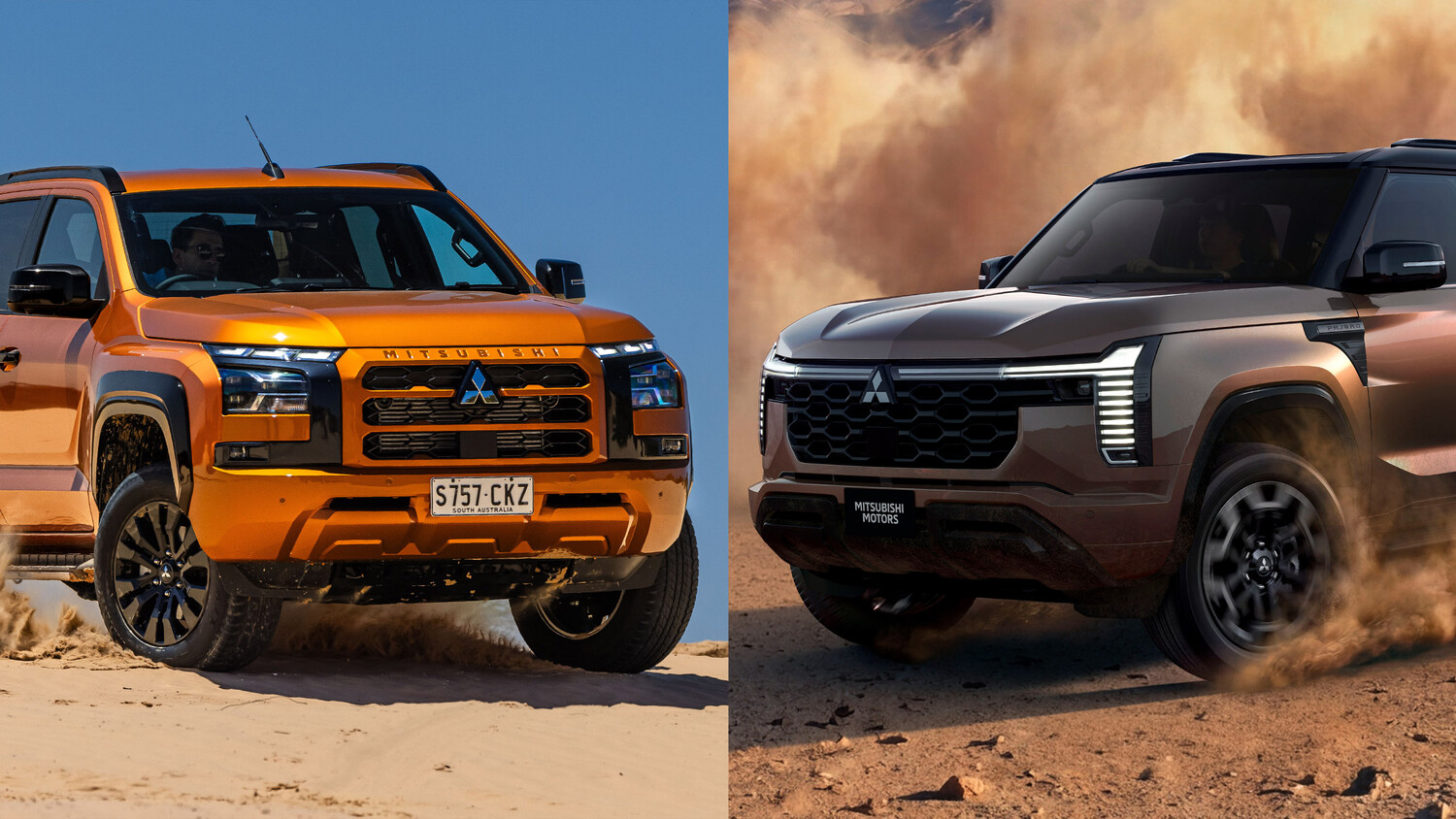
Mitsubishi expects the introduction of the next-generation Pajero SUV to buoy sales. Mitsubishi has already taken 9,000 orders worldwide for the new off-roader, against its sales goal of 10,000 vehicles through the end of the current fiscal year on March 31.
The Pajero went on sale in Thailand in October and will land in Japan and Australia in December.
“Orders have been very strong, and sales have already begun,” Kishiura said. “With this as our cornerstone, we aim to make a solid recovery with the Pajero.”