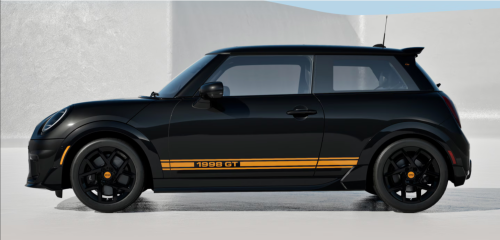
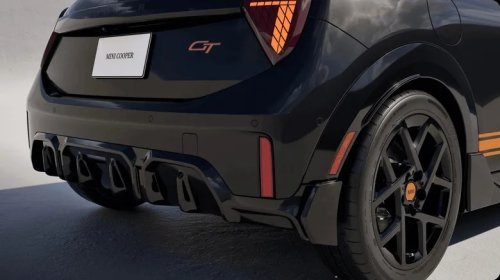
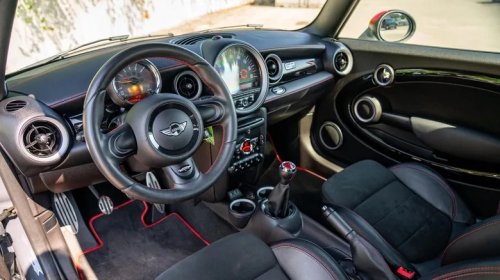
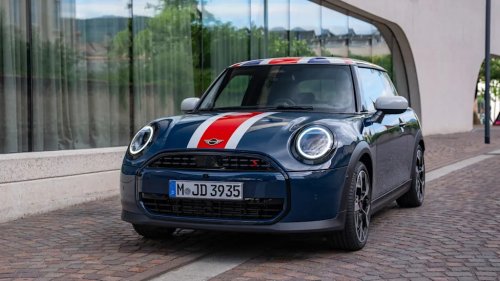
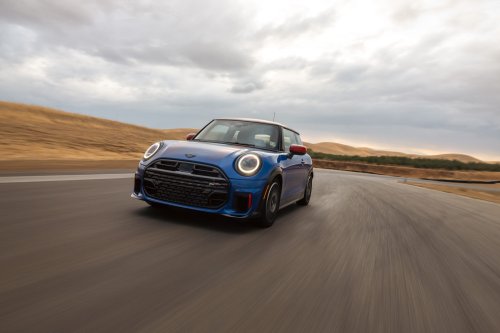
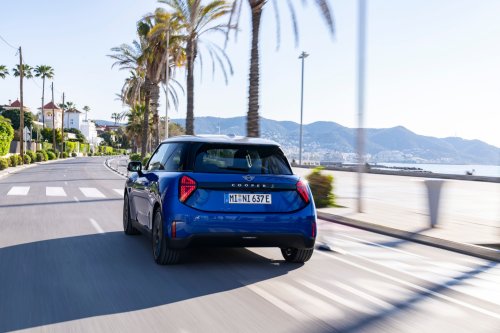
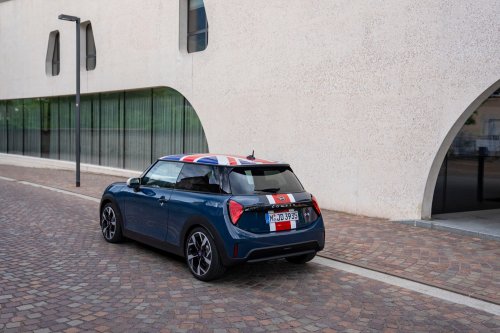
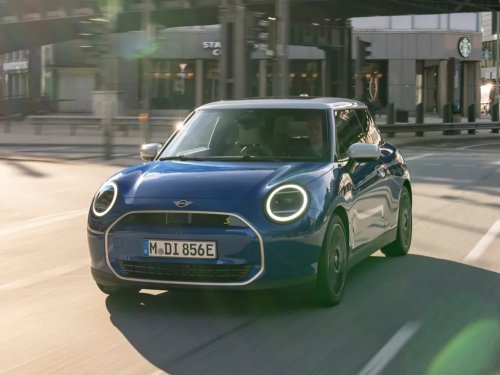
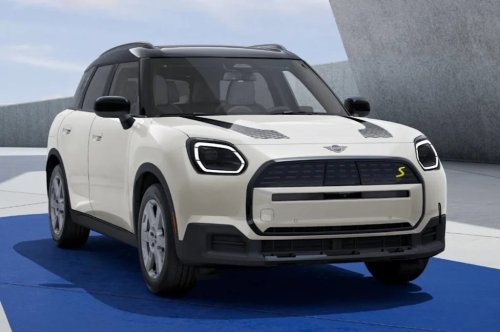
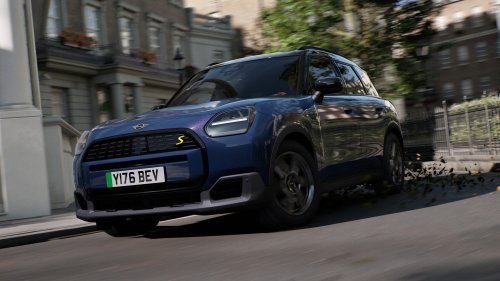
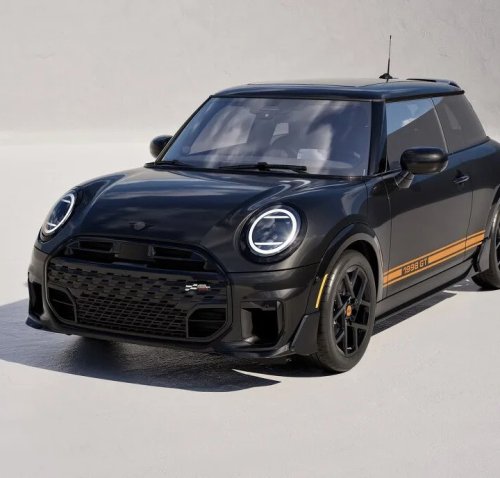
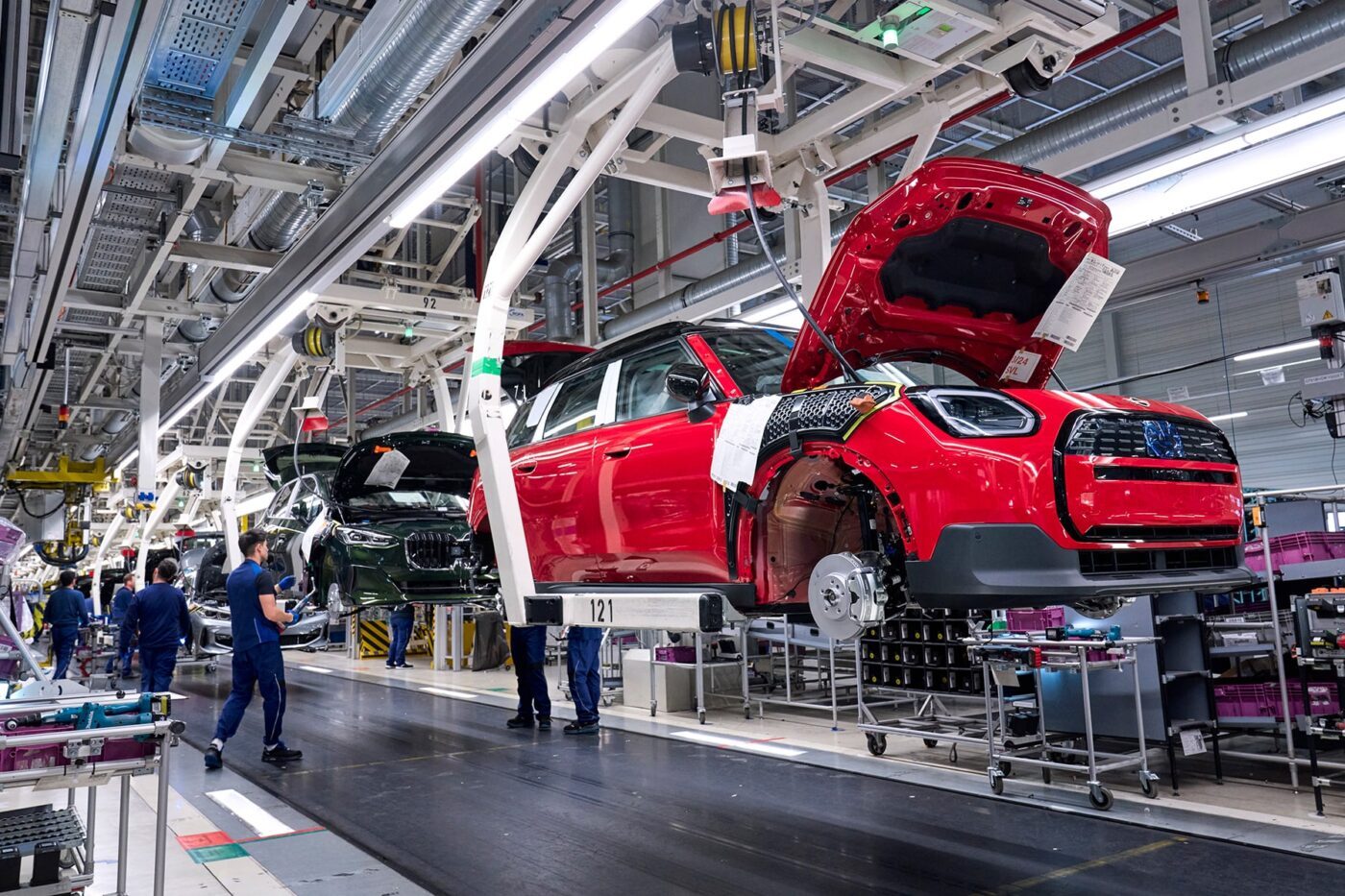
Mini currently does not manufacture electric cars at its British home plant—but, as seen here, for example, in Leipzig.Image: BMWIn 2023, the BMW Group announced plans to produce two new all-electric Mini models at its Oxford plant from 2026, with a full transition to battery-electric vehicles by 2030. These models were set to include the electric Mini Cooper as a three-door variant and the compact crossover Mini Aceman. The internal combustion engine versions of the new Cooper generation, unveiled at the IAA 2023, have been in production at Oxford since 2024. However, the planned production of the electric variants now appears unlikely to proceed as intended.The German business magazine WirtschaftsWoche recently reported, citing ‘an influential insider from the circle of BMW’s new CEO Milan Nedeljković,’ that Mini production could become unviable due to impending tariffs between the EU and the UK. If the post-Brexit trade rules, as planned, come into force on 1 January 2027, BMW may be unable to ‘produce and sell any electric vehicle at Mini’s main European plant,’ the insider told the magazine.The issue stems from the so-called Rules of Origin, agreed upon by the UK and the European Union following Brexit. These rules for electric vehicles were initially set to take effect at the beginning of 2024, but were postponed for three years in 2023 by member states, delaying their introduction until 2027. “The rules stipulate that electric cars can only be traded duty-free if at least 45 per cent of their components are manufactured in the EU or the UK,” WirtschaftsWoche explains. “For batteries, the threshold is even higher, at 60 per cent. Vehicles that fail to meet these requirements will incur a 10 per cent tariff.”For electric Minis, meeting these thresholds is considered virtually impossible. BMW is therefore expected to face the 10 per cent tariff unless governments amend or further delay the Rules of Origin requirements. At the same time, Mini is dealing with rising production costs. According to WirtschaftsWoche, profit margins remain slim, particularly for the brand’s more affordable model platforms. BMW is therefore reportedly reluctant to modernise and electrify the Oxford plant under the current conditions.As early as the beginning of 2025, British media outlets such as the BBC reported that the BMW Group had postponed its plans for electric car production at the Oxford plant indefinitely. “Given the multiple uncertainties facing the automotive industry, the BMW Group is currently reviewing the timing for reintroducing battery-electric Mini production in Oxford,” the company stated at the time.Preparatory work for EV production at the plant has been paused, though other modernisation measures—such as those related to logistics—continue. Additionally, BMW declined a £60 million government grant but remains in ‘close dialogue’ with authorities.The electric Mini Cooper, available in three variants—Cooper E, Cooper SE, and John Cooper Works Electric—continues to be manufactured exclusively in China and exported to Europe for the time being. Oxford’s production is currently limited to ICE versions. Meanwhile, both the electric and ICE variants of the Mini Countryman are produced in Leipzig. The Aceman, Mini’s first fully electric model range, was unveiled in China in 2024 and is also produced there.wiwo.de (in German)



















 +40 others