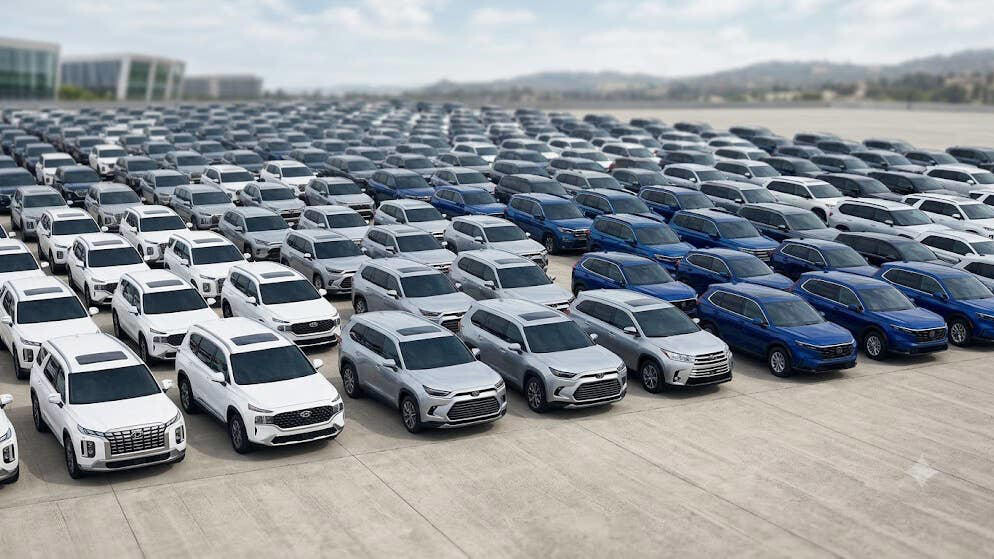
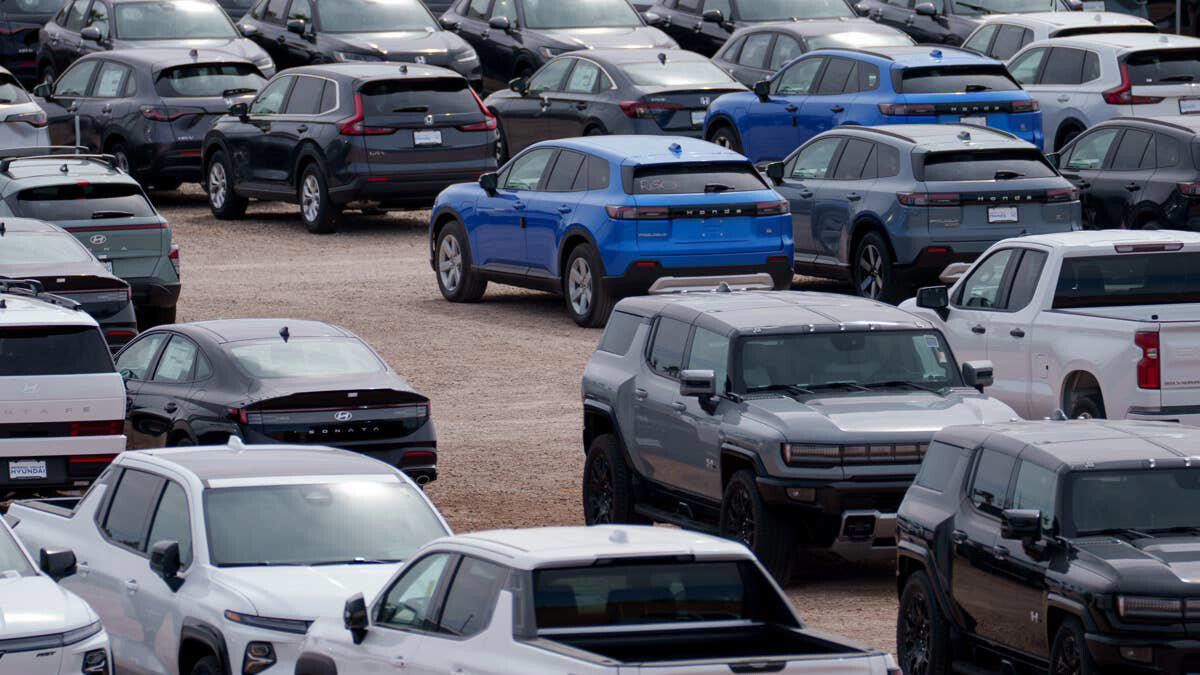
Halfway through November, the auto market has delivered a mixed scorecard. Latest data from the China Passenger Car Association (CPCA) shows retail sales of 611,000 passenger cars nationwide from Nov. 1 to Nov. 15 — a 25% drop from a year ago. Yet, the retail penetration rate for new energy vehicles (NEVs) surged to a record high of 73.2%. While wholesale volume bucked the trend with an 11% monthly gain, end-market demand remains hesitant. Total volume is under pressure, the market structure is fracturing, and distribution channels are strained. Even with the whistle blown for the year-end sprint, why won’t the market heat up? Retail Drops 25%, Accelerating Industry Shakeout First, consider the retail figures, which best reflect the temperature at the point of sale. In the first week of November, daily retail sales averaged 37,000 units, down 21% year-on-year and barely edging up 2% from the prior month. The second week saw daily averages of 45,000 units, with the annual decline widening to 29% and slipping 12% from October. Combined, the two weeks totaled 611,000 units — roughly a quarter fewer than last year and a 6% retreat from the previous month. Source: CPCA (same below) Zooming out, cumulative retail sales for the year have reached 15.59 million units, a 22% annual decline. This suggests the chill isn't just a weekly blip, but a continuation of persistently weak demand. Cui Dongshu, secretary-general of the CPCA, previously estimated full-year retail sales for 2026 at just 18.5 million units. That figure not only falls short of the 23.74 million peak projected for 2025 but also drops below the 19.29 million level seen during the pandemic in 2020. By energy type, the divide is stark. In the first half of November, NEV retail sales reached 447,000 units. While down 13% from a year ago, this represents a 7% increase from the previous month — one of the few bright spots in the broader market. Year-to-date retail sales stand at 9.32 million units, down 13%. More significant is the penetration rate: at 73.2%, it means nearly three out of every four new cars sold now carry a green license plate. NEVs have become the only certain source of incremental growth. Internal combustion engine (ICE) vehicles continue to retreat. Cui describes the current market dynamic as "accelerating ICE contraction and resilient NEV leadership," arguing that high fuel prices are steadily accelerating the shift from oil to electricity. Although fuel prices have dipped in the short term, they remain elevated overall, dampening ICE consumption. As the ICE market shrinks further, replacement demand from existing owners is flowing heavily toward hybrid and pure electric models. November retail data displays three characteristics: policy support, weak recovery, and extreme structural divergence. On the upside, concentrated financial subsidies and trade-in incentives from the "Double 11" shopping festival, customer attraction from new models at the Guangzhou Auto Show, and the "last train" rush for trade-in subsidies before the year-end deadline provided the only support. The downside is equally real. Weak income expectations and strong wait-and-see sentiment have passively lengthened replacement cycles. With a price war raging all year, many consumers expect prices to drop further, delaying their purchase decisions again and again. Regarding pricing, Cui noted that the average price of passenger cars in October slipped 1,000 yuan to 162,000 yuan. The contraction of the ICE sector has led to significant price declines for plug-in hybrids and pure electric vehicles. The marginal utility of the price war has bottomed out. Competition is shifting from "across-the-board cuts" to segmented trench warfare: the high end battles on intelligent driving and experience, the mid-range competes on comprehensive trade-in offers, while weaker ICE brands at the tail end are being cleared out. Ultimately, the auto market hasn't reversed course; it is merely being propped up by policy windows and year-end sales pushes. Product strength is now the only currency for survival. Only models that can truly compete in the pure electric and hybrid segments will retain customers. As the industry shakeout accelerates, the line between staying in the game and getting out is becoming clearer — survival is now more urgent than scale ranking. Wholesale Up 11%, Channel Inventory Peaks Shift the focus to manufacturer wholesale, and the picture changes instantly. In the first half of November, manufacturers wholesaled 722,000 passenger cars nationwide. While this is down 23% year-on-year, it represents an 11% increase from the previous month — moving in the exact opposite direction of the retail decline. Breaking down the weekly rhythm: daily wholesale averaged 42,000 units in the first week, down 20% annually but surging 63% from October. The second week averaged 56,000 units, down 26% year-on-year and slipping 13% from the prior month. The pattern of a "weak start with mounting pressure later" is distinct. On a cumulative basis, manufacturers have wholesaled 23.09 million units this year, a 7% decline. This drop is significantly smaller than the retail decline, highlighting a long-standing rift between factory output and end-market sales. The driver behind the monthly wholesale rebound isn't mysterious. More working days in November allowed for production scheduling catch-ups. Pre-hype for the Guangzhou Auto Show forced a dense launch of new models, and crushing year-end sales targets have pushed high-demand models into production ramp-ups — requiring dealers to stock up first. NEV wholesale figures remain particularly resilient, reaching 592,000 units in the first half of the month — up 3% annually and 18% from October. Year-to-date wholesale volume stands at 13.82 million units, a 9% increase. The wholesale penetration rate hit 82%, nearly 9 percentage points higher than the retail rate. But behind these numbers lies a critical move: pushing inventory onto dealers. Cui revealed that industry inventory reached 3.34 million units at the end of October, up 130,000 from the previous month and rising for two straight months. At the current pace, that equates to a 60-day supply. Shipping to meet targets while retail sales lag essentially moves inventory from factory warehouses to dealership lots and back lots. Cui warned that the divergence between wholesale and retail trends is increasing pressure on channel inventory. The gap between the two remains wide, meaning wholesale growth does not reflect real end-market consumption. Frontline dealers are facing tight cash flow and high inventories. Compounded by policy overhang and sluggish ICE production and sales, their willingness to accept new vehicles has clearly declined. With dealers struggling to survive and channel inventory peaking, future wholesale growth will be constrained by retail weakness. The old tactic of smoothing monthly data by stuffing the channel is becoming increasingly unsustainable. Cars sitting in lots aren't truly sold; only registrations and deliveries reflect the market's real temperature. How much replacement demand is driven by order conversions from the Guangzhou Auto Show and the rush for year-end subsidies will determine whether December brings a warm winter or a continued deep freeze.