


A car payment is supposed to buy you a car. Mark Moore, an Atlanta pastor, says his payments bought him a two-year loan on a Mercedes-Benz that, as far as its original lender was concerned, was never his.
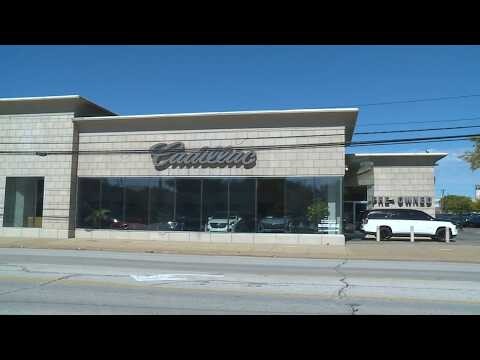
Here's what's on the record. Moore told Cleveland station WKYC and his own social media followers that he bought a used Mercedes from Central Cadillac on Cleveland's Carnegie Avenue in January 2024. He put $30,000 down and financed $58,931.87 through a lender the dealership recommended. On March 31, 2026, the car was gone from his Georgia driveway. He called the police and learned the car hadn't been stolen. Mercedes-Benz Financial Services had repossessed it.
Moore says MBFS told him the car still belonged on paper to its previous owner, who owed roughly $106,000 on it. He says he kept paying his own loan for about six months after the car was taken.
Central Cadillac general manager Christopher Studor gave WKYC the dealer's side. The store bought the Mercedes from another dealer in Bedford, Ohio, and the title it received showed no lien. Studor said the store later learned the car was tied to a theft ring under federal investigation. He said the ring got the lien off the paperwork by moving the title in and out of Ohio and other states. The dealership has filed an insurance claim and says it will reimburse Moore once the insurer pays. Moore's position is that he bought the car from Central Cadillac, so he shouldn't be the one waiting.
How a lien disappears from the paper but not from the car
In Ohio, a lender doesn't file paperwork at the county recorder to protect a car loan. Under Ohio Revised Code 4505.13, the lien becomes enforceable against other creditors when a county clerk notes it on the certificate of title or enters it into the state's automated title system. The title is the record.
That's the weak spot title washers go after. If a car is retitled in a state whose clerk never receives or records the lien, the new certificate looks clean. Clean paper sells easily, and dealers and auctions down the chain tend to treat it as proof the car is free and clear.
Buyers usually reach for a federal title check, but it won't catch this. Under NMVTIS, the Justice Department's title database, a report shows the current and previous titling states, title issue dates, odometer readings, theft history and brands like salvage or flood. Liens aren't on that list. A washed title can pass a federal check without a single warning.
Where the law might help Moore
Moore's strongest legal tool is probably a provision that's been in the commercial code for generations. Ohio's version of the Uniform Commercial Code, Section 1302.25, automatically adds a warranty to every sale: the seller promises good title and promises the goods arrive free of any lien the buyer didn't know about. A seller can only get out of that promise with specific contract language or under circumstances that tell the buyer the seller isn't vouching for the title. Ohio's appeals courts have enforced this before, in a dispute over a used Corvette that turned out to be stolen.
Central Cadillac's own paperwork may not save it. Being cheated by the dealer it bought from doesn't erase the warranty Central Cadillac gave the customer it sold to. The store can pursue the Bedford dealer separately. Moore shouldn't need to.
There's also a less obvious statute in the background. Under Section 1309.337, when a state issues a title that omits a lien perfected under another jurisdiction's law, a consumer buyer who pays value without knowing about the lien can take the car free of it. Other states have adopted the same rule. Whether it helps Moore depends on details nobody has made public: which state issued the clean title, when, and where MBFS's lien was recorded. It's worth his lawyers' attention.
Ohio's Title Defect Recision Fund, run by the attorney general, probably won't help. It covers buyers whose dealer fails to deliver a valid title in the buyer's name within the statutory deadline, or skips certain required disclosures. Moore got a title. The trouble is that it was apparently laundered.
What his insurance won't cover
Auto insurance probably won't help: comprehensive coverage pays for theft, and a lienholder lawfully taking back its collateral isn't theft. GAP coverage pays the difference between the loan balance and the car's value after a total loss or theft, not after a title defect. Meanwhile, his lender's loan is secured by a car that someone with an earlier claim has already taken back.
If you're shopping for a used luxury car, especially one that's crossed state lines:
-
Count the retitlings. A used Mercedes that keeps changing states? Ask why before you sign.
-
Ask the selling dealer to confirm lien status in writing, and get a lien search from a provider that includes lienholder data. NMVTIS alone won't show it.
-
Watch for any language disclaiming the title warranty. Ohio requires that kind of disclaimer to be specific, so don't sign one without knowing what it gives up.
-
Get the seller's name exactly as it appears on the buyer's order. If something goes wrong, that's the party you'll be pursuing.
Moore followed the script. He bought from a franchised dealer and made every payment on a loan from a lender the dealership recommended. More than two years later, the lien reappeared on the car anyway. If a clean title and a respectable dealer can't protect a buyer, what do you actually check before you sign?














Comments