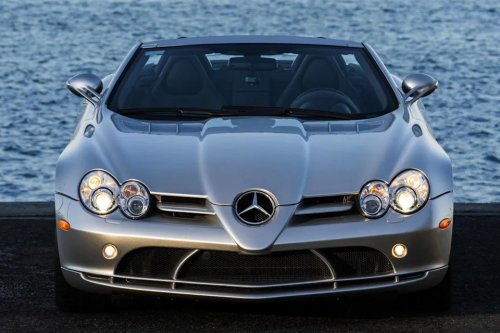
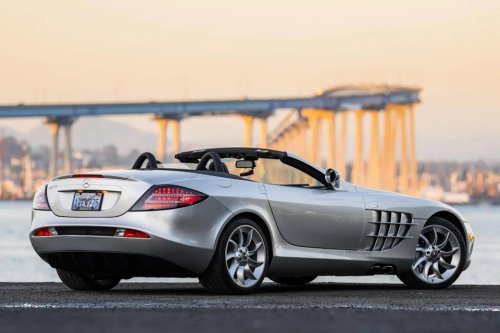
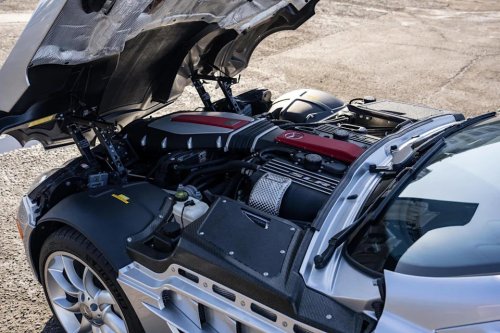
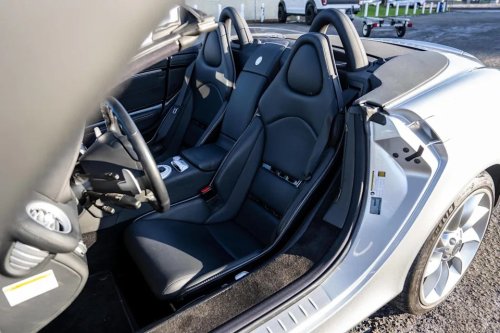
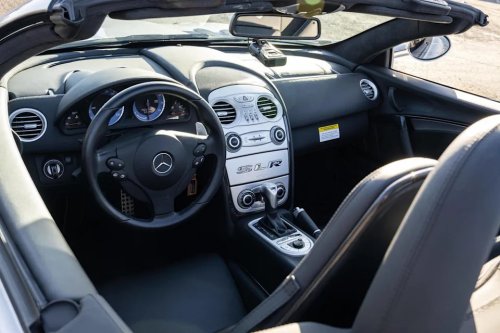
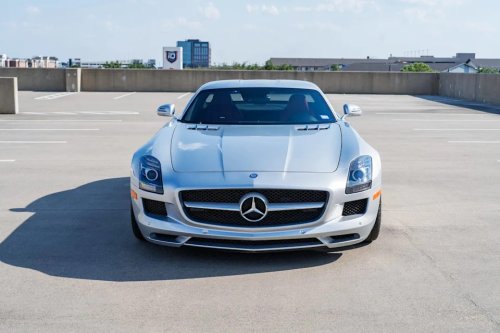
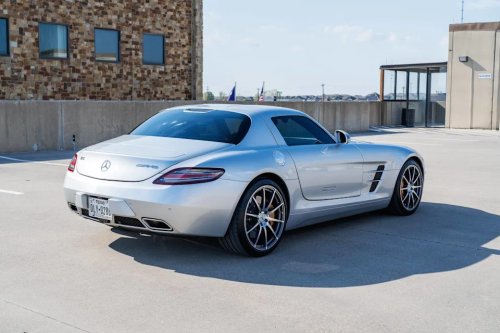
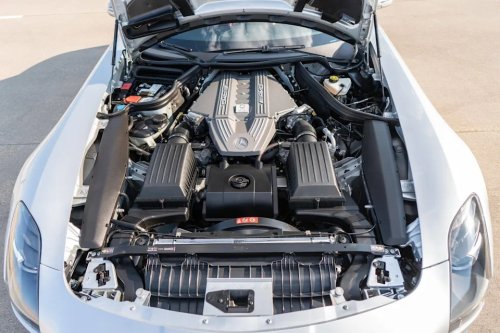
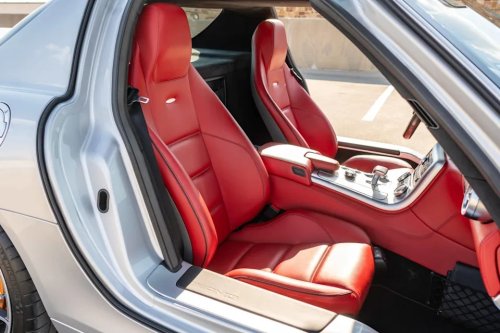
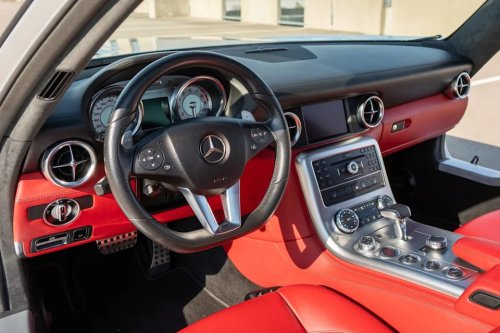
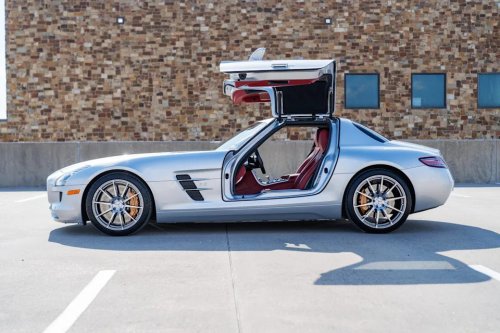
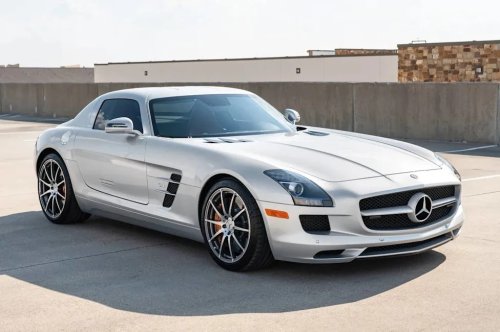
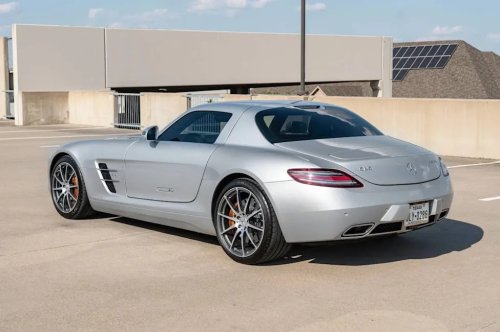
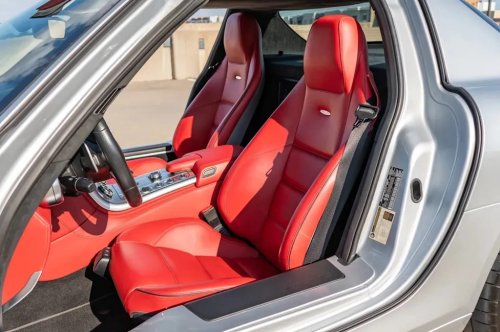
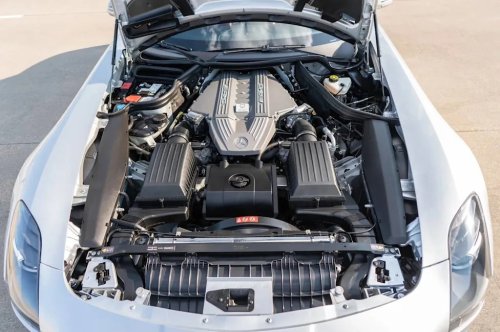
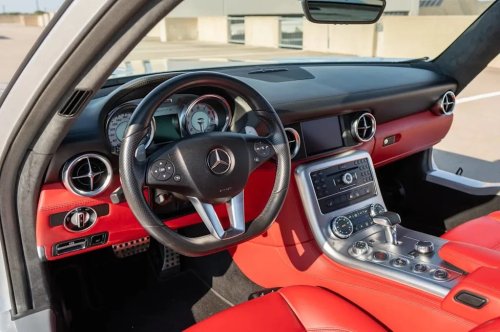
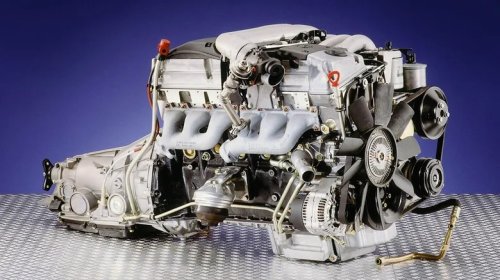
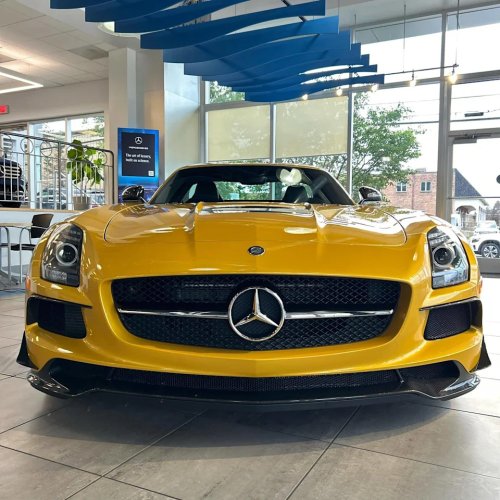
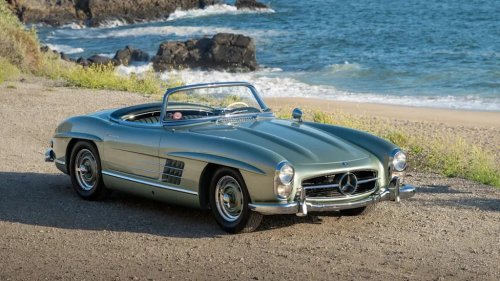
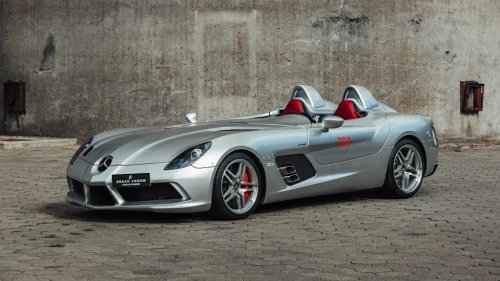
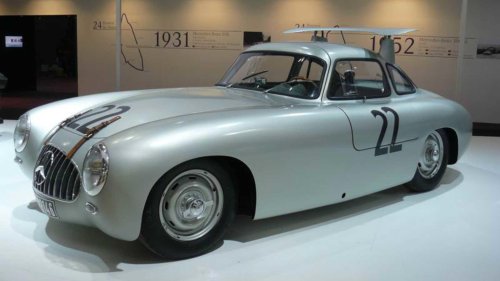
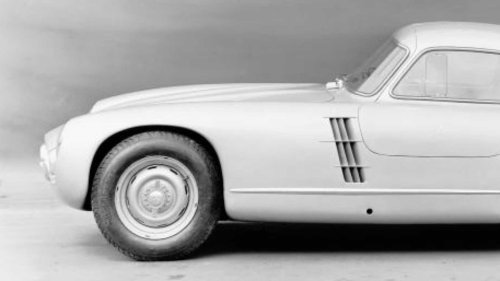
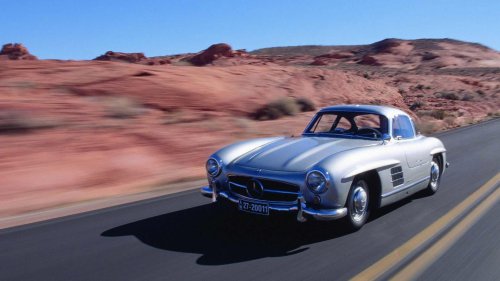
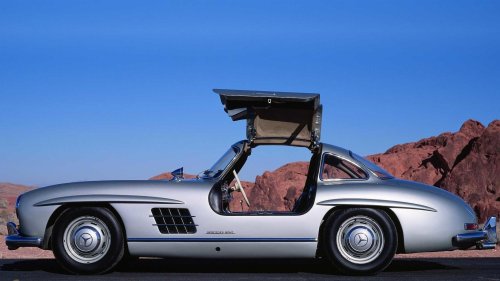
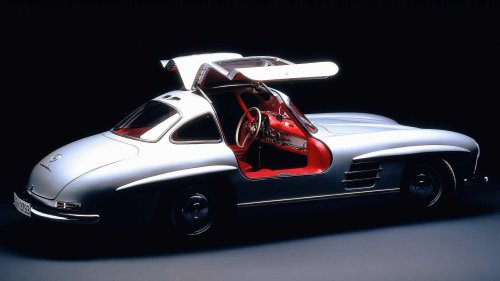
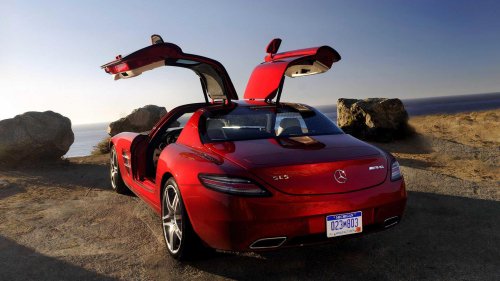
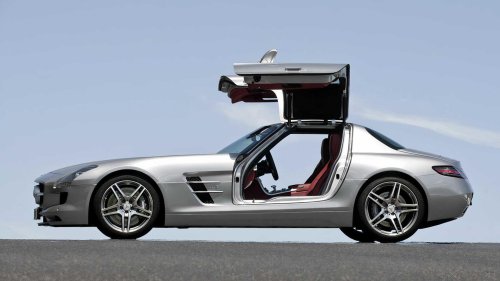
Some sports cars earn themselves a place of pride in automotive history, whether that’s through breaking a performance record, bringing about technological improvements, or having a design that’s so striking it catches the eye and refuses to be forgotten.The Mercedes-Benz 300 SL is an example of a car which carries all those attributes. With its distinctive gullwing doors and stylish look, technological advancements, and success on track, it has become a symbol of classy, elegant mid-century motoring. A highly sought-after classic among car enthusiasts today, the 300 SL can be considered one of the most important cars of the 20th century. Let’s take a closer look at its origins in the world of motorsport, its features, and its unique design that made it a household name. The 300 SL's Origins Wikimedia Commons - Lebubu93 The 300 SL traces its origins back to a Mercedes race car from a couple of years earlier: the W194, which made its debut in 1952. The W194 was powered by a 3.0-liter inline-six engine, closely related to the one that would later make its way into the 300 SL. This engine, the M194, produced 175 hp and 153 lb-ft of torque. This power output was not quite high enough to match that of the car’s main rivals in the world of motorsport at the time, namely Ferraris and Jaguars. However, the W194’s low weight was enough to make up for the power deficit, making it highly competitive.The car was built on a steel tube spaceframe chassis, the structure of which provided additional safety for the driver but made it impossible to install traditional doors. As a result, Mercedes opted for a different layout: the iconic gullwing doors, which would later become a key element of the 300 SL’s design.Wikimedia Commons - Cete The W194 was a highly successful race car, collecting several victories over the course of its career. Among its achievements were victories at legendary races such as the 24 Hours of Le Mans and the Carrera Panamericana.For the 1953 racing season, Mercedes initially developed an updated version of the W194, made out of a magnesium alloy and equipped with an updated engine. However, this project was eventually scrapped as the German automaker decided to focus its racing efforts on the world of Formula 1 instead. The W194’s DNA lived on in a different way: a production model which went on sale a year later, called the 300 SL. This model would go on to become one of the most iconic and well-known sports cars of its century. The 300 SL's Powertrain And Performance MercedesThe 300 SL was powered by the M198 engine, which belonged to the same family as the M194 engine that powered its predecessor. Both were variants of a previous engine called the M186, which had first been released in 1951.The M198 engine was created specifically for the 300 SL, and was equipped with fuel injection technology, which was quite new and advanced for its time. It produced 215 hp and 203 lb-ft of torque, and was paired with a four-speed manual transmission which sent power to the rear wheels. It propelled the car to a top speed of 146 mph, while 0-60 happened in 9.3 seconds.Mercedes When the Roadster version of the model arrived in 1957, the engine’s output was bumped up to 240 hp and 217 lb-ft of torque. The Roadster also received a suspension upgrade, which resulted in considerable improvements in terms of handling and ride comfort. The 300 SL's Design And Interior Mercedes-Benz Perhaps the most memorable aspect of the 300 SL, aside from the experience of actually driving one, which earned it a notable place in automotive history, was its design. Although it was visually tied to its era, it was also futuristic in a way that earned it a timeless quality. The bodywork was built primarily from steel and aluminum; a silver finish, the color traditionally associated with the model, was standard, while a few other colors were available as options. The look was completed by the signature round headlights and rectangular grille, finished with rounded corners and a large Mercedes logo taking a place of pride in the middle.The 300 SL had a stylish, luxurious interior, in line with the rest of its design. Although most customers opted for leather upholstery, a choice of three fabric upholstery options was also available (gray and blue, gray and green, or cream and red). Although visually stunning, the gullwing doors also made it slightly more difficult than usual to get in and out of the car.In the coupe-bodied model, the trunk was quite small, only capable of holding little more than a spare wheel. There was, however, some cargo space behind the seats. The roadster version, on the other hand, had a larger trunk and came with two matching leather suitcases. A Modern Successor: The SLS AMG Mercedes-BenzDecades after its disappearance from the market, the 300 SL found a modern successor in another model that has heaps of historical relevance for Mercedes. We’re talking about the SLS AMG, the very first model to be developed entirely in-house by AMG. AMG started out as a tuner, before becoming a full-blown manufacturer of high-performance Mercedes models. The SLS AMG, however, was the first car AMG developed from scratch rather than using an existing Mercedes as a base."The SLS was the first time AMG was allowed to design a car from the ground up, and when I saw it for the first time, I was a bit disappointed. I loved the design, which is an obvious homage to the original 300 SL. But AMG also added a bunch of comforts, making it seem like the car was going in a grand touring direction, rather than living up to the 300 SL's status as the world's first supercar.I was wrong, however. The SLS is indeed a supercar. It may have cupholders, but it also has silly doors and a naturally aspirated 6.2-liter engine that's mounted so far back that you need binoculars to see the engine cover."- Gerhard Horn, Senior EditorIntroduced in 2009 for the 2010 model year, the SLS AMG was available as a coupe and roadster, and was built on an aluminum space frame. Its design, true to the idea of a “modern 300 SL”, was rich in vintage styling cues, such as the long hood and, of course, the gullwing doors that echoed its famous ancestor. The result was a truly stunning car that blended the classic and the modern, which despite being just over 10 years old is already becoming a classic in its own right.Many will have you believe that the SLS is intimidating, but it's not. It has a rigid all-aluminum chassis, double wishbones front and rear, communicative steering, and a wide track. All of these things put together inspire a massive amount of confidence, even when the rear end does let go. Speaking of oversteer, it's quite a unique experience in the SLS because you're seated so closely to the rear wheels. It pivots around your hips, almost like a BMW M Coupe on crack.As for the dumb doors, I love them. I didn't at first, because you couldn't do something as mundane as going out to buy a loaf of bread without attracting a crowd of staring people. In my mind, they were always thinking, "What a colossal asshat." But then I started thinking, I have an SLS, and you don't. My doors are literal pantomime, while you have to make do with a normal vanilla door that does nothing but give you entry to your equally vanilla car. These doors are so important that the SLS Roadster demands a much lower premium than the coupe on the used market, so I'm not the only person who feels this way."- Gerhard Horn, Senior EditorMercedes-Benz Much like its design, the SLS AMG’s powertrain was also a nod to Mercedes’ past: the model was equipped with the M159 engine, the last Mercedes naturally aspirated V8. This 6.2-liter unit produced 563 hp and 479 lb-ft of torque, and was paired with a seven-speed dual-clutch automatic transmission. AMG also produced numerous variants of the model, including the SLS AMG GT and the Black Series; the latter bumped power output up to 622 hp.Production of the SLS AMG was limited, with 13,000 coupes and 6,000 roadsters built in total. The model remained on the market for just five years, eventually going out of production in 2015.Sources: Mercedes-Benz.



















 +16 others