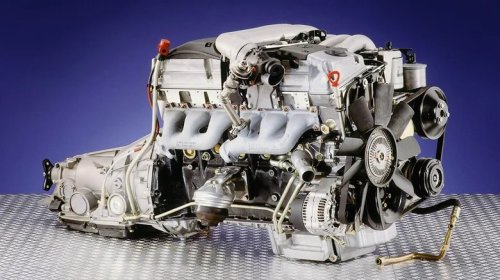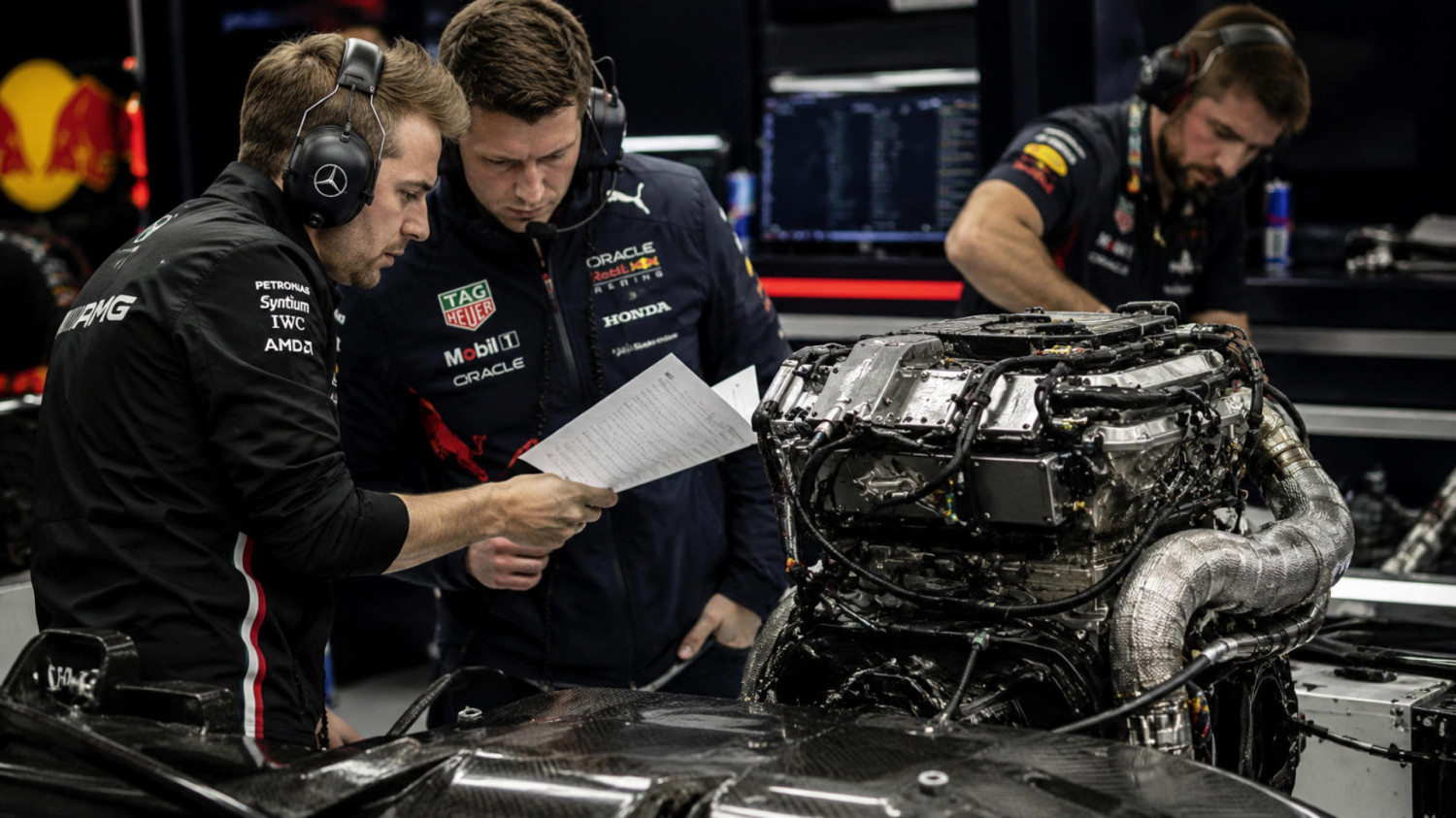



















Mercedes and Red Bull’s Engine Loophole Fight Shows F1’s 2026 Rule War Has Already BegunThe 2026 Engine War Started Before the Racing SettledFormula 1’s 2026 regulations were designed to reset the competitive order.They have also reset the politics.The early controversy over engine compression-ratio interpretation has put Mercedes and Red Bull Powertrains under scrutiny, with rivals asking whether the wording and measurement of the rules leave room for a performance gain that is legal in one test condition but potentially different in operation. The suspicion centers on the reduced 16.0:1 compression-ratio limit and the fact that FIA checks are carried out at ambient temperature, while some materials can behave differently when hot.That is exactly the kind of grey area Formula 1 teams are built to find.The technical argument may sound narrow, but the sporting meaning is wider. In a new rules cycle, the first serious advantage can shape months of development, political pressure and competitive belief.This Is About Interpretation, Not Just HorsepowerThe most important part of this story is not simply whether one manufacturer has found more power.It is whether the rules are precise enough to police the advantage properly.Formula 1’s history is full of ideas that lived in the space between clever engineering and unacceptable exploitation. Teams do not usually break rules openly. They look for places where the wording, measurement method or enforcement procedure gives them room to operate.That is why the compression-ratio discussion matters.A power-unit manufacturer does not need a massive advantage for rivals to react strongly. A small but repeatable gain can be decisive in qualifying, race deployment and straight-line efficiency. If that gain comes from an area rivals believe is being checked too narrowly, the argument becomes political very quickly.Mercedes and Red Bull Are Natural TargetsMercedes and Red Bull attract attention because of what they represent.Mercedes entered the 2026 era with enormous hybrid-era credibility and has already looked like the benchmark power-unit force. Red Bull Powertrains, working with Ford, is under different pressure: it needs to prove its new in-house structure can compete immediately against established engine operations.That makes both programs sensitive to suspicion.If Mercedes has found a smart interpretation, rivals want it closed. If Red Bull has explored similar territory, it becomes part of the same wider question. The issue is not only who has the fastest engine, but whether the fastest engine is being measured under conditions that capture its real behavior.The FIA’s Problem Is ConfidenceThe FIA has said the topic is being discussed with power-unit manufacturers and that it continues to review such matters to ensure fairness and clarity. It has also noted that current rules define the measurement method based on static conditions at ambient temperature.That is a difficult position.If the FIA changes the process too aggressively, teams that are designed to the written rule will feel penalized. If it does not change enough, rivals may believe the championship is being shaped by a loophole rather than pure performance. New regulations are always vulnerable to this kind of trust problem.The governing body’s job is not only to apply the rule.It has to make the paddock believe the rule is being applied in the right way.A New Era Always Creates Early FlashpointsThis is what happens when Formula 1 changes the technical foundations.Everyone starts from uncertainty. Manufacturers interpret the regulations differently. Teams discover unexpected consequences. Rivals study each other’s behavior and try to identify where the gains are coming from. Then the politics begin.The 2026 power-unit rules were always likely to create disputes because they change the balance between combustion, electrical deployment and efficiency. That complexity gives engineers more opportunity, but it also gives rule-makers more ways to be challenged.The compression-ratio debate may not be the last controversy.It may simply be the first.The Rule War Matters Because It Can Shape the Title FightA championship can be influenced long before the final races.If one manufacturer starts with an advantage that rivals believe is rooted in a measurement gap, pressure builds quickly. That pressure affects upgrade allowances, FIA clarifications, team lobbying and the way every result is interpreted.That is why the Mercedes and Red Bull scrutiny matters beyond the engine department.The 2026 title fight is not only being contested on track. It is being contested in technical forums, regulatory language and measurement procedure. The cars may look new, but the deeper Formula 1 pattern remains familiar.The first battle of a new era is often over who understood the rules best.This article was created by an external editorial team for the Misha Charoudin brand. It was not personally written by Misha Charoudin.