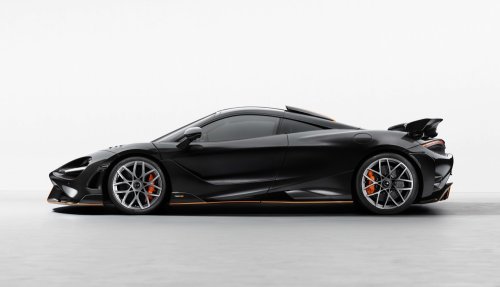
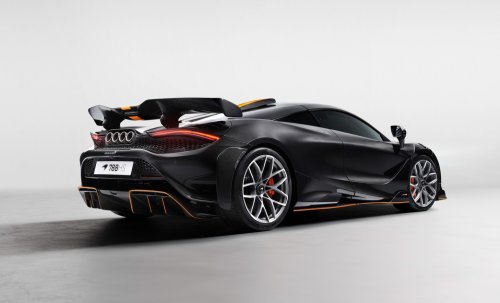
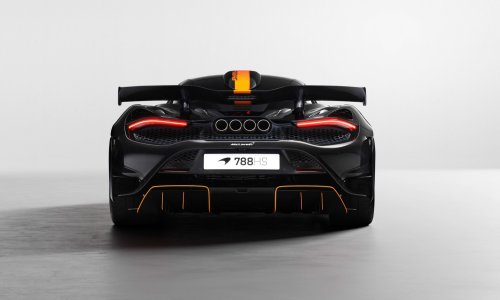
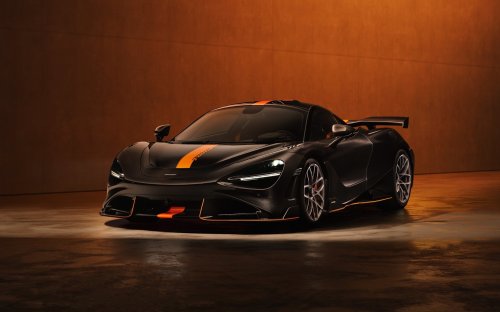
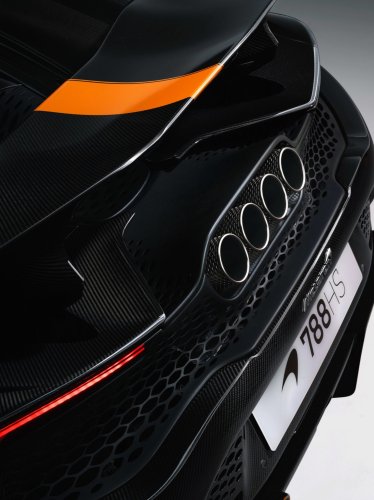
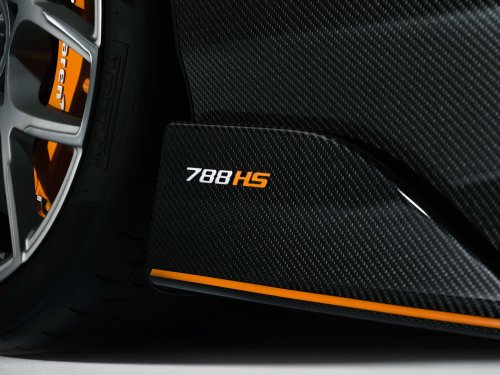
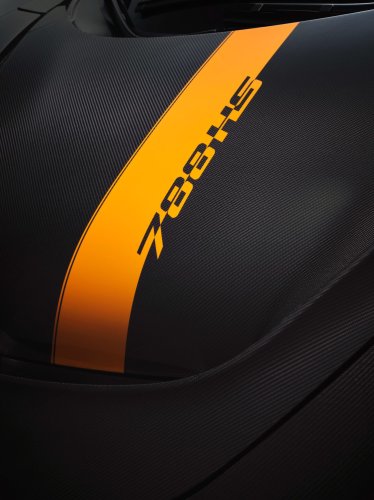
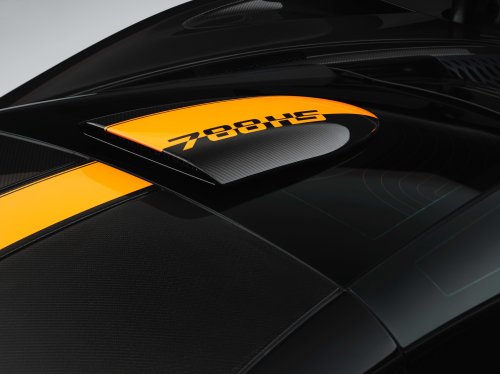
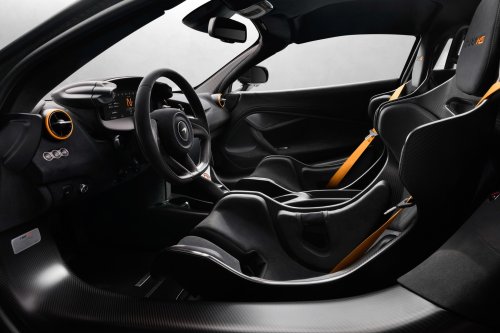
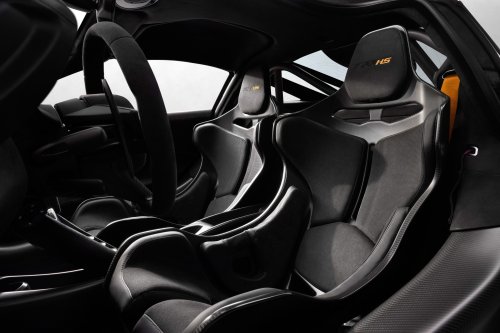
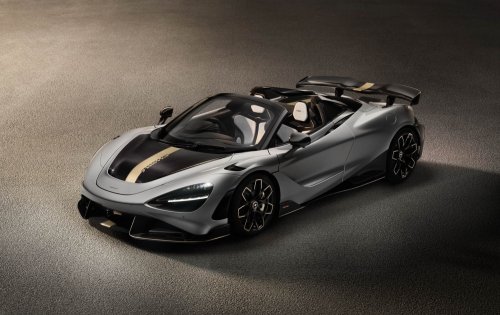
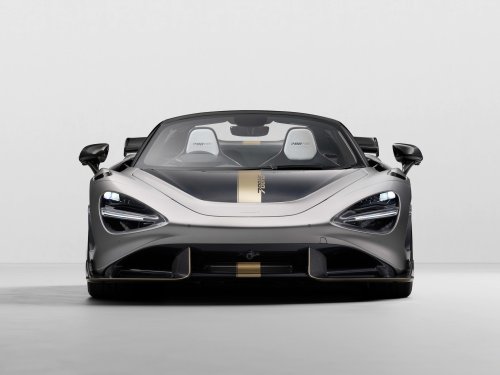
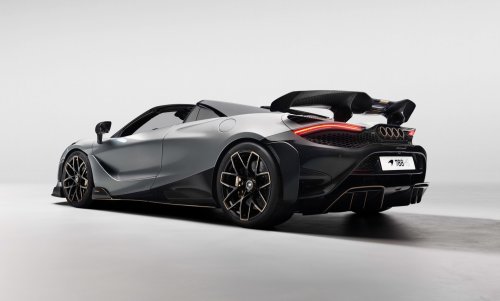
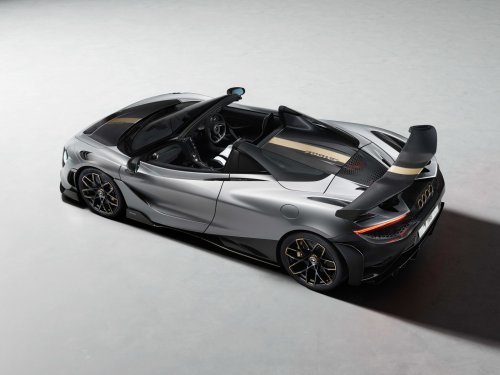
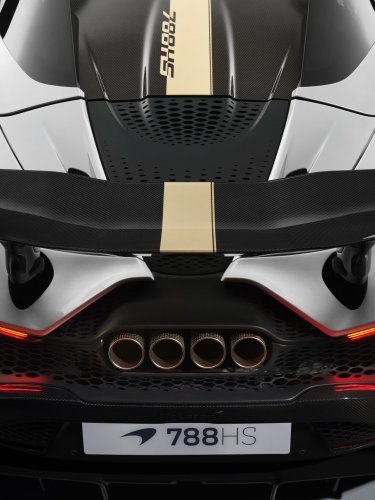
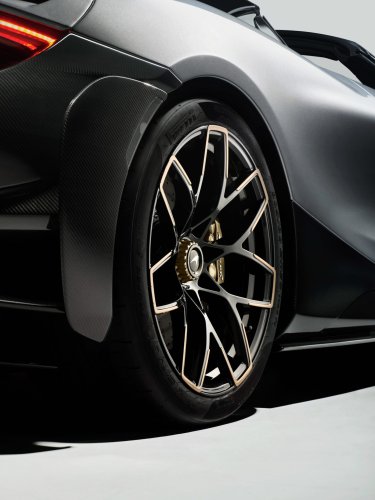
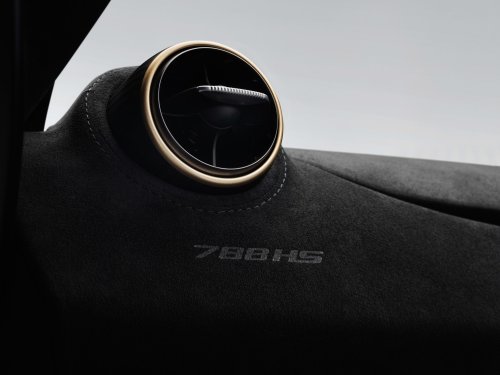
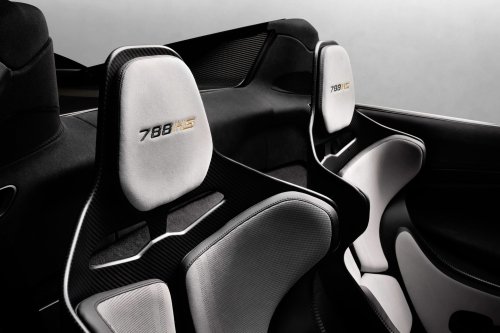
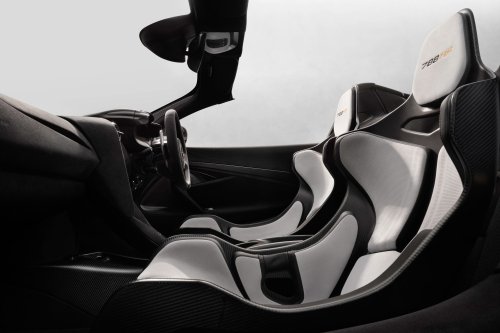
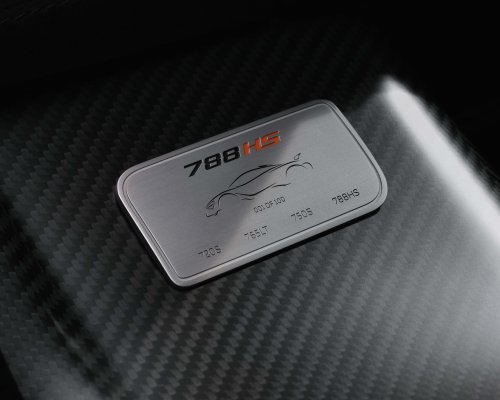
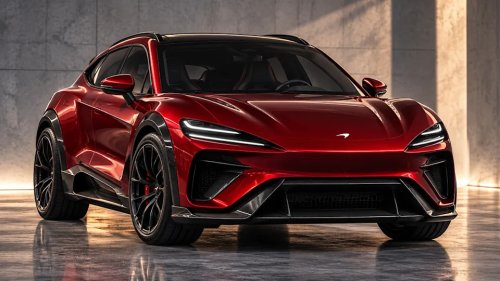
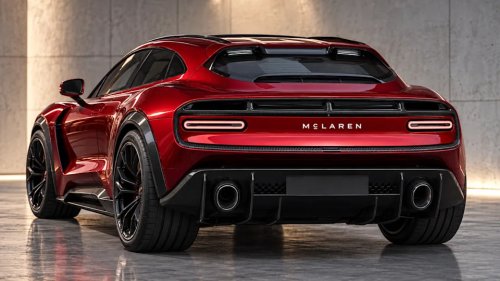
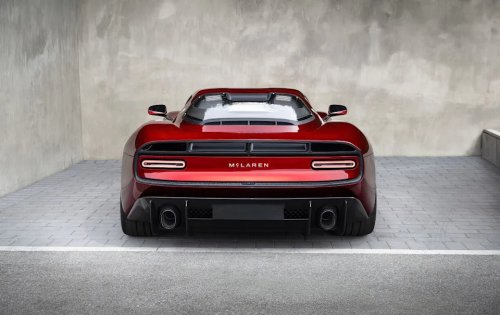
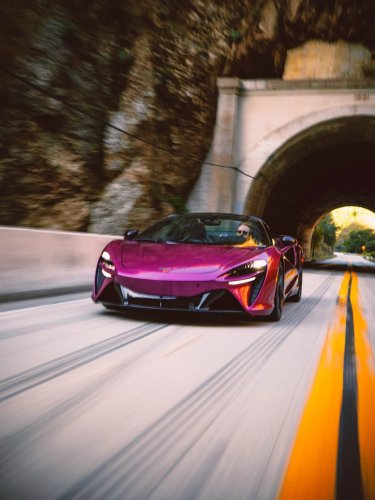
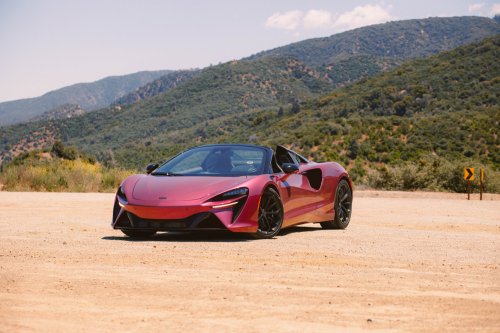
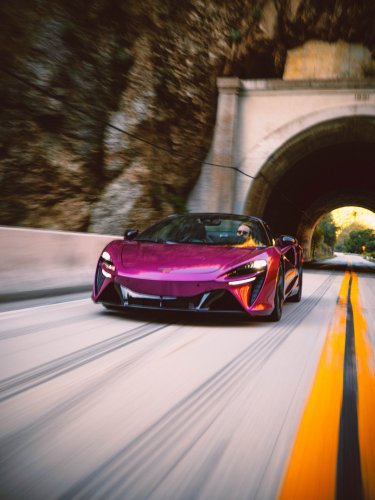
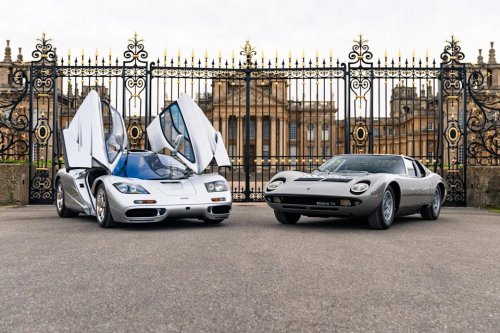
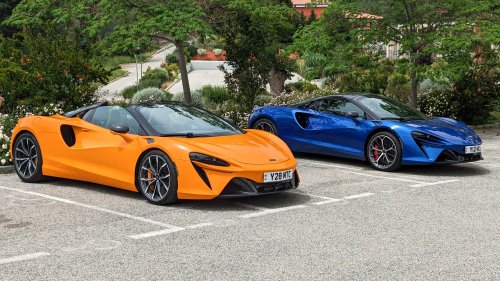
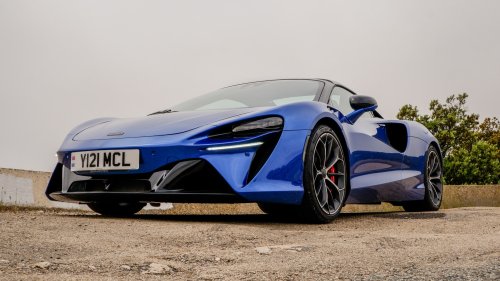
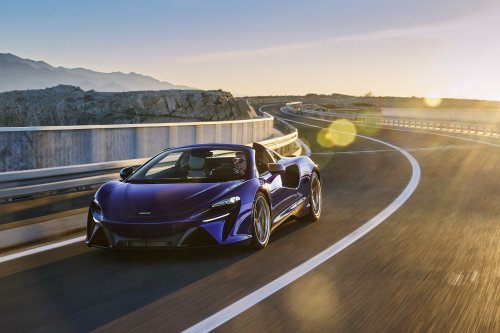
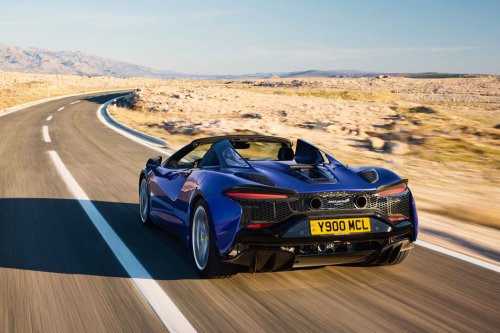
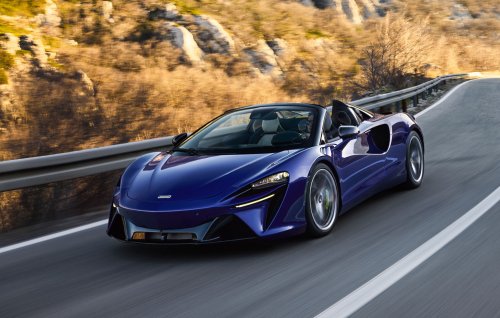
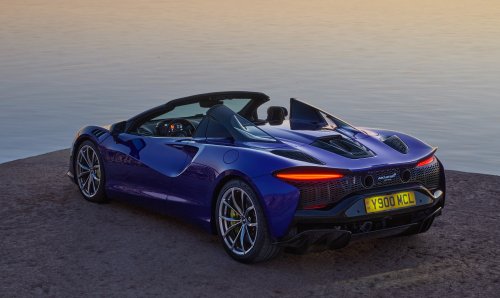
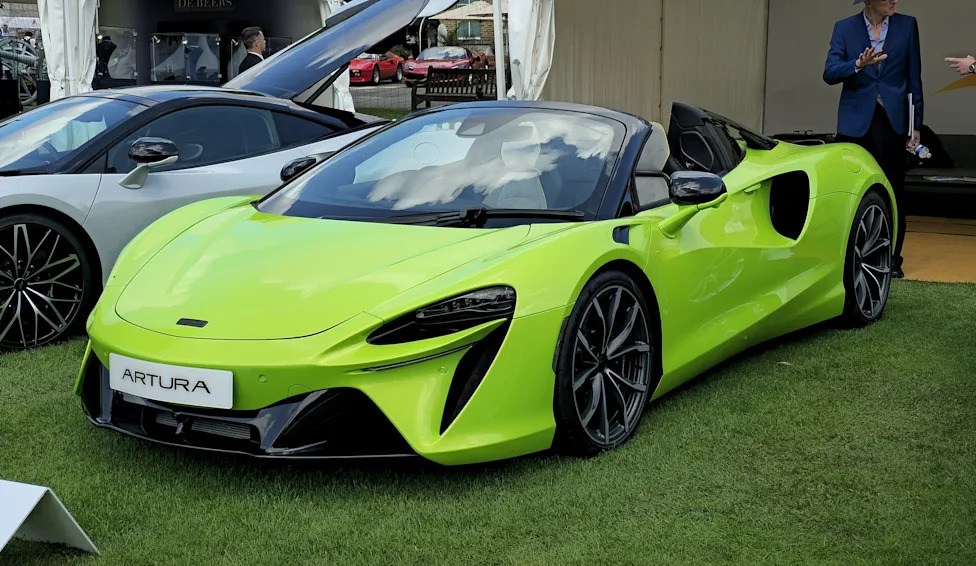
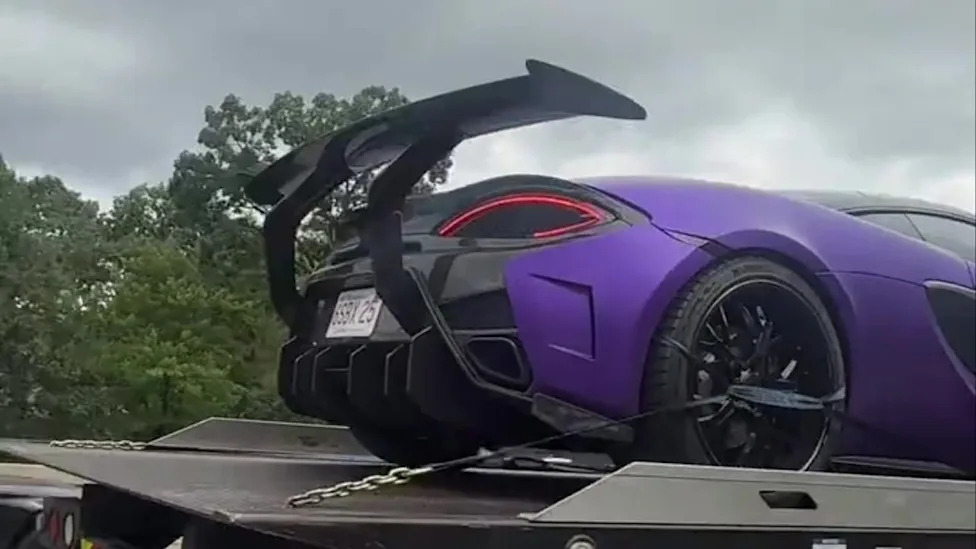
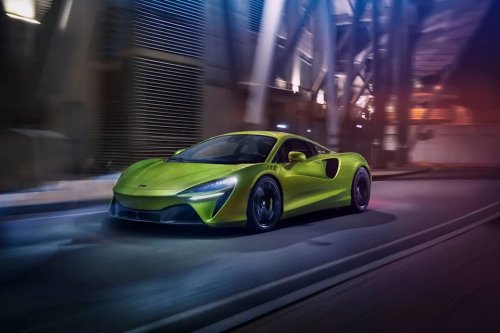
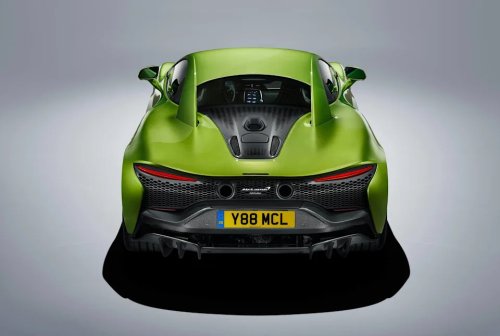
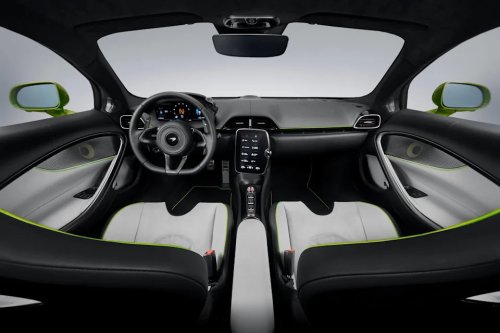
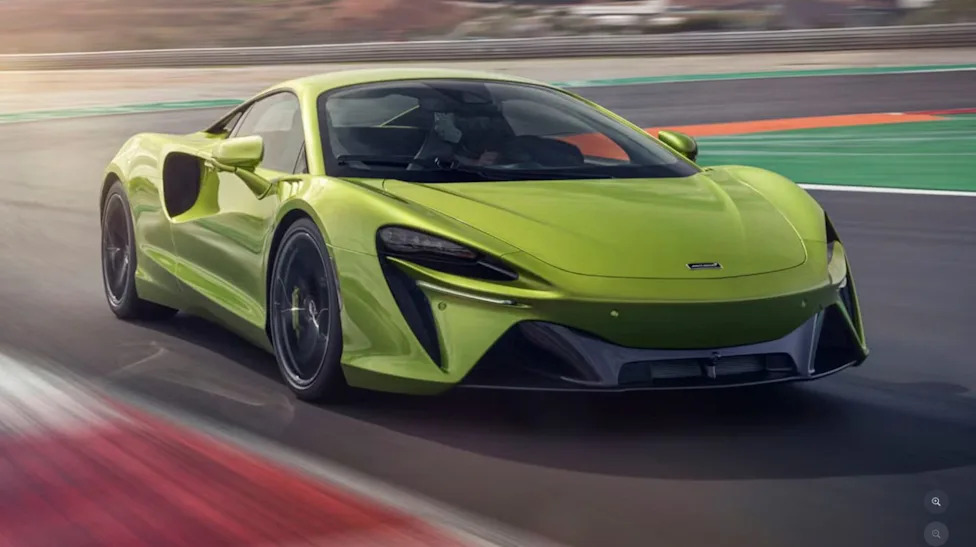
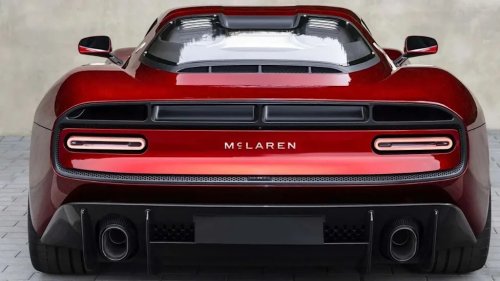
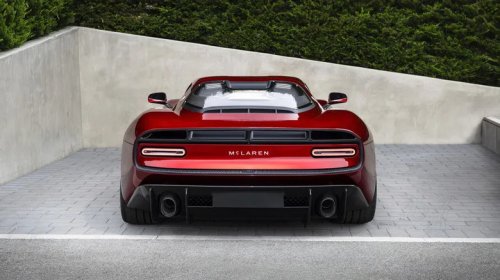
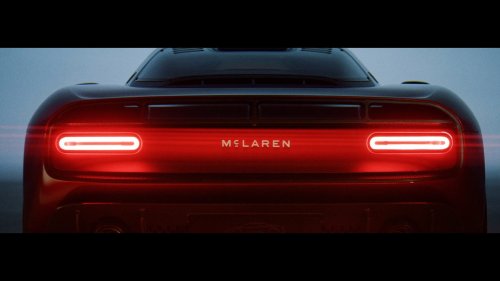
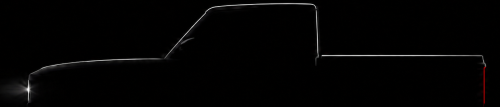
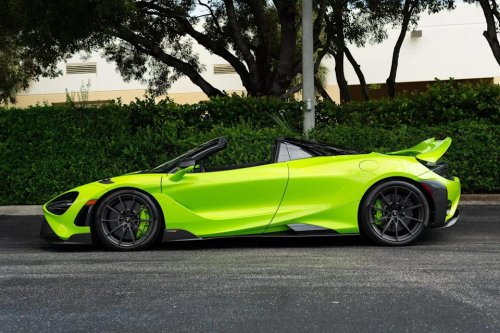
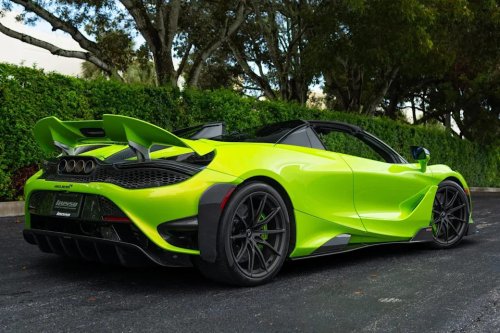
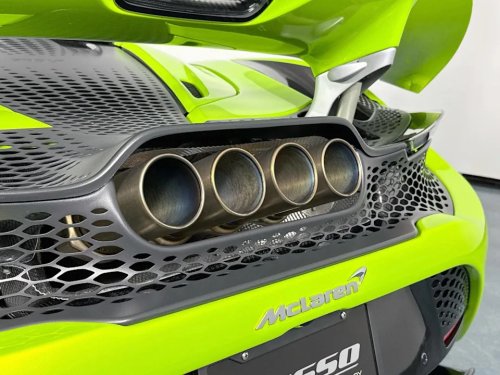
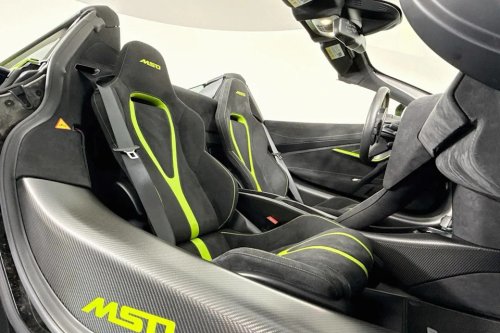
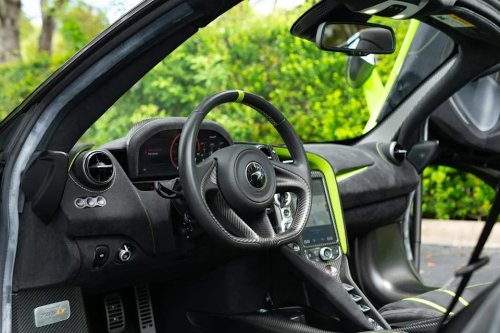
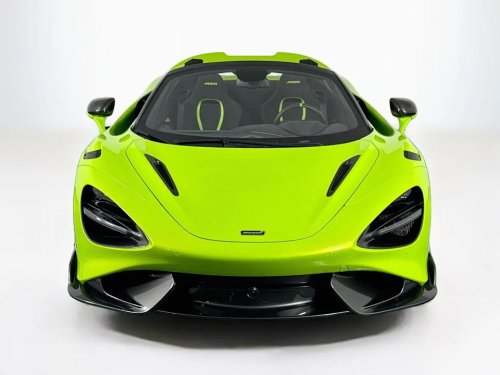
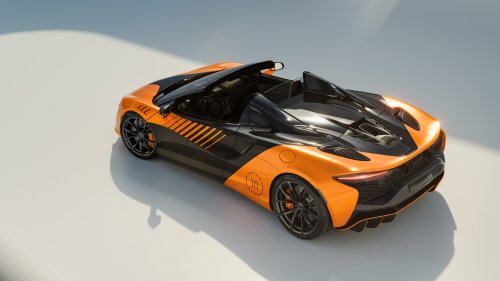
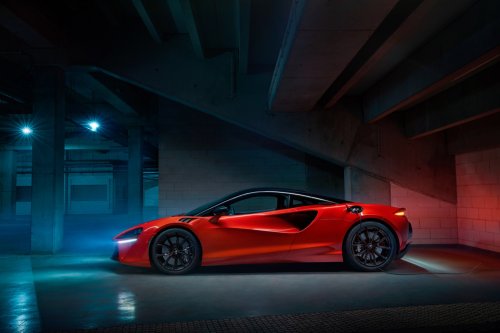
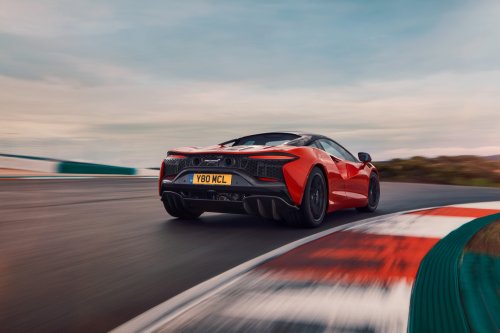
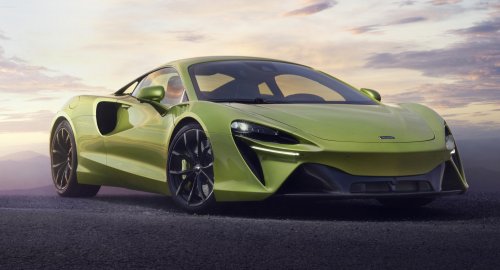
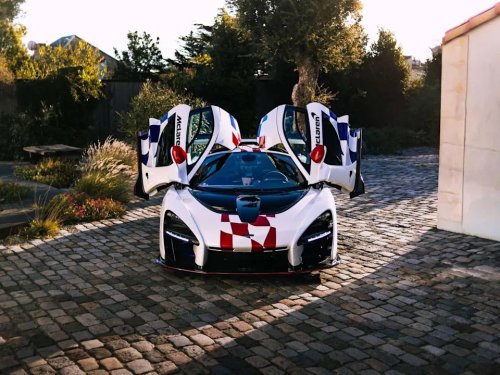
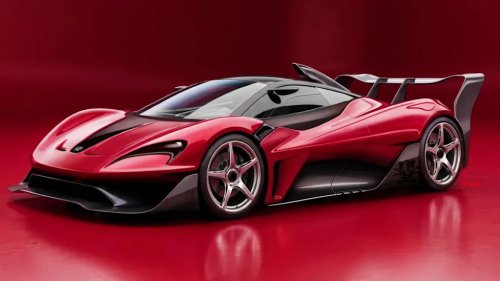
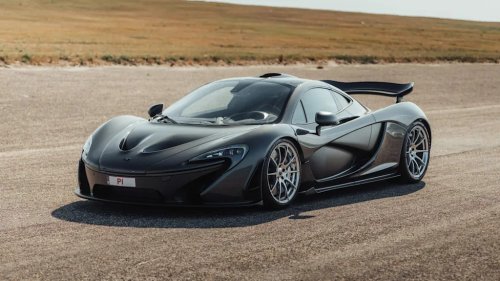
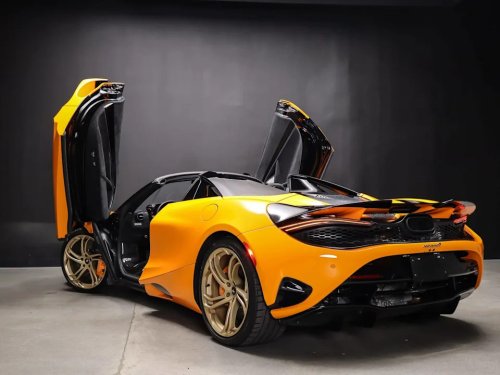
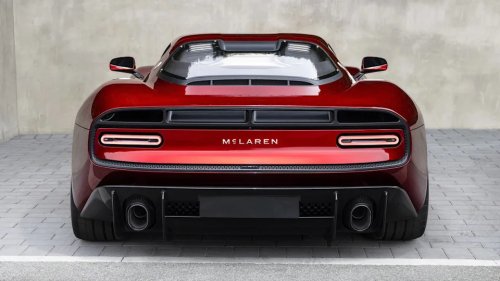
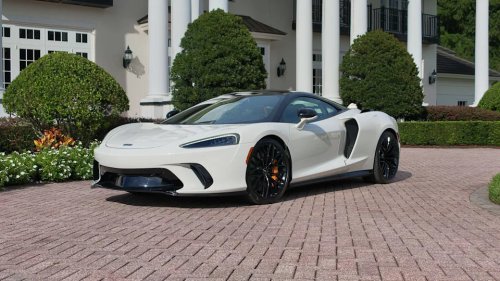
McLaren has turned the 750S into a high-downforce, limited edition 788HS. Body gets new aerodynamic package and 4.0-liter V8 is boosted to 777 hp. 200 cars will be built, split evenly between 788HS coupes and roofless Spiders. Every great performance car deserves a proper farewell, and McLaren clearly wasn’t about to let the 720S bloodline quietly slip into retirement. Enter the new 788HS, the final and most extreme evolution of a family that began almost a decade ago and eventually spawned the 765LT and today’s 750S. The recipe won’t surprise anyone, but the numbers certainly impress. McLaren has tuned the 750S’s 740 hp (750 PS) twin turbocharged 4.0 litre V8 to produce 778 hp (788 PS), while keeping dry weight to just 1,265 kg (2,790 lbs). That translates into a punchy 615 hp (623 PS) per tonne – or 1.6 lbs per hp – the highest figure achieved by any member of this supercar generation. Related: McLaren Just Recreated The Lost Supercar That Came Before The Legendary F1 Straight line performance is predictably savage, if not exactly night and day better than what you get from a regular 750S. McLaren quotes the same 2.8 seconds to 100 kmh, but the 7.0 seconds to 124 mph (200 kmh) time is 0.2 seconds faster. More importantly, engineers say the revised engine mounts, titanium quad-exit exhaust, and induction tuning create an even stronger sense of power and response. When it comes to top speed, the 788HS is fractionally slower, its 205 mph (330 kmh) VMAX dropping 1.3 mph (2 kmh) from the 750S’s. But that’s due to some trick new aero parts that generate 10 percent more downforce than even the old hardcore 765LT could create. Center-lock Wheels And Roof Snorkel A completely new carbon fiber aerodynamic package adds a multi section front splitter, an S-duct hood that eats the frunk space, taller active rear wing, and a Formula One inspired diffuser. Plus, go for the coupe version and you get a low-rise roof snorkel intake. The chassis gets plenty of attention, too. Ride height drops by 5 mm (0.2 inches) at the front, the linked hydraulic suspension receives a bespoke tune, Senna derived carbon ceramic brakes are fitted, and, for the first time on this platform, buyers get center-lock wheels. Inside, the cabin remains driver focused with lightweight carbon trim and exclusive HS detailing. Just 200 examples will be built, evenly divided between Coupe and Spider models, with every car individually commissioned through McLaren Special Operations (MSO) and sure to cost well over $400,000. McLaren