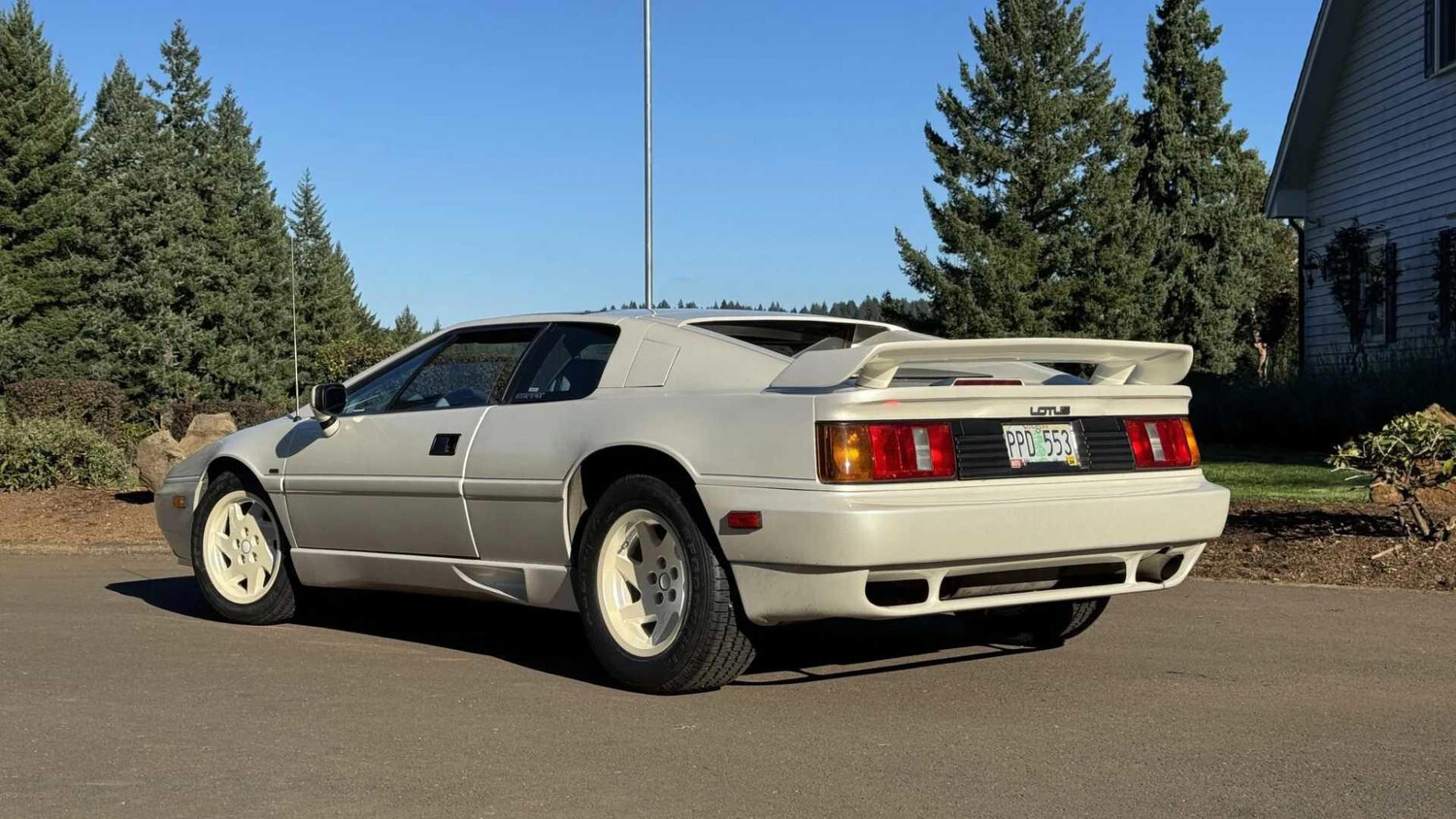
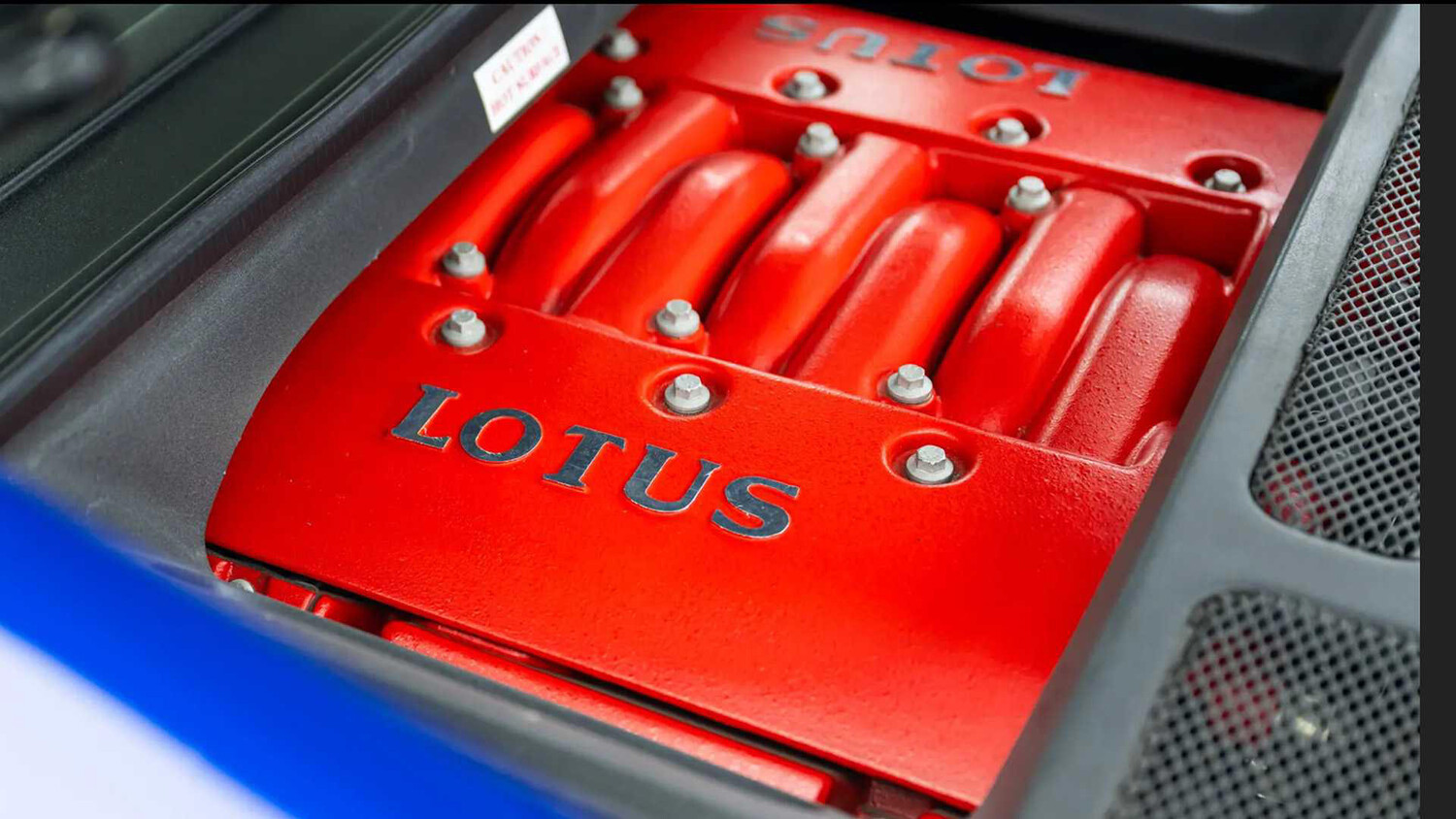
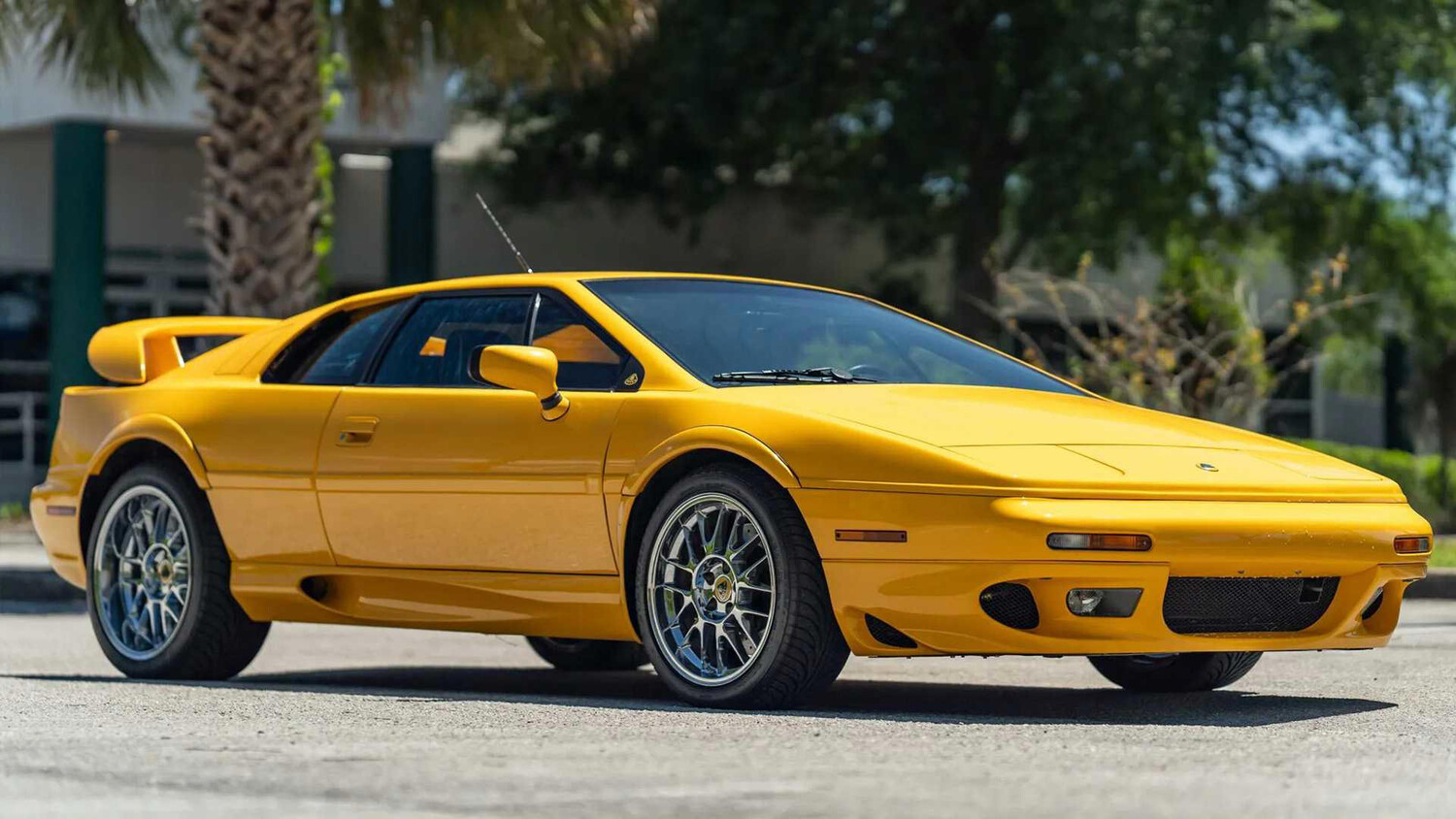
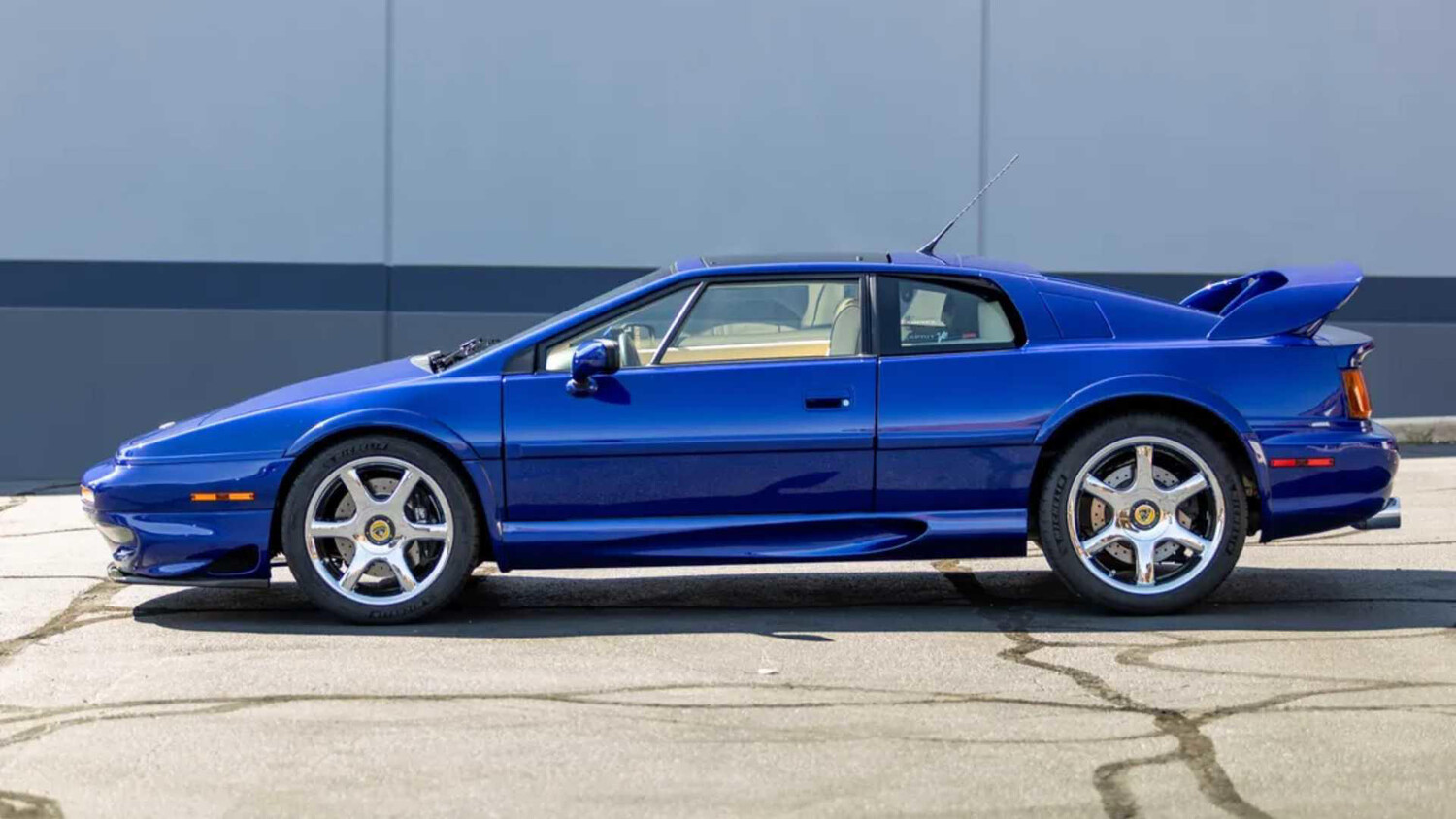
A Lotus Elan parked on a show field rarely sits alone for long. The same goes for most cars that came out of the Lotus works over the decades. Light weight, clever engineering and odd shapes give people plenty to talk about, so a crowd forms fast. These are our picks for the ten Lotus cars that draw people in at any show. The verdicts are our own take, while the specs come from the sources listed at the end. 1. Lotus Elan coupe Lotus announced the fixed-head Lotus Elan coupe in October 1965, and John Frayling styled it. Like the open car, it uses a glassfibre body over a steel backbone chassis. As a result, it looks tiny next to almost anything else on the grass. Most visitors expect the roadster, so the neat little roof catches them off guard. In our view, that surprise is half the fun. Underneath sits a 1,558 cc twin-cam four, rated from 105 to 126 bhp across the Elan range. 2. 1974 Lotus Elan Plus 2S 130/5 shooting brake The Elan Plus 2 arrived in June 1967 as a longer, wider and plusher Elan for small families. Then came the big-valve +2S 130 in November 1970, and the five-speed +2S 130/5 followed in 1973. This 1974 car goes one step further, with a shooting-brake roof where the fastback tail usually sits. That alone stops people in their tracks. Even so, the details reward a closer look. The last +2S left the line in December 1974, so this one comes from the final year of production. 3. Lotus Esprit Turbo S3 Giorgetto Giugiaro’s Ital Design drew the original Esprit and also reworked it for the Turbo. That update added a full-width front spoiler, side skirts, a louvred rear hatch and an integrated rear spoiler. Under the hatch sits the Type 910 four of 2,174 cc with a Garrett turbo, rated at 210 bhp at launch. Later, the 1986 HC update raised that to 215 bhp. We’d bet a turbo Esprit’s tail gets photographed more than anything else in its row. Lotus built 2,274 non-Essex Turbos in all, according to the Supercar Nostalgia history. 4. Lotus Esprit S4 The S4 arrived in 1993 with styling by Julian Thomson, who softened the old wedge without losing it. It used the Sport 300 as its base, according to PistonHeads’ buying guide. However, the S4 also kept the Esprit’s 2,174 cc turbo four, so it still had the old car’s character. People who grew up on poster cars tend to walk straight to it. We think the rounder nose has aged better than many expected. One enthusiast model guide lists 625 S4s built, which makes a clean one a rare find at any show. 5. 1972 Lotus Seven Series 4 Purists argue about the Series 4, and that is exactly why it pulls a crowd. Lotus launched it in March 1970 with a fibreglass body in place of the earlier aluminium panels. Alan Barrett designed it to be cheaper to build and easier to live with. Meanwhile, the asking price at launch was £930. Lotus built at least 664 before it decided to end production in July 1971. Afterwards, Caterham built 38 more before switching back to the Series 3, according to Hagerty. 6. Lotus Elan 26R The 26R was the factory racing Elan, and it carries the stories to prove it. The first car went to Peter Westbury on March 20, 1964, and roughly 97 were built across two series. Early cars ran a Cosworth twin-cam with 140 bhp, while the second series used a BRM engine with 145 bhp. Jim Clark won a support race at the 1964 British Grand Prix meeting in one. For the road-car backstory, see our look at how the 1962 Lotus Elan redefined handling. Funnily enough, Jackie Stewart called the Elan “the worst car I ever raced.” 7. Lotus Elise Sport 135 Most people know the Elise, but very few know this one, which is why we love spotting it. Lotus announced the Sport 135 in November 1998 and built just 85 across two batches. Its 1.8-liter Rover K-series got a ported head and a sports exhaust for an official 135 bhp. In addition, it wore Quicksilver paint with a matching roll bar. The car weighed 755 kg, the same as a standard Elise. Supercar Nostalgia quotes a 0-62 mph time of 5.3 seconds, down from 5.8. 8. Lotus 2-Eleven The 2-Eleven looks like a race car that wandered into the wrong field, and visitors can’t resist it. Lotus built it as a pared-down, open-top version of the Exige S. Its supercharged 1.8-liter engine made 252 bhp, and the car weighed just 670 kg. Consequently, Top Gear quoted 0-60 mph in 3.8 seconds and a 155 mph top speed. The track car cost £39,995 in 2007. For another £1,100, Lotus made it fully road legal. 9. Lotus Emira The Emira draws a different kind of crowd, because people know what it represents. Hagerty called it the last internal-combustion vehicle Lotus will ever build. Buyers could pick a supercharged 3.5-liter V6 with a six-speed manual or a turbocharged 2.0-liter AMG four with a dual-clutch gearbox. In fact, Lotus quoted 360 to 400 hp at launch across the two. It rides on the new Sports Car Architecture rather than the old bonded tub. Lotus builds it at a new facility at Hethel in Norfolk. 10. Lotus Evija An Evija at a show is an event in itself, simply because so few exist. Lotus revealed it in London with four electric motors and a combined 2,000 PS, or 1,972 hp. According to Hagerty, it weighs 3,700 pounds, which makes it the heaviest road car Lotus has built. Nobody at the rope line seems to mind, though. The 70-kWh battery sits mid-car. Lotus hand-builds the cars at Hethel, and the company capped production at 130 cars, priced at $2.3 million each.

 Liked by Camille Brown, Camille Smith


 Liked by Camille Brown, Camille Smith