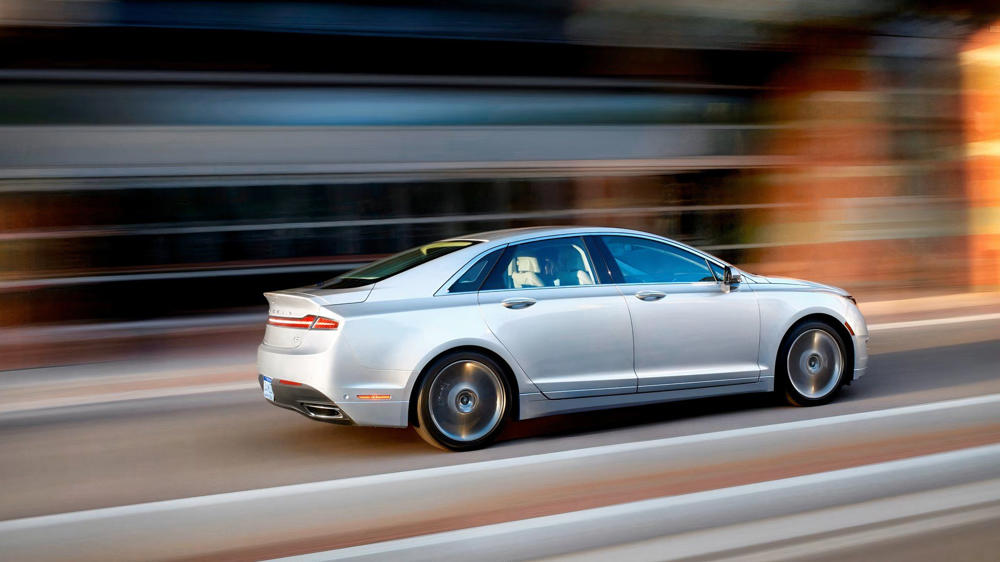
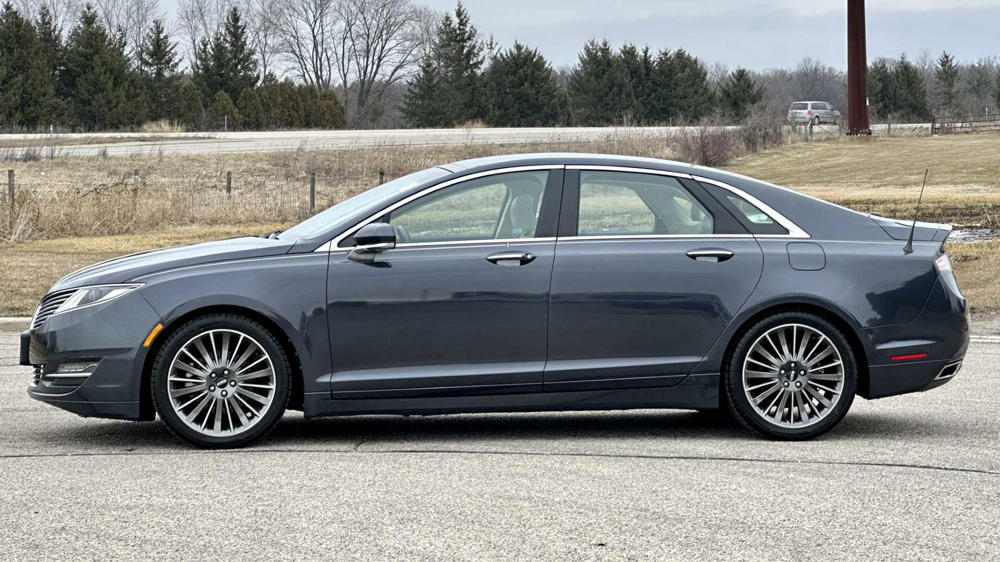
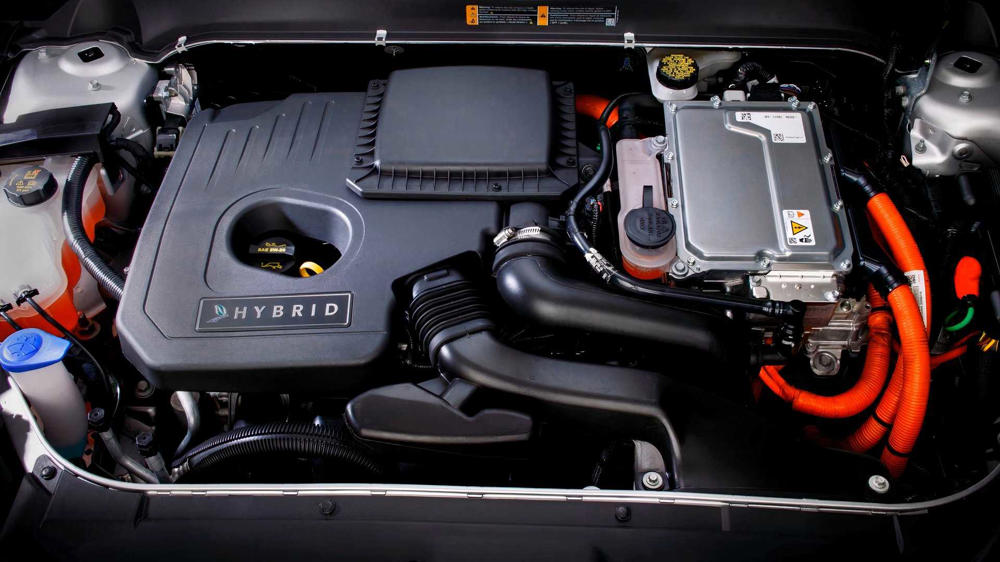
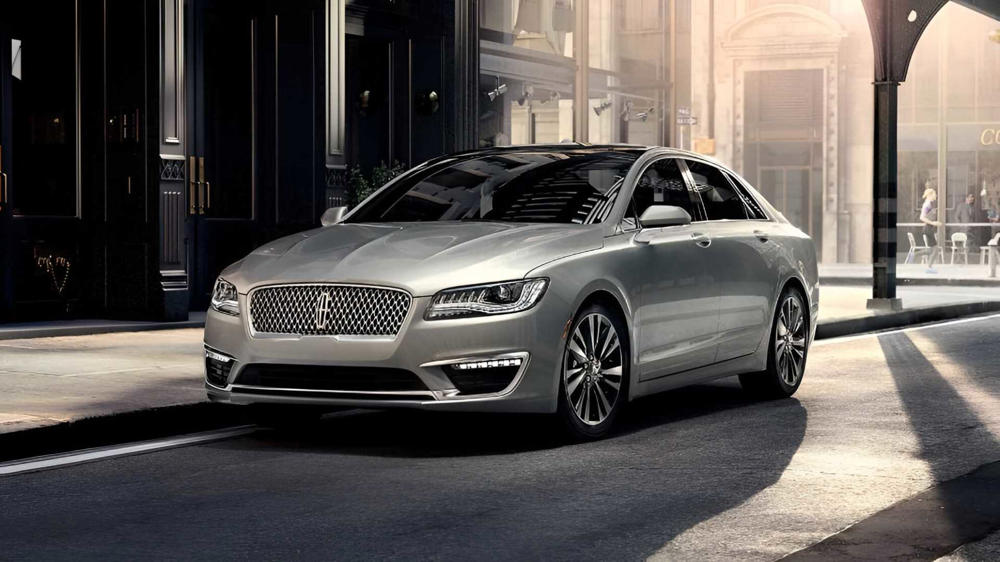
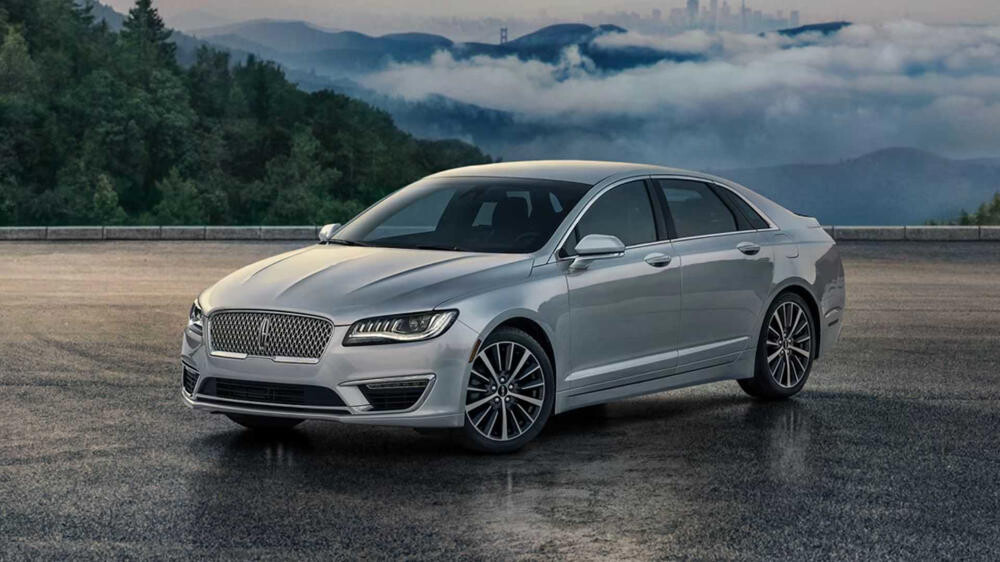
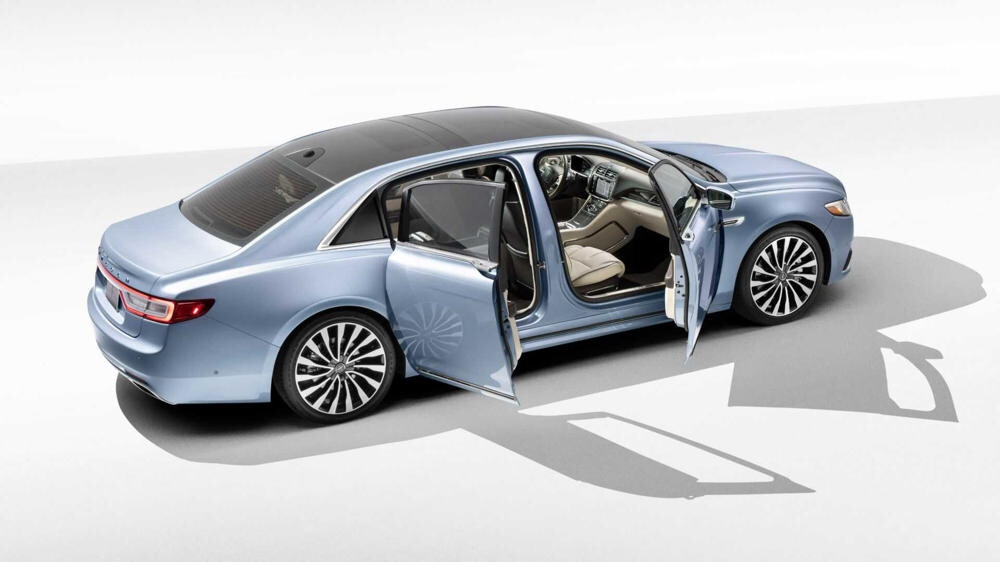
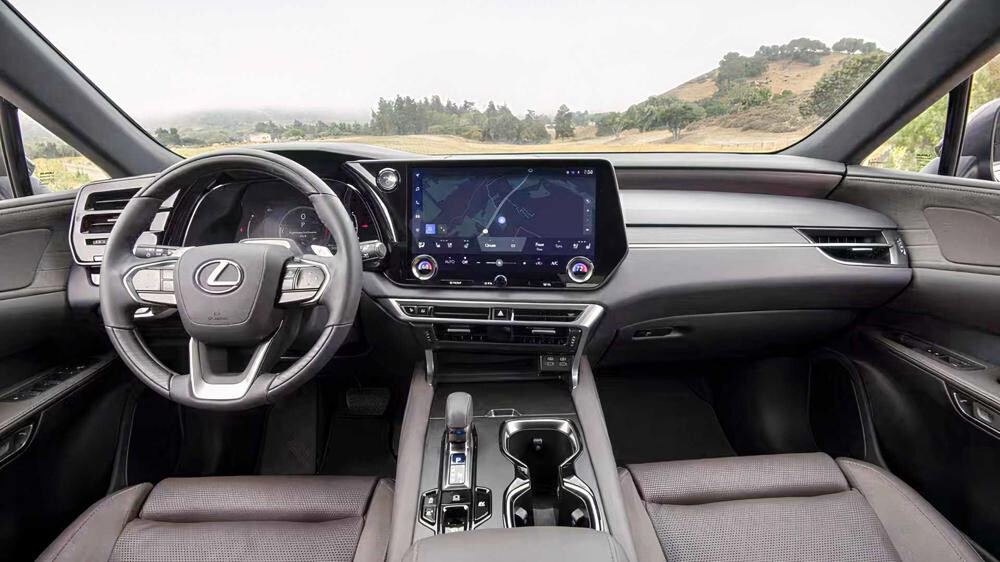
Hybrids have a reputation problem in the luxury world. Buyers expect a Japanese badge or a German one, and the American option tends to vanish from shopping lists before it is even considered. That blind spot is exactly where the bargains hide. One quiet, softly sprung sedan spent years sitting unloved on dealer lots, then lost value faster than almost anything with a premium badge. Today it offers comfort, efficiency, and equipment that cost far more when it was new. If you commute long distances and value calm over cornering, read on. The Lincoln MKZ Hybrid Offered Luxury-Sedan Comfort Without Luxury-Car Fuel Bills When the second-generation MKZ arrived for the 2013 model year, Lincoln made a smart and slightly unusual move. The hybrid cost the same as the gas version. There was no green tax and no penalty for choosing the frugal option. For a brand trying to rebuild its image against Lexus and Acura, that was a pointed message. The pitch was simple. You got a handsome, wide-grilled sedan with a properly premium cabin, generous standard equipment, and a ride tuned for isolation. The fuel bill, though, looked more like a Toyota Prius owner's than an executive-car driver's. It never became a sales hit. Buyers who wanted efficiency went to Toyota, and buyers who wanted luxury went to Germany. Lincoln's hybrid sat in the middle, and that is precisely why it is such a good used proposition today. It was built for people who never showed up, so there are plenty of well-kept, low-mileage examples out there. Its Hybrid Powertrain Delivers Impressive Efficiency Without Sacrificing Refinement Under the hood sits a 2.0-liter Atkinson-cycle four-cylinder paired with an electric motor and a lithium-ion battery, feeding the front wheels through an e-CVT. Combined output is roughly 188 horsepower, which is plenty for relaxed highway work and city traffic. Efficiency is the headline though. Depending on model year, the EPA rated the MKZ Hybrid at somewhere between 38 and 45 mpg combined. Real-world figures in the low 40s are achievable for owners who drive sensibly, which is remarkable for a car of this size and weight. Refinement is where it separates itself from cheaper hybrids. The engine shuts off often and restarts smoothly, and the transition between electric and gas power is barely perceptible. The e-CVT can drone under hard acceleration, as these transmissions tend to, but in normal driving the car glides along well enough. It does not feel like a science project. It feels like a regular luxury sedan that happens to sip fuel frugally. Steep Depreciation Has Turned This Forgotten American Sedan Into A Used Bargain Here is where the math gets interesting. The MKZ launched at $35,000 in hybrid form, and the nameplate was discontinued after the 2020 model year. Lincoln's sedans suffered brutal depreciation as buyers fled to SUVs, and the hybrid took the hit along with the rest of the range. Prices vary by market, mileage and condition, but earlier cars commonly trade for well under $10,000, while later, lower-mileage examples with the Reserve trim and driver-assist features sit in the mid-teens. Compare that with a similarly aged Lexus ES 300h, which holds its value far better, and the discount becomes obvious. A Quiet Cabin And Comfortable Ride Make It An Underrated Daily Driver Lincoln MKZ (2017) interior shot showing front seats Lincoln spent real effort on isolation, and it shows. Acoustic glass, generous insulation and a suspension tuned for softness keep road noise and bumps well away from the occupants. On the highway the cabin is hushed, and with the engine often off at low speeds, town driving is eerily calm. The seats are broad, supportive and comfortable over long distances, and the cabin materials hold up better than the badge's reputation suggests. Rear legroom is good. Trim levels with the Revel audio system add a serious sound system, and many cars have adaptive cruise control, lane-keeping and blind-spot monitoring. There are caveats, however. The MyLincoln Touch infotainment system on early cars was slow and unpopular, and the Sync 3 update on 2017 and later models is far better. The touch-sensitive controls take some getting used to. Handling is safe rather than exciting, and the trunk is compromised because the battery intrudes, leaving noticeably less space than the gas-only car. If you carry bulky loads regularly, check the trunk before you buy. For commuting and highway cruising, though, few cars at this price relax you as effectively. Reliability, Battery Health And Ownership Costs Determine Whether It's A Smart Buy The big question for any used hybrid is the battery. The MKZ Hybrid shares its drivetrain architecture with the Ford Fusion Hybrid, and the underlying hardware has proved durable. Many cars have passed 150,000 miles on their original packs, and Ford warrants hybrid components for eight years or 100,000 miles in most markets, so some early cars are now outside cover. Replacement is not cheap, but it is manageable. A new pack from a dealer can run to several thousand dollars, often in the $5,000 to $8,000 range with labor, while remanufactured or aftermarket packs commonly cost half that. Always verify current pricing with a specialist, because quotes vary widely. Treat any car with a failing pack as a negotiating tool rather than a dealbreaker. Before buying, ask for a hybrid battery health report, check that the cooling vents are clear, and confirm that no warning lights are present. Brake wear is typically low thanks to regenerative braking, but the electric power steering and suspension bushings deserve a thorough check. Routine servicing costs are modest, and the Fusion Hybrid's shared components mean parts are plentiful and often cheaper than the Lincoln badge implies. The Fusion Hybrid is the sensible cross-shop. It offers similar efficiency and mechanicals for less money, but it lacks the MKZ's quieter cabin, better materials, and richer equipment. If you value that extra refinement, the Lincoln is the better long-term companion. Buy a well-maintained example with documented history, budget for eventual battery work, and you get a comfortable, economical luxury sedan for a fraction of its original price. It is not exciting, and it will never be a collector's item, but as a used buy it is hard to beat when it comes to the rare blend of luxury and value. Sources: Lincoln U.S., Kelley Blue Book, The EPA, Motortrend

 Liked by Caleb Nelson, Nathan Johnson
 Liked by Caleb Nelson, Nathan Johnson