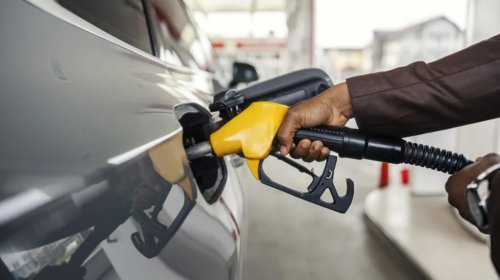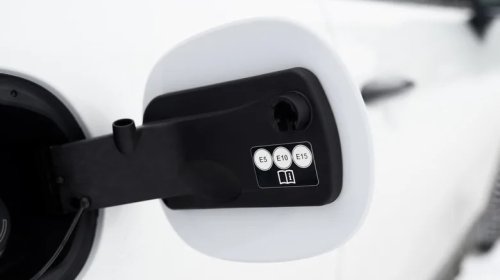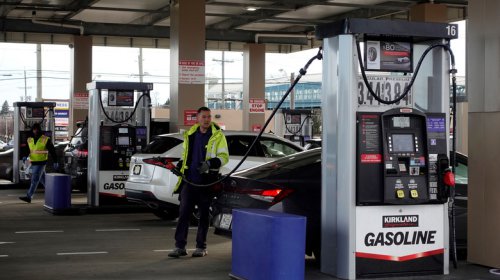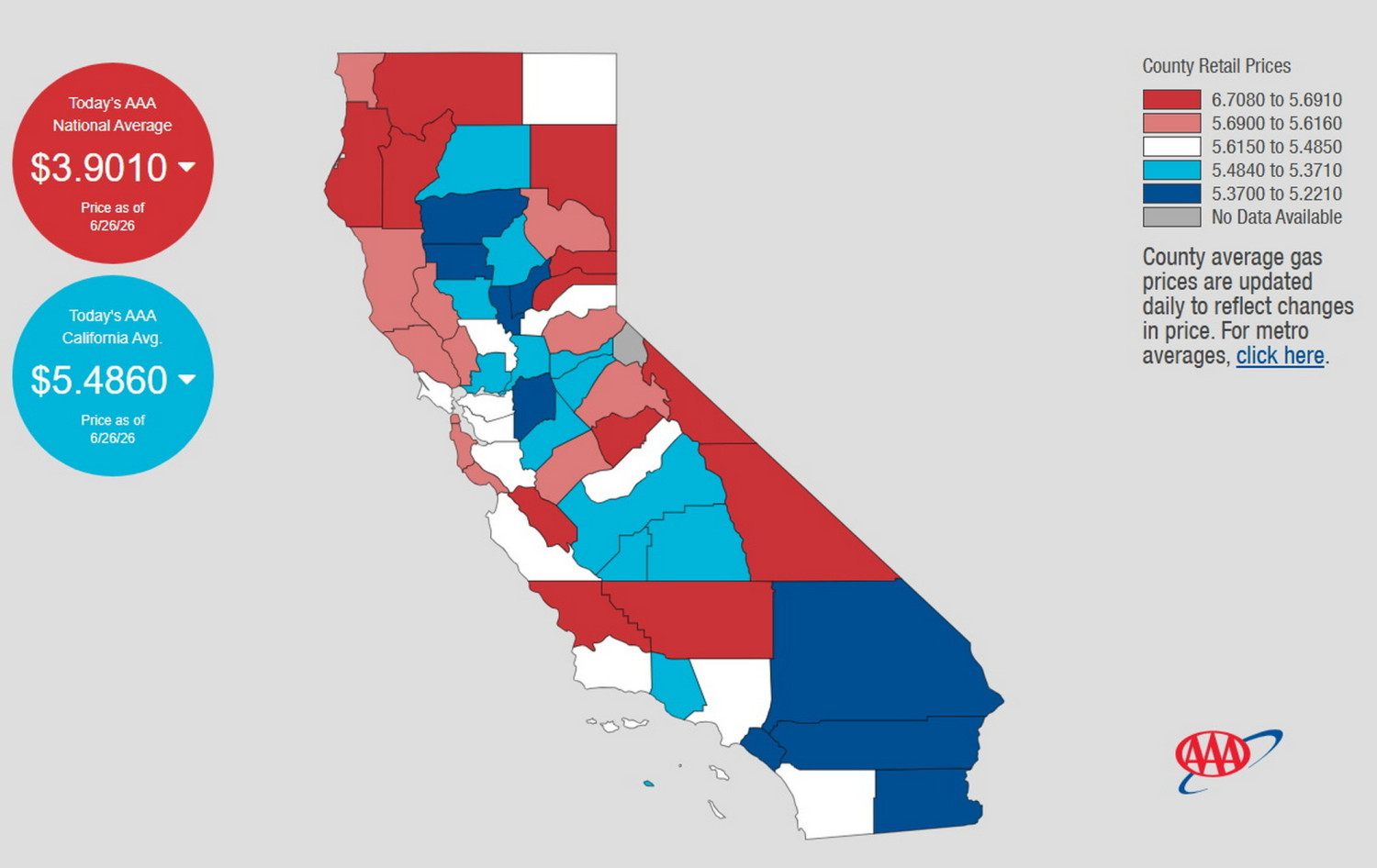
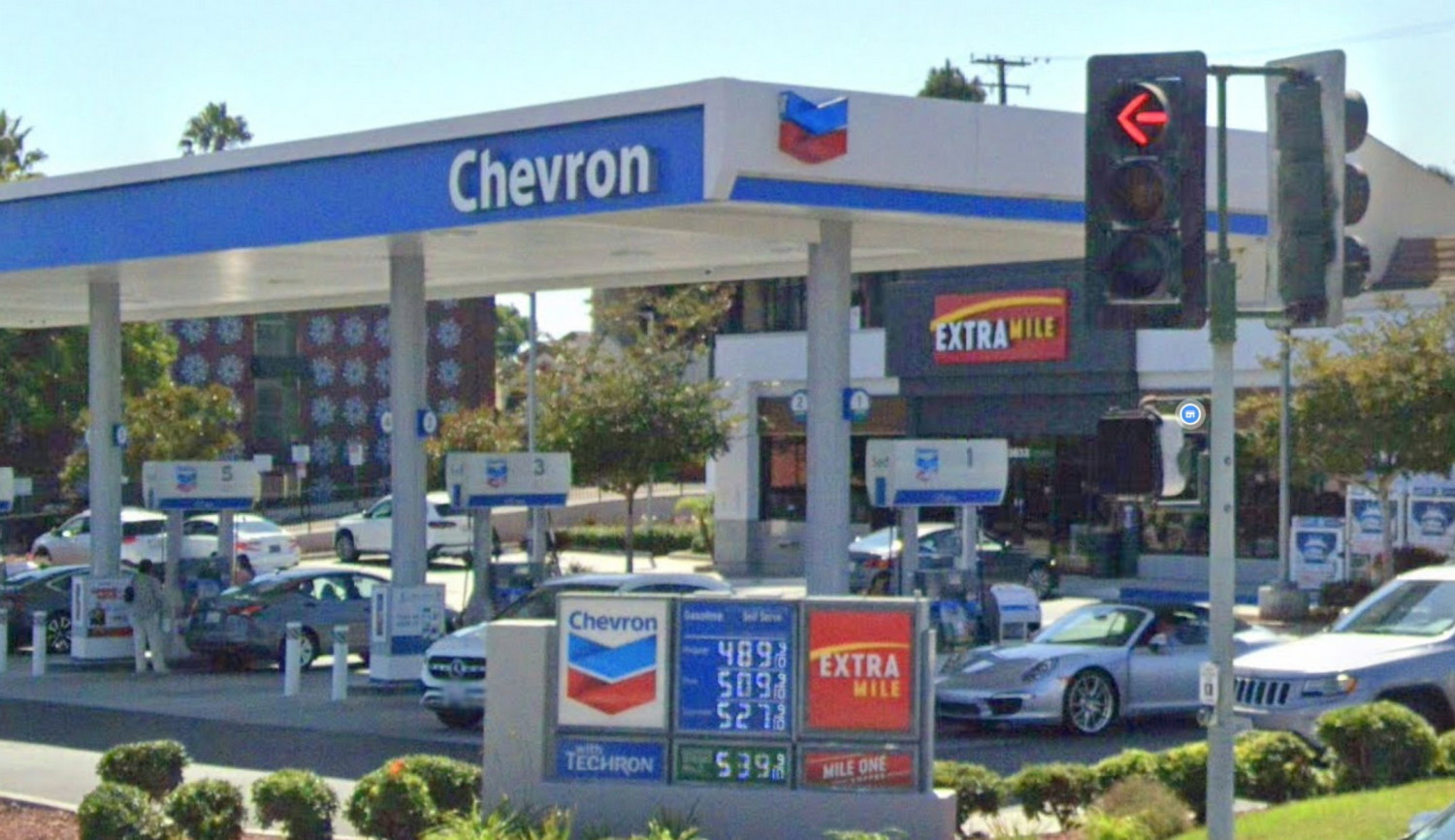



















California’s gas tax will rise to 63.4 cents per gallon on July 1. State taxes and fees add roughly $1.20 to every gallon sold. Gas tax revenue is growing harder to sustain as fuel consumption declines. The cost of living is getting higher and higher all the time, but in California, things are on a different level. Residents there are about to get another reminder of that starting on July 1. That’s when the state’s gasoline excise tax will increase by 2.2 cents per gallon, bringing the total to 63.4 cents per gallon, the highest state-level gas tax in the nation. That’s notable enough on its own, but the bigger story is how quickly the tax has grown. Less than a decade ago, California’s gas tax stood at 27.8 cents per gallon. Now it’s more than double that figure, and the increases are built into law. A Tax That Raises Itself The latest adjustment stems from Senate Bill 1, a 2017 transportation funding package that automatically raises fuel taxes each year. Republican lawmakers have seized on the increase as evidence that Sacramento is making life more expensive for drivers, while supporters argue the money is needed to maintain roads, bridges, and transportation infrastructure. More: Illinois Lawmakers Want To Tax How Far You Drive, Without Saying How Of course, as Contra Costa News points out, the gas tax is only one piece of the puzzle. California motorists also pay state and local sales taxes on fuel, cap-and-trade costs, Low Carbon Fuel Standard compliance costs, and underground storage tank fees. Depending on how those costs are calculated, state taxes, fees, and mandates add roughly $1.20 to every gallon sold. Electric vehicle owners also contribute to road funding through an annual Department of Motor Vehicles registration fee rather than paying fuel taxes at the pump. Collecting More While Selling Less Credit: AAA What’s particularly interesting is that the state is collecting these taxes while gasoline consumption continues to fall. According to transportation officials cited by KSBY, annual gasoline consumption has dropped from roughly 13.5 billion gallons to 11.5 billion gallons in just the last few years as more Californians switch to electric vehicles. That creates a growing challenge for planners who still need money for roads but lean ever harder on a shrinking pool of gasoline sales. California’s pump prices are shaped too by the state’s thin connection to the national pipeline network, where recent refinery closures have pushed up reliance on gas delivered by truck and ship. The state’s own funding charts show just how massive the system has become. California expects roughly $20.3 billion in transportation-related taxes and fees during the 2025-26 fiscal year. It’s hard to imagine that amount of cash being not enough while fuel prices are still higher than anywhere else in the USA. Photos: Google Maps