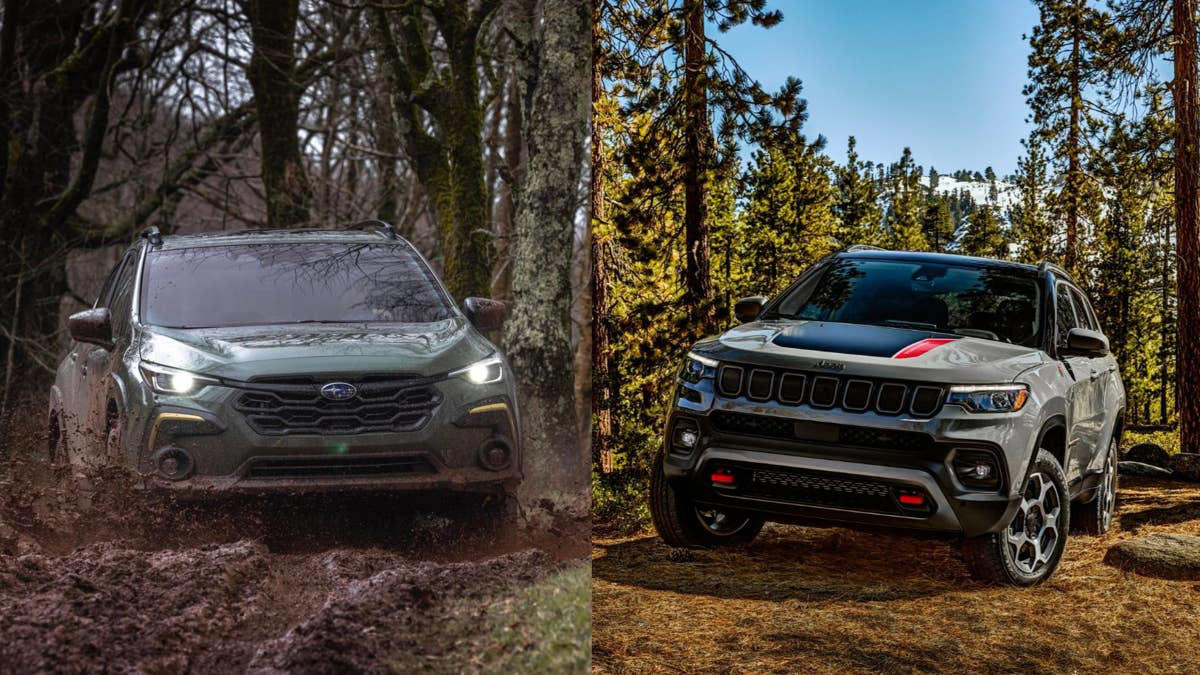
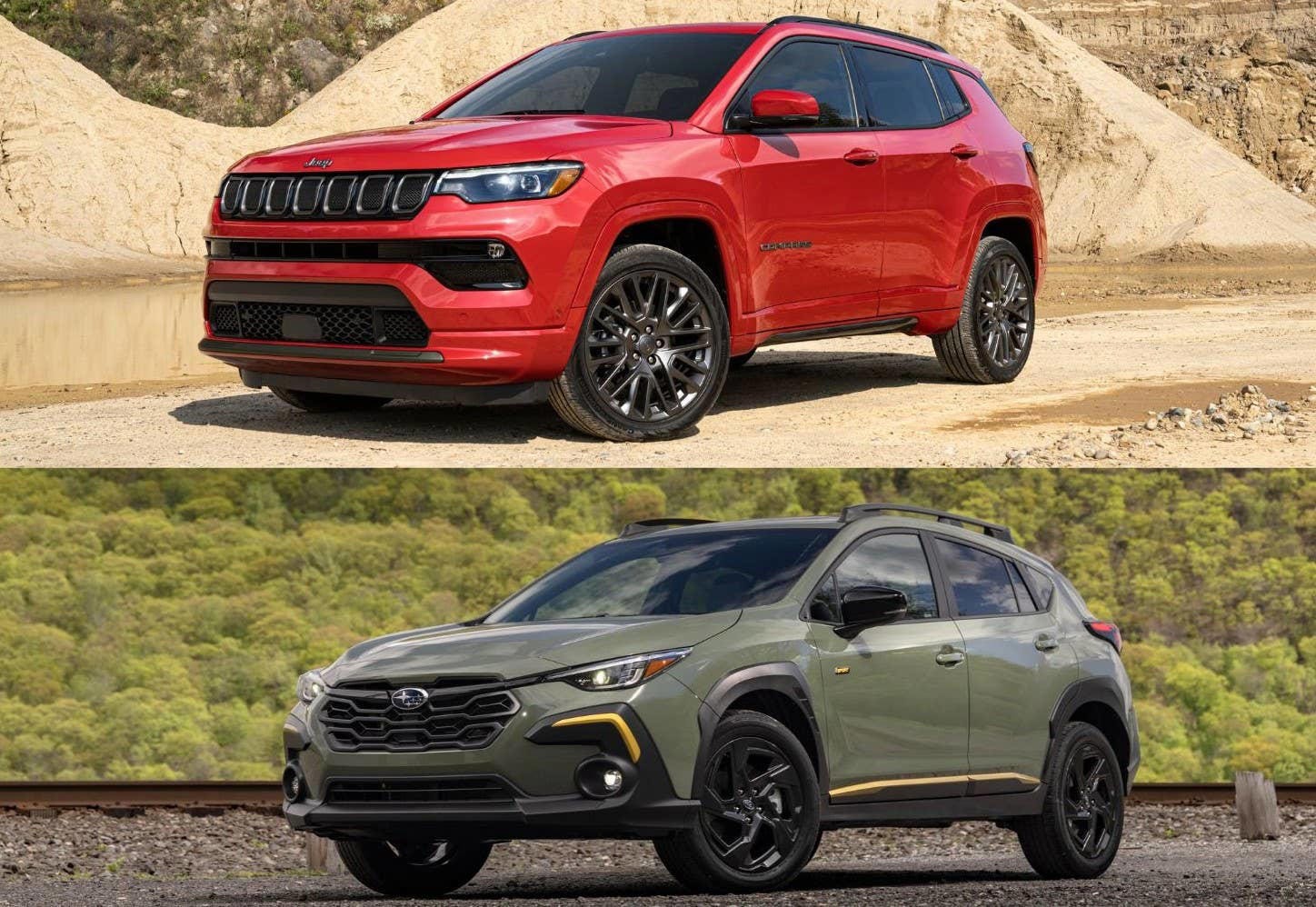
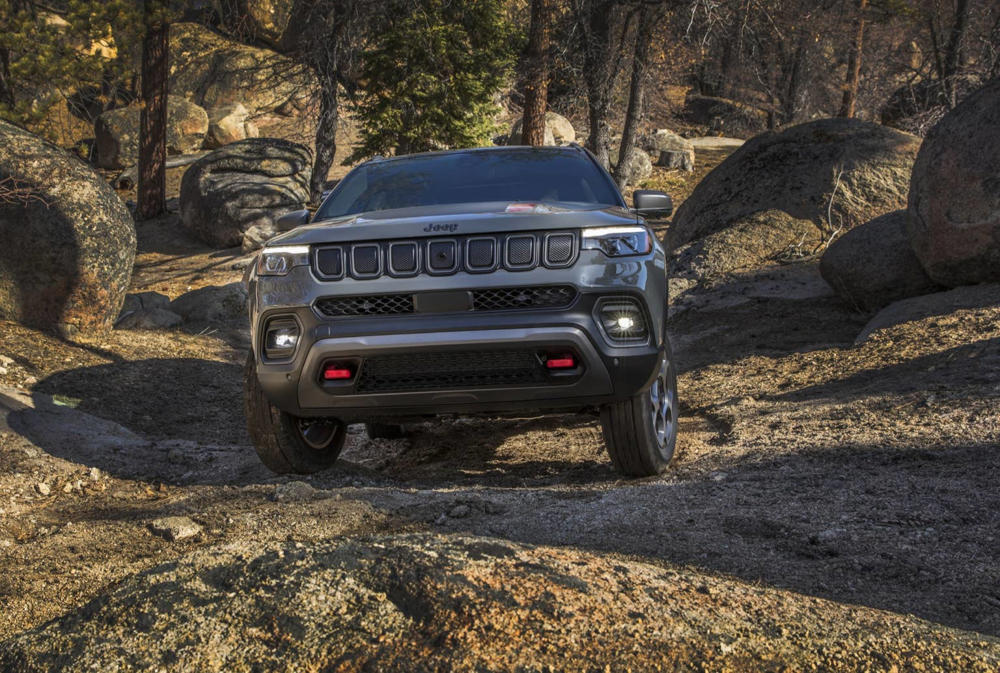
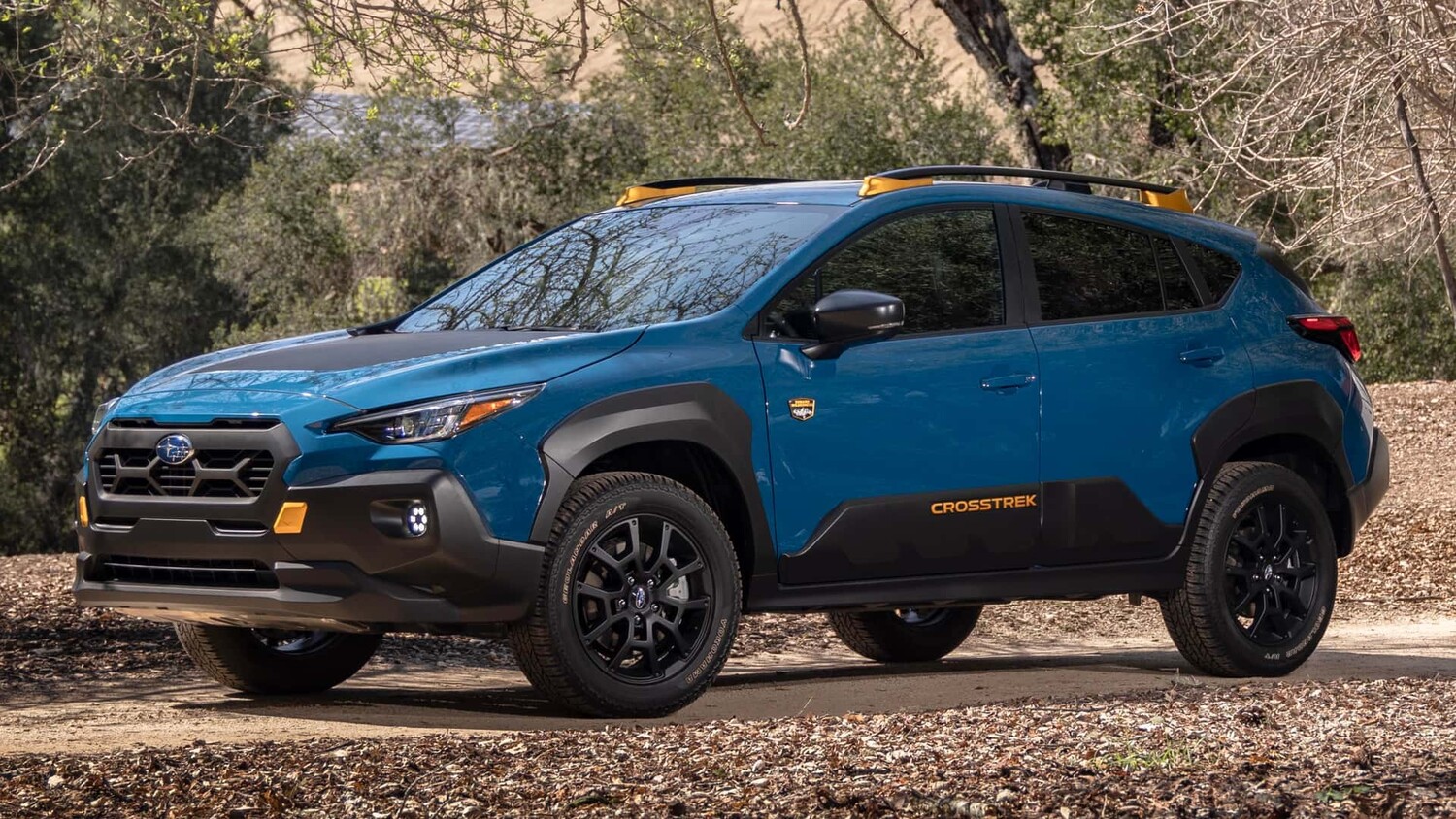
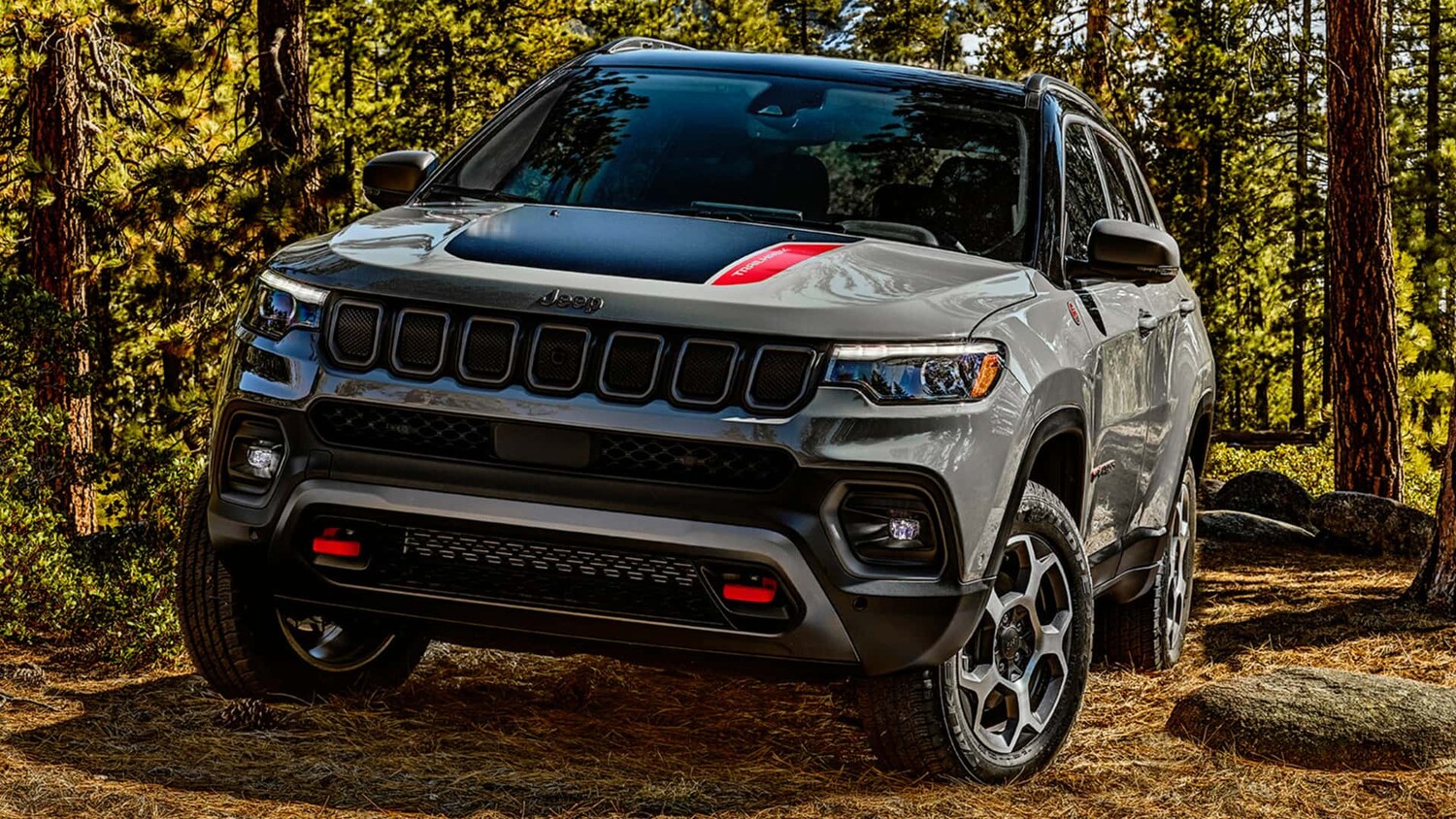
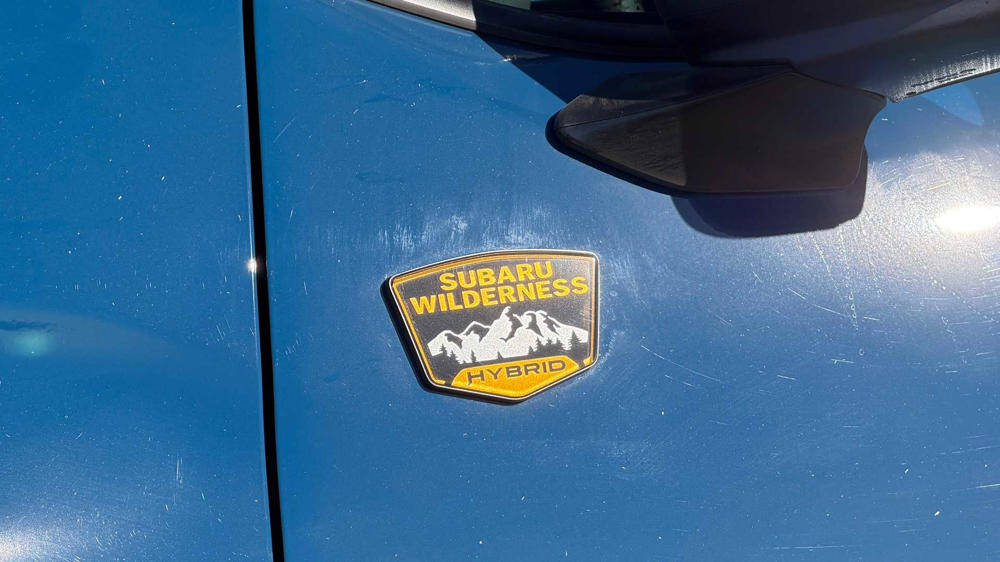
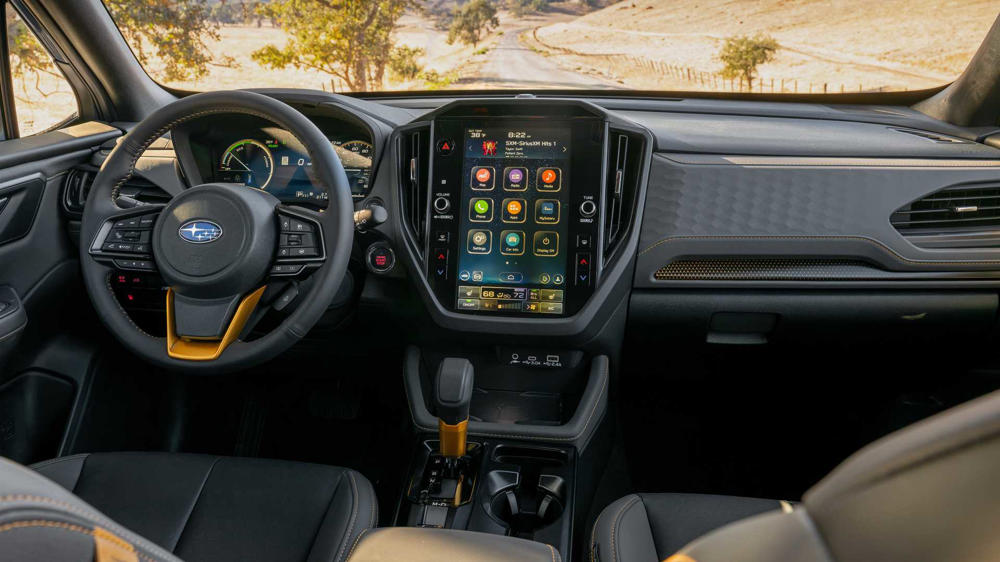
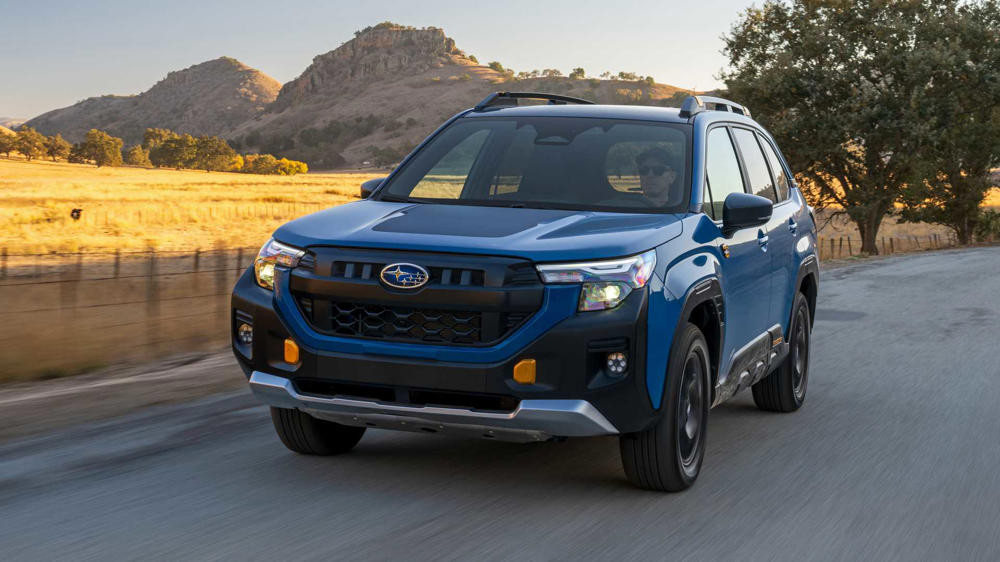
Battle of the Small Crossovers The compact crossover segment is one of the most competitive in the automotive industry, and the Jeep Compass and Subaru Crosstrek are two familiar contenders. Both appeal to buyers who want the practicality of an SUV without the bulk of a larger vehicle. They also offer all-wheel-drive capability, useful ground clearance, and rugged styling that suggests they’re ready for more than grocery runs and daily commutes. Despite their similarities, the Compass and Crosstrek take different approaches to the compact SUV formula. The Jeep leans heavily on its traditional off-road identity, particularly with the Trailhawk trim, while the Subaru is all bout hatchback versatility, efficiency, and premium safety features. Both have their strengths, but their sales figures couldn’t be more divergent from each other. Subaru’s smallest crossover remains one of the brand’s most popular vehicles, while Jeep is struggling to maintain momentum with its severely aging Compass. The Crosstrek’s Sales Lead Is Massive The sales figures reveal just how badly Jeep is losing this battle. Through September 2026, Subaru sold 138,249 Crosstreks in the United States, compared with just 47,837 Compasses. That’s a staggering 90,412-vehicle advantage for Subaru, which is outselling the Jeep by nearly three to one. This isn’t a close contest by any stretch of the imagination. Some buyers might not even realize the Compass is still for sale. Jeep Compass High Altitude What’s more concerning for Jeep is the direction of its sales. Compass deliveries plummeted 42% compared with the first nine months of 2025, when Jeep sold 82,920 units. The third quarter was even more brutal, with sales tanking 62% from 28,086 to just 10,811 vehicles. The Crosstrek dropped in sales, but its 3.1% year-to-date decrease is relatively minor. Subaru also had an impressive October, selling 16,574 Crosstreks, a 1.8% increase over October 2025 and the model’s best October ever. That pushed year-to-date sales to 154,823 vehicles. Jeep reports quarterly rather than monthly figures, so an equivalent October comparison isn’t available. Still, the nine-month numbers tell us everything we need to know about which crossover has the upper hand, and it’s not pretty for Jeep. Subaru’s Formula Is Working The Crosstrek’s biggest advantages are its affordability, youthful appeal, and efficiency. The 2026 model starts at $26,995, making it more than $2,500 cheaper than the base Compass. Both models come with standard all-wheel drive, but because the Crosstrek’s entry price is less and its reliability ratings are significantly higher, it’s a more appealing buy on at least those two counts. The price difference matters in a segment where buyers tend to prioritize value. Subaru also simplified the Crosstrek’s powertrain lineup for 2026. The previous 2.0-liter engine is gone, and conventional gasoline models now use a 2.5-liter boxer four-cylinder producing 180 horsepower. It’s not exactly a powerhouse, but it provides adequate performance while delivering up to 33 mpg on the highway. More importantly, buyers no longer have to upgrade to a higher trim to get the stronger engine. The addition of the Crosstrek Hybrid gives Subaru another advantage. Its electrified powertrain delivers improved efficiency, with EPA estimates of 36 mpg city and highway. That’s considerably better than the Compass, which doesn’t offer a hybrid option in the United States. Subaru’s hybrid also retains standard all-wheel drive, so buyers don’t have to sacrifice traction for fuel savings. The Crosstrek Wilderness adds another dimension to the lineup. With 9.3 inches of ground clearance, all-terrain tires, and a more capable suspension setup, it offers genuine off-pavement ability without abandoning the Crosstrek’s everyday usability. The Crosstrek can also tow 3,500 pounds, 1,500 pounds more than the Compass. The Compass Still Has Some Advantages The Compass isn’t without its merits. In fact, Jeep offers a stronger standard engine than Subaru. Every 2026 Compass uses a turbocharged 2.0-liter four-cylinder producing 200 horsepower and 221 lb-ft of torque, paired with an eight-speed automatic transmission and standard four-wheel drive, and the system defaults to front-wheel drive for fuel savings. when traction isn’t needed. That’s 20 more horsepower than the conventional Crosstrek, along with substantially more torque. Efficiency isn’t quite as good at 23 mpg city, 31 mpg highway, and 26 mpg combined. The Compass can also tow up to 2,000 pounds, making it a useful option for buyers who occasionally pull a small trailer. Its available 10.1-inch infotainment touchscreen, roomy interior, and rugged exterior styling give it some genuine appeal. The problem is that these advantages aren’t translating into strong sales. The Trailhawk si the Compass’s strongest selling point because it delivers a vehicle that can actually off road. Its specialized four-wheel-drive hardware, low-range gearing functionality, underbody protection, and off-road-oriented suspension make it a more serious trail machine than the average compact crossover. While the Crosstrek Wilderness is capable in its own right, the Compass Trailhawk has legitimate Jeep off-road credentials. You can hit a real trail with the Compass Trailhawk, whereas the Crosstrek Wilderness isn’t quite as capable. The Jeep Compass Trailhawk is better suited for slow, technical trails and low-speed crawling because of its excellent low-range gearing and Trail Rated hardware, while the Subaru Crosstrek Wilderness can easily manage rough gravel, dirt roads, and winter driving with higher ground clearance (9.3 inches vs. 8.6 inches). However, the Compass is also showing its age. The current generation dates back to the 2017 model year, and despite updates over the years, its basic design is getting long in the tooth. The Crosstrek, meanwhile, entered its third generation for 2024 and has continued to improve. Jeep’s aging interior design, relatively high starting price, and lack of an electrified powertrain make it increasingly difficult to compete in this crowded segment. Final Thoughts The Subaru Crosstrek is absolutely crushing the Jeep Compass in 2026 sales, outselling it by nearly three to one through September. Subaru’s formula of standard all-wheel drive, competitive pricing, strong fuel economy, and an available hybrid is clearly resonating with buyers. Jeep, meanwhile, is facing a steep sales decline with a vehicle that offers true off-road capability but is struggling to remain competitive due to its dated design, mediocre efficiency, and diminished reliaibility. The Compass does have a more powerful standard engine, and the Trailhawk’s off-road hardware give it an off-road leg up. But sales figures measure popularity, not necessarily superiority. The Crosstrek is winning the popularity contest by an enormous margin, and Jeep has considerable ground to make up. Whether a future Compass can reverse that trend is a big if.

 Liked by Evan Turner, Connor Lavoie



















 Liked by Evan Turner, Connor Lavoie