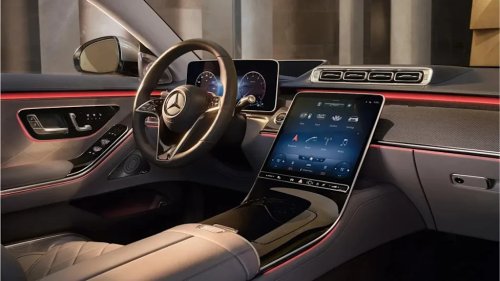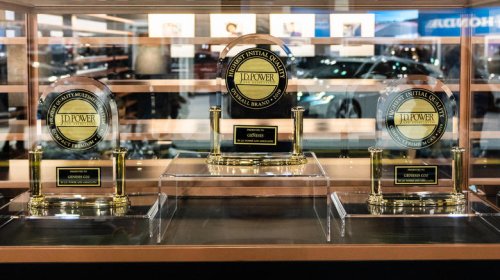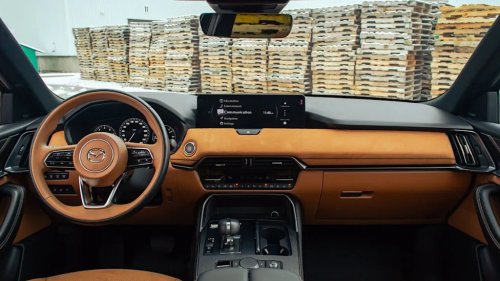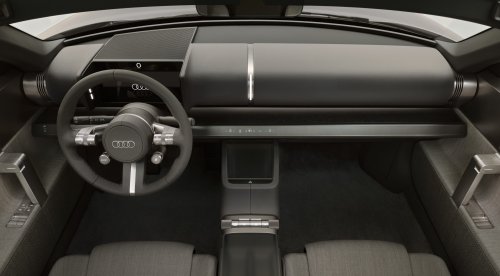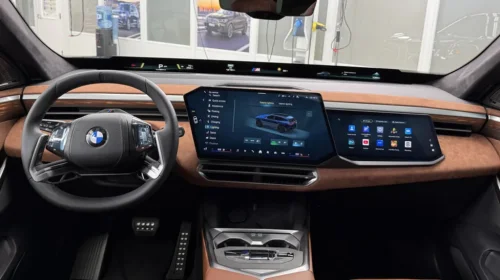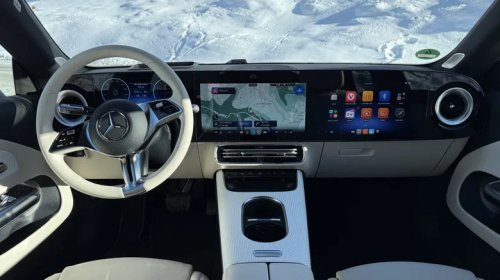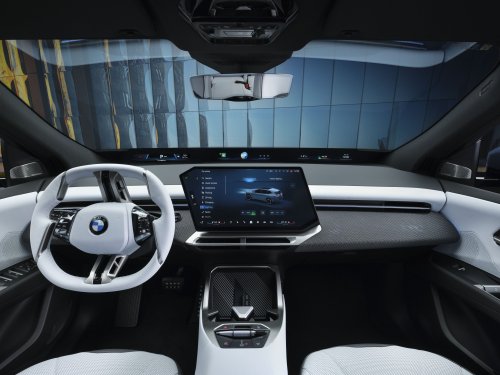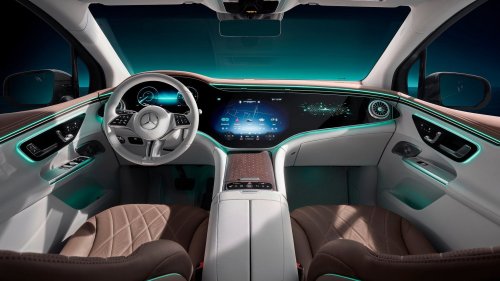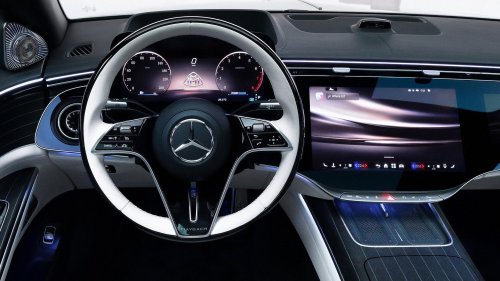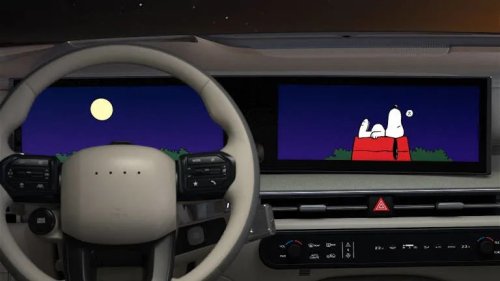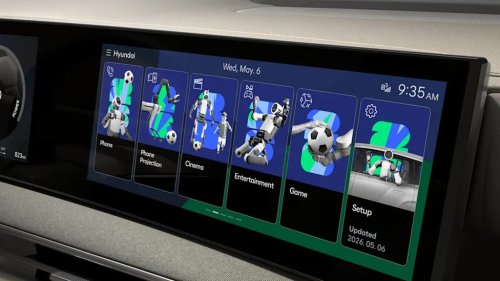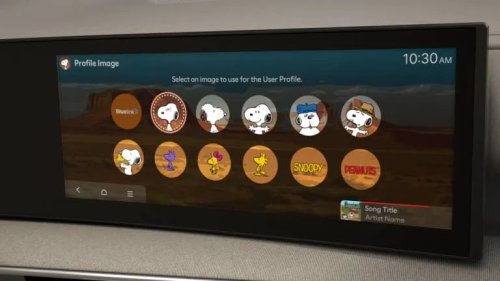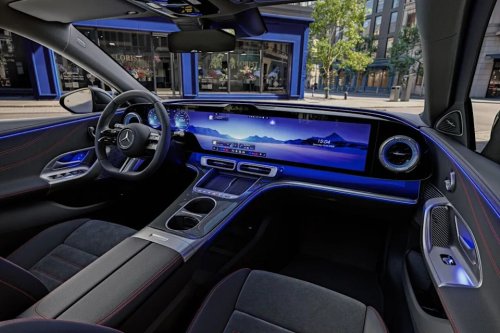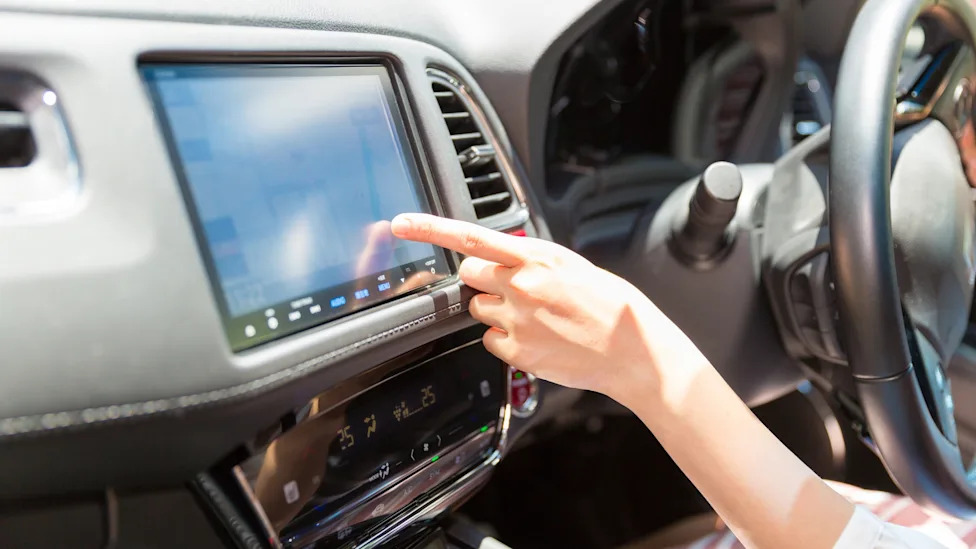


















JD Power finds drivers are tuning out giant in-car screens as frustrations mountThe Cool DownDaniel JohnTue, September 15, 2026 at 9:24 AM UTCAdd us on GooglePhoto Credit: iStockIn recent years, automakers have leaned on larger dashboards and showier displays to give cabins a more futuristic feel. For many drivers, though, those added screens have become an annoyance, especially when multi-level menus and buggy software make routine tasks harder.A new survey found that many owners get more value from in-car tech that works in the background than from the high-profile screens dominating modern dashboards.Here's what to knowAccording to Futurism, JD Power surveyed 68,000 owners of 2026 model-year vehicles. The results highlight a disconnect between the features being added to new cars and the ones drivers seem to value in everyday use.AdvertisementAdvertisementPassenger-side displays, which have become increasingly common, were largely ignored in the survey: More than one-third of owners said they never used them at all, and only 6% reported using them every time they got into the car.JD Power also found that bigger screens were associated with more infotainment problems, undercutting the idea that extra display space automatically improves the driving experience.When JD Power asked drivers to rank 40 consumer-facing technologies, practical features such as smart ignition and smart climate control came out on top. Meanwhile, passenger console touchscreens finished at the bottom.Worse yet, touchscreen controls have been linked to serious safety concerns not associated with traditional buttons and knobs.AdvertisementAdvertisement"The technology customers value most is often the technology they barely notice because it simply works," said Doron Hikry, JD Power director of customer success, according to Futurism. "Smart ignition and smart climate control make everyday driving easier without demanding the driver's attention, while more automation and additional screens don't necessarily translate into a better experience."More backgroundLarge touchscreens are now a common part of new-car design, with many automakers building dashboards around displays that can stretch from the driver's area into the passenger side.While meant to appeal to the modern car-buyer, this design choice comes with real tradeoffs. When controls for climate, audio, navigation, and other everyday functions are buried in layered menus, tasks that once required a quick turn of a dial can take more time and draw more attention away from the road.JD Power's survey also found some hesitation around advanced self-driving features. Owners gave Level 2 systems stronger ratings than Level 2 Plus driver-assistance systems, which can allow hands-free driving in certain situations. The finding suggests that many drivers are still more comfortable with technology that supports them while driving rather than systems that ask them to hand off more control to automation.What's being done?Some automakers appear to have received the message. As frustration with screen-heavy interiors has grown, certain companies have begun restoring tactile controls for key functions, recognizing that physical buttons and knobs can be easier to use and less distracting.AdvertisementAdvertisement"The results indicate that owners may currently be more comfortable with systems that clearly assist the driver rather than those that introduce a greater degree of automation," Hikry added, per Futurism.Where can I learn more?As cars become increasingly digitized, drivers are running into familiar frustrations in different forms. These articles show how those problems can surface through dashboard ads, disputed mileage readings, missed security recordings, repair barriers, and charging issues.• A Jeep owner objected when dashboard pop-up ads turned the cabin into marketing space.• Tesla now faces claims that odometer readings were inflated, raising concerns about software-driven accuracy.AdvertisementAdvertisement• A Rivian driver returned to find Gear Guard missed vandalism despite the company's high-tech promise.• Drivers say repair delays worsen when software locks out fixes on increasingly computerized vehicles.• EV owners are confronting charging cables cut at public stations, adding fresh frustration.Get TCD's free newsletters for easy tips, smart advice, and a chance to earn $5,000 toward home upgrades. To see more stories like this one, change your Google preferences here.