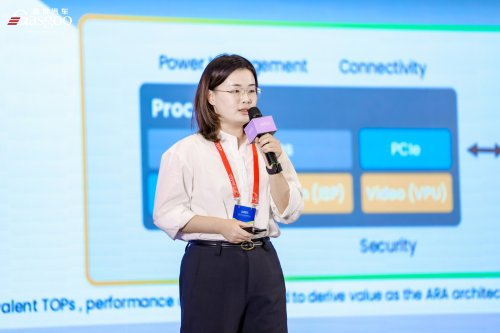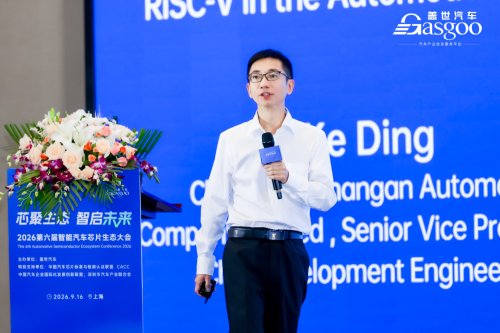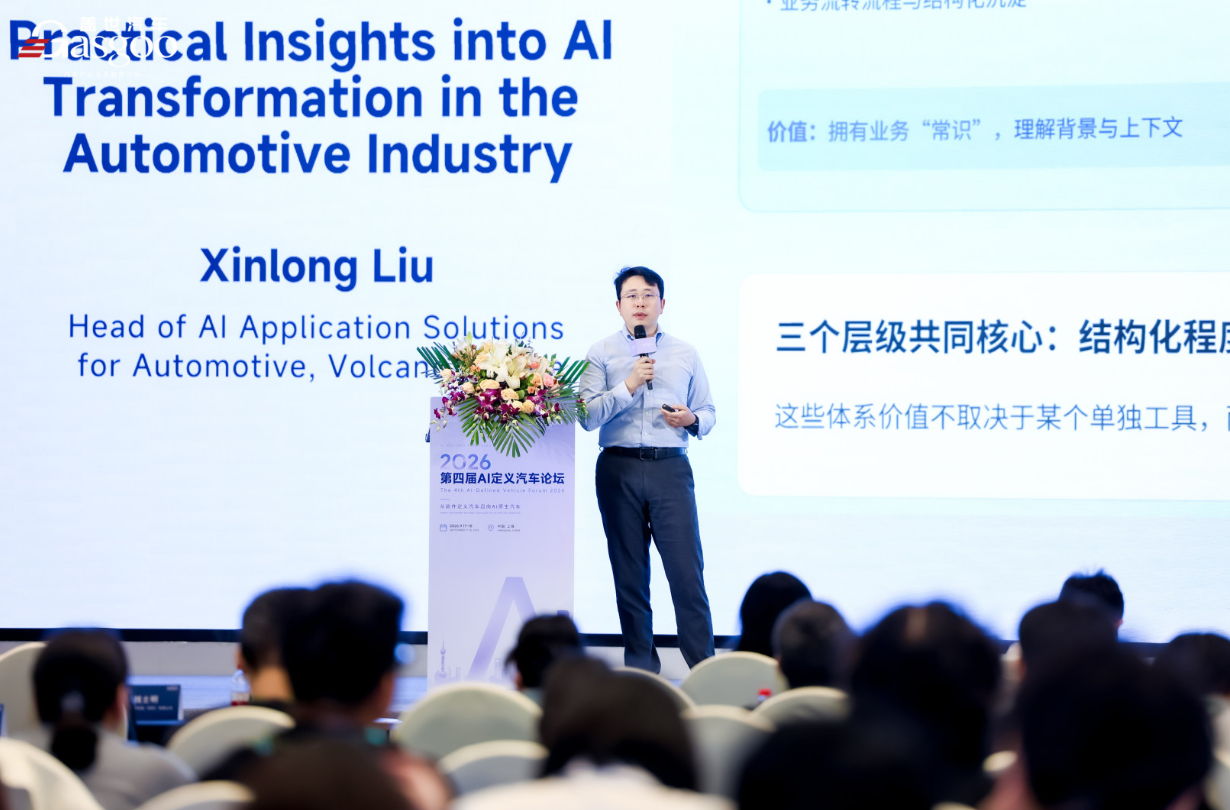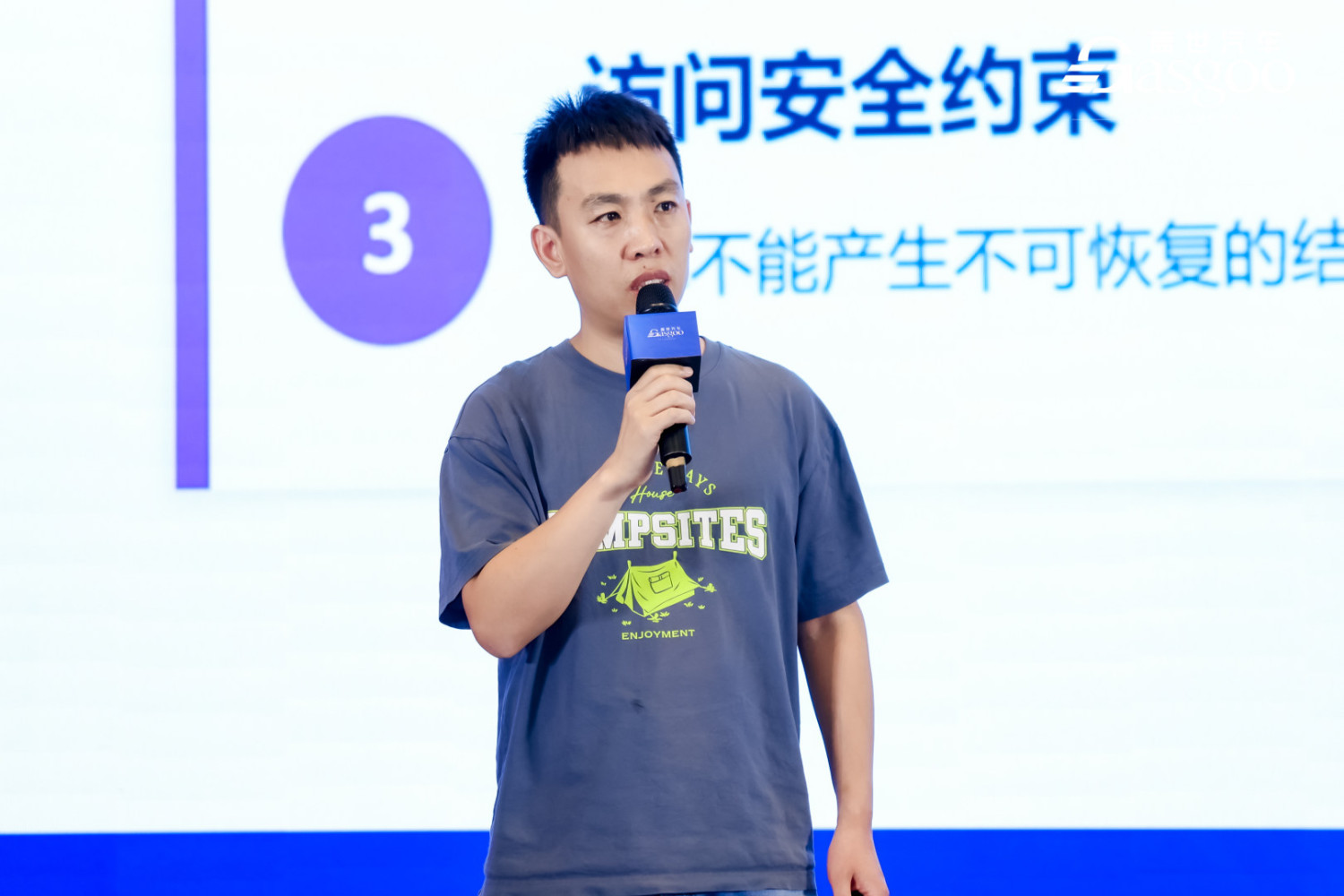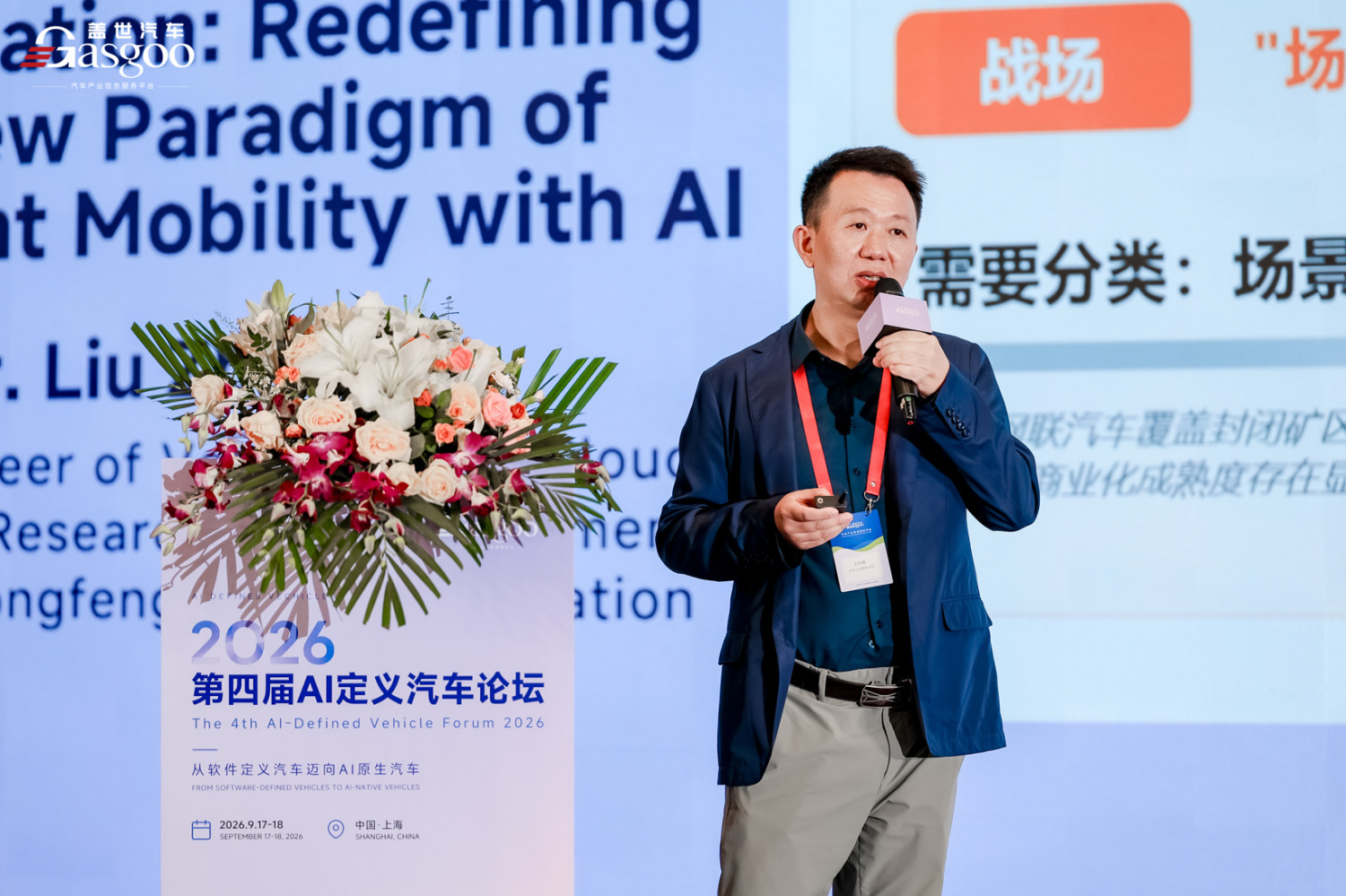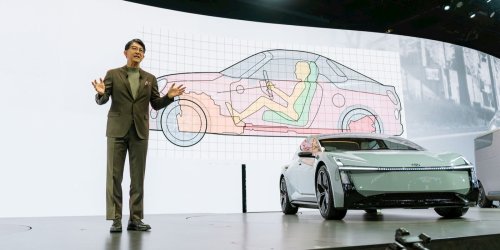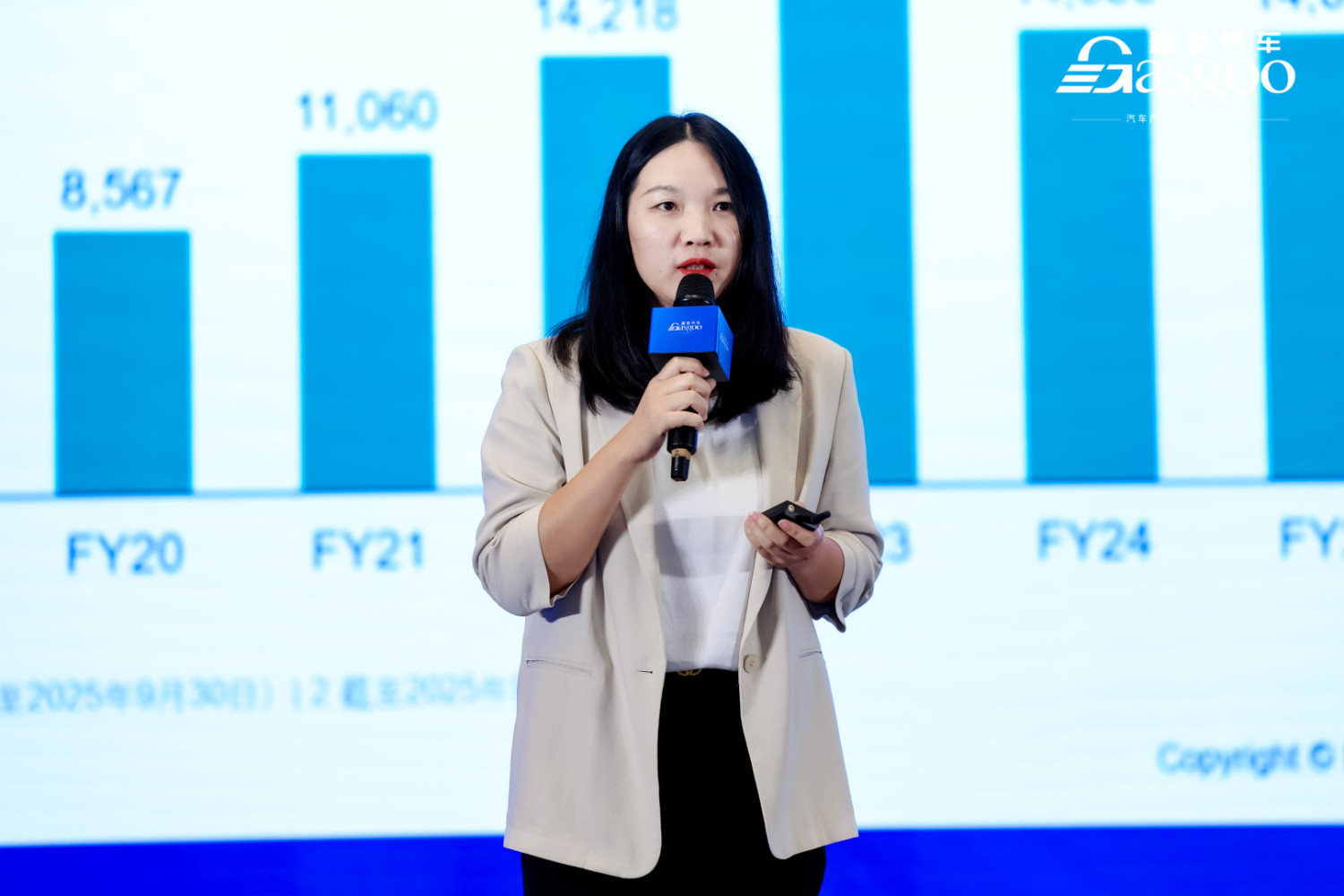



















Gasgoo Munich- On September 16, at the 2026 6th Smart Automotive Chip Ecosystem Conference hosted by Gasgoo, Liu Lin delivered a keynote. Liu Lin is Infineon Technologies' senior manager for automotive marketing and head of RISC-V ecosystem in Greater China. He outlined Infineon's strategic decision to fully pivot its next-generation automotive MCUs to the RISC-V architecture and its ecosystem plans.Liu Lin | Senior Manager, Automotive Marketing, Infineon Technologies; Head of RISC-V Ecosystem, Greater ChinaInfineon leads the global automotive semiconductor market. Its automotive electronics business accounted for half of total revenue in fiscal 2025. Greater China contributed 38% of global sales. TechInsights data from April 2026 shows Infineon has been the top automotive semiconductor supplier since 2019. In the MCU sector, its market share rose from 32.1% in 2025 to 36%—claiming over a third of the market.Infineon currently uses a dual-architecture strategy. The TRAVEO T2G series uses ARM cores for low-to-mid-end applications like body control and HMI. The AURIX series (TC2/TC3/TC4) uses proprietary TriCore cores for mid-to-high-end uses like domain controllers, powertrains, and battery management systems (BMS). For the next generation, Infineon is going all in on RISC-V."As a leader in automotive semiconductors and MCUs, we are adopting RISC-V as the foundation for our next-generation automotive MCUs without hesitation and with great resolve," Liu stated. The decision rests on four considerations. First is flexibility, where a unified architecture covers low-end to high-end scenarios. Second are open standards that avoid reliance on a single IP vendor. Third is modular scalability to accelerate product iteration. Finally, the ecosystem requires development.Regarding ecosystem development, Infineon completed its basic toolchain layout—including compilers, debuggers, and virtual prototypes—by 2024. From 2025 to 2026, it is expanding to the operating system layer. For AUTOSAR, it is conducting initial adaptation with partners like Vector and Neusoft Reach. In open source, it is advancing cooperation with FreeRTOS, Zephyr, and NuttX communities. In March, Infineon released the DRIVECORE™ RISC-V virtual prototype pre-integrated evaluation package. It is available via a one-click application on the company website. Some domestic OEMs and Tier 1 suppliers have already begun using it for preliminary evaluations. Looking ahead, Infineon plans to launch a cloud-based MCU evaluation platform tailored for Software-Defined Vehicle (SDV) development.On the standardization front, Liu noted that the CACC established an automotive RISC-V working group in 2025. The alliance invited Infineon to join as a core member. The "Research Report on Standardization Requirements for Automotive RISC-V Chips" was published in July. The report came from the National Technical Committee of Auto Standardization. Infineon contributed to the drafting of key content. Moving forward, Infineon will continue to support industry standards formulation and promote alignment between domestic and international standards.On localization, Infineon has consulted with domestic OEMs and Tier 1 suppliers on next-generation RISC-V products. Scenarios include domain control, cross-domain fusion, cockpit and driving integration, and powertrain electrification. Meanwhile, products including MCUs, memory, and MOSFETs have dedicated local production lines and part numbers in China."In the automotive MCU field, Infineon is all in on RISC-V, and we will accelerate its adoption in the automotive sector," Liu concluded. He expressed hope that domestic ecosystem partners will join together in this industry journey.