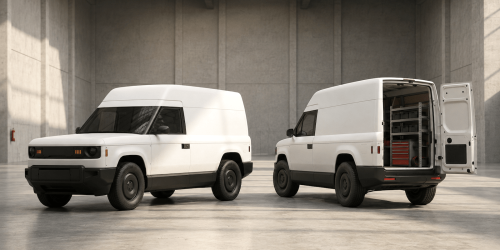
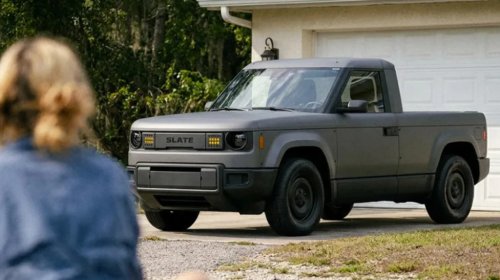
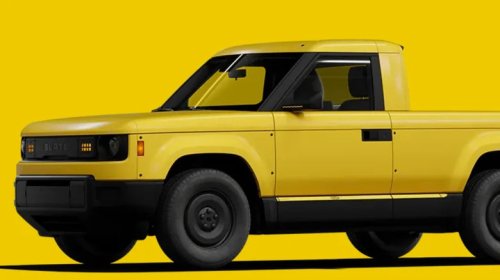
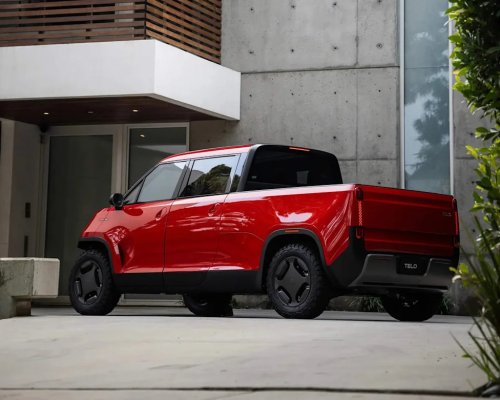
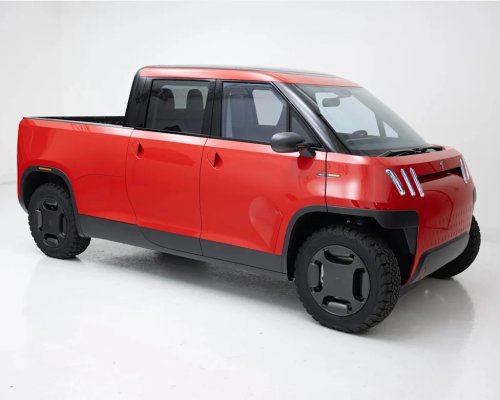
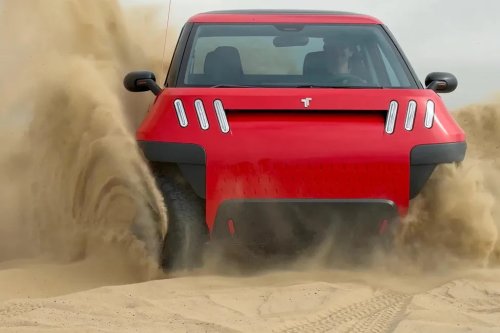
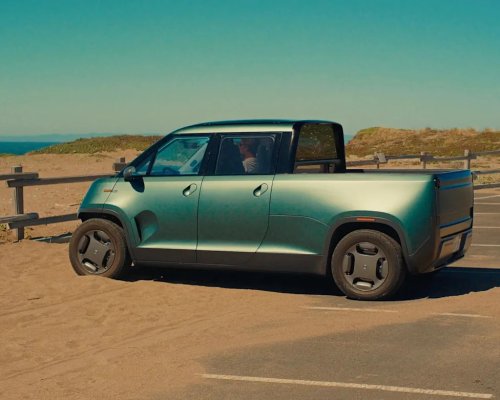
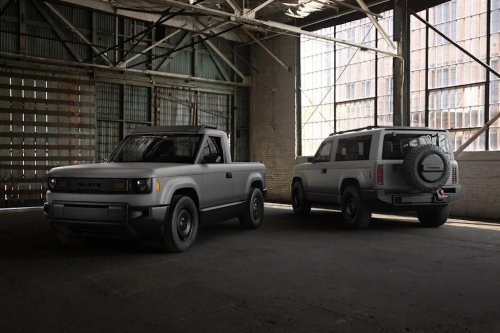
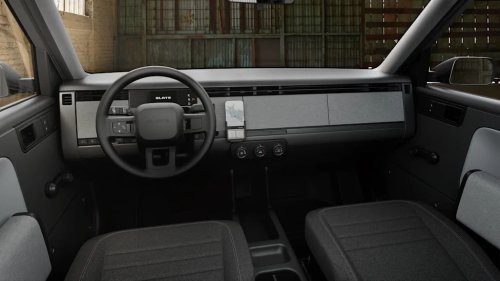
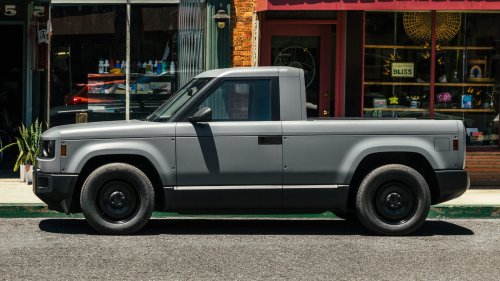
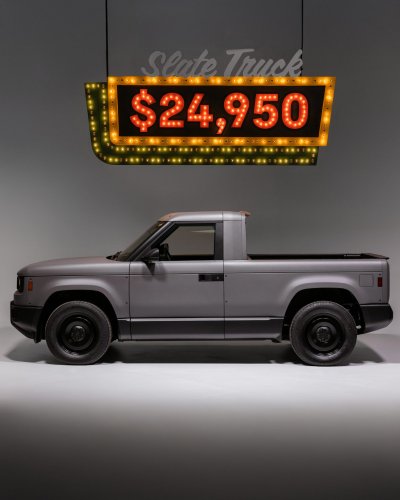
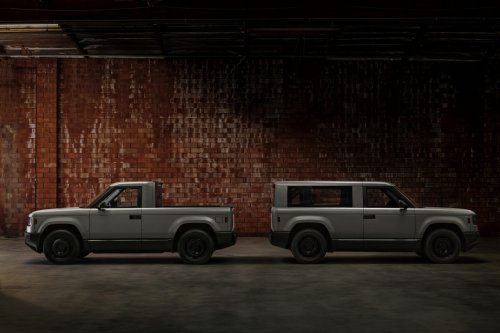
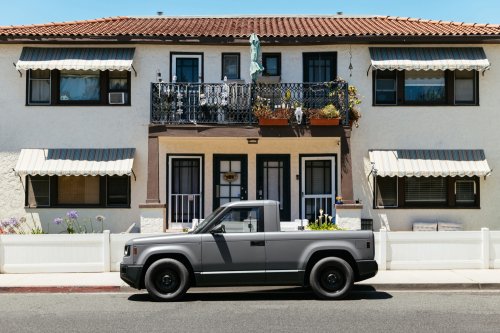
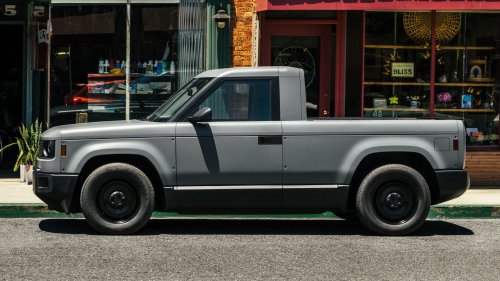
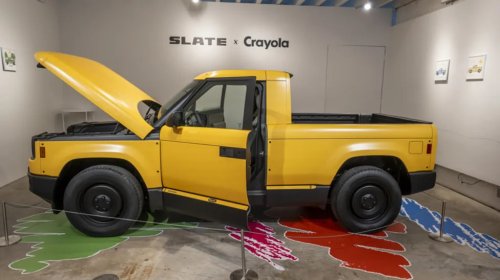
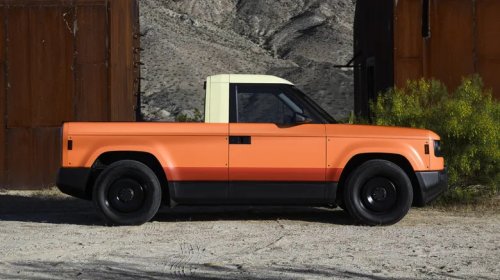
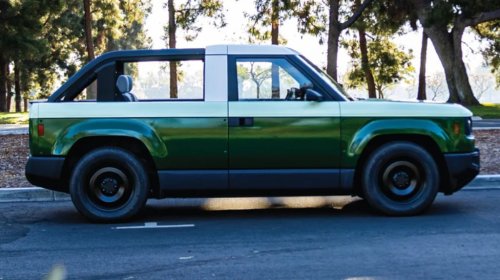
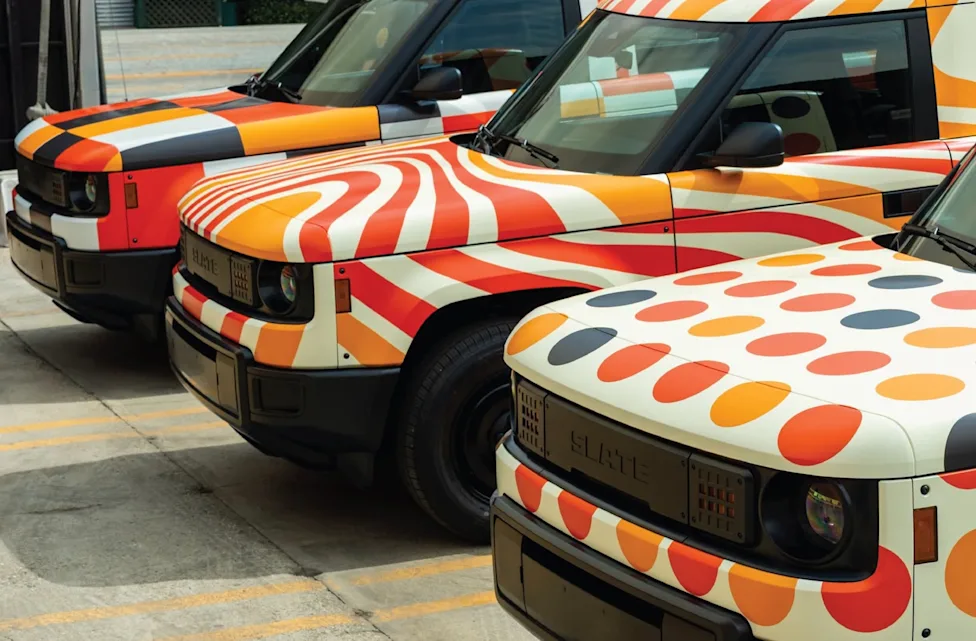
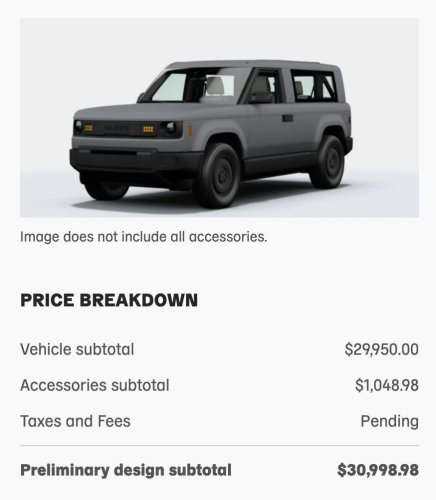
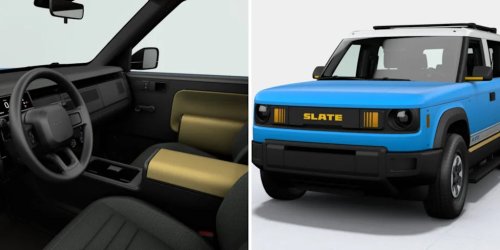
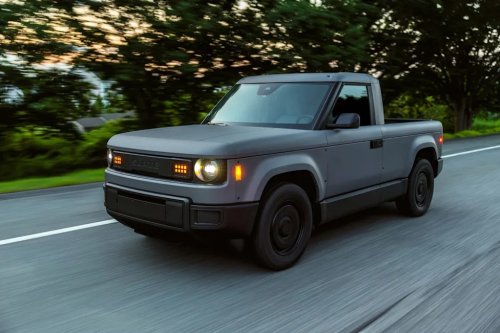
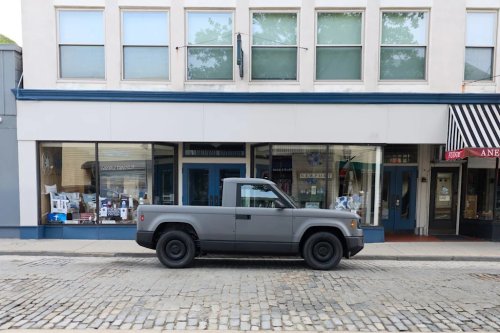
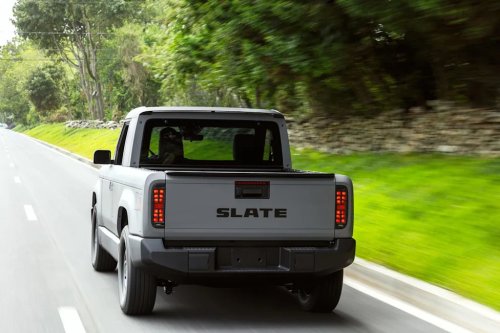
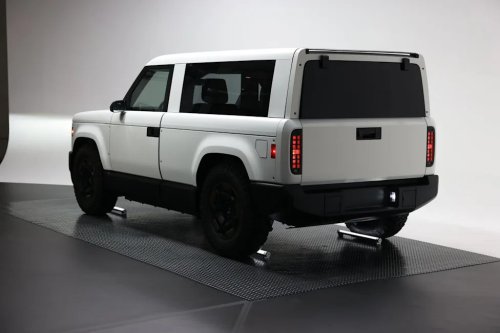
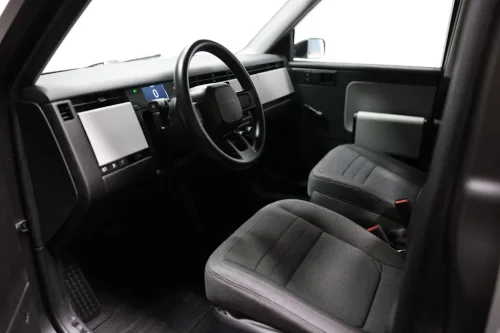
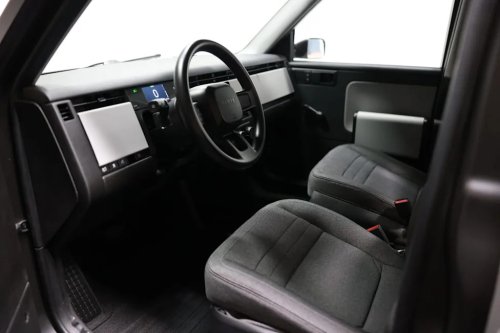
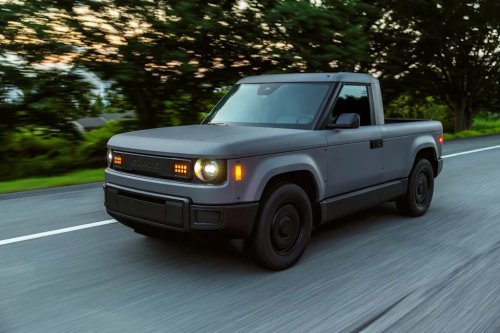
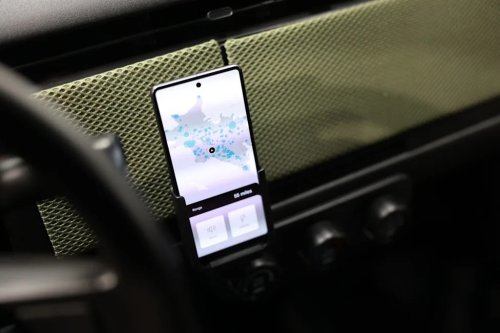
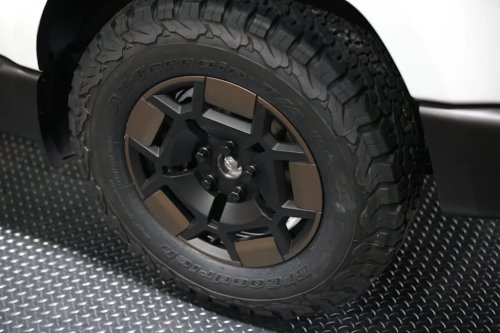
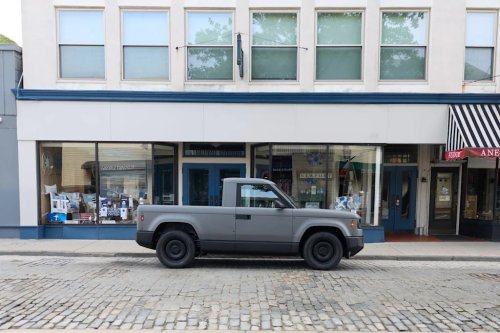
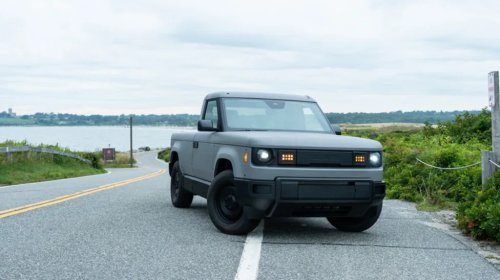
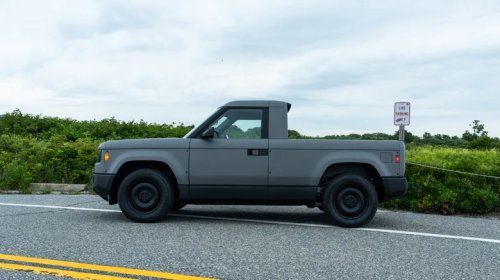
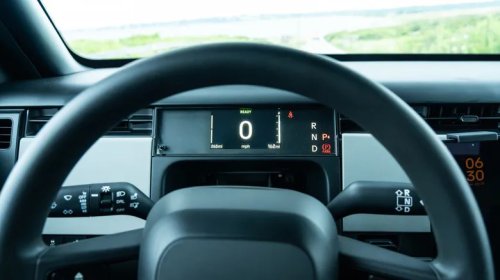
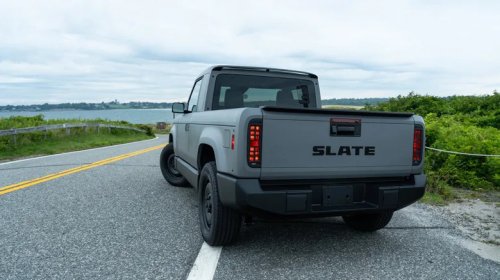
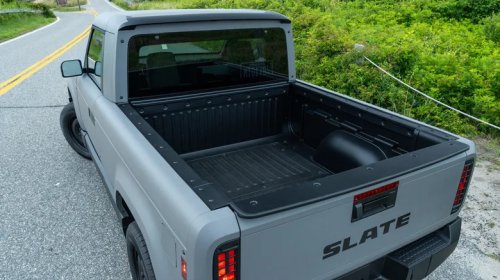
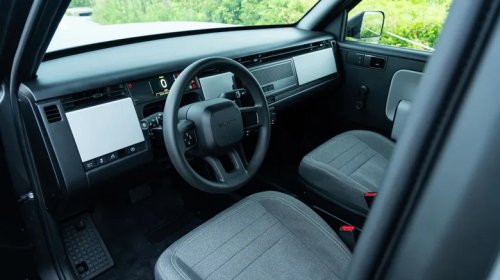
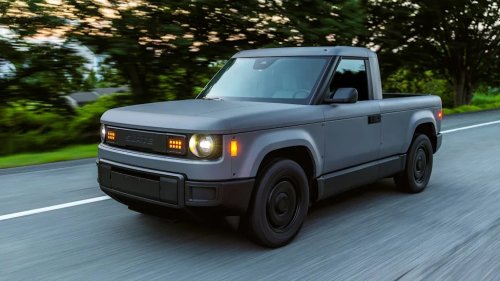
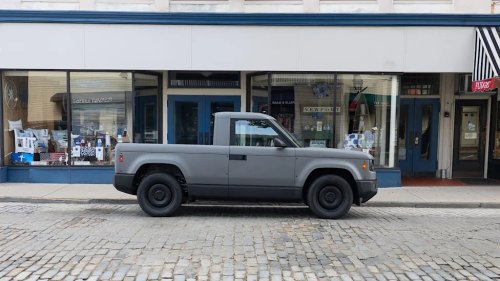
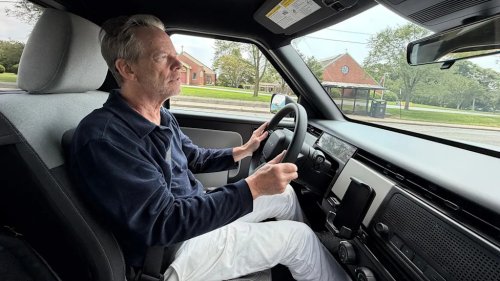
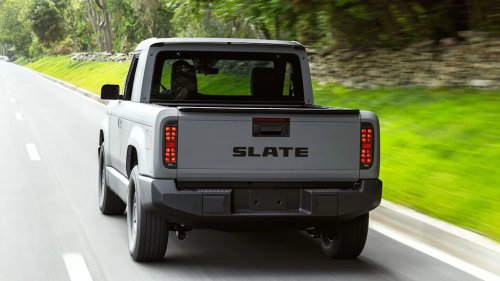
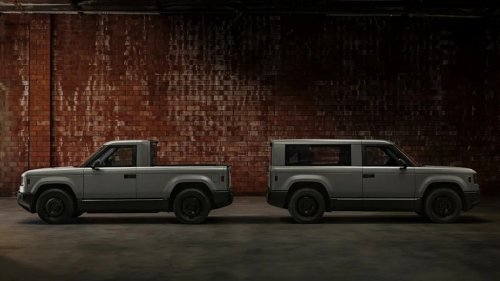
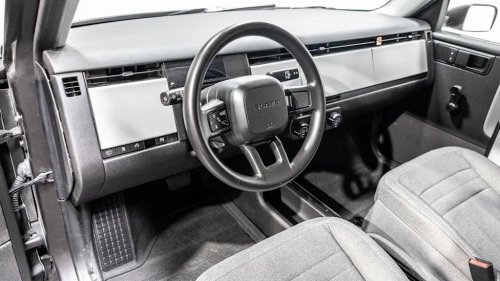
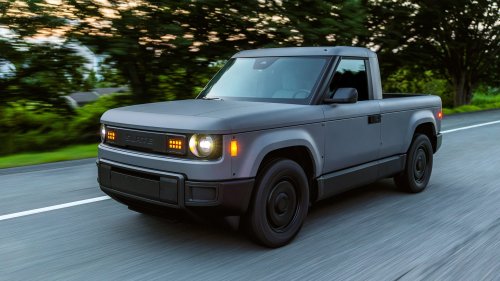
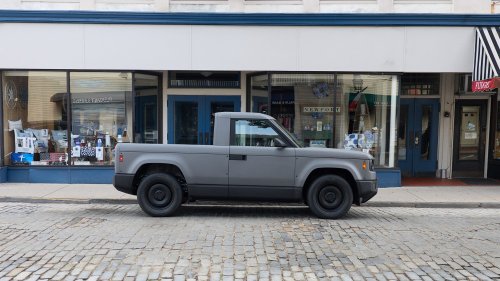
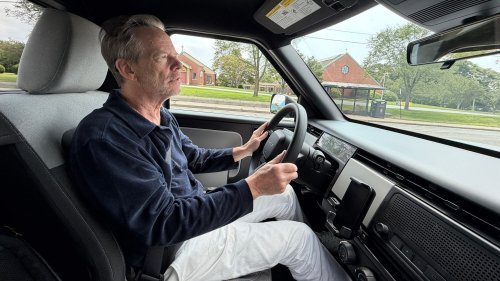
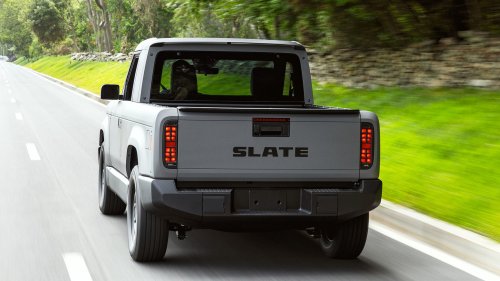
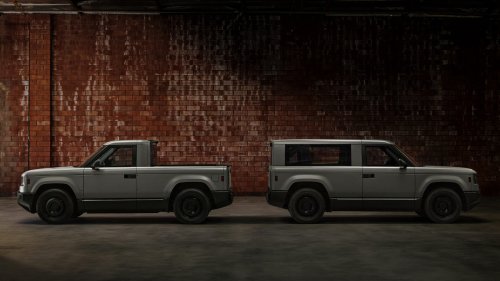
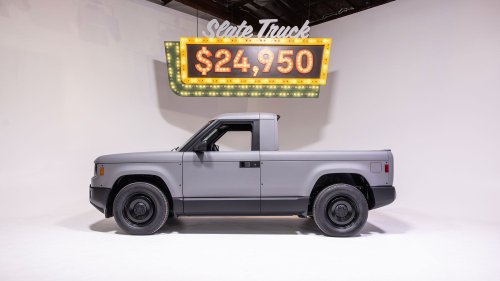
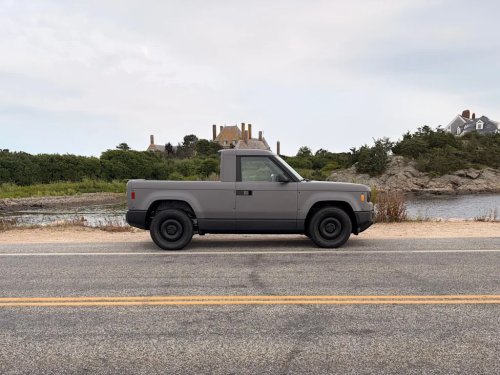
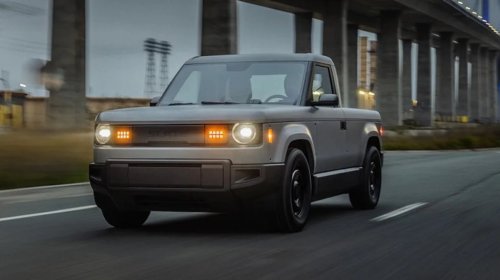
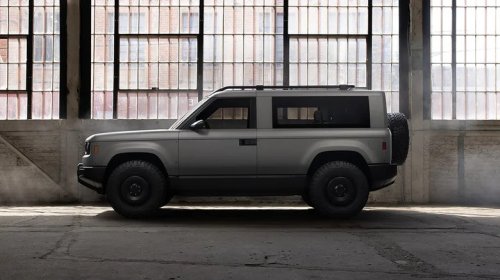
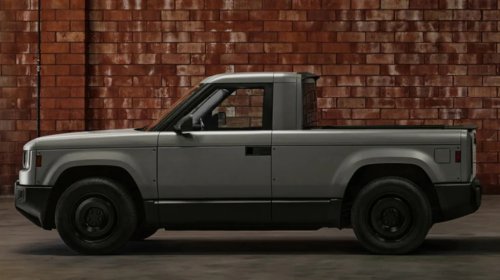
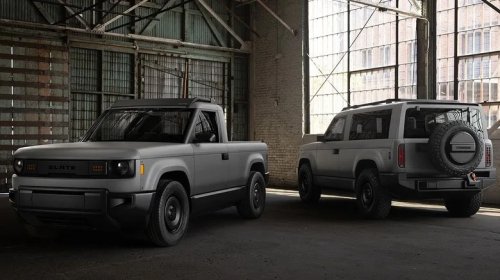
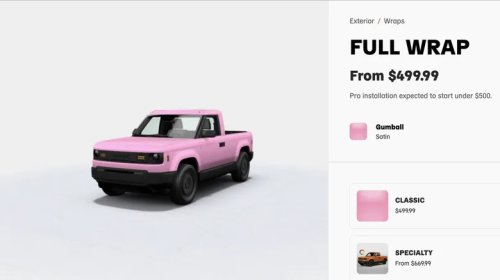
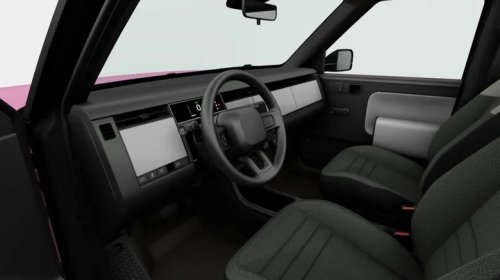
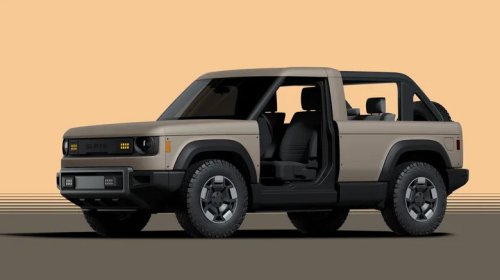
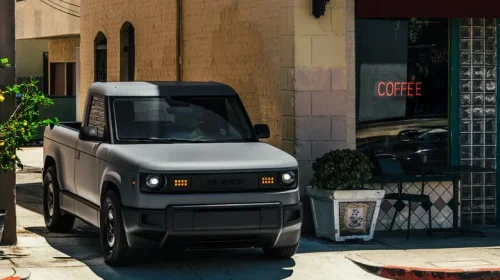
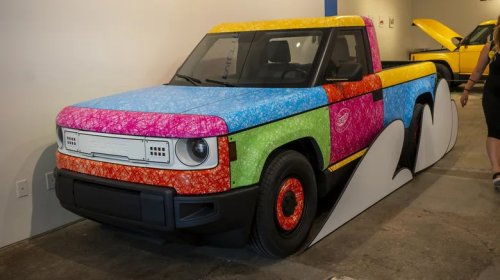
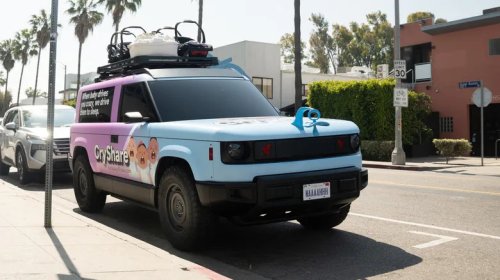
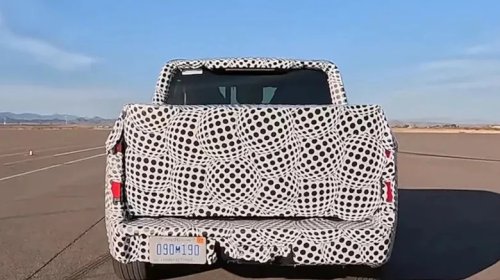
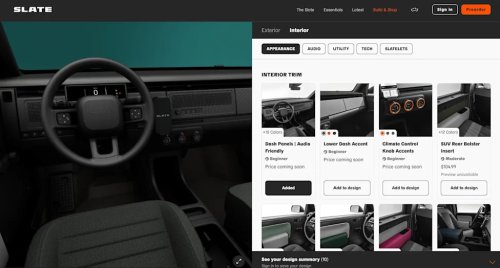
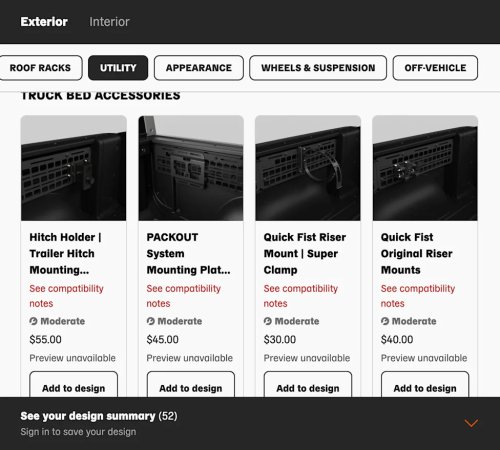
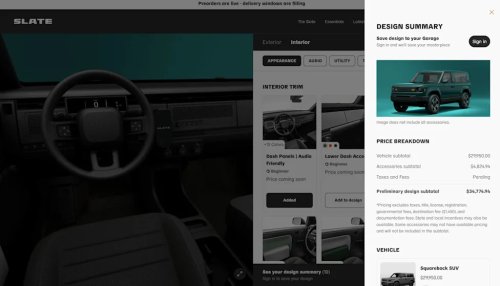
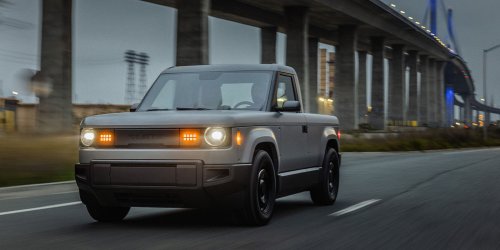
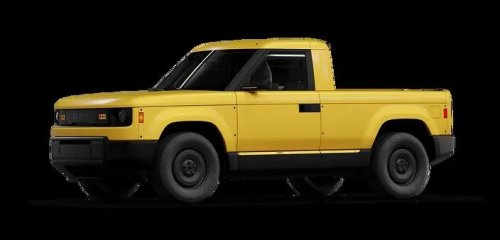
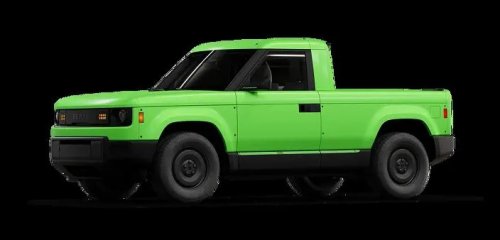
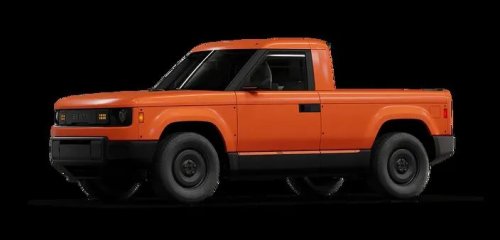
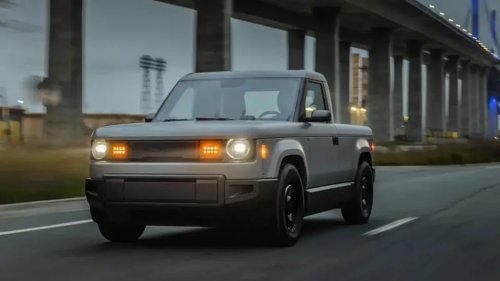
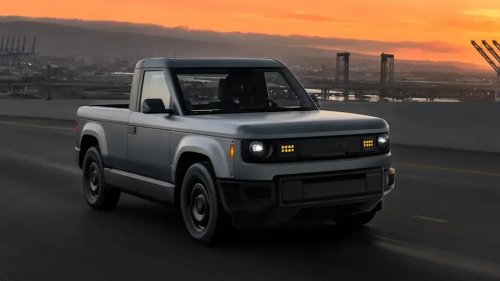
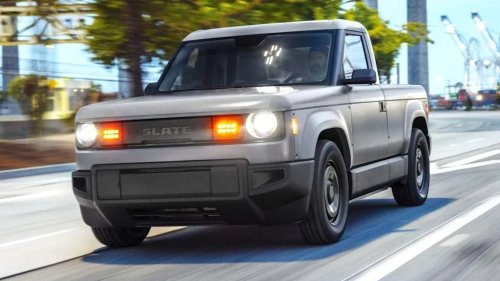
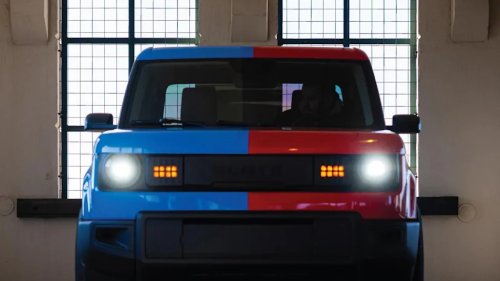
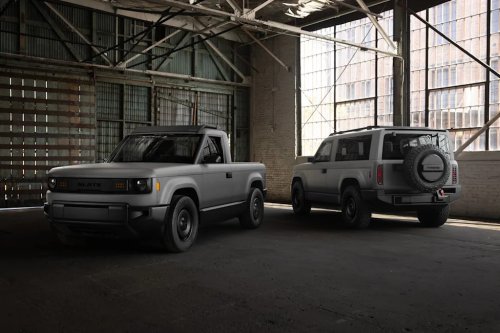
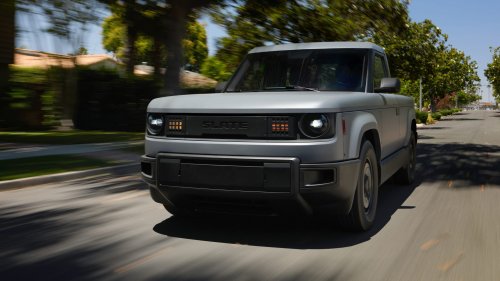
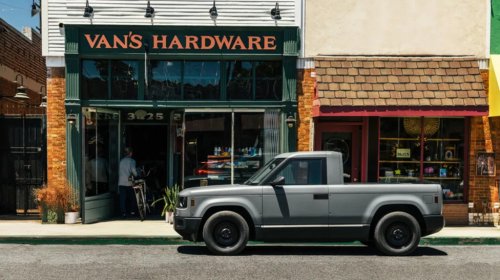
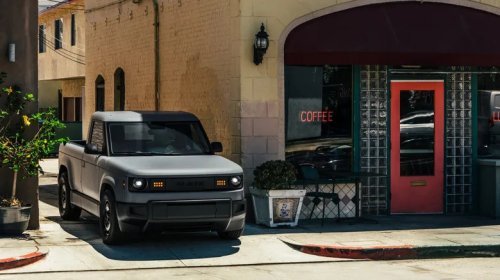
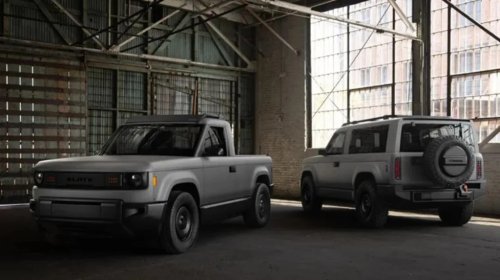
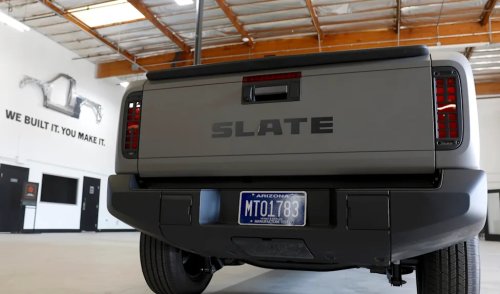
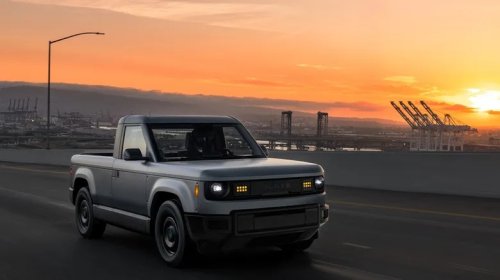
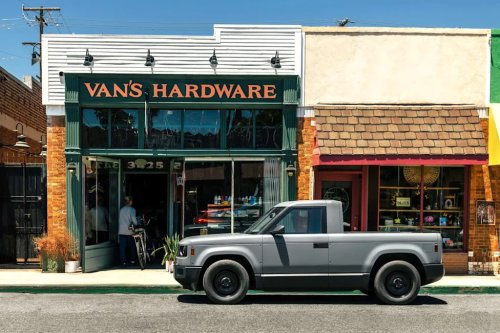
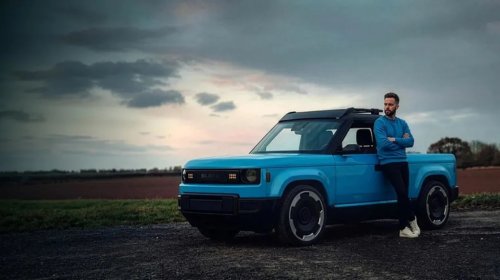
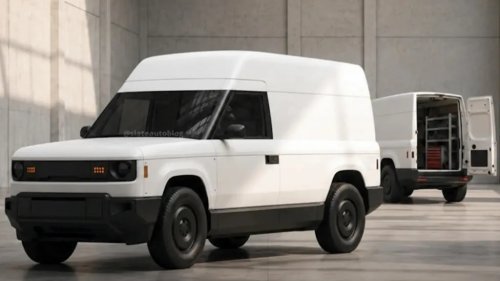
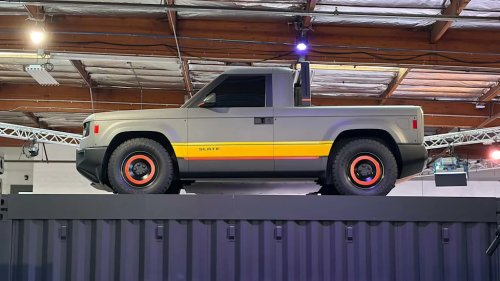
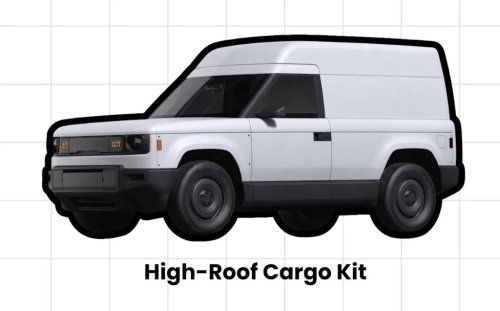
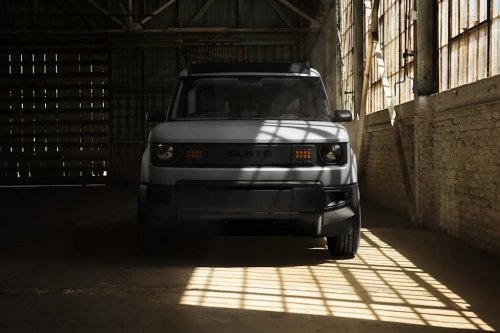
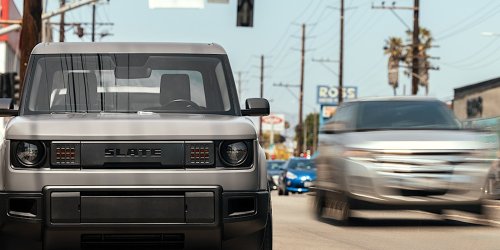
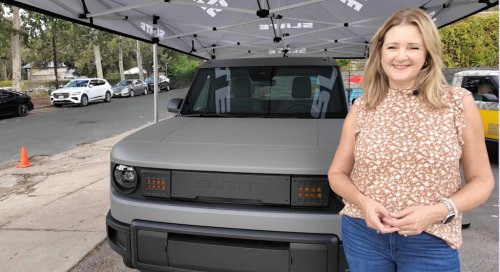
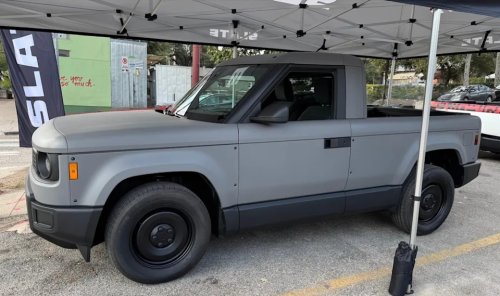
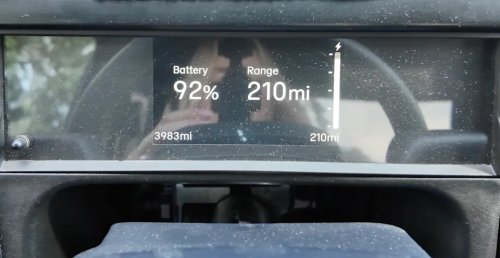
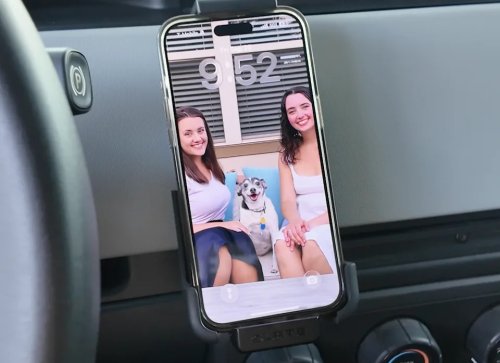
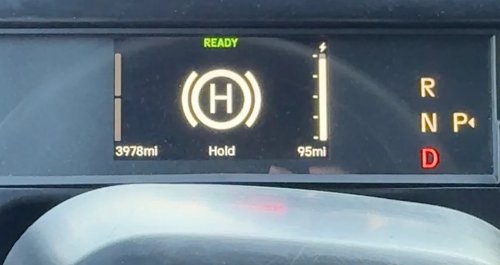
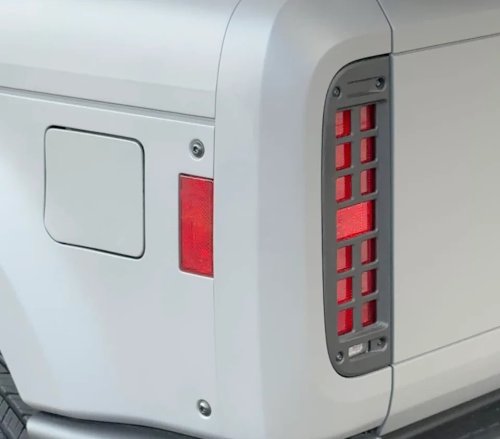
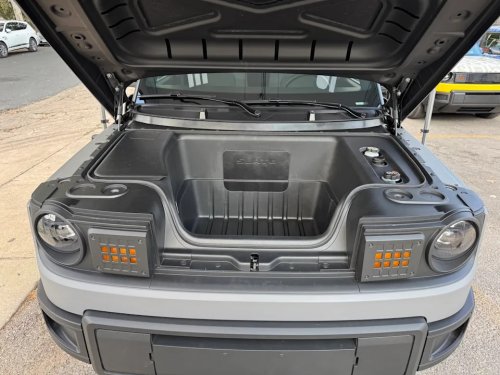
Scotty ReissThis novel, affordable, innovative pickup truck will be rolling into buyer's driveways soon. This is what it's like behind the wheel.I was not expecting this: I arrived at Slate's Road Show event in Austin a couple of days ago to take a test drive in the Slate EV, but the familiar gray pickup truck we've seen at events and in photos was roped off.Instead, I'd be going out in an engineering prototype. These are the trucks that the company uses to test and tweak its specs and details ahead of production, which is slated (see what I did there?) to begin soon, with deliveries set to begin as soon as December.Even though my test drive wasn't in a fully finished model—there was one on display for me to play with—it was still a thrill to hop into the driver's seat and learn how to put this truck into gear and discover its temperament on the road.The big surprise is … there were no real surprises. Some delights, yes, but nothing dramatic, for good or bad. I did learn a lot, though, and that might be the biggest surprise of all: This truck operates a bit differently than other trucks and SUVs we're used to. It does a great job of blending modern electric performance with an old-school vibe, all of which comes through in the details.This story is 100% human-researched and written based on actual first-person knowledge, extensive experience and expertise on the subject of cars and trucks. I was a guest of Slate Autos, but all opinions and impressions are my own.The Blank Slate EV Starts at 'Very Affordable,' But Is That the Point?The Slate EV truck on displaySlate Autos' $25K Blank Slate is at once a novelty and a huge innovation. When it comes to market later this year, it'll be one of a kind, an affordable electric pickup truck that's about as bare-bones as you can get. It doesn't even come with paint. A rear-wheel drive single motor electric truck with a 205-mile range, 180 HP, a two-passenger cab, a 5' bed and an 8" ground clearance, Slate EV might seem limited in its appeal.But buyers can customize the Blank Slate and turn it into something not just unique, but personal and reflective of your life and driving style. Slate EV will sell kits—that you can DIY or have an installer assemble—that turn it into a 5-passenger SUV, a fastback with a removable rear roof and window, paint-like color wraps, dashboard accessories and more.And still, buyers can end up with a truck, or SUV, or beachy fastback that costs less than $35,000, a significant tick below the average MSRP of cars right now, which is about $50,000.And all that is great, but if it's a sour drive experience, what's the point? So, I took the Slate EV's wheel for a tour around South Austin.Watch: Liv Leigh shares more Slate EV details on her ride-alongThe Prototype Shows What Slate Has Done Right So FarThe range on our test model after driving it for an hourI'll just start with this: the Slate EV's range is pegged at 205 miles on a charge. That's what the engineering team has been logging in testing on both highways and city streets and the number they feel confident in sharing. Though, looking at the range meter on the prototype I drove, I saw a different story: About 225 miles. And that was on a model with nearly 4,000 miles on the odometer that had been on the road on city streets for an hour that morning, much of that time with me behind the wheel. I can attest that driving an EV at highway speeds, or higher, definitely hits the range hard, but it's encouraging that city driving could be even more efficient.So, in the YAY column, Slate gets points for hitting or beating the anticipated range. A 200-ish mile range is typical for the single motor, rear wheel drive truck. It's slightly less than the range of the single-motor Hyundai Ioniq 5, the Nissan Leaf and the Tesla Y. Though the range may track closer to 205, possibly even lower, with SUV or Fastback kits due to the added weight and when driving at higher speeds—which is a thing for all EVs.Then, the ride and handling are solid. The Slate EV accelerated nicely, slowed comfortably and absorbed the bumps that can make city streets feel uncomfortable. We didn't hit the highway, but I got the idea: the ride is what you'd expect from a rear-wheel drive pickup truck.And, one-pedal driving is quite good. I was able to quickly get a feel for it and stop behind other cars at traffic lights and stop signs without touching the brake. On my morning drive, I only used the brake a couple of times; once when a minivan ran a red light in front of me and while adjusting to slower speeds in a neighborhood. It's worth noting that the level of regenerative braking, which is essentially one-pedal drive, is the Slate's only drive mode; there is not an adjustment for less forceful brake regen.Read: Ford's Remapped Future: A Model T Moment Makes Way For an Affordable Ford Electric TruckHere's What's Still Being Sorted Out in the Slate EVIn the Slate truck with Jeff Jablansky of Slate AutoSlate's engineers are still calibrating the Slate EV's performance. Something I noticed a couple of times was a small amount of rollback when stopping on a hill. I pulled up to a red light and lifted my foot from the accelerator, expecting auto hold to take over as soon as I came to a stop, the way it did on flat roads. But gravity took over and the truck rolled back a bit. This one gets a check in the 'Hmmm' column.Rollback is a common issue that EVs have to address; it has to do with one-pedal driving, auto hold and creep mode, which acts more like a gas-powered car, essentially allowing the car to keep its forward momentum until you press the brake. Since the Slate doesn't have creep mode, the gravity issue is still being worked on. Though this roll-back lends sort of an old-school feel; back in the day, cars used to roll back on a hill in that tiny moment between lifting your foot off the accelerator and pressing the brake (or, vice versa, which was eliminated with hill-hold).From there, other functions are still being calibrated, but not much that I could see or feel on my drive. Some things that may be revised include the range, which was better than I expected but may dip a bit with the added weight of the SUV or Fastback kit, and the horsepower, which may be impacted by those modifications, too.The Non-Negotiables are Still Not Negotiable—So Far, At LeastThe phone holder on the Slate dashboard, which is a standard featureSlate has been very intentional in how the Blank Slate is designed. And while it can be customized, there are certain things that may not be possible or advisable. One is the seats; they are fully manual and while installing power seats may be possible, this would add weight and cost, plus the issue of adding wiring. And there's no center screen, though a phone holder is standard and it functions quite nicely with a modern average-size cellphone.Same with the manual crank windows; Slate says they have no plans to offer power windows—at least for now. It's conceivable that some owners may want to add power window controls, especially those who opt for the 5-passenger kit, but the motors and controls will add cost and weight and require more wiring. Still, the Slate has power locks, so this seems more probable as a DIY upgrade than an offering from Slate, at least for now.Another not-right-now is the idea of adding drive modes in addition to one-pedal driving; for now, Slate is committed to maximum regenerative braking as a single drive mode. There is also no snow, eco, or sport mode, but we'll see what the future holds. There are a lot of people who will give up range for creep mode, or a less-forceful one-pedal drive.Other drive modes aside, I found the standard brake regen/one-pedal drive mode to be pretty satisfying; the Slate wasn't quite as forceful as Tesla models in one-pedal mode and felt more like Hyundai's i-Pedal mode. It was more forceful than some other EVs, including Audi e-tron and Mercedes EQS models, which are more performance-focused and put less emphasis on one-pedal drive.Auto Hold Is Part of the Drive, Every TimeThe auto hold symbol pops up when its activeThis is a feature I really love and I applaud Slate for making it a normal part of the drive function. When the truck comes to a stop and you lift your foot from the accelerator, auto hold takes over, holding the truck in place until you tap the accelerator. This is a common feature in EVs, but typically it has to be activated; though increasingly, in models like the BMW iX3, it's automatic but can be deactivated if you really don't want it.Gas-powered and hybrid cars and SUVs have also added auto hold as a common feature. So almost any new car you hop into will have it. I highly recommend taping the auto hold button; you'll soon realize how much work you were doing needlessly holding your foot on the brake.But adding auto hold as an 'auto' feature is a great thing. Another check in the YAY column.Rear Wheel Drive Adds to the Purist FeelCustomizable details include the tail light coversThis one goes against my natural sensibilities, but it makes sense: as a single-motor EV, having the motor on the rear creates balance. Most two-wheel-drive pickup trucks are rear-wheel drive, so this approach also feels pure.However, as a driver who has been traumatized more than once by the lack of traction on a snowy road, all-wheel drive is my go-to. With a frunk and not a lot of weight on the front of the Slate truck, I wonder how this truck might perform in snow. I guess we'll see soon; the truck is slated to start deliveries in December and it's built in Indiana, so there should be snow.Adding a second motor would increase traction and capability, both in bad weather and for off-pavement driving, but it'll also increase the price. Still, I hope that's a future option. For me, a RWD-only truck puts a check in the Hmmm column, though that's not true for everyone.Slate EV's Modern Vintage Charm Shines on the RoadThe large frunk in the Slate EVAfter driving the Slate, I can appreciate its modern sensibilities, delivering a quiet EV experience that fits the industry standard. But seeing the details in action, such as deciding where to put my handbag—the space between the seats was suggested, but actually, it fit nicely behind the seats—where to put my phone, and the shallow storage bins between the seats for water bottles or other small things gave the distinct feel of modern vintage charm; it will feel authentic to Mini drivers or anyone who drove an older Honda.So will the key that pops into a starter slot—like my old BMW. The open space beneath the dashboard also has a vintage feel, as does the deep bin that extends from the center console to under the dash; it's a good place to stow larger things. I loved the phone holder that is included; it worked quickly and flawlessly for me and it's a nice substitute for a screen. The console between the seats is low and large, featuring storage cutouts. And, the 7 cubic feet of space in the frunk is nice and deep for stowing things out of sight—a challenge for most pickup trucks.Overall, the design feels very solid and thoughtful, but it's the test drive that really shows how that thoughtfulness plays out while you're behind the wheel. I love that air conditioning, a key fob remote and power locks are standard because I can't live without those. It all adds up to an original design that is at once vintage and modern, though they may end up being among the only ones that maintain that look and feel as buyers set their visions in motion.




















 +19 others