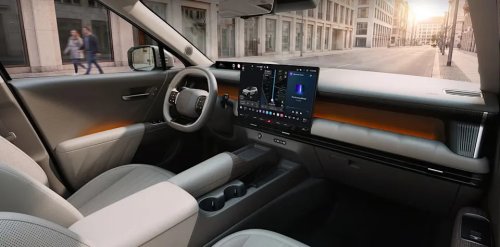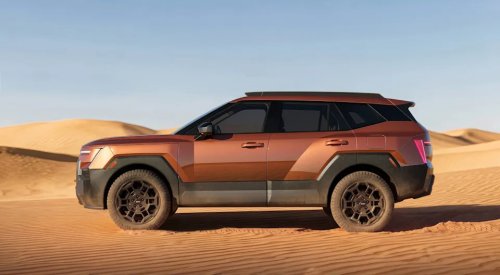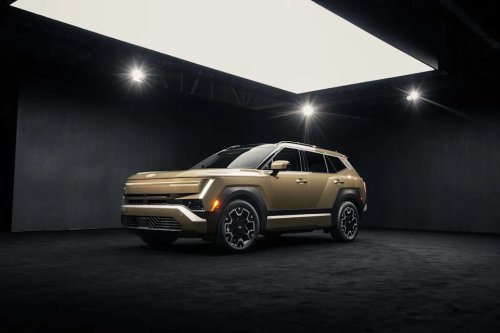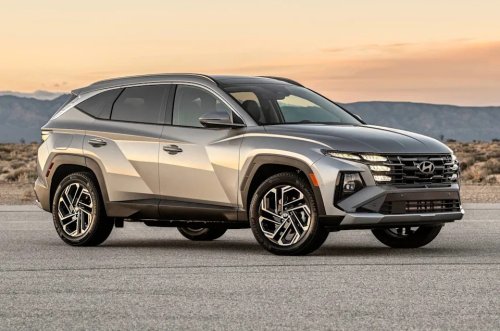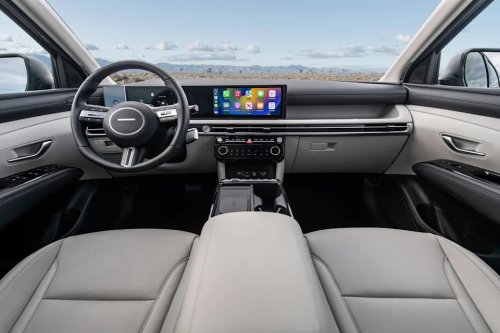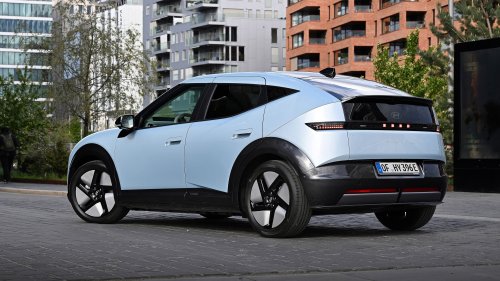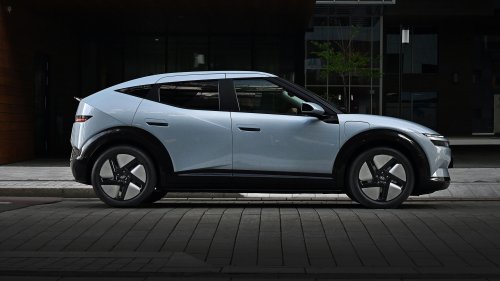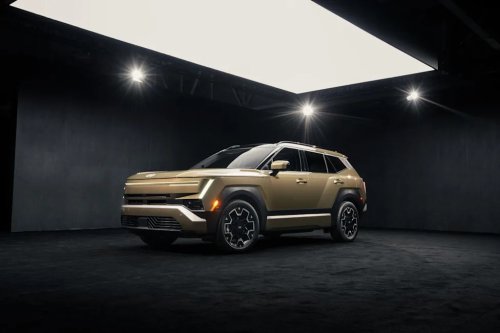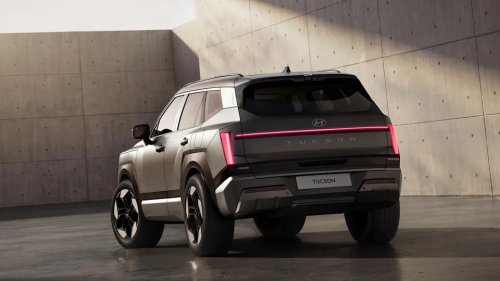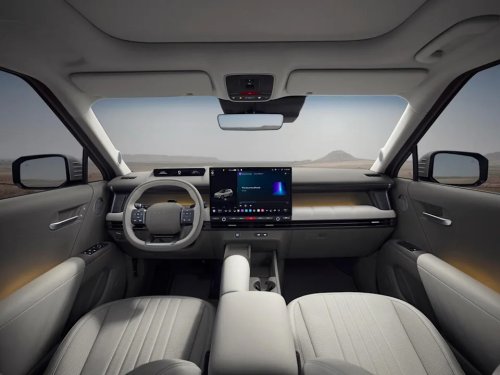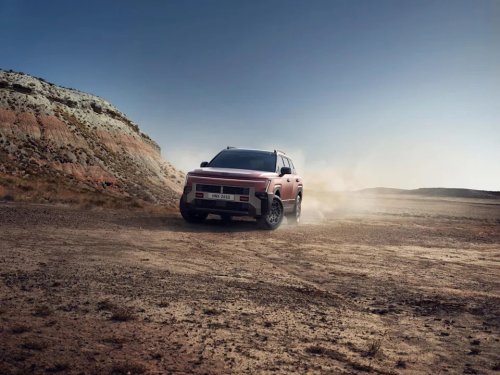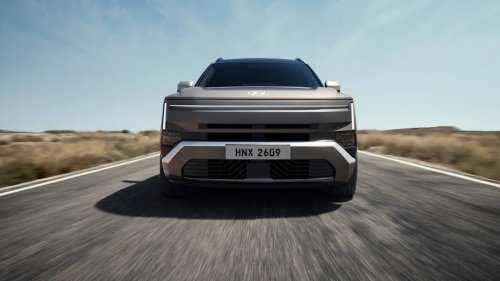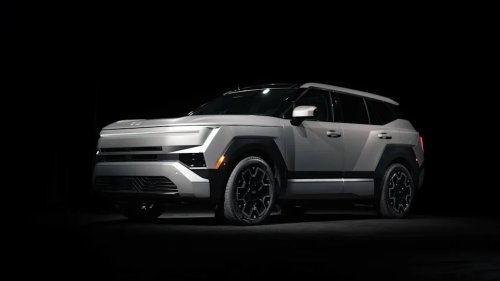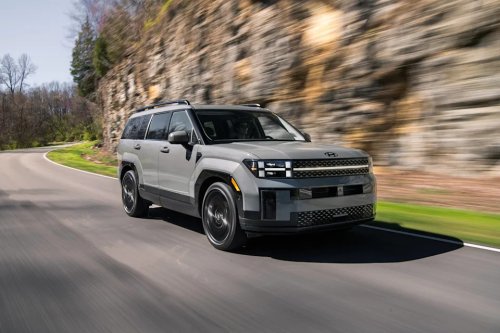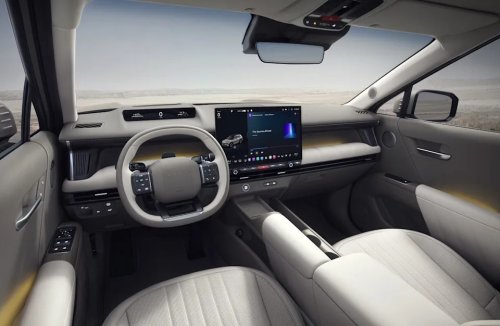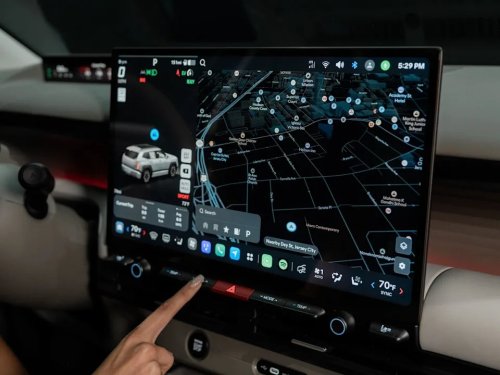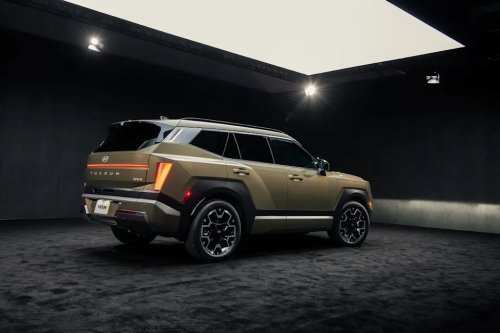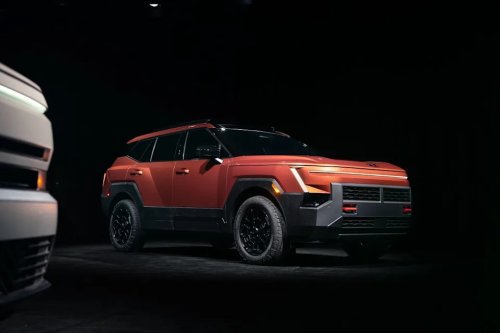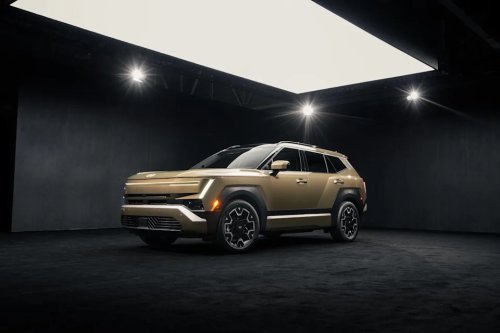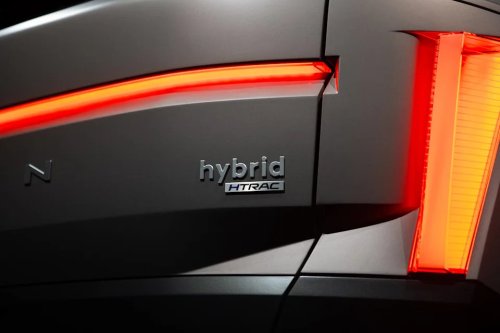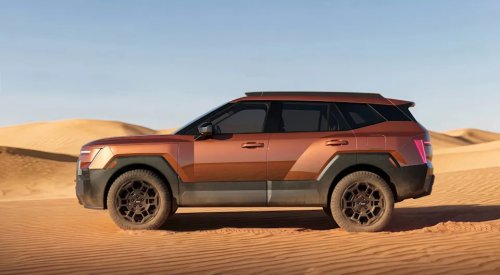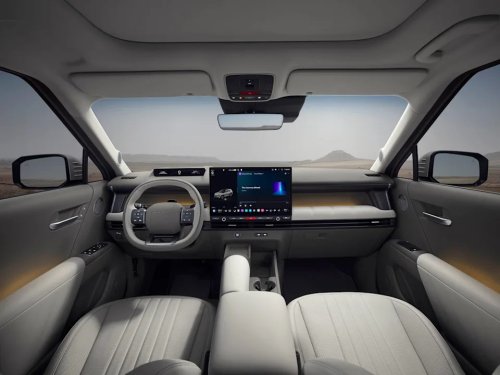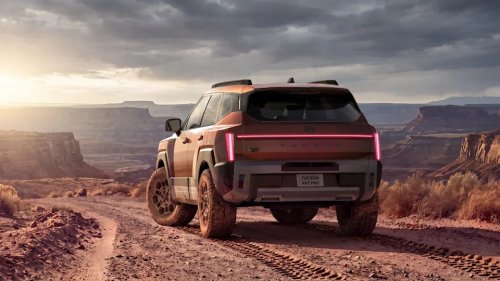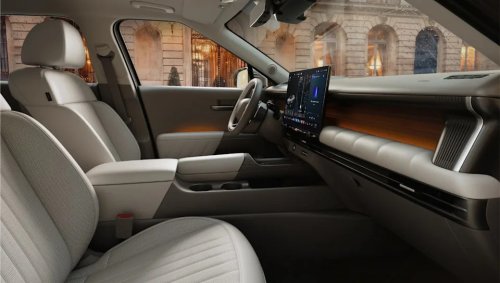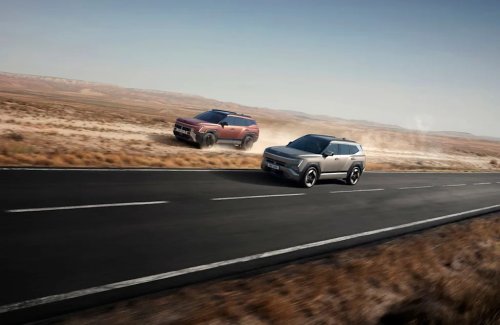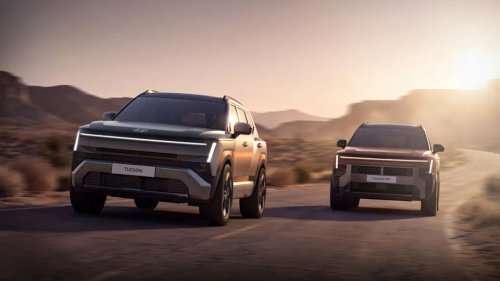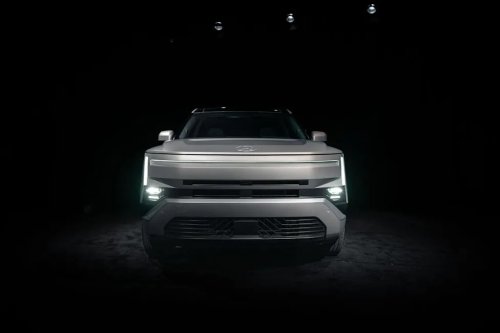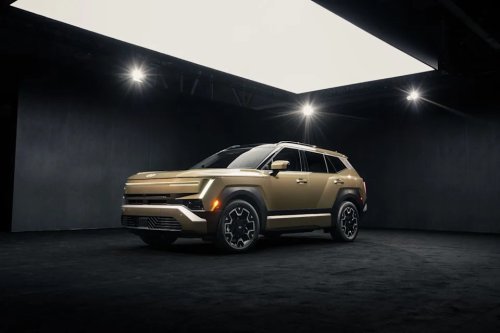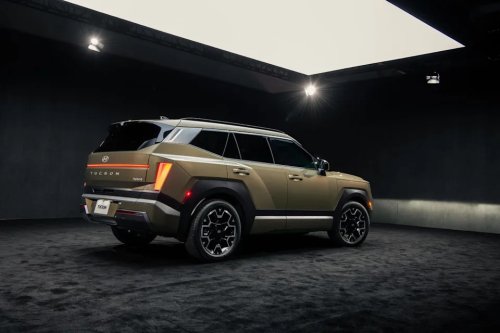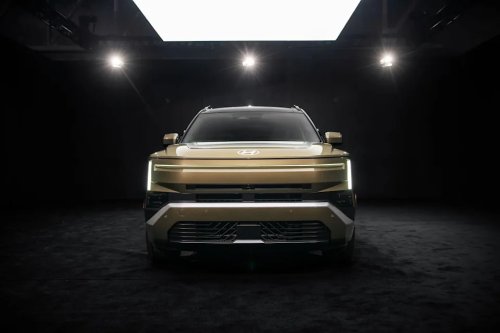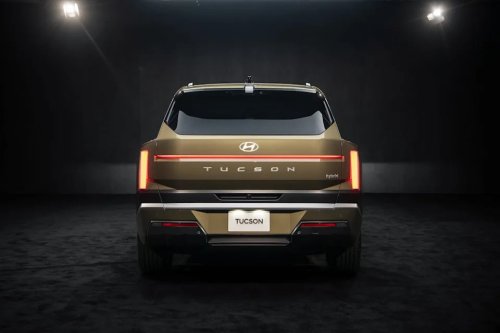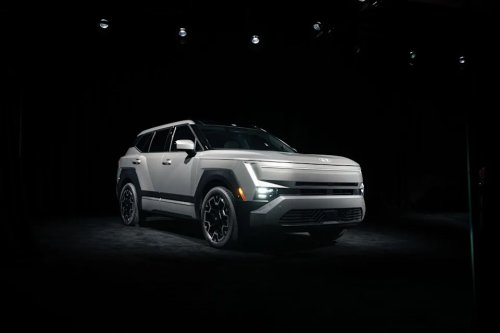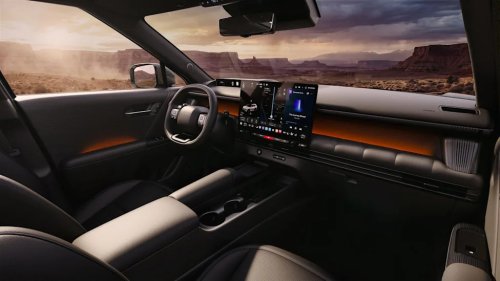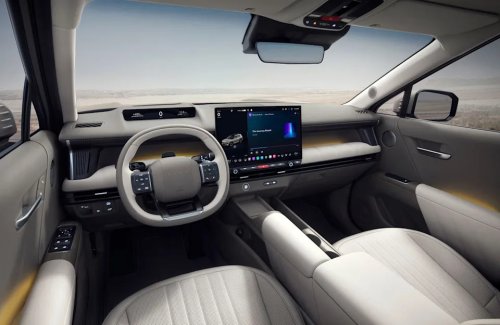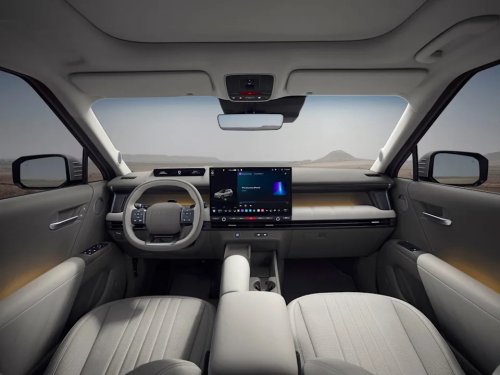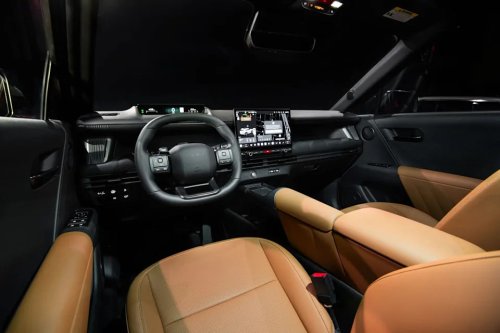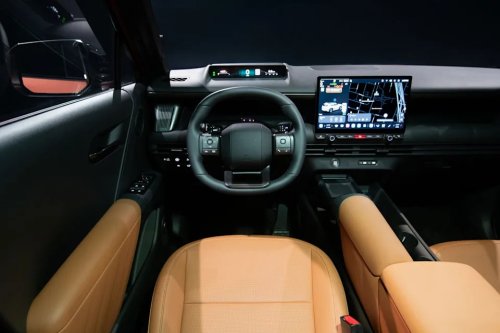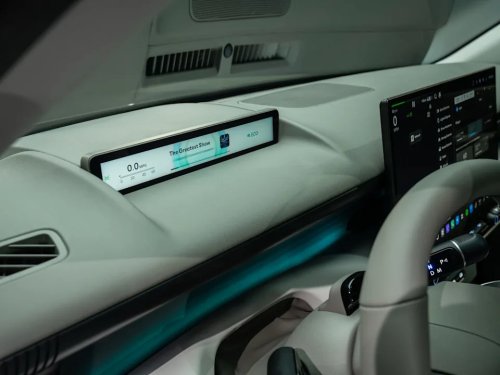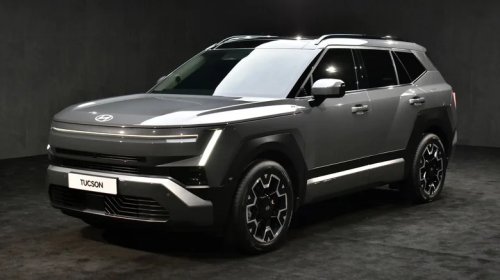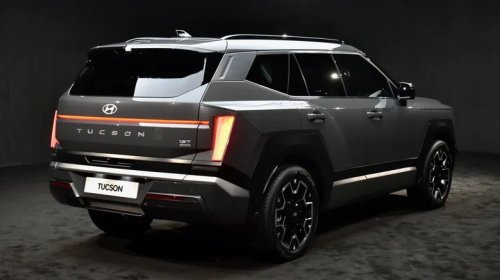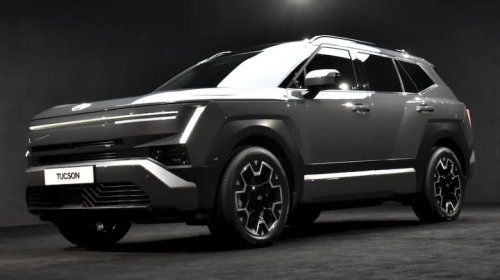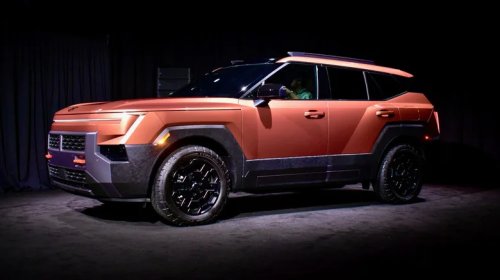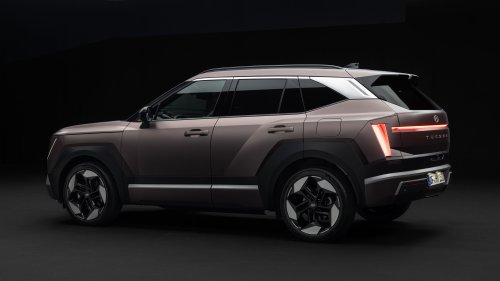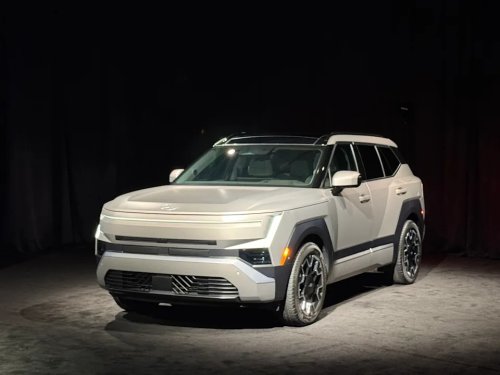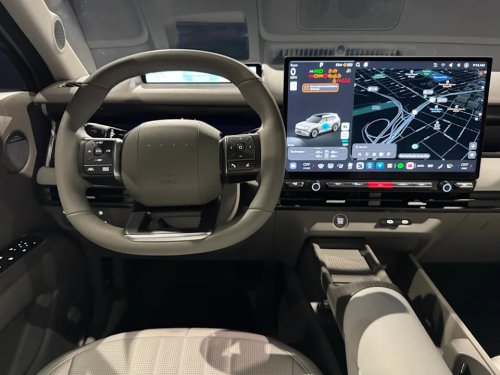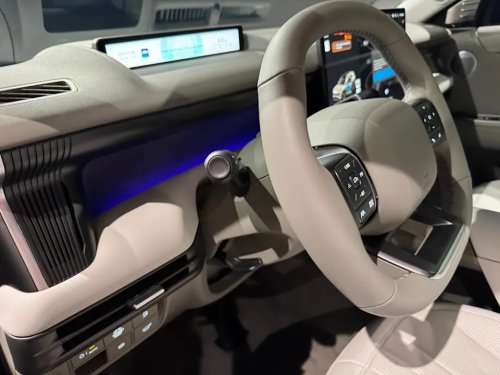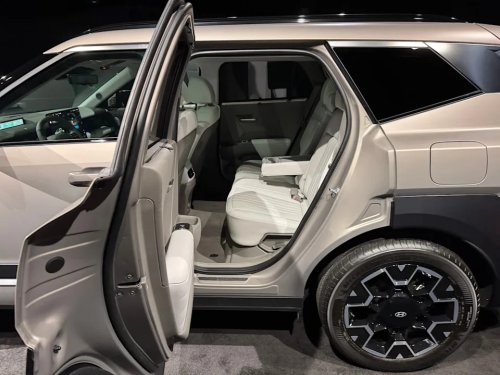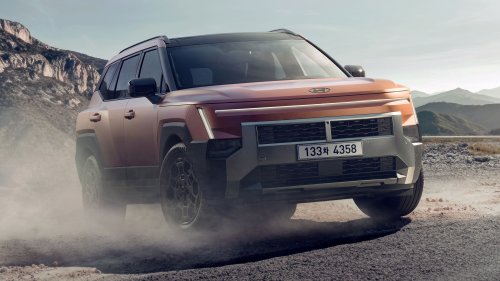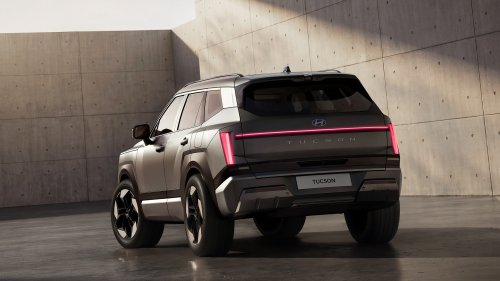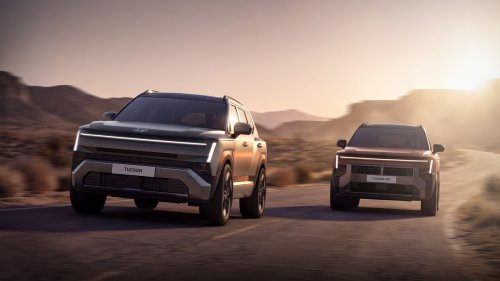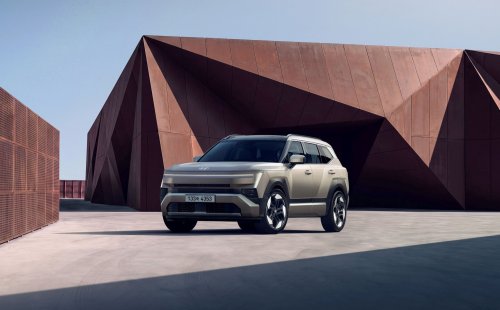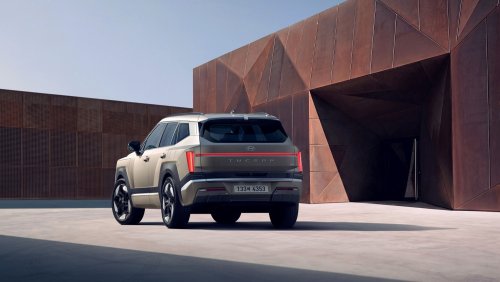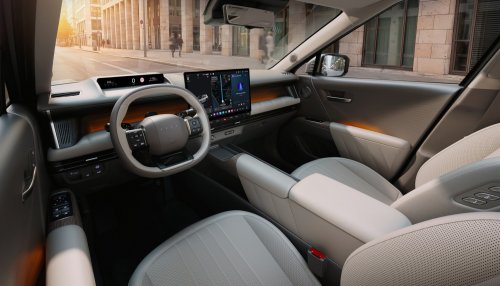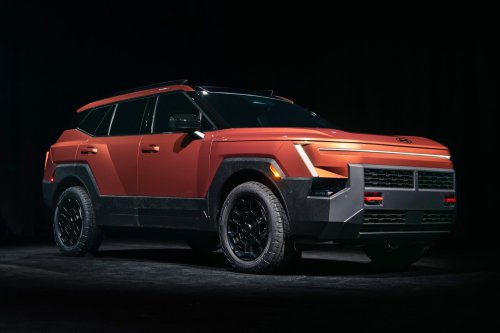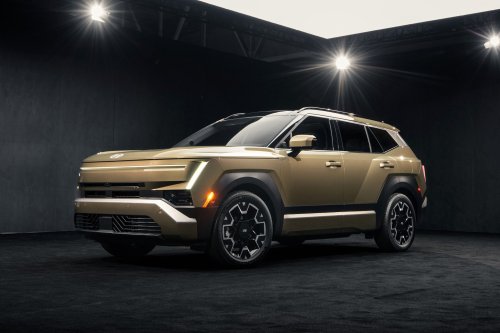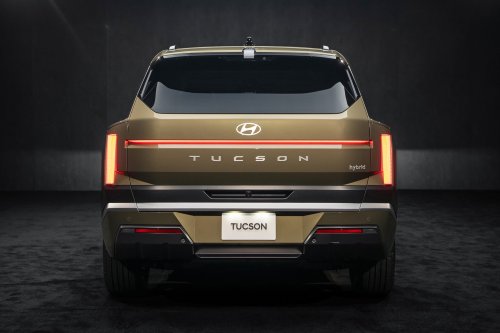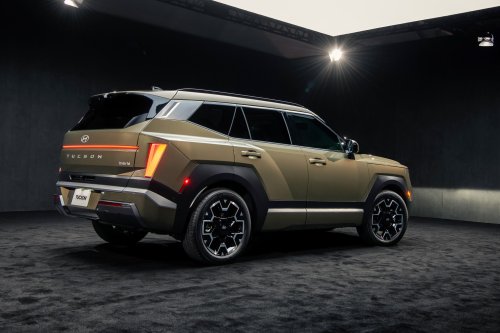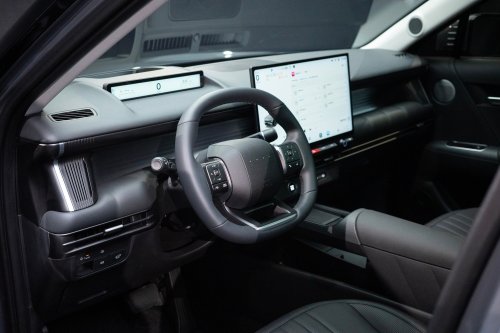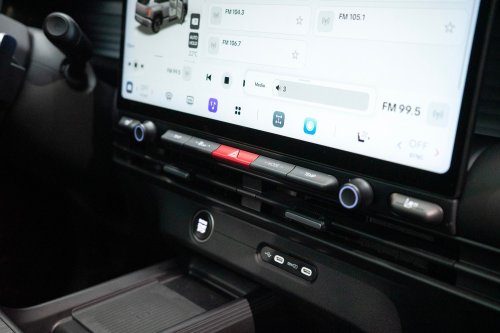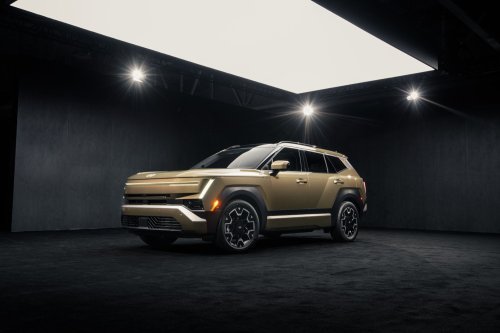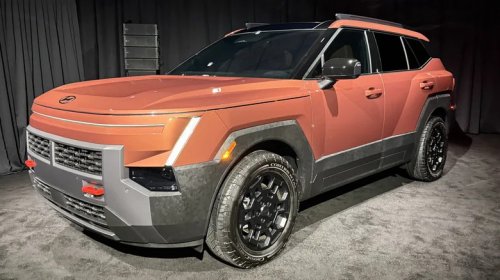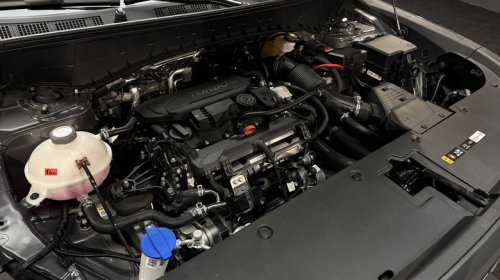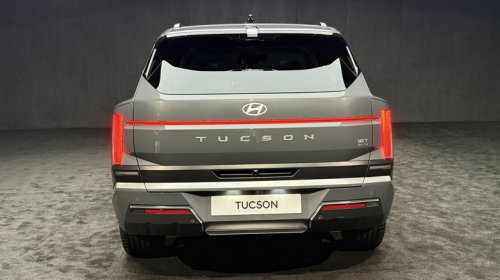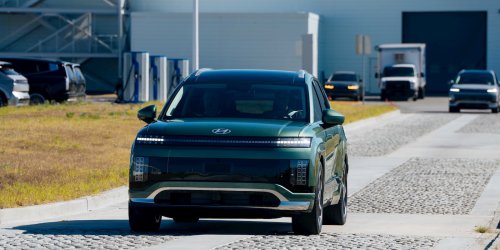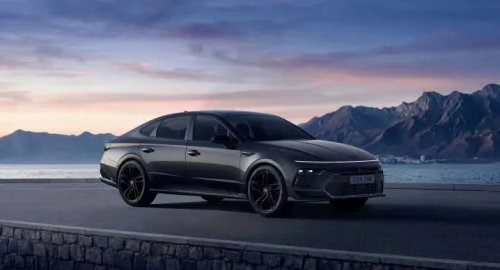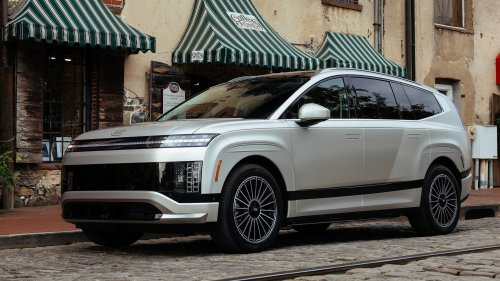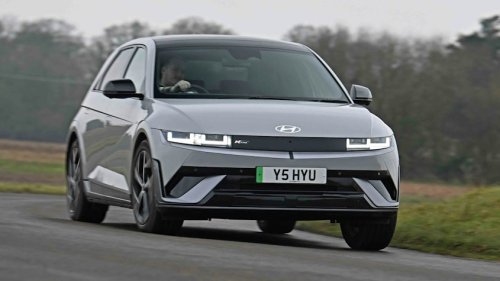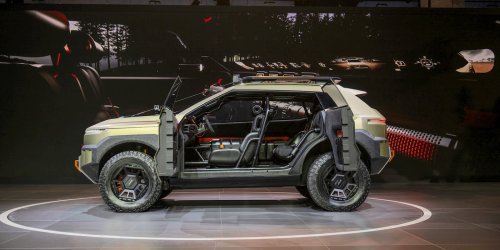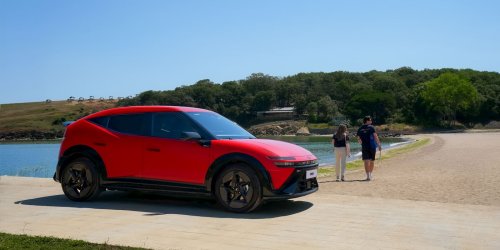





















EREV — it means extended-range electric vehicle and it has become a core vehicle category in China due to policy changes in the country in recent years. For many years, auto manufacturers have been building cars with conventional combustion engine powertrains and adding a small electric motor and tiny battery to create what was called a “plug-in hybrid.” The first such offering from Audi a decade ago offered a pitiful 8 miles of battery-only range. It was basically about marketing and finding a way to compete with the ubiquitous conventional hybrids being cranked out by the millions at Toyota. It was also a way to attract buyers who might want to start the transition to an electric car without actually driving an electric car and allowed the car companies to keep their costs (and retail prices) down by skimping on battery capacity. Regulators in China recently decided to exclude plug-in hybrids that could not travel at least 100 km (62 miles) on battery power alone from “new energy vehicle” incentives. Of course, that range was determined by the very generous testing cycle popular in China. EPA ranges are typically about 20 percent less, which means somewhere around 50 miles in US terms, which just happens to be the range of the Chevy Volt from a decade ago, the first EREV. Following the change in regulations, BYD even introduced one that could go up to 1,300 km on a combination of electrons and molecules. The distinguishing feature of these vehicles is that the gasoline engine is used solely to spin a generator that charges the battery while the car is in operation. That is unlike many PHEVs, in which the engine powers the wheels directly and feeds the battery when it has nothing else to do. Hyundai Joins The EREV Party Now Hyundai has decided it will jump on the EREV bandwagon and bring a number of extended-range electric vehicles to the US market, starting with the three-row Santa Fe. According to Car and Driver, the new powertrain will feature a pair of electric motors — one in front and one in back — for all-wheel drive capability. The company claims a combined range of over 600 miles and acceleration similar to a fully electric vehicle. Hopefully, 600 miles will be sufficient to quell the ever present range anxiety fears that still persist among some prospective new car shoppers. Genesis, the luxury division of Hyundai, will also benefit from this new strategy. A new GV80 Hybrid was announced just last week, but the first Genesis model to receive the EREV treatment will likely be the compact GV70. It’s unclear if the Santa Fe and GV70 EREV models will use the same powertrain or if the two will have some differentiation. The Genesis version is said to have a slightly longer combined range of 640 miles. The Santa Fe EREV will be manufactured in the United States, likely on the same Alabama assembly line as the gasoline-powered and traditional hybrid variants. The GV70 is currently built in Ulsan, South Korea. Credit: Hyundai Hyundai says it will bring 10 new conventional hybrid models to the US by 2030, when it says they will represent half of its total sales. Production capacity at Hyundai’s North American factories will also expand by an additional 500,000 units by 2030, the company says. Hyundai reportedly is working on pickup truck and body-on-frame SUV models, including the Boulder concept revealed at this year’s New York Auto Show. The new Ford Bronco has been a sales success and other manufacturers like Hyundai want in on the fun. Stellantis has its own EREV powertrain in development, expected to launch in the Jeep Grand Wagoneer, followed by the Ram 1500 REV pickup truck. Ford is said to be working on an EREV truck to replace the discontinued F-150 Lightning. Scout, the new division of Volkswagen, is also exploring EREV powertrains as an option in its upcoming Traveler SUV and Terra pickup truck models and claims that pre-orders are trending strongly in favor of the plug-in option. EREVs For Victory! Will EREVs finally, finally let people get over their range anxiety fears? Maybe. Although, the idea of plugging in at all still gives may folks the heebiejeebies. I have neighbors who are giddy over the tremendous gas mileage they are getting with their traditional hybrids — 40 mpg in some cases! While that is to be celebrated because it means they are using less gasoline, their eyes still glaze over when I tell them an electric car typically gets the equivalent of about 120 mpg, which means they could be spending even less on fuel. They just can’t seem to wrap their heads around the idea of not pumping gas! I’m glad I am not an automotive executive tasked with figuring out what the buying public wants while complying with a welter of regulations that are often in conflict with one another. The one thing that is consistent, in my experience, is that almost nobody takes the fate of the Earth’s climate into consideration when making a decision about which car to buy. Despite wildfires, marine heat waves, and melting glaciers, the realization that the environment is in desperate trouble has not sunk in yet. By the time it does, it may be far too late.