Videos of apparently empty electric vehicles reversing and manoeuvring through underground garages circulated on Chinese social media platforms in November 2026. The clips reportedly feature Avatr and Aito models, both equipped with Huawei Qiankun intelligent-driving technology.
One particularly unusual clip shows an Avatr 06 and an Avatr 12 performing synchronised parking manoeuvres side by side at 6 am. The two cars appear to be following the same routine, turning an otherwise quiet underground garage into an unlikely parking duet.
The footage appeared during a Huawei driving contest that rewarded assisted-parking use. However, some clips reportedly show vehicles moving between 12 am and 6 am, outside the contest’s scoring hours. Why were they still moving when those attempts could not earn points?
Huawei contest rewarded repeated parking
The clips surfaced during the second Huawei Qiankun Intelligent Driving Open, held from October 31 to November 13, 2026. More than 190,000 owners registered for the competition, which had eight categories.
The Parking Elite category ranked participants by successful uses of assisted-parking functions, including Automatic Parking Assist (APA), Remote Parking Assist (RPA), Exit-and-Park Assist (EPA) and parking-lot navigation assistance. The top 100 received Huawei points.
Chinese social media posts described owners repeating parking manoeuvres to improve their rankings. One owner claimed to have completed 1,000 sessions in a day, a figure that has not been independently verified. The contest incentivised participants to maximise their successful parking attempts.
However, Huawei’s rules only counted qualifying activity between 06:00 and 22:00 each day. One circulating Avatr 06 video carries competition-related hashtags and says attempts outside those hours do not count. The reported pre-dawn manoeuvres therefore earned no additional points. The cars were, in effect, doing laps of the garage for nothing.
Avatr and Aito use Huawei technology
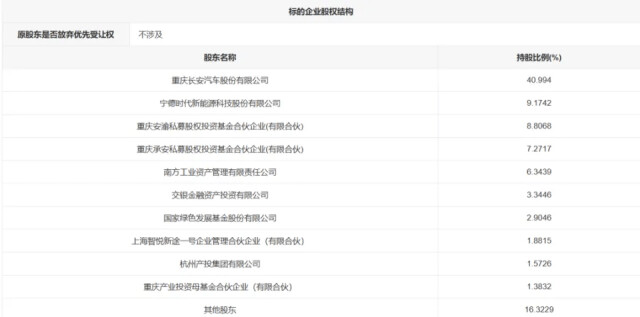
The footages reportedly featured the Avatr 06, Avatr 11 and an Aito SUV. Changan Automobile holds 40.99% of Avatr, while CATL owns 14.1%. Huawei supplies its intelligent-driving technology, while Aito is developed through the Seres-Huawei partnership. On November 13, Huawei executive Richard Yu said Qiankun ADS had been installed in more than 2 million vehicles across over 20 automotive brands.
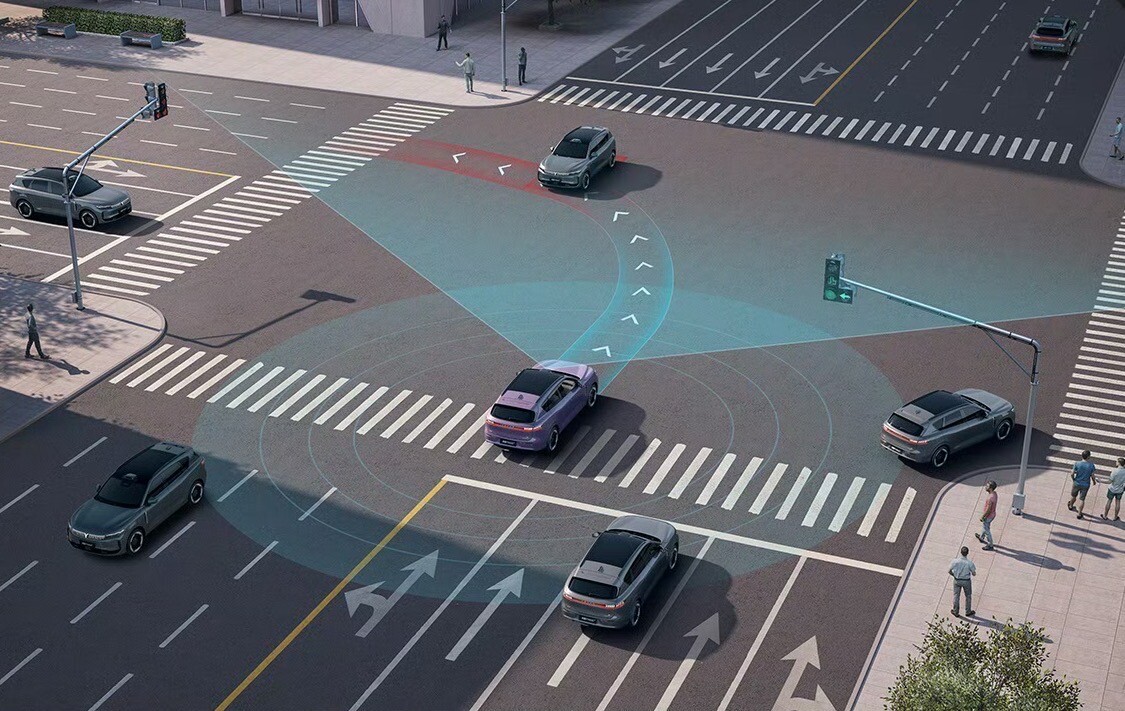
Huawei’s ADS 3.2 supports Park-to-Park driving in unfamiliar garages, while its separate Valet Parking Driver (VPD) function lets owners move vehicles remotely using a smartphone. Huawei has demonstrated remote vehicle parking and automated airport parking.
Three explanations could account for the repeated movements. Owners may have used the app to move their cars out of spaces and then park them again. Alternatively, poor lighting, faded bay markings or tight clearances may have interrupted a manoeuvre, prompting the system to reposition or search for another space. A software fault is also possible, but CCTV footage cannot establish whether one occurred.
Avatr’s 06 RPA documentation gives an operating speed of approximately 5 km/h. Its EPA manual says the system can shift into Park if an obstacle remains in the vehicle’s path. Vehicle operating logs would be needed to establish what happened in the longer clips.
Automated parking is not driverless operation
Huawei’s competition rules describe passenger-car Qiankun ADS as driver-assistance technology. It cannot replace driver control, and drivers must remain attentive and ready to intervene.
China’s recommended national standard GB/T 47031-2026, effective January 28, 2026, sets performance and testing requirements for automated parking systems. For Class II systems that cruise through parking facilities, it sets a maximum speed of 30 km/h.