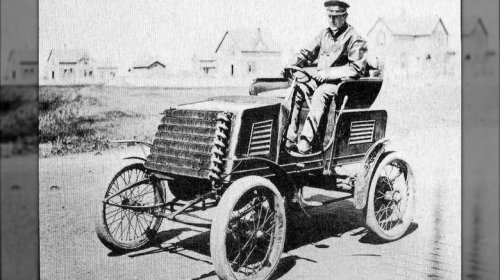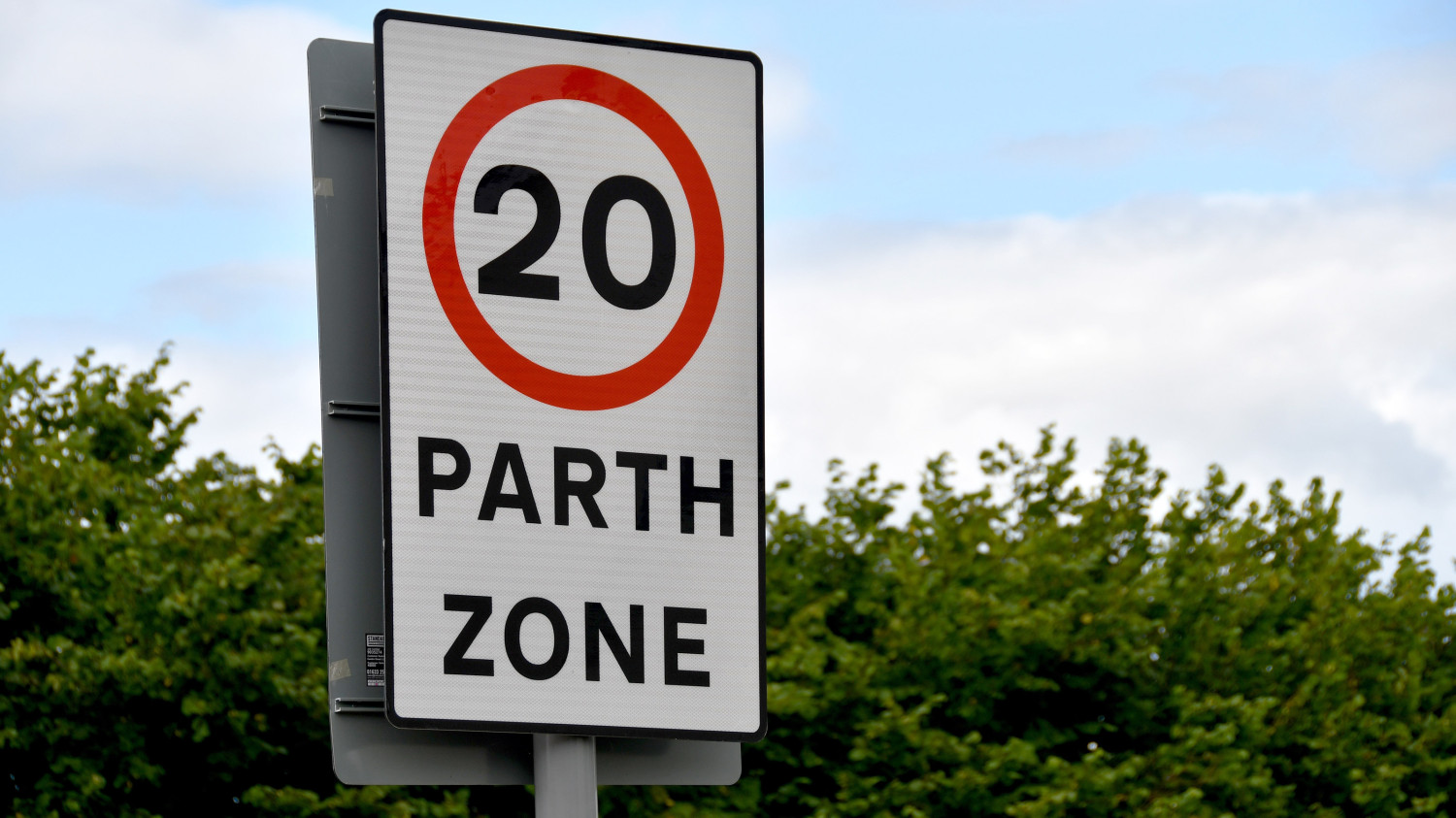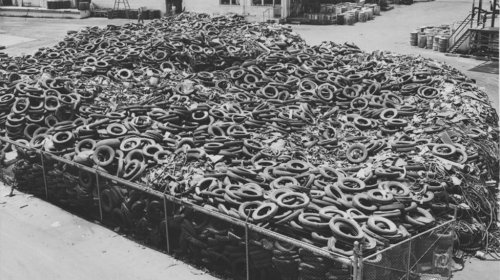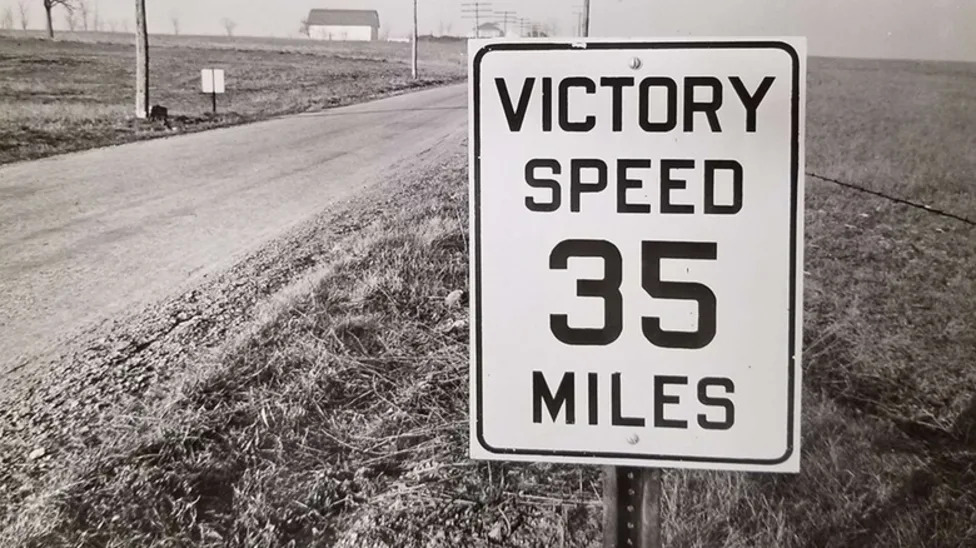
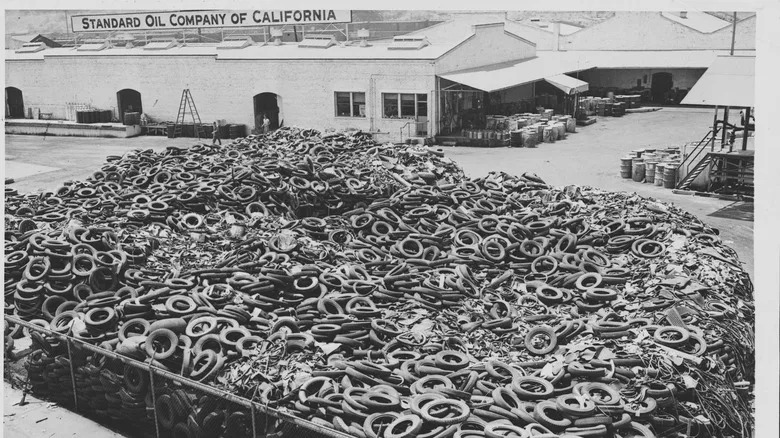



















Library of Congress Add Jalopnik on Google: Google Discover While the continental United States was spared the widespread devastation of World War II that was seen throughout Europe and Asia, Americans still had to make sacrifices for the war effort overseas. The federal government imposed rationing of vital war materials in 1942, and drivers were essentially forced to avoid unnecessary travel. There was a monthly vehicle use tax, an occupation-based gasoline rationing system, and a new national speed limit of 35 miles per hour. The rationale for rationing was simple. Fuel, metal and rubber were scarce, so nearly all of it was dedicated to wartime production. As a result, it was practically impossible to buy a new car. According to the National Park Service, the federal government halted the production of all civilian vehicles in February 1942. Sales were also stopped, and existing unsold supply was stockpiled. If someone wanted a new car, they needed to be in a profession where travel was deemed necessary and prove to their local rationing board that their current car had more than 40,000 miles on it. Having a car in their driveway didn't mean they could drive it however they'd like, either. Fuel was a precious resource, and a national rationing system was implemented in December 1942. Forget about going for a joy ride or heading out on that summer road trip. In January 1943, "pleasure driving" was banned on the Eastern seaboard. Most drivers were limited to 4 gallons of gas per week. Long-distance commuters were allowed up to 10 gallons. Delivery drivers and doctors were allowed unlimited fuel, but they had to put a special sticker on their cars for access to that fuel. The same stickers reminded drivers to check their tire pressure regularly, slow down before turning the car, and to drive under 35 mph. And no matter which sticker you had, going out for a bit of fun behind the wheel wasn't technically allowed. The desperate need for rubber slowed the entire nation to 35 mph Hulton Deutsch/Getty Images "Victory Speed" was the ultimate measure to conserve rubber. The national 35 mph speed limit was imposed in May 1942. Along with saving fuel, experts calculated that the new speed limit doubled tire life when compared against driving at 60 mph. Rubber car tires were probably the most closely regulated industrial resource of the conflict. It took a ton of rubber to produce a single tank, and war with Imperial Japan cut the United States off from over 95% of the world's natural rubber supply. Every ounce of rubber that could be saved mattered; even retreads required permission from a local tire rationing board. According to the National World War II Museum, car owners could only have five tires: the four on the vehicle and a spare. Any other tire had to be surrendered to the government. 1940s-era tires typically had a two-year lifespan, but they were inspected twice weekly during the war to stretch their lifespan as long as possible. World War II rationing had a significant impact on car ownership in the United States. In 1941, 88% of households across the country owned a car. The rationing measures not only limited how much someone could realistically drive, but they also discouraged car ownership entirely. Car ownership sank to Great Depression levels by 1945, with 73% of households owning a vehicle. Thankfully, demand recovered after the war when cars began rolling off the assembly line again.