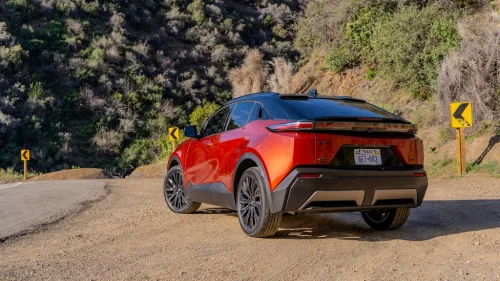
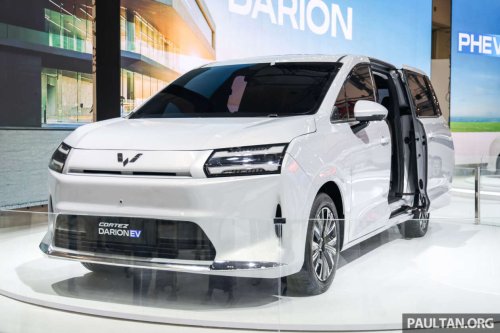
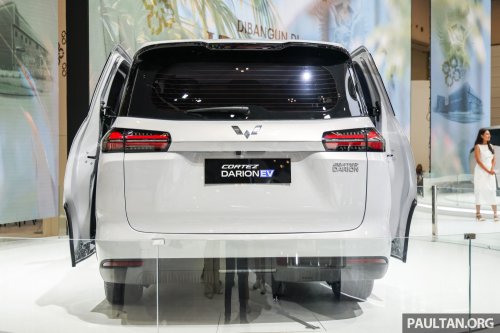
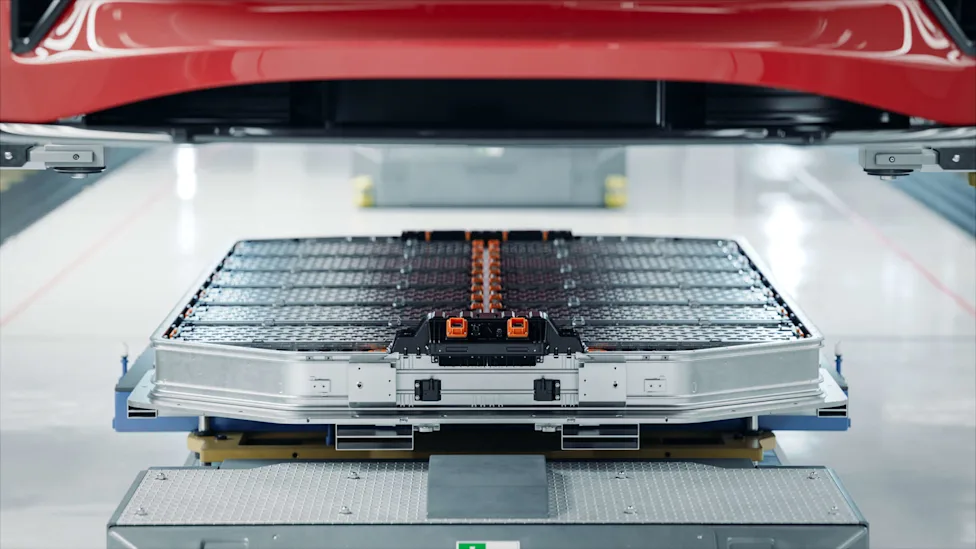
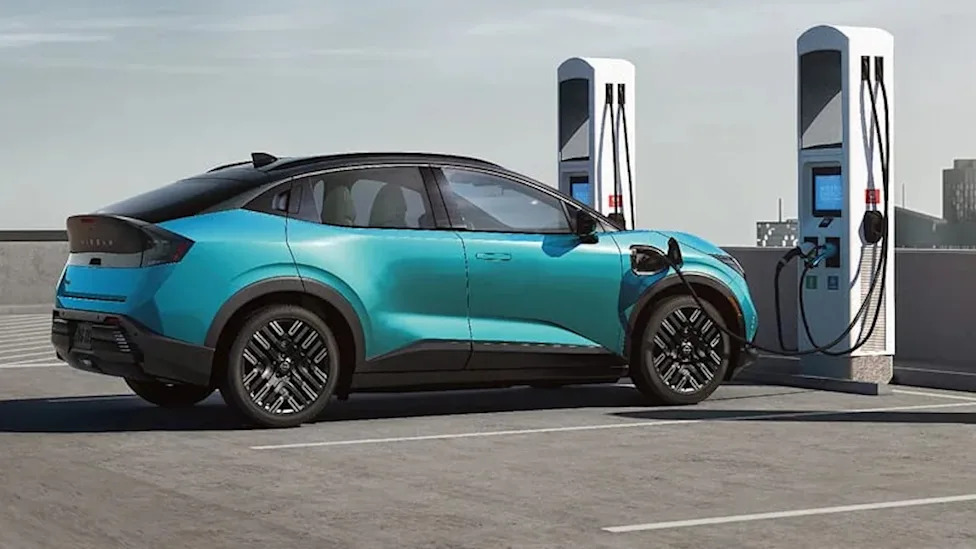
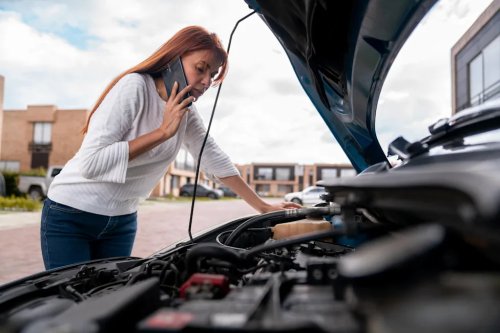
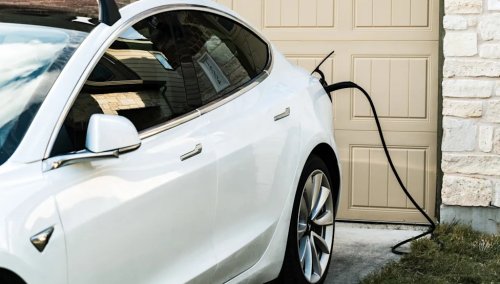
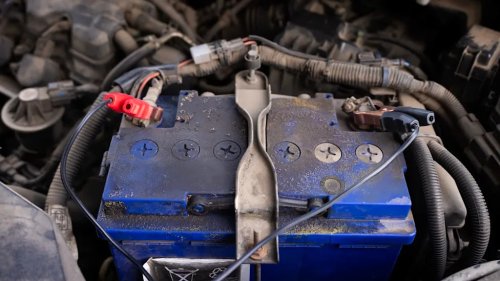
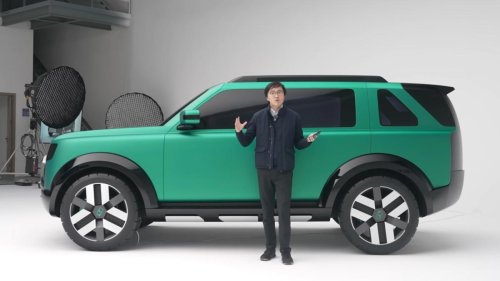
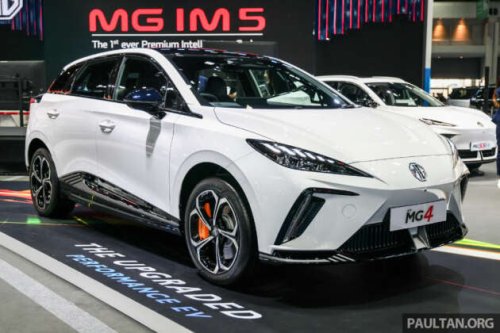
Tesla recommends owners precondition their electric vehicles prior to driving. Pre-cooling the vehicle while it charges can extend its range. Patrick Pleul/dpaAs extreme heat warnings are issued and triple-digit days become more frequent, electric vehicle drivers may begin noticing their cars becoming less efficient, especially if left out in the sun. The estimated driving range may drop faster, the air conditioning may work overtime and charging could take longer than usual.This doesn't necessarily mean there is something wrong with the vehicle's battery, according to the Nickel Institute, a global association for nickel producers, an element many EV batteries contain. Heat can temporarily reduce efficiency and increase energy use, which can reduce battery life.Here's what EV owners should know as high temperatures persist.AdvertisementAdvertisementWhat happens to EVs in extreme heat?The American Automobile Association conducted a study earlier this year showing how extreme weather conditions affect hybrid and electric vehicles. While extreme heat won't leave most modern EVs stranded, it can affect the efficiency of the vehicle by requiring more energy for cooling and putting more stress on the battery.The study found that EV efficiency, or miles per gallon equivalent, dropped by 10.4% when temperatures reached 95 degrees, with the possibility of dropping further as temperatures rise. Research from Recurrent Auto, a start-up analyzing EV battery health, states temperatures over 100 degrees can cause 17-18% loss of range in EVs.Can heat permanently damage an EV battery?AdvertisementAdvertisementEVs use lithium-ion batteries, which operate through chemical reactions, and temperature can affect the rate of those reactions. Extreme heat can cause accelerated degradation of EV batteries, according to the Electric Vehicle Council. Although newer EV models have active thermal management systems to cool and prolong battery life, those systems use a significant amount of energy, and as a result reduce driving range.Consistent exposure to high temperatures can result in permanent battery damage, according to Recurrent Auto. The company recommends leaving the vehicle half-charged if drivers cannot park the EV in a shaded area. If possible, the company also suggests leaving the car plugged in with a charge limit set to help maintain a healthy battery life in extreme heat.Can air conditioning affect the battery life?Yes, running the air conditioning in an electric vehicle in extreme weather conditions can result in range loss, according to Recurrent Auto. Both the heating and cooling systems draw power from the battery. The same battery that powers the air conditioning also runs the vehicle's motor and other onboard electrical systems.AdvertisementAdvertisementHowever, modern EVs are becoming increasingly better at managing cabin temperatures without significantly reducing driving range, according to the Chinese EV company Skywell. The overall impact on range is not related only to air conditioning use but also driving speed, journey length and outside temperature.What can EV owners do to protect their cars in extreme heat?Tesla recommends owners precondition their electric vehicles prior to driving. Pre-cooling the vehicle while it charges can extend its range, according to the Department of Energy. This allows the vehicle to use power from the grid and preserves battery life.Parking in the shade or a garage can help keep the cabin from overheating, and reduce the energy needed to cool the vehicle before a trip. Using a sunshade can also limit heat buildup in the car, so the air conditioning uses less energy to bring the cabin temperature down.AdvertisementAdvertisementDrivers should pay attention to battery or temperature warning messages. A loss in range is expected; however, if warning lights appear, consider taking the vehicle to a service center to determine if the problem is a bigger battery problem.Running the air conditioning in an electric vehicle in extreme weather conditions can result in range loss. Jens Büttner/dpa





















 +37 others