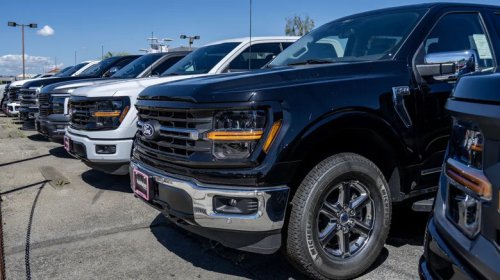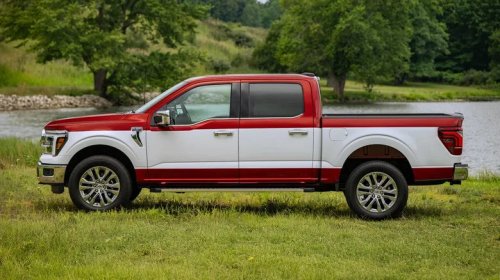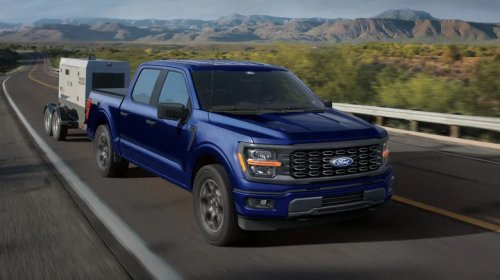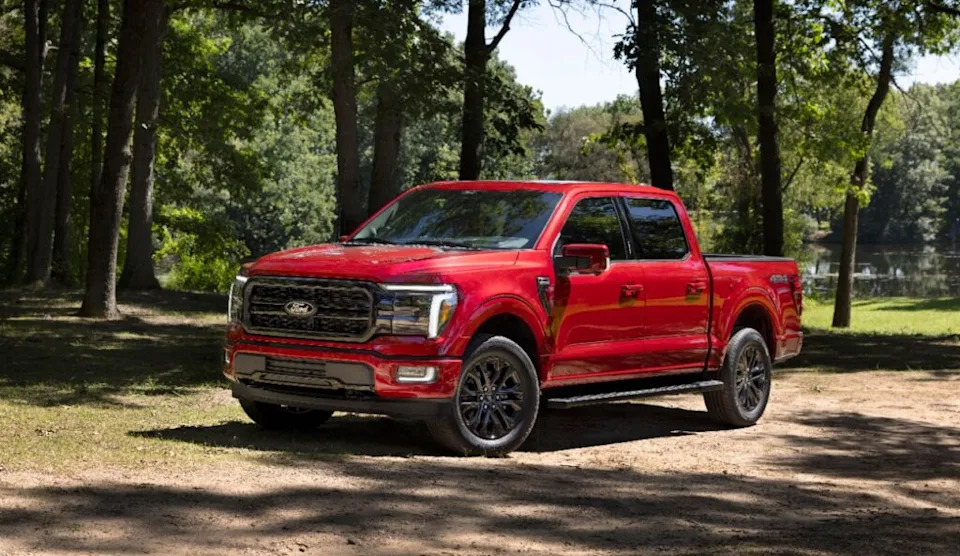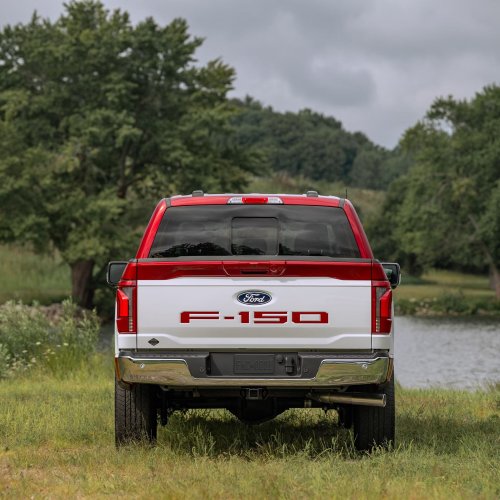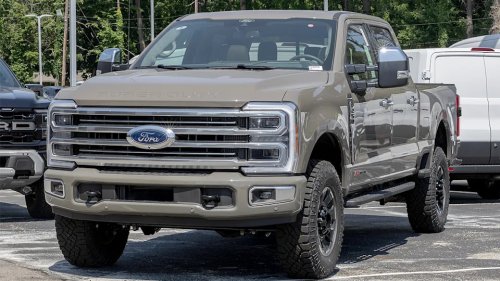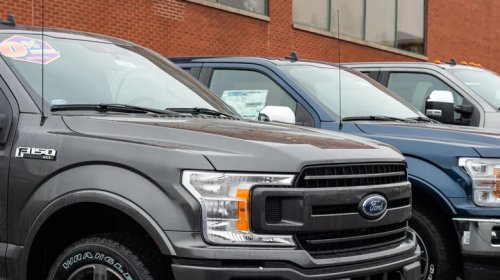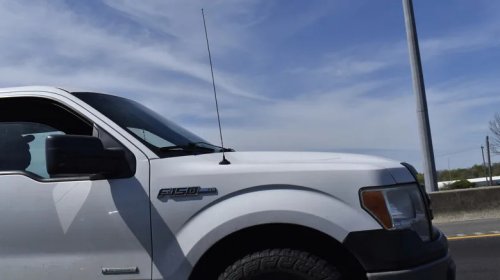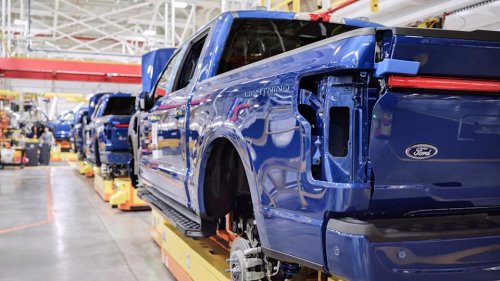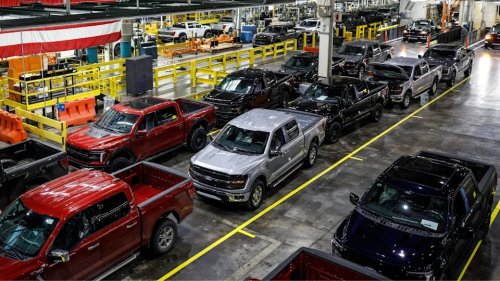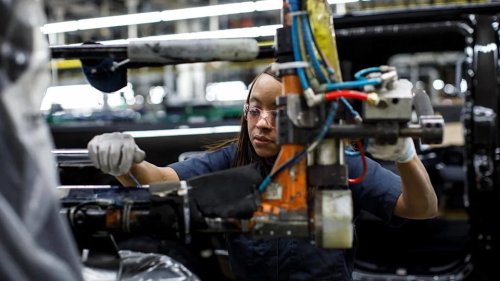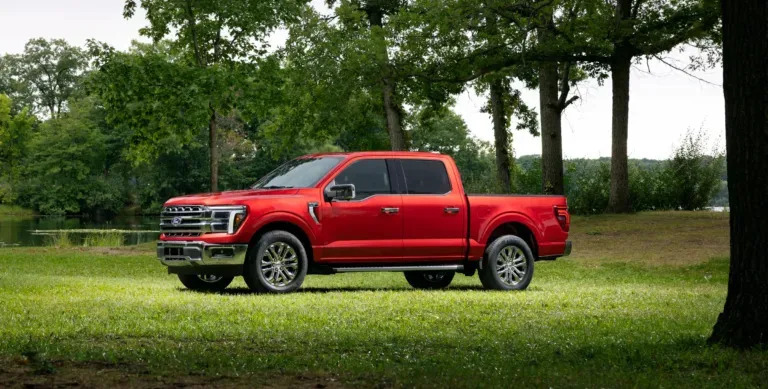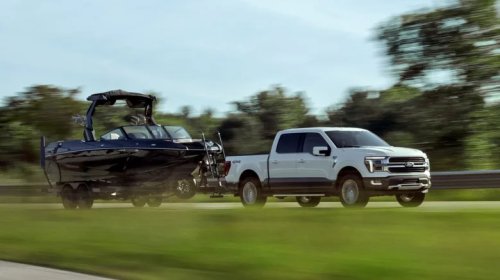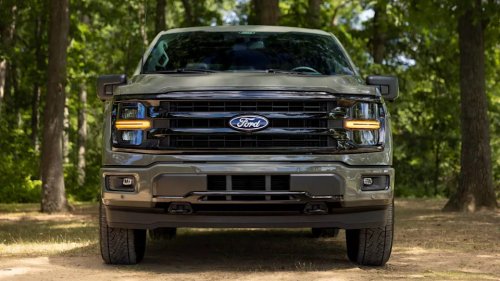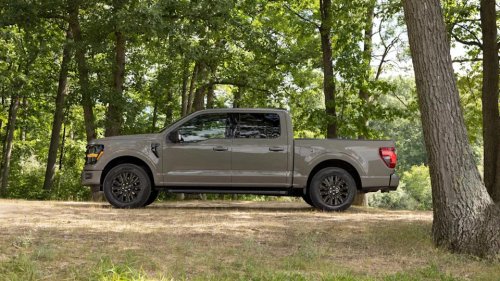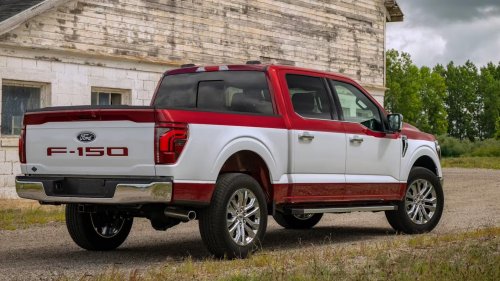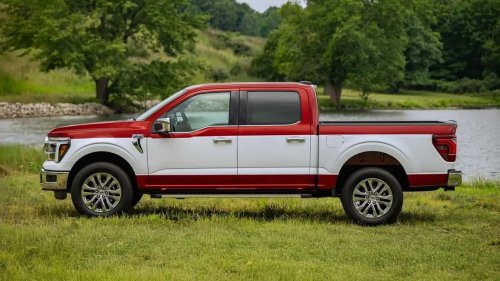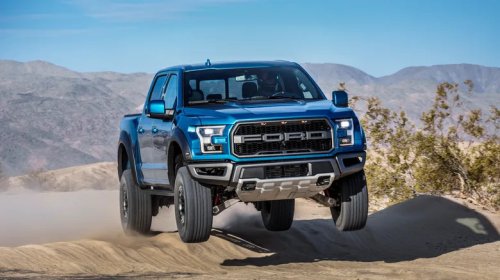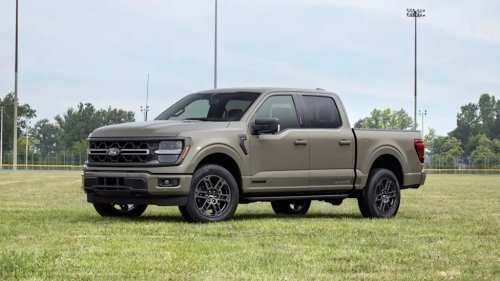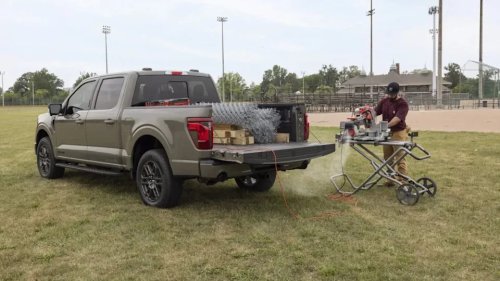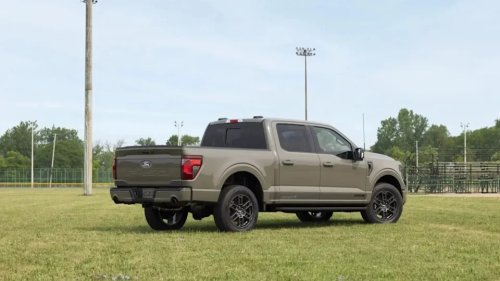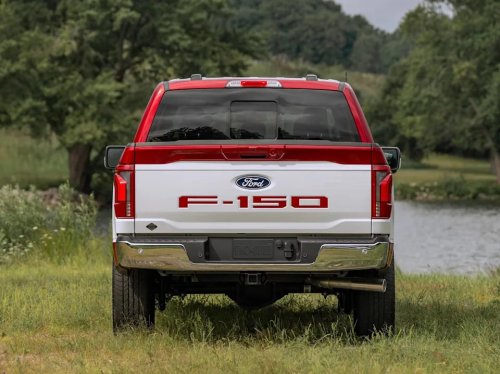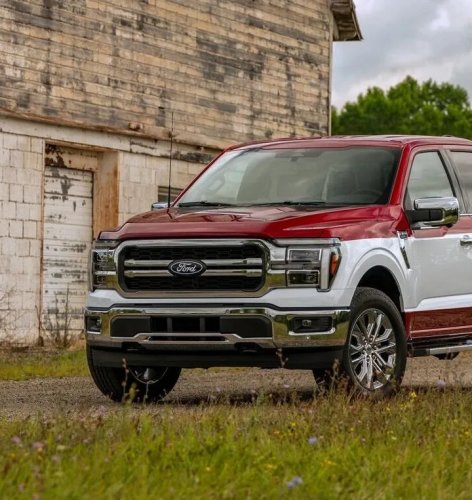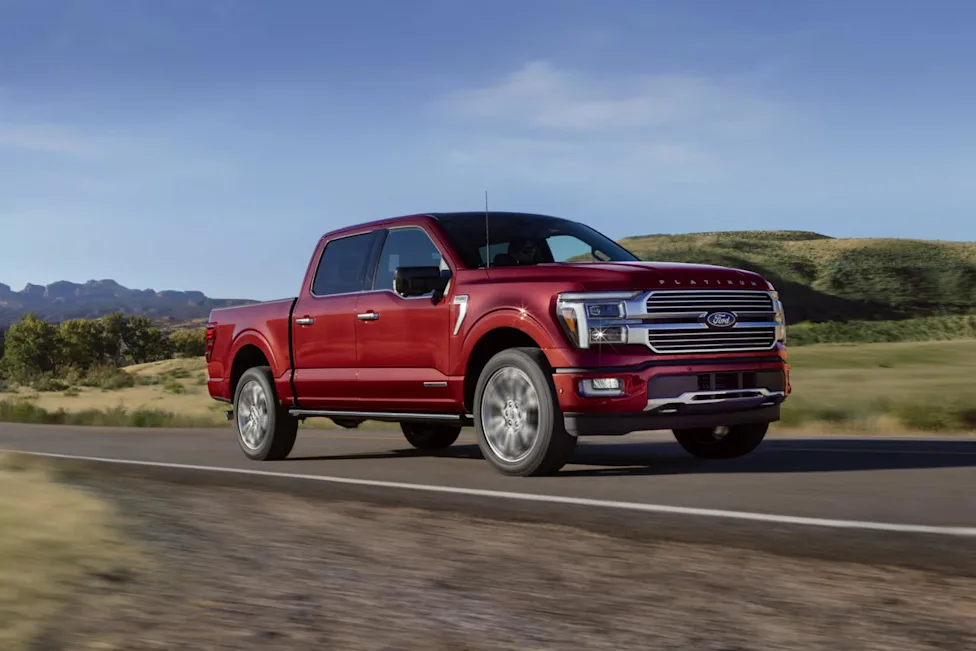



















The Ford F-Series is the undisputed heavyweight champion of the American automotive market. But over the last few months, Ford's most profitable cash cow was completely derailed, not by a rival automaker or a sudden lack of consumer demand, but by a catastrophic and entirely unforeseen supply chain failure.Back when Ford made the highly controversial decision to switch the F-150 to a military-grade aluminum alloy body, it revolutionized the full-size truck segment by slashing weight and improving capability.However, that structural innovation also created a massive, highly specific dependency on a few specialized suppliers. That vulnerability was violently exposed last fall when Novelis, a major supplier of aluminum products to the automotive industry, suffered two separate fires at its Oswego, New York, factory.AdvertisementAdvertisementThe resulting bottleneck of key aluminum components effectively crippled Ford's ability to maintain its F-Series production lines. According to a recent financial analysis published by The Motley Fool, this single supplier disruption was incredibly severe, ultimately costing the Blue Oval up to a staggering $2 billion in losses.The Dealership Reality for FordFor the everyday truck buyer, this corporate supply chain disaster translated directly to barren dealership lots and plummeting sales numbers.The 2025 Ford F-150 on the road2025 Ford F-150 | FordThe disruption hit so hard that the F-Series experienced a highly unusual 13% decline in U.S. sales during the month of May, while gross stocks of the truck remained down 16% compared to the prior year.AdvertisementAdvertisementWhen America's best-selling vehicle experiences a double-digit sales drop, it sends shockwaves through the entire industry. Ford was essentially forced to watch the beginning of its critical selling season slip away simply because they couldn't secure the necessary stamped metal to finish building the trucks on the assembly line.The Floodgates Are OpeningThe grueling inventory drought, however, is officially coming to an end. According to the latest reports, Novelis has finally restarted production at the New York facility and is actively working to accelerate the supply of aluminum automotive products back to its major clients.This is a massive turning point for Ford's balance sheet, as the automaker now believes it can offset roughly half of those massive losses—between $750 million and $1 billion—before the end of 2026.What does this mean for our readers? It means the leverage is about to violently shift back to the buyer. To make up for the lost time and move these delayed units during the popular selling season, Ford is already unleashing aggressive incentives, including employee pricing.AdvertisementAdvertisementFor the truck enthusiast who has been waiting patiently for the inventory to normalize, the back half of 2026 is shaping up to be a prime buying opportunity. As Ford desperately floods the market with F-150s to regain its lost momentum, consumers will finally be back in the driver's seat at the negotiating table.