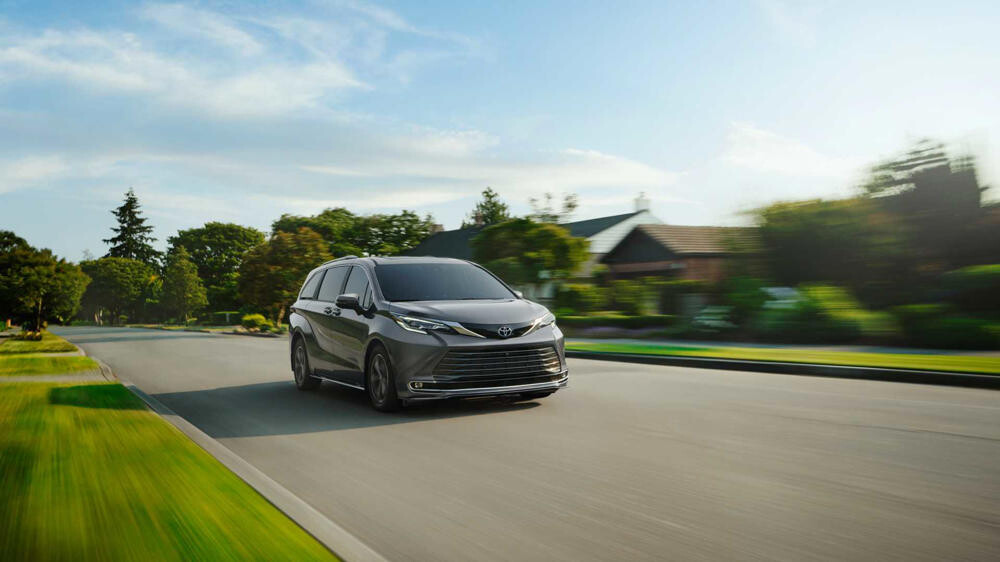
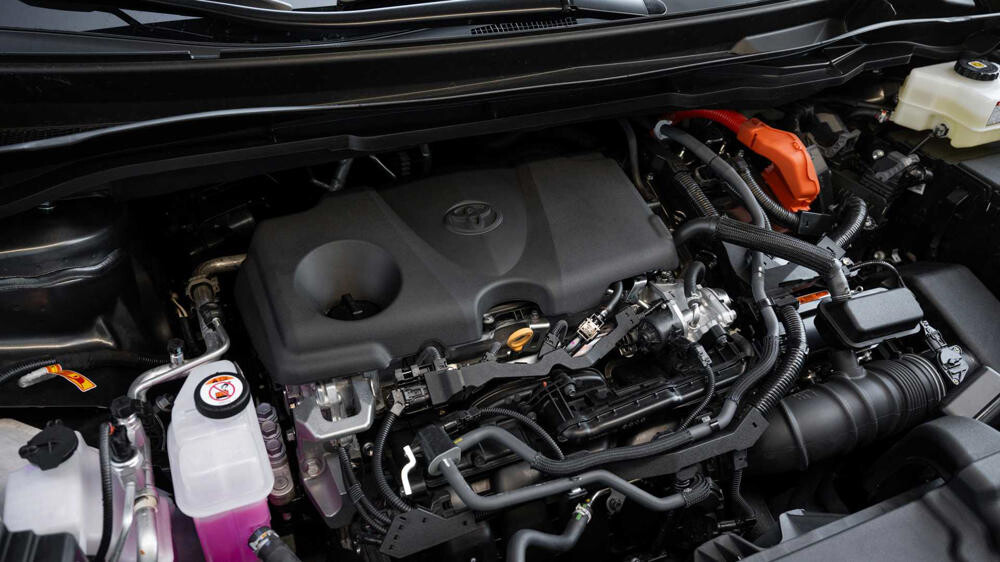
The 2026 Honda Pilot EX-L has a stowable second-row center seat that lets a family switch from an eight-passenger bench to captain’s chairs without leaving a seat at home. That flexibility gives the Pilot a practical advantage over the 2026 Toyota Grand Highlander Hybrid XLE, even before the two SUVs leave the driveway. Toyota counters with the one feature Honda cannot offer in the Pilot: a conventional hybrid powertrain. The choice comes down to seating flexibility versus lower fuel costs. The Hybrid Changes the Deal The biggest difference between these SUVs is under the hood. The Pilot EX-L and Grand Highlander Hybrid XLE are close enough in price to compare directly, but their front-wheel-drive EPA ratings are separated by 14 mpg combined. Model MSRP Powertrain Front-Wheel-Drive EPA Second-Row Seating Honda Pilot EX-L $44,695 285-hp 3.5-liter V6 22 mpg combined Bench with stowable center seat Toyota Grand Highlander Hybrid XLE $46,780 2.5-liter hybrid 36 mpg combined Bench, with captain’s chairs available The Pilot’s V6 is smooth and has a pleasing growl when it is worked hard. In our testing, it reached 60 mph in 7.26 seconds, but its 262 lb-ft of torque arrives high in the rev range, so the engine needs to spin harder than a turbocharged or hybrid rival when merging and passing. The 10-speed automatic shifts cleanly and gives Sport mode useful urgency. That smooth performance comes at a cost, however: the Pilot returns just 22 mpg combined. The Grand Highlander Hybrid XLE’s 36 mpg combined rating might be more important than the Pilot’s stronger-sounding V6. The Grand Highlander Hybrid costs $2,085 more, but asks for far fewer fuel stops over years of family duty. Toyota also covers the hybrid battery for 10 years or 150,000 miles, with hybrid-related components covered for eight years or 100,000 miles. Honda Owns the Flexible Second Row The Pilot EX-L earns its place in this fight with features Toyota does not duplicate. Its middle second-row seat folds into a console with cupholders, then releases completely and stores beneath the cargo floor. Families can use the bench to carry an extra passenger on Friday and separate kids with captain’s chairs on Saturday. Toyota offers the Grand Highlander XLE with a second-row bench for eight or captain’s chairs for seven, but that choice is made on the order sheet and cannot be changed afterward. That setup is more useful than fixed captain’s chairs for parents who sometimes need eight seats and sometimes need a clear path to the third row. The EX-L also brings leather-trimmed seating, parking sensors, a wireless phone charger and Honda’s 12.3-inch touchscreen with Google built-in, while retaining physical climate controls and other frequently used buttons. Toyota Has More Third-Row Legroom, Honda More Cargo Space The Grand Highlander gives third-row passengers an extra inch of legroom: 33.5 inches against 32.5 inches in the Pilot. That difference can matter on a long drive. Cargo space is the opposite. The Toyota offers 20.6 cubic feet behind the third row and 97.5 cubic feet with both rear seats folded. Honda lists 22.4 and 87 cubic feet, so the Pilot takes has more space behind the third row but less overall. Honda’s reversible cargo floor is the better answer for muddy cleats and wet gear, though its removable seat consumes most of the underfloor storage when it is carried along. 2026 Toyota Grand Highlander Buy the EX-L or the Hybrid XLE Buy the $44,695 Pilot EX-L if your household regularly shifts between seven and eight passengers, or if its removable seat solves a problem that fixed captain’s chairs cannot. It is the Pilot trim to get because it includes the model’s defining family feature without climbing to the $53,695 Elite, which adds luxury equipment but does not address the V6’s fuel-consumption drawback. Choose the $46,780 Grand Highlander Hybrid XLE if the third row sees regular adult use, or if annual mileage is high enough for a 36-mpg hybrid to pay back its small upfront premium. The Toyota gives up Honda’s clever seat and some cargo room, but its better fuel economy and extra third-row legroom make it the stronger choice for families who regularly carry adults in back. The Pilot remains easy to drive, quiet on the road and unusually adaptable in its second row. Its V6 is the limitation: unless the removable seat is a must-have, the Grand Highlander Hybrid’s lower fuel use and adult-friendly third row justify the move to Toyota.

 Liked by Alexander Brown, Emma Campbell
 Liked by Alexander Brown, Emma Campbell