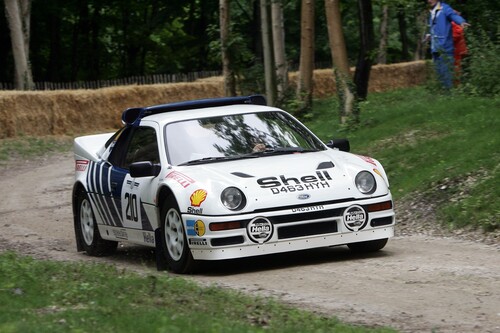
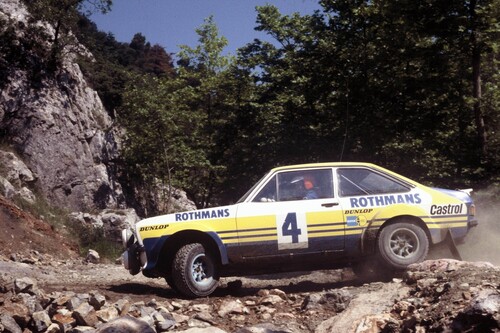
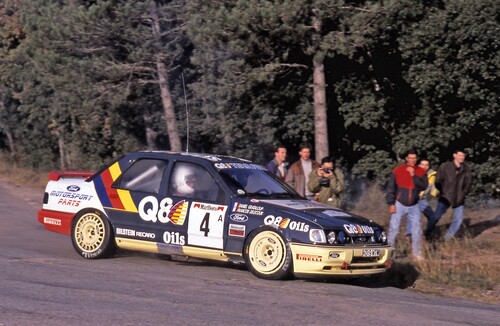
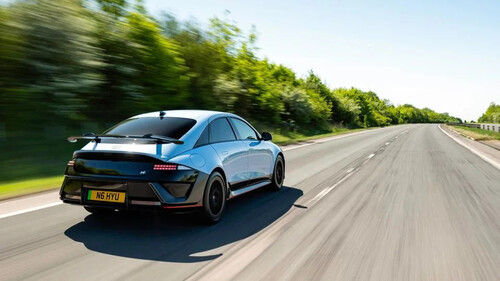
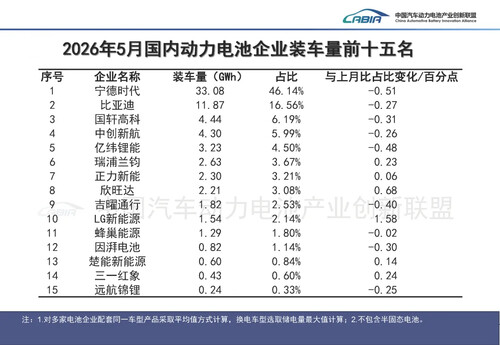
Ella Leblanc · 22 days ago@ellaleblanc230High-Mileage EVs May Hold Up Better Than Gas Cars: Study Liked by+14 othersPost commentRelated PostsVW's Proposed Restructuring May Be On Hold, Union Reps Reportedly Blocking Job Cuts 51 · Parker Anderson · 3 months agoMechanic Revives High-Mileage Tesla Model S That May Have Been "Cheapest Tesla In the UK" 16 · Owen Johnson · 2 months agoDual-EV household fills ICE rental car for first time, says gas prices 'hits different'Abigail Fortin · 10 days agoFord Jumps Back Into WRC, Says Your Next Car Will Be Better For ItKaitlyn Lewis · 13 days agoTest Driving The Hyundai Ioniq 6 N, An EV For Car LoversCamille Anderson · 5 days agoChina Holds 55% of Global EV Sales as May Market Expands 3% 68 · Olivia Leblanc · 3 months agoNIO Smart Assisted Driving Usage Mileage Nearly 200 Million km in May 38 · Oliver Lavoie · 4 months agoMassive UK study finds high-mileage electric cars more durable than petrol 18 · Zoë Hall · 22 days agoEPA Built Its Smog Rule Around EVs That Aren’t Coming. Now It Wants Two More Years for Gas CarsHenry Turner · 12 days agoSuddenly 56% of Drivers Say High Gas Prices Have Them Interested in EVs 74 · Sarah Pelletier · 1 months agoCar owner warned that expensive repair may still be better than gambling on another used carMia Walker · 13 days agoEV owners tracked a regular week, then put charging, gas, and solar side by sideWilliam King · 7 days agoUS drivers flee $4 gas, only to find used-car prices back at pandemic highs 41 · Caleb Moreau · 25 days agoChina EV Battery Installations Hit 71.9 GWh in May, CATL Holds 46.14%, BYD 16.56% 53 · William Pelletier · 4 months agoSingle-Plane Vs. Dual-Plane Intake Manifolds: Which Is Better For Your Classic Car? 69 · Ava Nelson · 13 days agoMost Americans Now Thinking About Electric Cars, Thanks To High Gas Prices 33 · Morgan Harris · 27 days agoThe Best Engine Oils For High-Mileage Engines 16 · William Côté · 1 months agoMechanics Are Asked If Toyota’s Reliability is 'Overrated.’ They Don’t Hold Back: 'Debris May Not Have Been Cleared' 36 · Jenna Turner · 9 months agoBMW built the same car for gas and electric. The EV is $4,400 cheaper. 12 · Alexander King · 14 days agoCar Deal of the Day: Vauxhall Astra Sports Tourer is loads better at just £206 a month 58 · Benjamin Anderson · 15 days ago




 +14 others