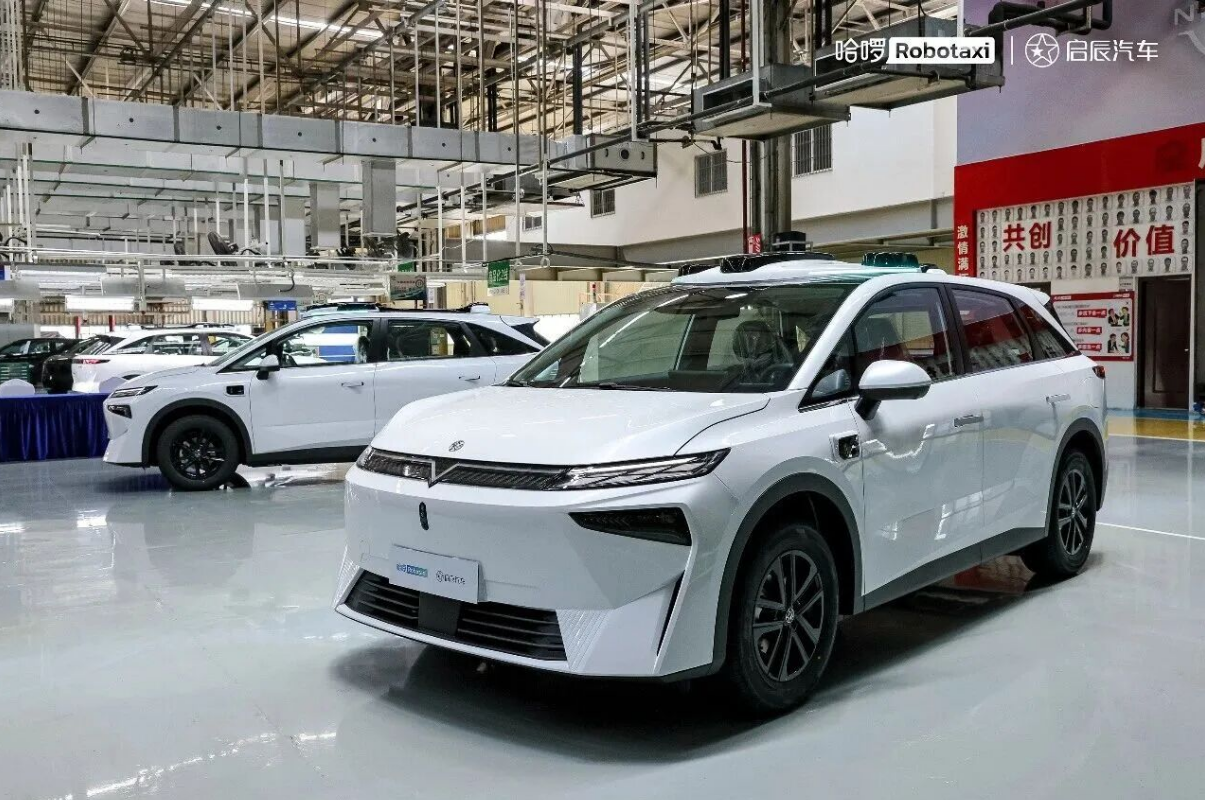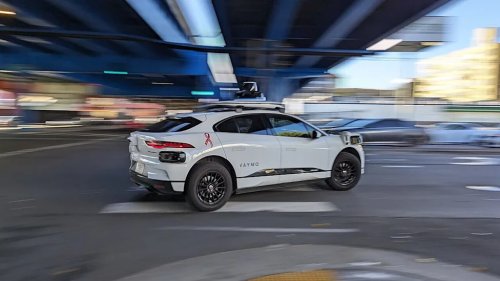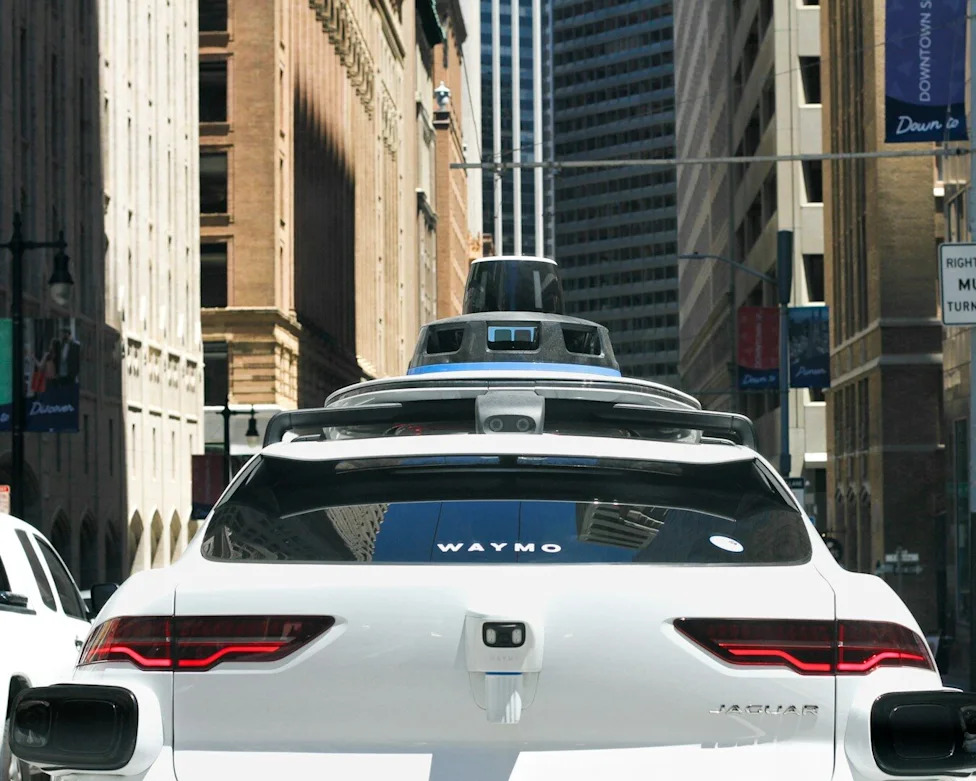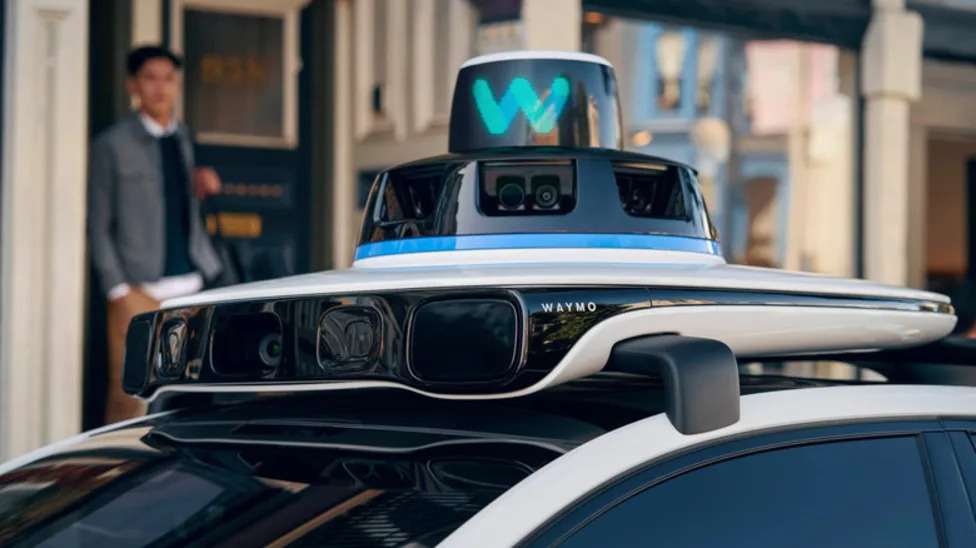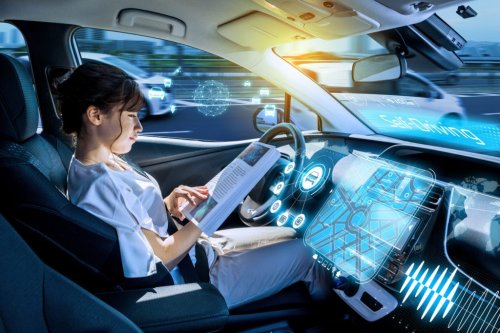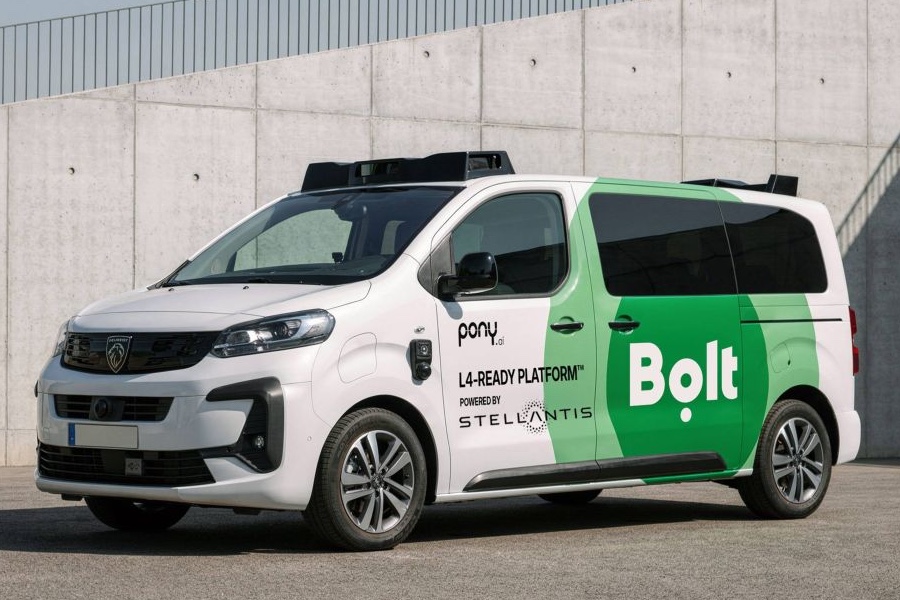


















Gasgoo Munich- A recent incident in Shenzhen — where a passenger's hand was caught in an autonomous vehicle — has sparked public attention. After reviewing the full video, local traffic police ruled it an accidental event, not a traffic collision. Pony.ai, the vehicle's operator, moved quickly to clarify that the mishap stemmed from passenger error, not flaws in the car's safety design or self-driving capabilities. The passenger sustained minor injuries and is resting at home, dispelling online rumors of a severed finger.Pushing back against online claims that the doors locked shut, a fact check revealed the left rear door handle was already extended and fully functional. Panicked after her hand was caught, the passenger mistakenly assumed the driver's door was to blame — and didn't try the rear handle to escape. The driver's seat was unoccupied; restricting external access is a deliberate safety feature to keep riders out of the cockpit, not a malfunction. At the time, the vehicle was stationary and boarding passengers, with the self-driving system engaged in no driving tasks. The direct cause was simple human error: a fellow passenger closed the door while the hand of someone assisting the boarding was in the path. Sensing the anomaly, the vehicle stayed put, preventing any secondary injuries.Pony.ai moved swiftly to set the record straight. For its part, the industry is tightening safety around boarding and alighting — rolling out better in-cabin voice alerts and app-based warnings to smooth out the operational experience. The data backs the broader safety case: several firms now run Robotaxis in Shenzhen, and their liability-accident rate per 10,000 km trails well behind traditional taxis and ride-hailing cars. Across China's top autonomous-driving firms, global operations have surpassed the 100 million km mark — with safety records statistically outperforming human drivers.