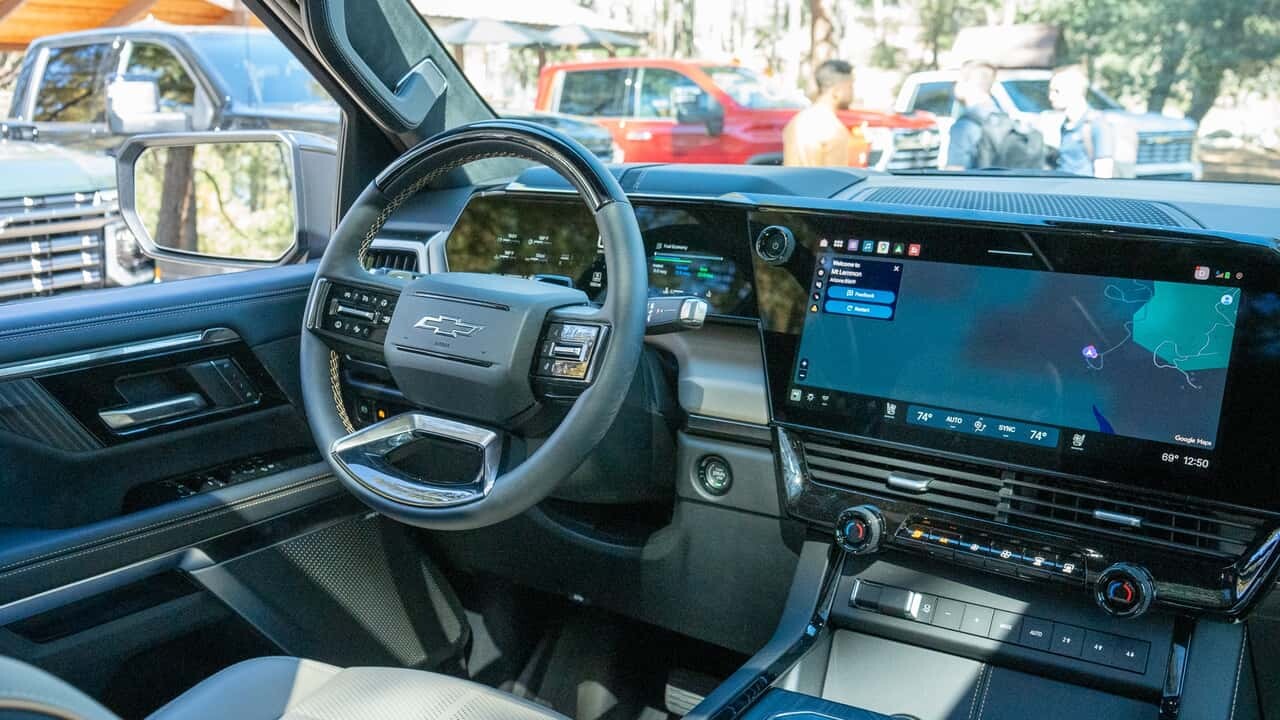
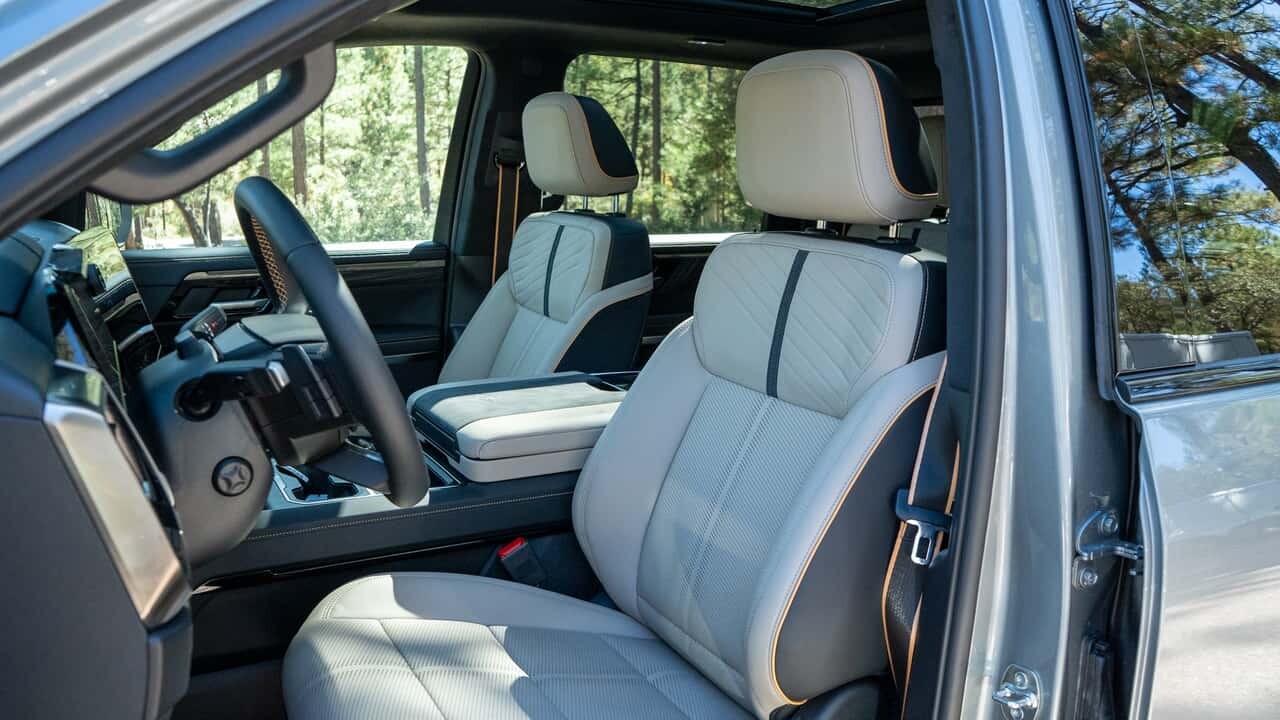
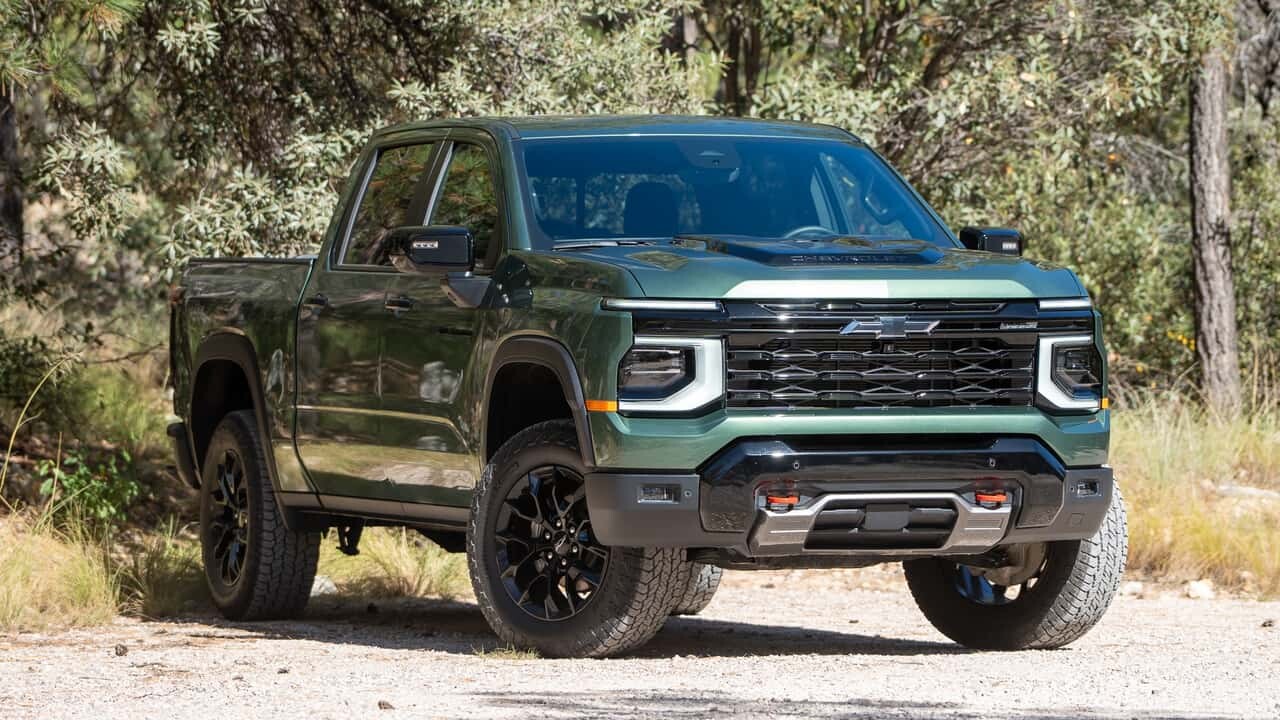
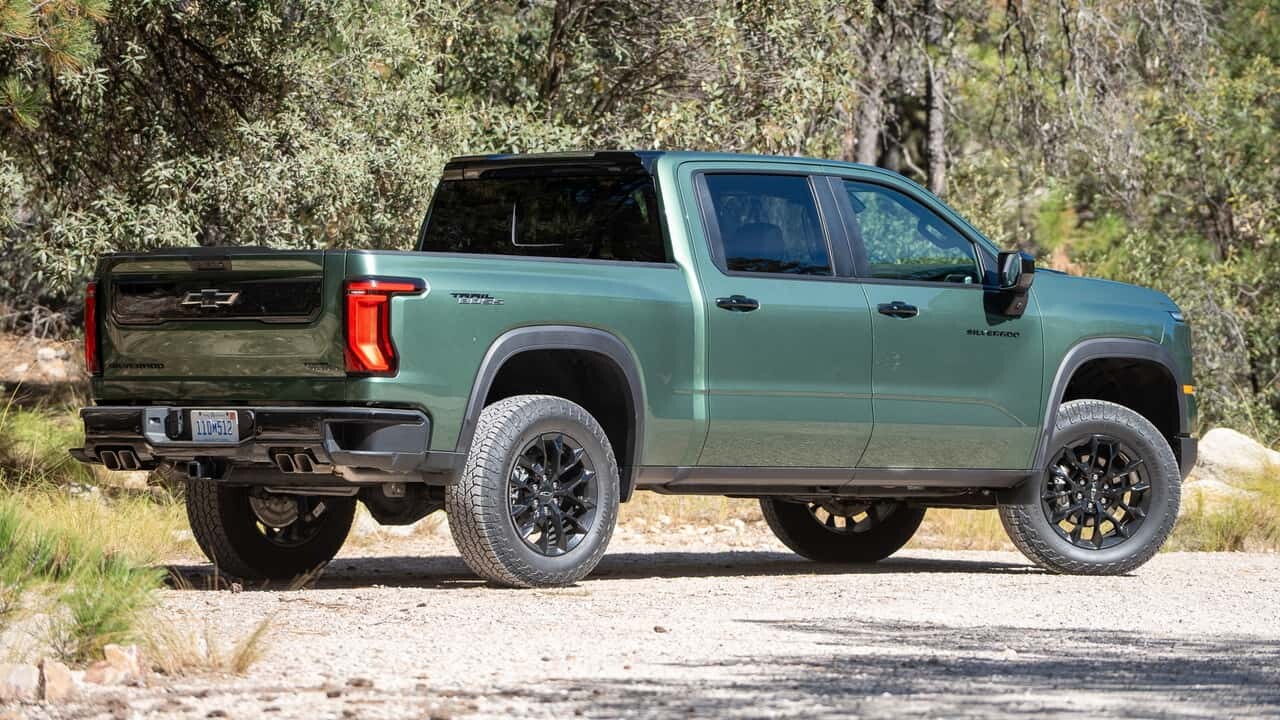
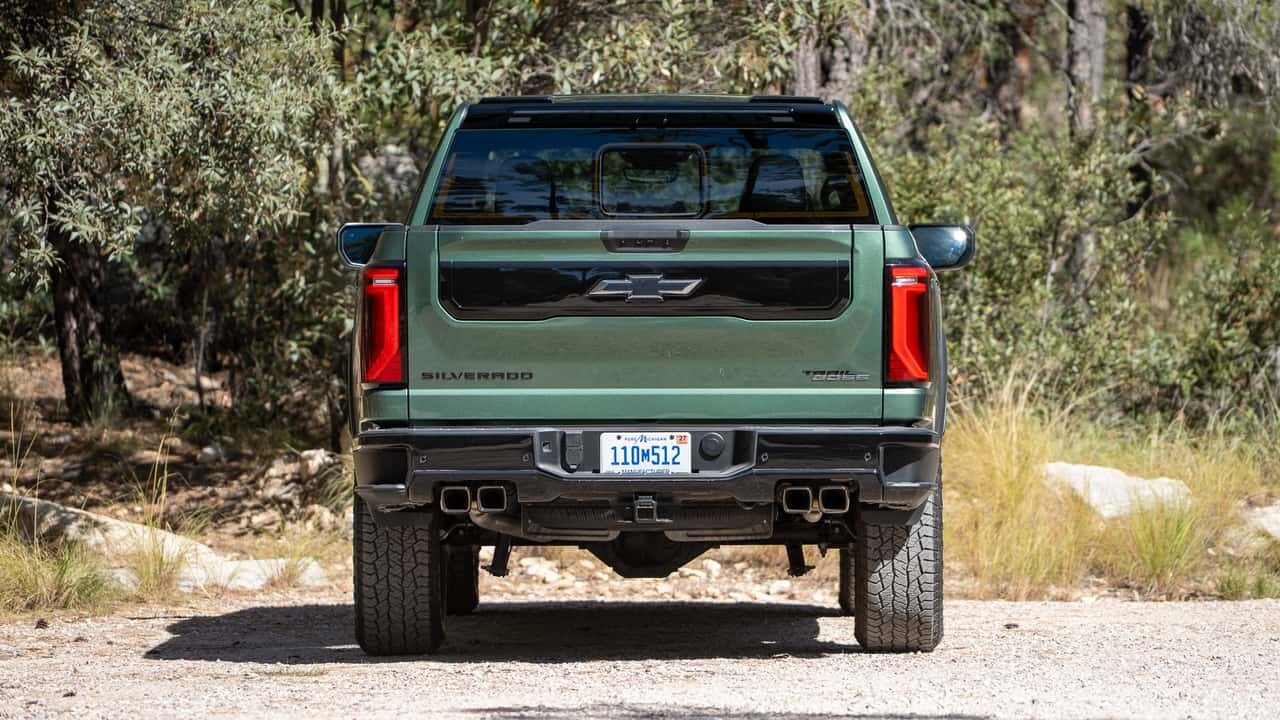
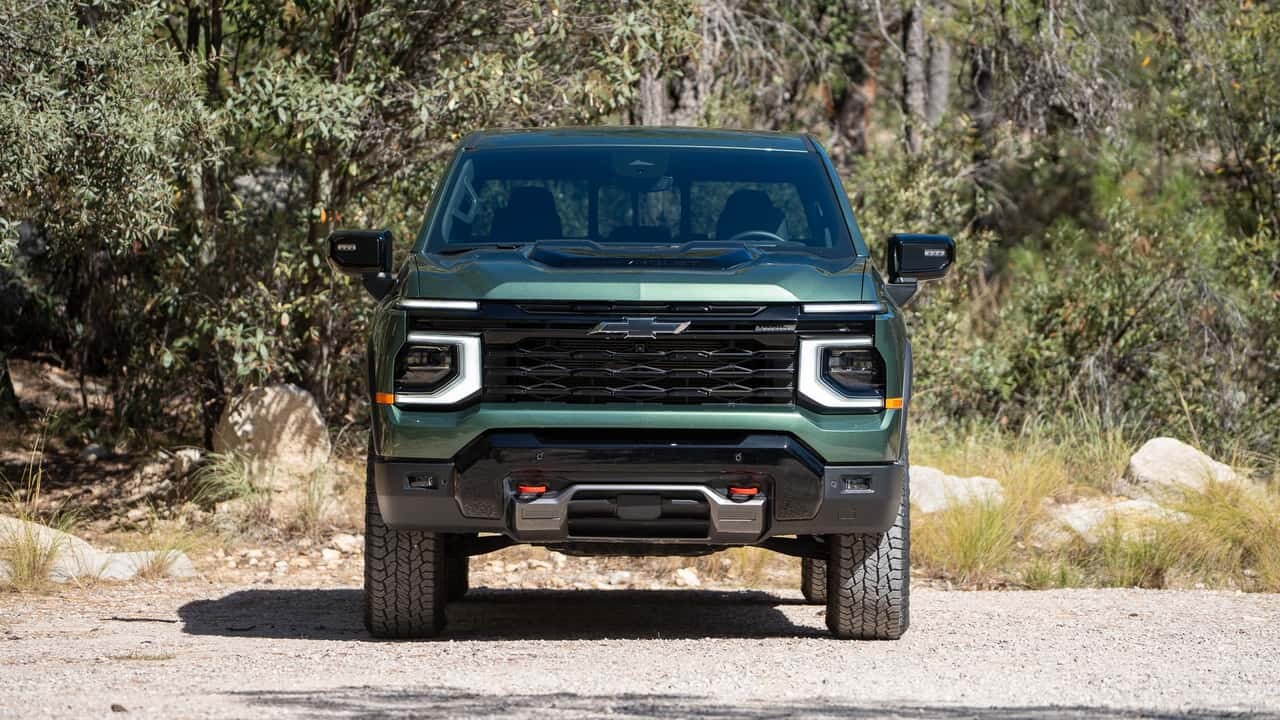
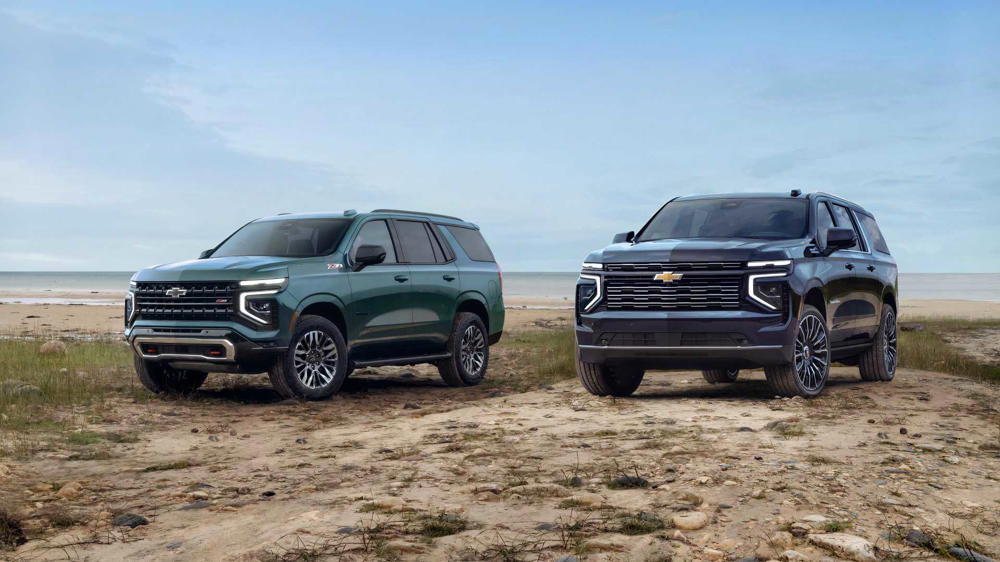
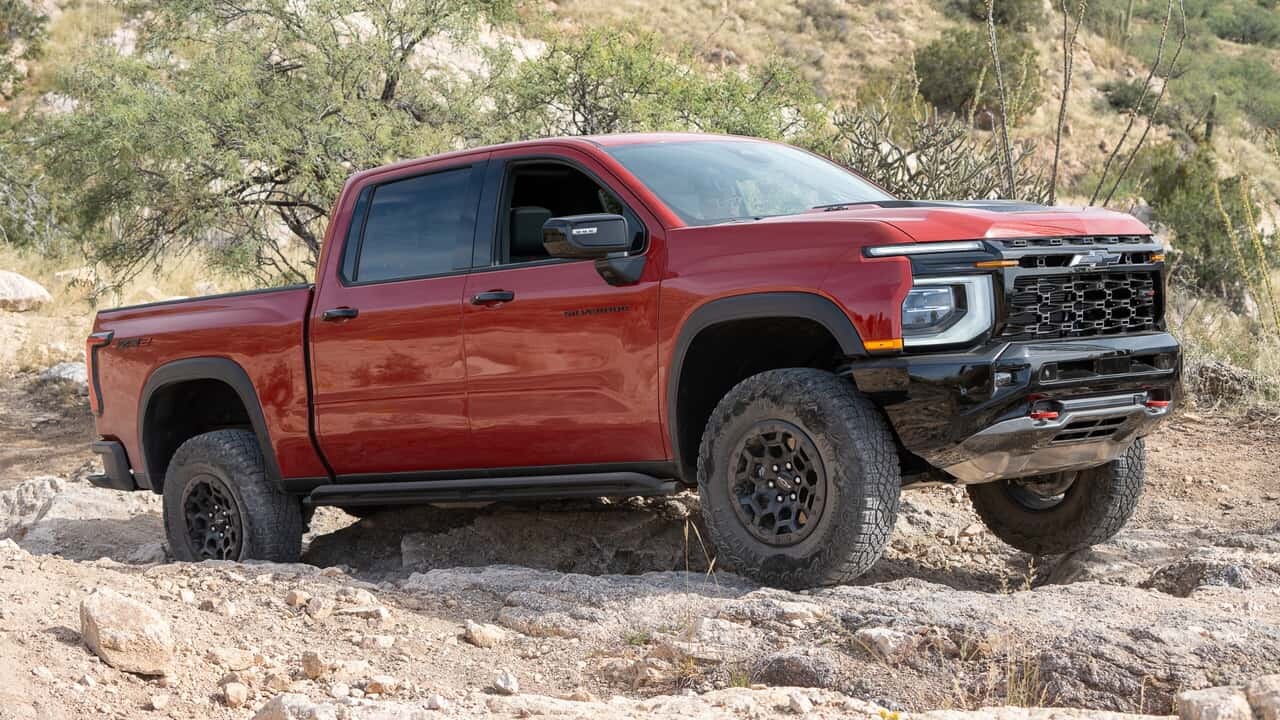
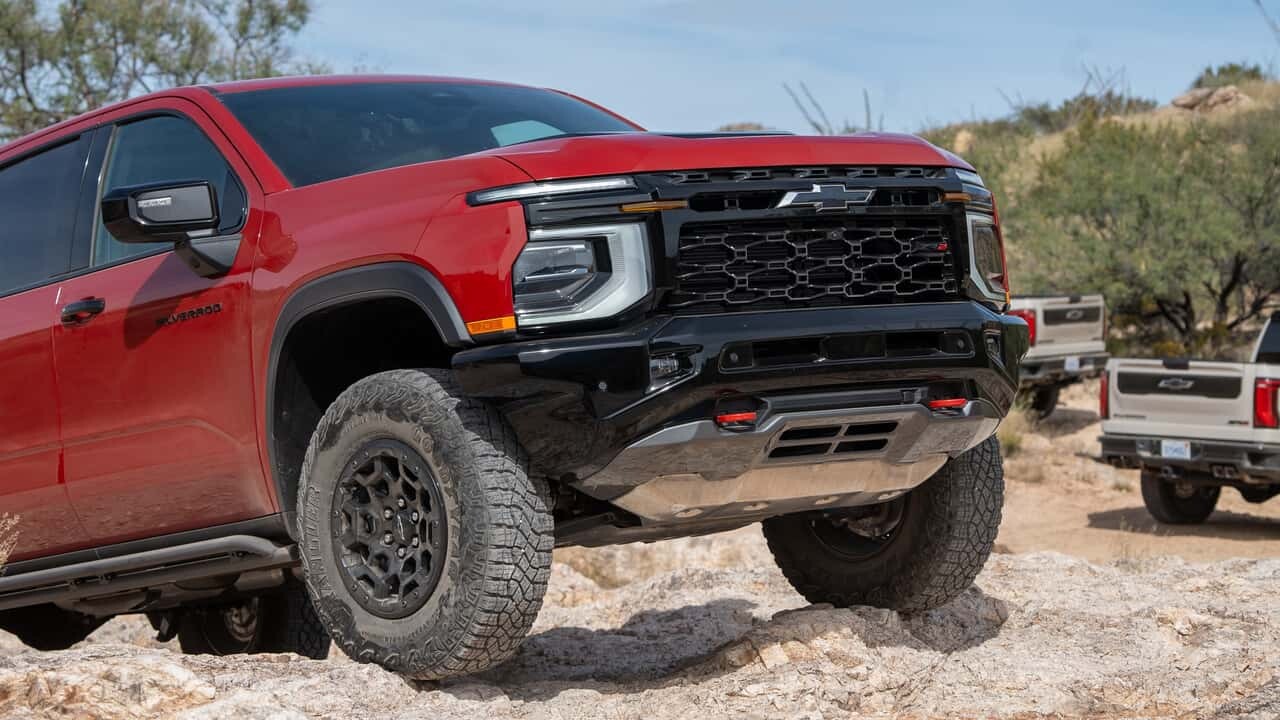
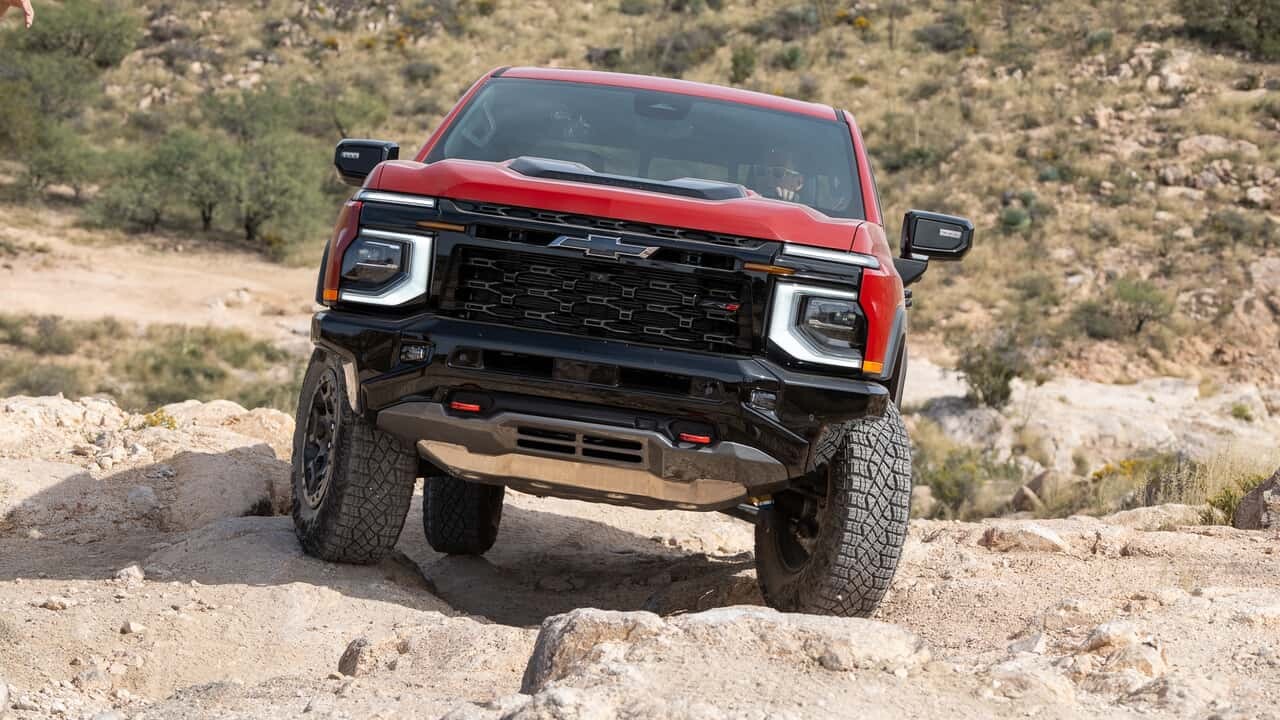
TUCSON, Ariz. — General Motors engineers used artificial intelligence to speed up redesigns of the Chevrolet Silverado and GMC Sierra pickups, as the automaker seeks to fend off competition with Chinese automakers and keep up with rapidly changing customer demands.
AI-powered virtual tools allow GM to “go straight into production tools on a lot of our parts,” Mark Dickens, executive chief engineer of GM’s full-size trucks and SUVs, said at a media event here. “That buys us a lot of extra time now for our development teams to actually finesse all of these very complicated subsystems to get them to work together.”
GM is touting the AI assistance during a critical time for the company. The light-duty Silverado and Sierra are its top-selling vehicles, and profits from the upcoming redesigns are key to keeping its bottom line healthy in North America.
Keep up with product planning news with Automotive News' regularly updated database.
Future Product database: 5-year vehicle timelines
Future Product guide: Our 10-week series on future products by brand
At the same time, GM is investing in new technologies that it hopes will generate new revenue streams and compete better with fast-moving Chinese automakers eyeing the U.S. market. The company has spent about $16 billion on U.S. R&D and manufacturing in 2026 alone.
GM in October said it developed a new AI-driven operating system that can cut the typical four- or five-year vehicle development cycle in half, to about two years.
“The faster you go, the better your product gets — period, full stop,” GM Chief Product Officer Sterling Anderson said at an Oct. 21 event in New York.
Sign up to get our afternoon video email. The video focuses on a new topic in the news each day.
While GM executives have not detailed how soon the company can halve vehicle development cycles, they have pointed to progress in recent months. In New York, Anderson said the new AI tools allowed GM to test more than 300,000 designs for a lithium manganese-rich battery before building a single physical prototype, allowing it to move from concept to program approval in just a month.
“Over the last 12 months, we’ve evolved how we design, engineer and build our vehicles,” Anderson said.
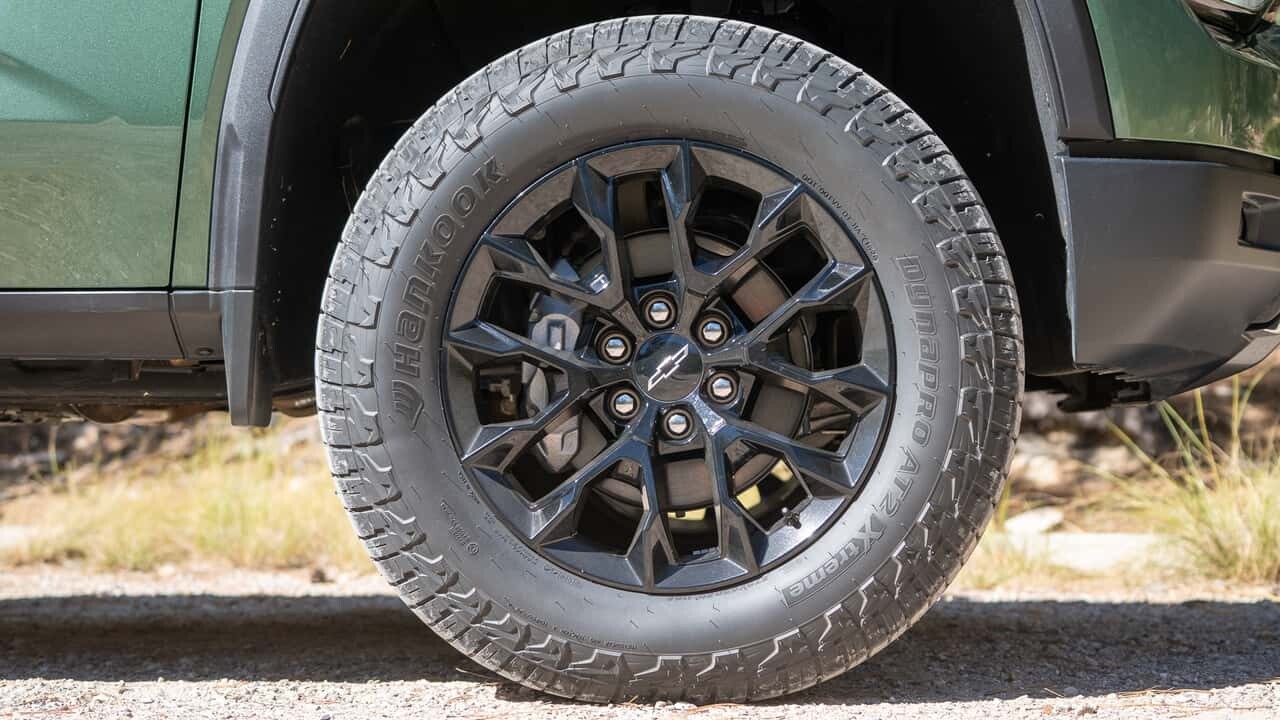
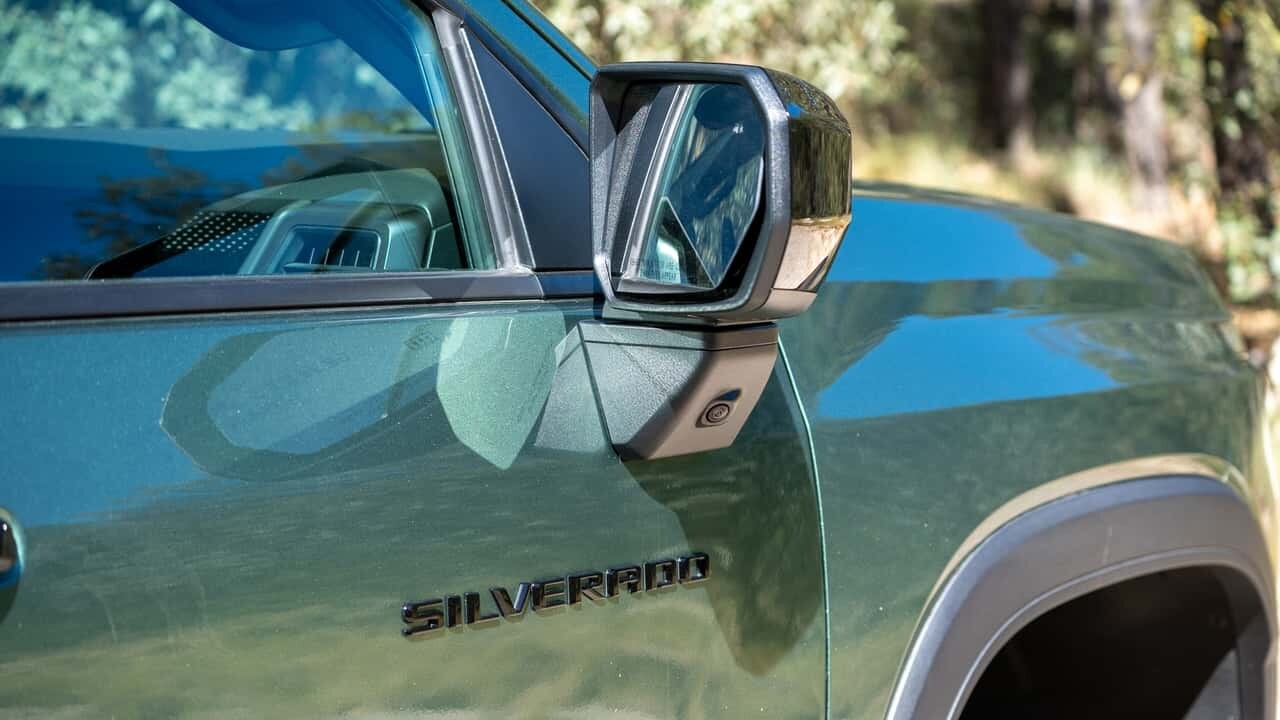
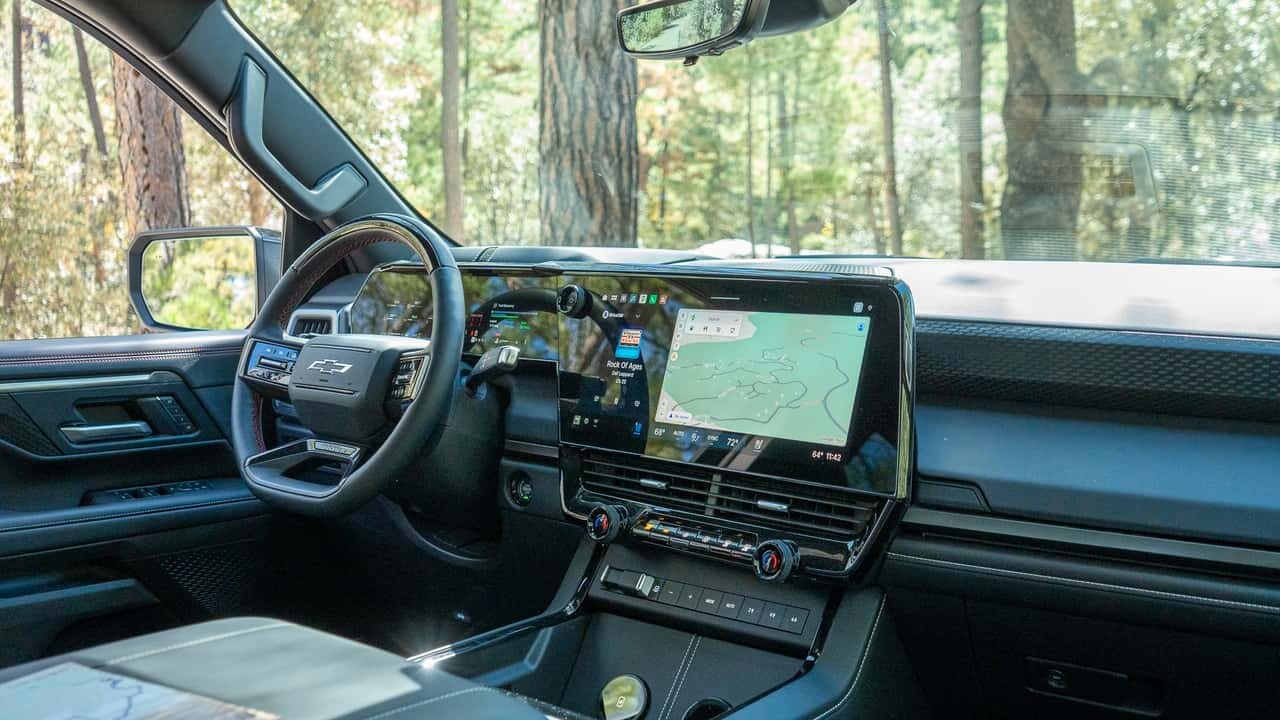
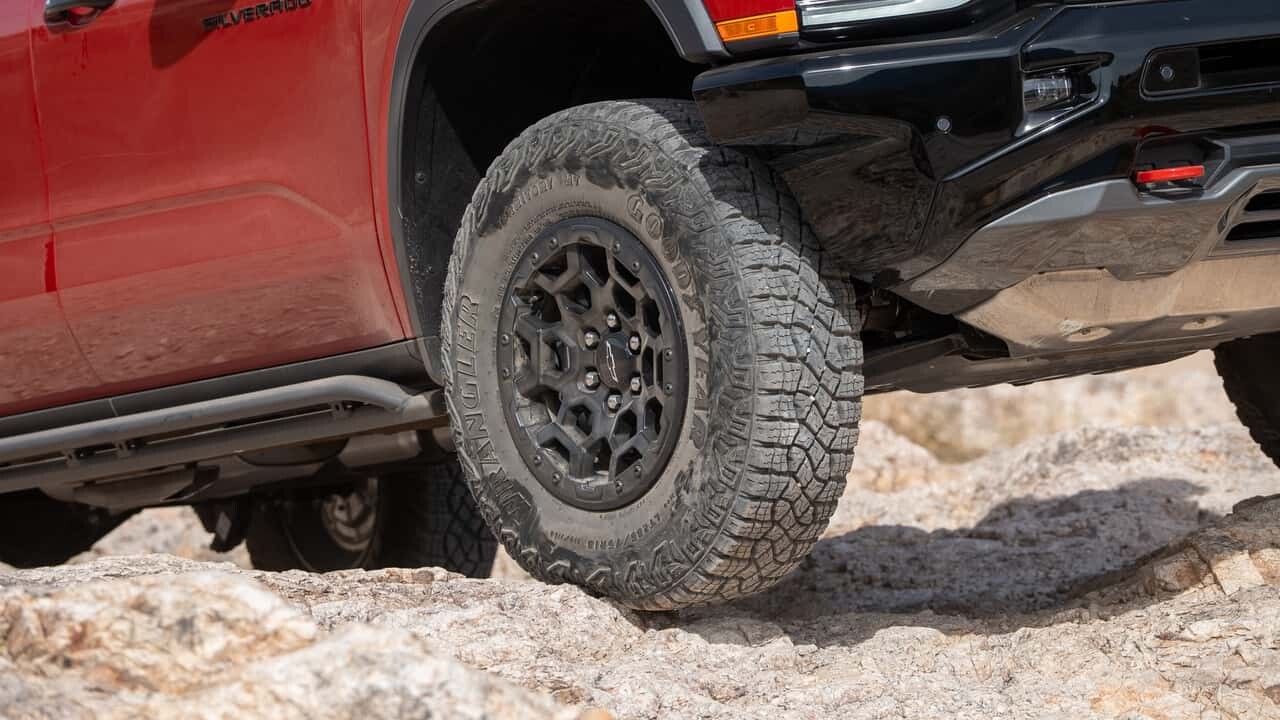
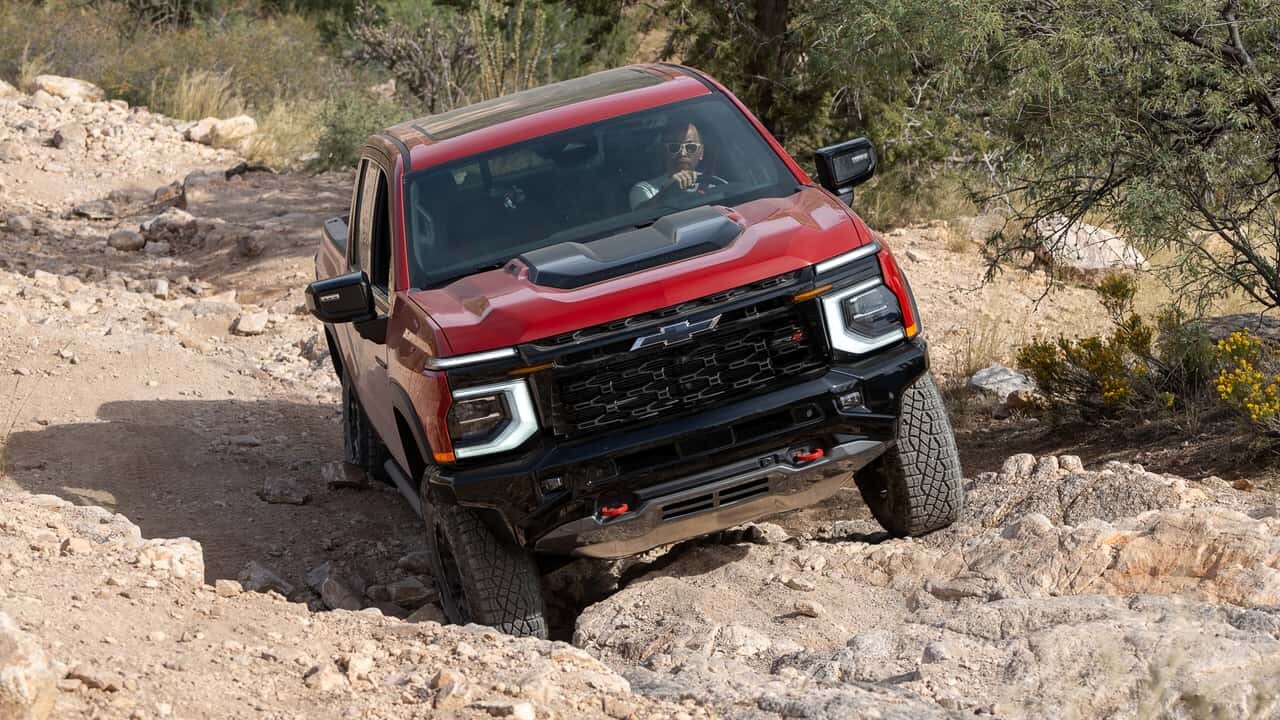
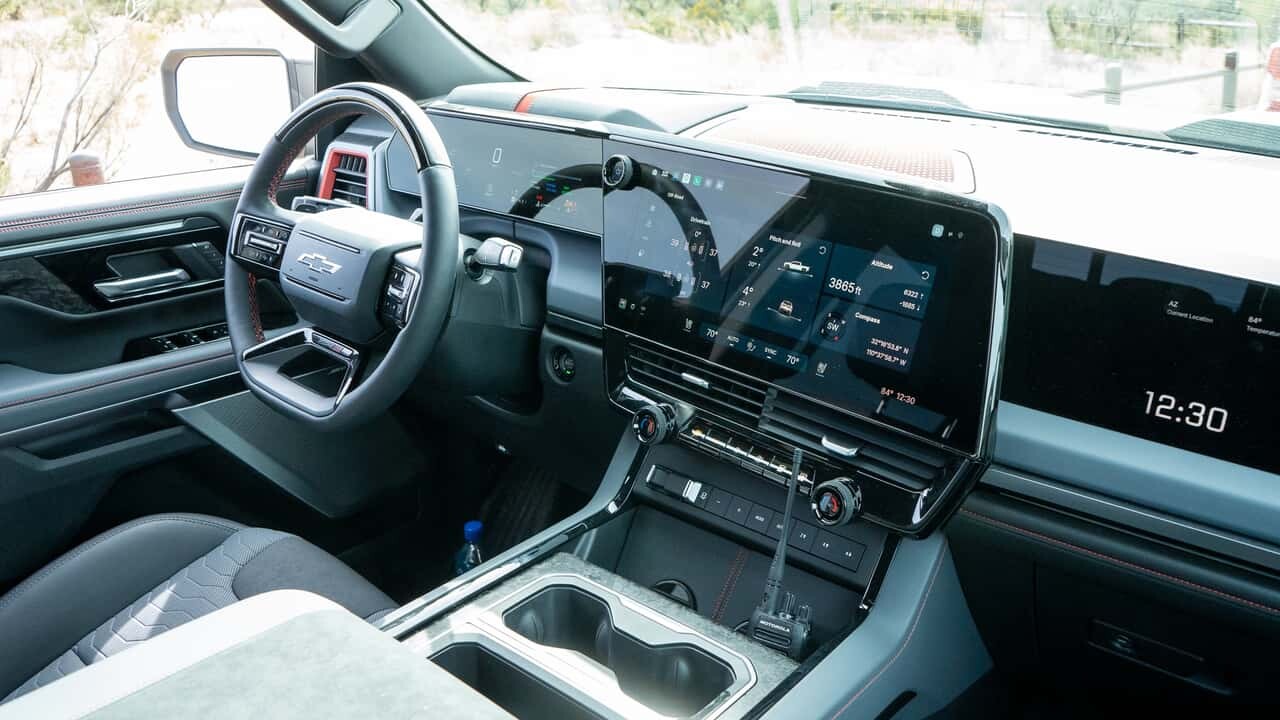
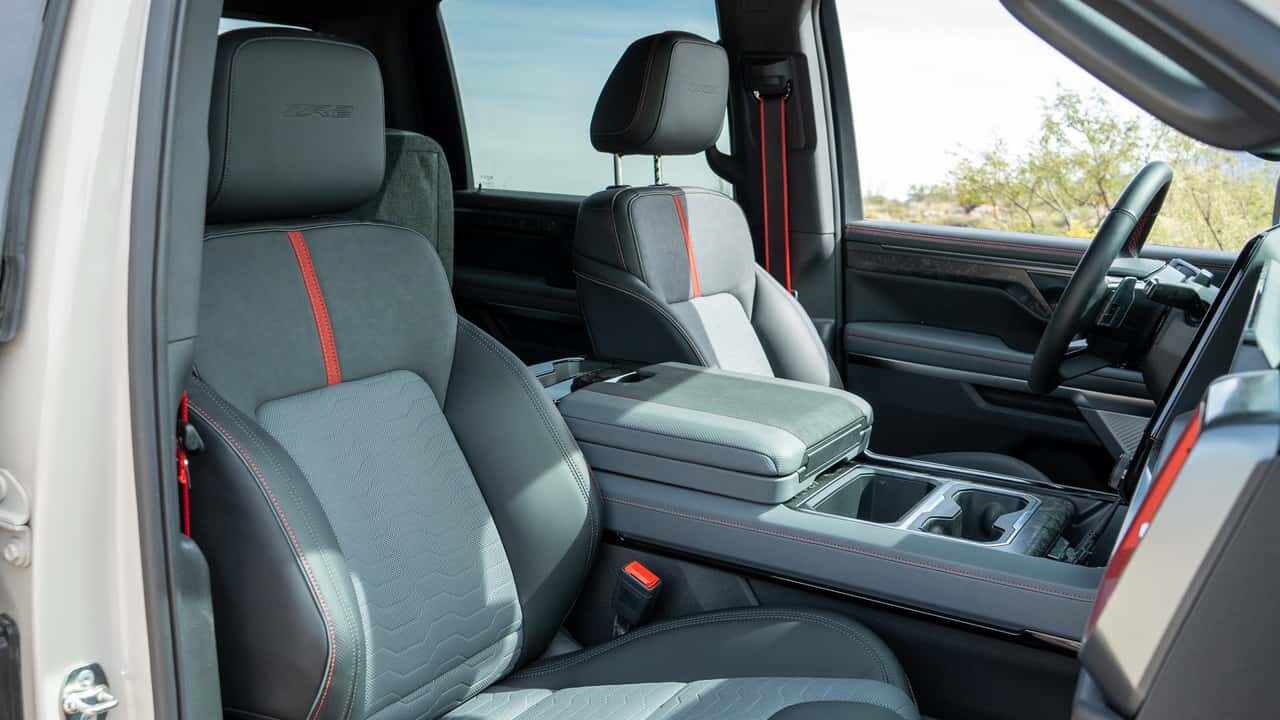
Engineers and product developers on GM’s truck programs who spoke with Automotive News echoed that sentiment here in Arizona, where the automaker gathered journalists to test the redesigned Silverado 1500 and Sierra 1500, as well as a new diesel engine for heavy-duty pickups.
By moving faster, development teams can focus more on system integration, said Glenn Babiak, chief engineer for GM’s heavy-duty pickups.
“If we can production tool it early on, then when we do build a truck, think about all that variation or all those things that we would have to sort out without any of those tools,” he said. “We would have already comprehended it, and now we can focus purely on learning, exposure, calibrating and working on those finer details where product exposure in the field matters.”
By speeding up product development, GM believes it can adapt to changing customer demands faster. Light-duty pickups appeal to a growing swath of the new-vehicle market as the technology in them advances, Dickens said.
There is a “vast difference in technology today” compared with most of GM’s history making trucks, Dickens said.
GM engineers pointed to increasing sales of the Silverado 1500 and Sierra 1500, despite high fuel prices and the impending redesign, as proof that pickups are of interest to more customers. The light-duty Silverado rose 13 percent in the U.S. from a year earlier, to 100,221, while the light-duty Sierra climbed 2.9 percent, to 53,325.
As demand grows, GM wants to offer trims and features that address a broad range of customers, from traditional work truck buyers to commuters and families.
“We can pivot and respond quickly to customer needs and have an award-winning product at the very end faster than anyone else,” Babiak said.
GM in October began building the redesigned Silverado and Sierra in Silao, Mexico. It also plans to start production in January at Fort Wayne Assembly in Indiana and next spring at Orion Assembly in Michigan. The next-generation pickups are expected to begin reaching U.S. dealerships before year end.