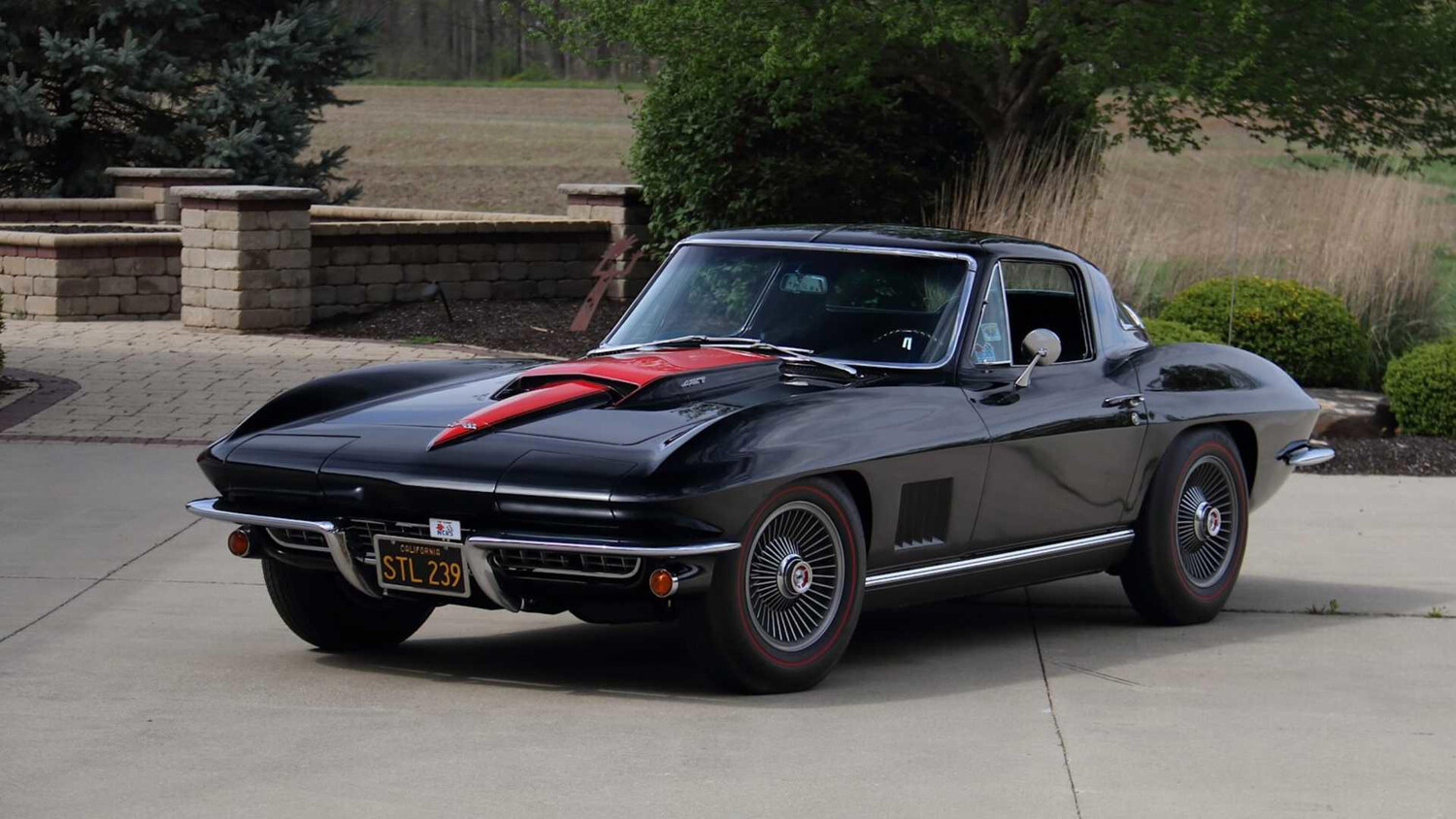
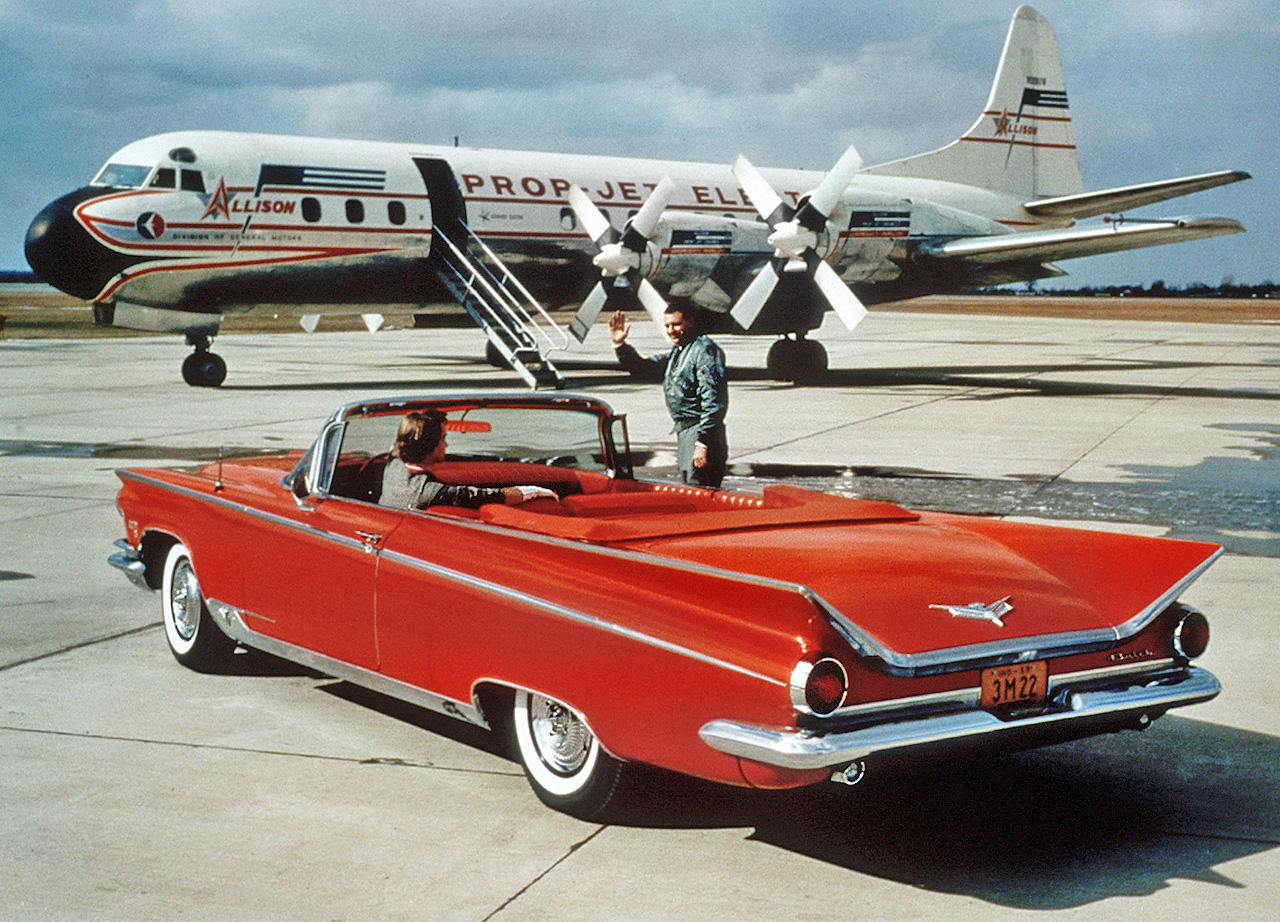
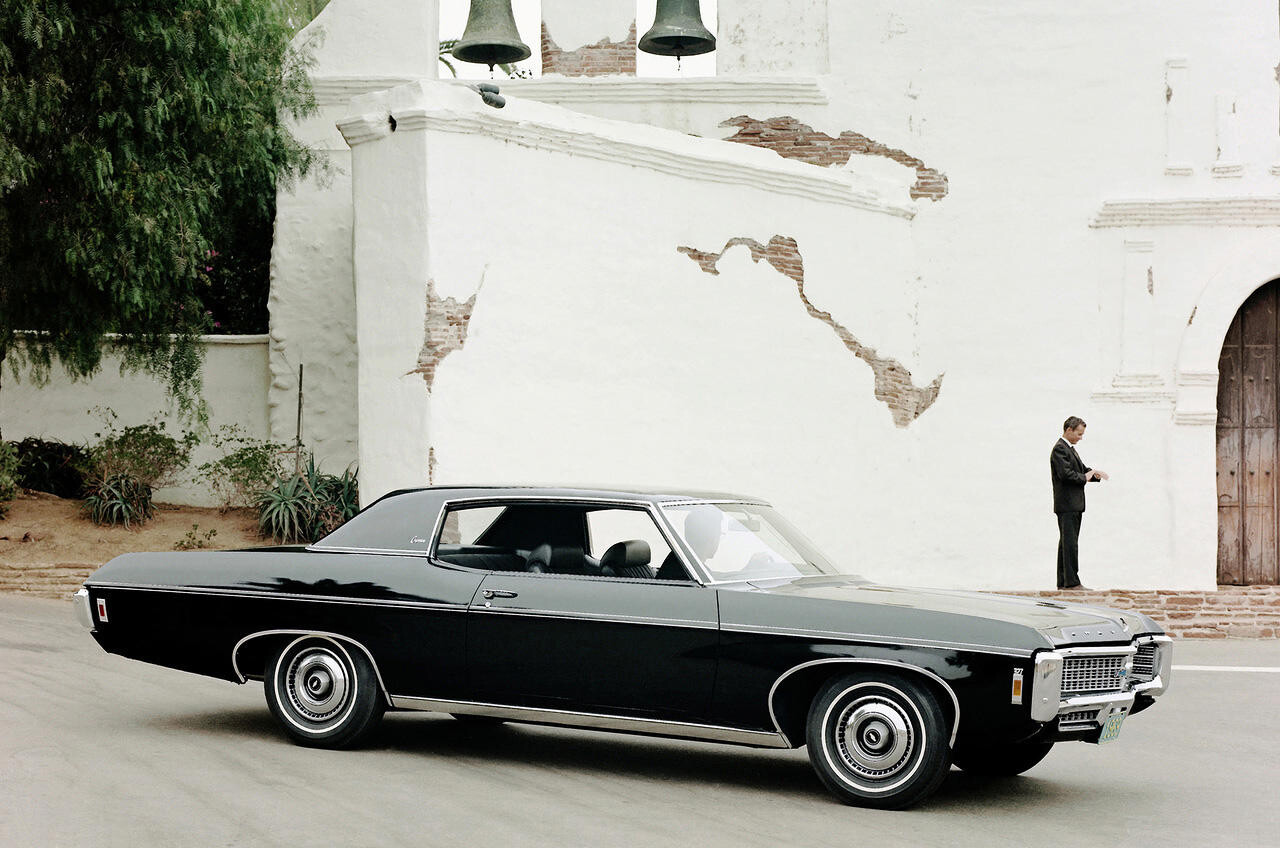
Hagerty Media member Pepperalls writes: Hi Sajeev, love your work and know you need challenges for Piston Slap articles. Here’s my situation: I have a 1959 Pontiac Laurentian 2-door hardtop, a car that my family acquired a long time ago and has fueled dreams but never progressed. This is a Canadian-market car, so it has a shorter wheelbase than the USA-made Star Chief, Catalina, and Bonneville (Strato-Chief, Laurentian, and Parisienne are the Canadian lineup). Until the 1965 auto pact came along, GM Canada did these divergent Pontiacs, phasing this out by the end of the 1960s. The shorter wheelbase was accomplished by using Chevrolet frames and running gear. This means they are not “Wide Track.” So the ’59 Canadian cars came with Chev inline-six 283 or 348 engines with Powerglides or manual. Getting accurate information on what interchanges between USA Pontiacs and this car, and Chev is daunting. Here are the current hang-ups to sort out: Having measured a ’59 Bonneville, it seems the sheetmetal difference is in the length of the trunk lid and rear quarters. So is the front clip interchangeable between USA/Canada cars? (My front fenders are really poor.) What about the doors? Being able to source rust-free fenders from a much larger pool of parts vs. searching for Salt Belt rarities would expedite the project. I have a family member into the ’62–64 full-size Chevs. So I know that some parts of the frames are the same ’58–64; generally, the rear section on the Chevs varies every few years. Specific to my application … I believe ’59–60 Chev or Canadian Pontiac is the identical frame? My frame is likely salvageable, but I wouldn’t say no to a clean one. (I won’t be going the Art Morrison route, though.) Floor pans: I am struggling to source replacement panels. Some say “all GM floor pans, cowl, front glass are based on ’59 Buick.” ’59 Impala replacement panels should be right, but some say they have a tire well in the trunk (Pontiac does not). The ’60 Impala trunk doesn’t have this, so you do a ’60 Impala trunk in a ’59 Canadian Pontiac. I am not doing well sourcing Chev floor panels. This is probably the biggest block on the project for now. What seat interchange works, i.e., do all ’58–64 Chev bucket and bench seats fit the same? I may have access to ’64 Impala buckets and be able to answer that myself, as my car was stripped of seats and interior by previous ownership when parked decades ago. Thoughts on options for unobtainium interior panels? I don’t even have toasted originals for templates. Because the car is not Wide Track, the stock wheels look goofily inset. Meanwhile, there is a lot of space there. One person on the internet said, “I mounted 15×8-inch chrome ‘reversed’ wheels with wide whitewall tires which filled the rear wheel wells quite nicely, 15×7-inch in the front,” an arrangement which sounds interesting. However, sourcing 15-inch tires is becoming a challenge. I don’t want the combination of skinny sidewall and big rims. Sajeev answers: Oh boy, do we have a lot to cover here. Unfortunately, you (and many of our readers) know more about GM Canada-Pontiac-Chevrolet parts interchangeability, but I’ve dealt with similar issues when sourcing replacement sheetmetal for Project Valentino using its Fox-body Mustang brother as a source for aftermarket restoration panels. You’re gonna see a general trend in my answers, namely a discussion of finding local tradespeople to massage off-the-shelf parts to work on your application. Also, I will say Chev and not Chevy, because this episode of Piston Slap is distinctly Canadian-flavored. So with that in mind, let’s get into it. In my research and interviews with people smarter than me, body panels made at/for different factories may not be interchangeable. Everything changed when computer-assisted design forced everyone to use the same body templates, but there was more autonomy in the era of this Pontiac. Your best bet is to get the closest-looking panel and have a metalsmith cut/fill/hammer/etc. to make it work on your car. The replacement bits make excellent patch panels for your fenders, which saves you significant amounts of cash. From what I see online and in Pontiac’s sales brochure for 1959, odds are it does use the same frame as the Chev. Wheelbases seem to be the same too. If you can secure a Chev frame without crazy shipping fees, it might be worth having. But I would recommend getting a local metalsmith to restore yours, and use them again for the Chev-Pontiac sheetmetal transitions. 1959 Chev floors likely work, but again, you will need someone to massage any reproduction part to work on your car. This will not be cheap, but once it’s done, everything else will be downright affordable and easy to install. (Speaking from experience with Project Valentino.) I cannot find variations in the 1959 Chev floorpan that would suggest unique front seats, at least in the area where it bolts to the floor. I would borrow those 1964 seats you have access to, and line them up in the Pontiac. This one is easy, once you have the budget and an upholsterer who can help. 1959 Chev interior panels are easy to source, and they can be stripped down and reupholstered in the correct materials, colors, and stitching patterns. With enough high-resolution photography from auctions, car shows, etc., an upholsterer can replicate anything. If I can save the unobtainum seats in my 1974 Mercury Montego MX Brougham with Custom Trim with the right help, you can do this! Sourcing 15-inch rubber really isn’t that hard, thanks to cars like the C3 Corvette and aftermarket wheels that match its wide-wheeled, tall-sidewalled stance. I am doing that right now for a C3 Corvette and a set of slotted mag wheels for my Montego—I have said too much!—and found multiple vendors selling at least three different brands of tires in blackwall and raised white-letter sidewalls. Using the C3 Corvette as a foundation, the usual suspects (Tire Rack, Discount Tire) are a great place to start for juicy 15-inch goodness. I then visit other retailers (Walmart, Amazon, eBay, Simple Tire) with these tire sizes in mind and see who offers what brand of tire in that size. You will need to do a bit of tire circumference calculation to ensure you are buying the right size tire for your speedometer calibration needs, if that matters to you. I think your car would look amazing with 15×7 front wheels and 15×8 rears. Nothing will be easy on this restoration project, but the effort will be worth it. Finding a good metalsmith and upholstery shop will be mandatory. The latter might be easier if you search in areas with marinas, while the former might be working for one of Canada’s many makerspaces. Good luck! Have a question you’d like answered on Piston Slap? Send your queries to pistonslap@hagerty.com—give us as much detail as possible so we can help! Keep in mind this is a weekly column, so if you need an expedited answer, please tell me in your email. Looking to purchase a car? Find your match on the MSN Autos Marketplace