SHANGHAI – General Motors’ deliveries in China slumped 24 percent in July-September, falling for a fourth straight quarter as overall demand falters on China’s lackluster economy , elevated fuel prices and a new sales tax on electric vehicles.
GM’s sales in the world’s biggest auto market dropped to 358,000 vehicles in the quarter and chalked a 21 percent decline for the first nine months, falling to around 1.07 million vehicles, the Detroit automaker’s China unit said Oct. 9.
The quarterly result was nearly flat from the 357,000 vehicles sold in April-June.
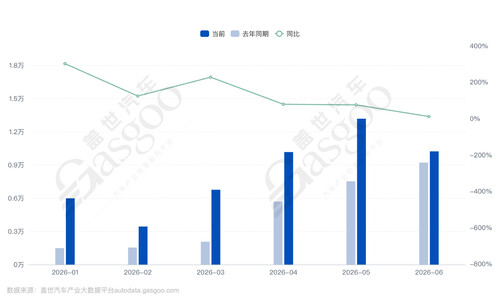
The extended sales slump reflects the challenge automakers face from China’s unprecedented market contraction. Nationwide demand for passenger vehicles began to decline in October 2025 behind a slowing domestic economy.

Keep up with product planning news with Automotive News' regularly updated database.
Future Product database: 5-year vehicle timelines
Future Product guide: Our 10-week series on future products by brand
The downturn deepened this year after the Chinese government started taxing EV purchases in January, and demand for gasoline models was hit after oil prices spiked during Iran war.
In September, overall domestic sales of new light vehicles fell 28 percent to 1.63 million from a year earlier, with year-to-date volume slumping 22 percent to 13.5 million, according to the tally the China Passenger Car Association released Oct. 12.
GM seeks to shore up China operations with locally developed models, exports
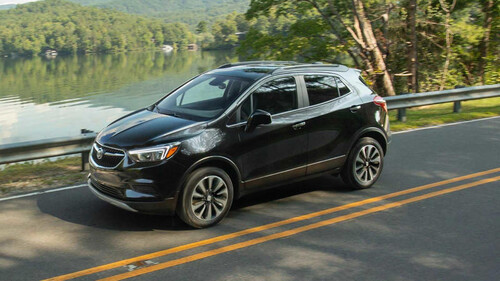
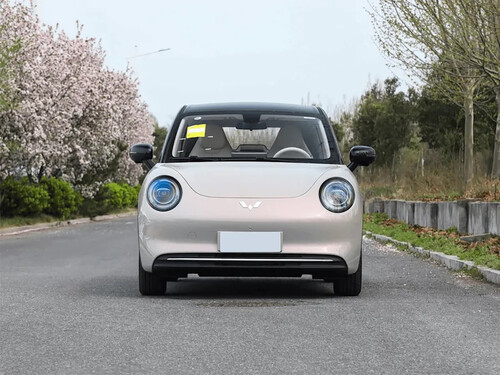
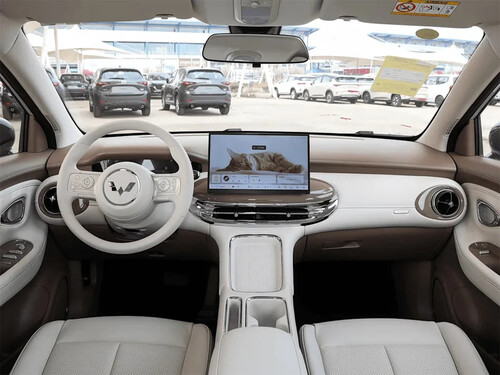
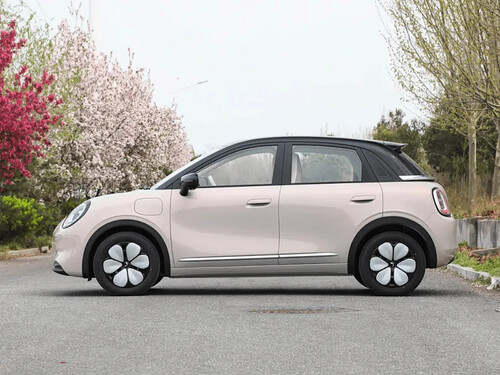
GM runs two joint ventures in China with SAIC Motor Corp., with SAIC-GM producing Cadillac, Chevrolet and Buick cars and light trucks, and SAIC-GM-Wuling building light vehicles for Wuling, Baojun and Huajing brands.
For the third quarter, electrified models generated more than 60 percent of GM’s sales in China, a record high for the July-September period, GM China said.
The result came after the two joint ventures expanded their electrified crossover lineups.
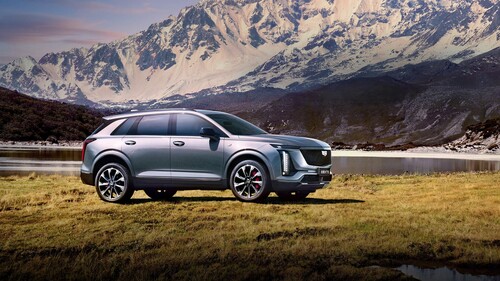
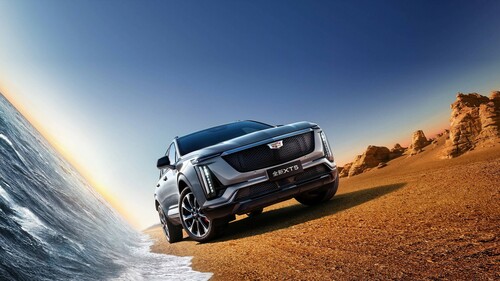
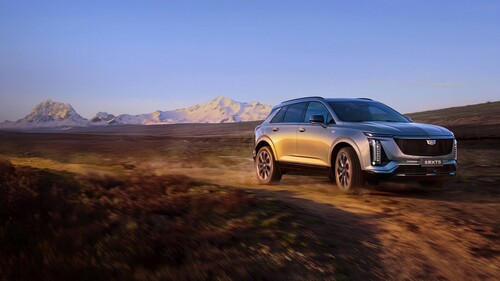
On Sept. 7, the plug-in hybrid variant of the Cadillac XT5 crossover hit the Chinese market with a starting price of 279,900 yuan ($41,830). The vehicle features a powertrain developed by SAIC-GM and an advanced driving assistance system co-developed with leading Momenta, a leading Chinese autonomous-driving software company.
The plug-in Cadillac XT5 is the fourth locally developed electrified product rolled out by SAIC-GM since 2025, following three models marketed under Buick’s premium sub-brand Electra. The Electra models are the L7, a midsize sedan available in range-extender and battery versions; the Encasa plug-in hybrid MPV; and the E7 plug-in hybrid crossover.
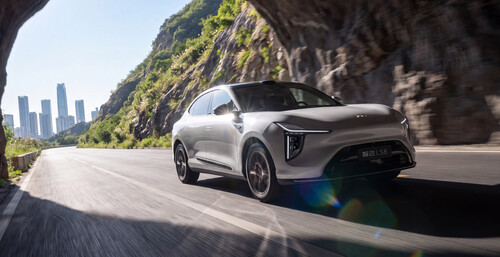
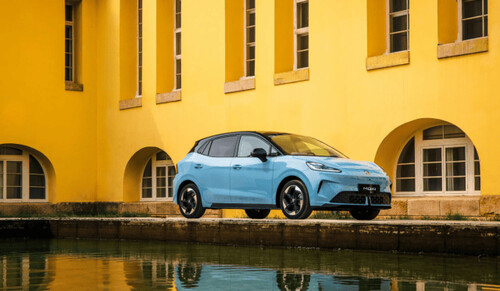
On July 16, Wuling kicked off sales of its flagship crossover, the Xingguang L. Priced from 112,800 yuan ($16,860), the vehicle is SAIC-GM-Wuling’s second six-seat plug-in hybrid crossover following the Huajing S, which went on sale in May.
While launching more locally developed electrified products, GM also plans to expand exports from China, especially from SAIC-GM, its main joint venture in the country.
Currently, SAIC-GM exports a small volume of gasoline Buick and Chevrolet models to Latin America, Southeast Asia and Central Asia.
SAIC-GM used to produce Chevrolet models for the Chinese market. With local demand for gasoline models rapidly declining, the Chevrolet portfolio has been repositioned mainly for export markets, GM China said earlier this year.
On Aug. 5, GM signed a deal with SAIC in Shanghai to extend the joint-venture contract for SAIC-GM by 20 years to 2047. The same day, the Detroit automaker also revealed a plan to boost exports from the joint venture to the Middle East, Africa, South America, Mexico and Asia-Pacific.
This year, the Buick Electra E7 plug-in crossover will become SAIC-GM’s first electrified model to be shipped to other markets, according to the plan.