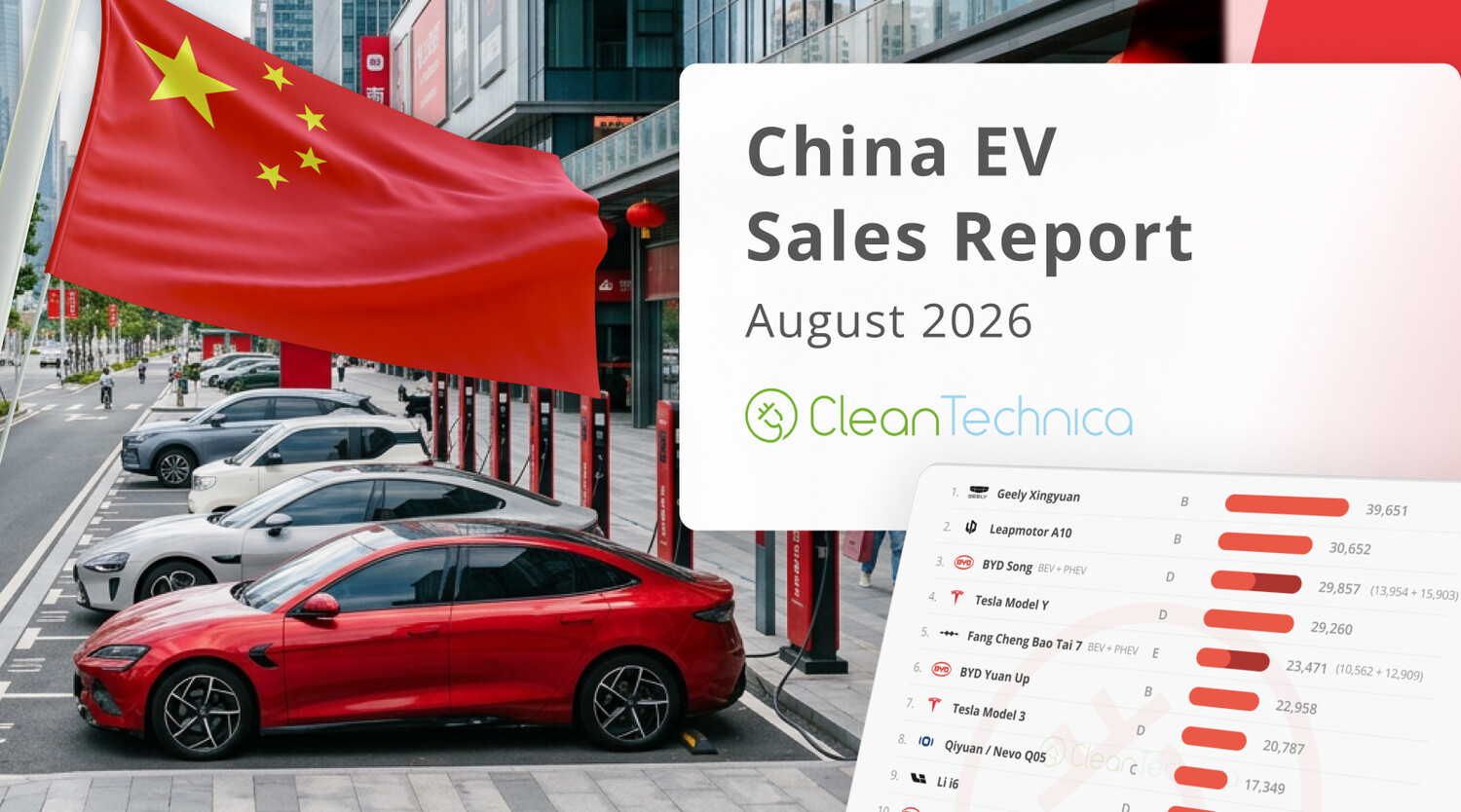
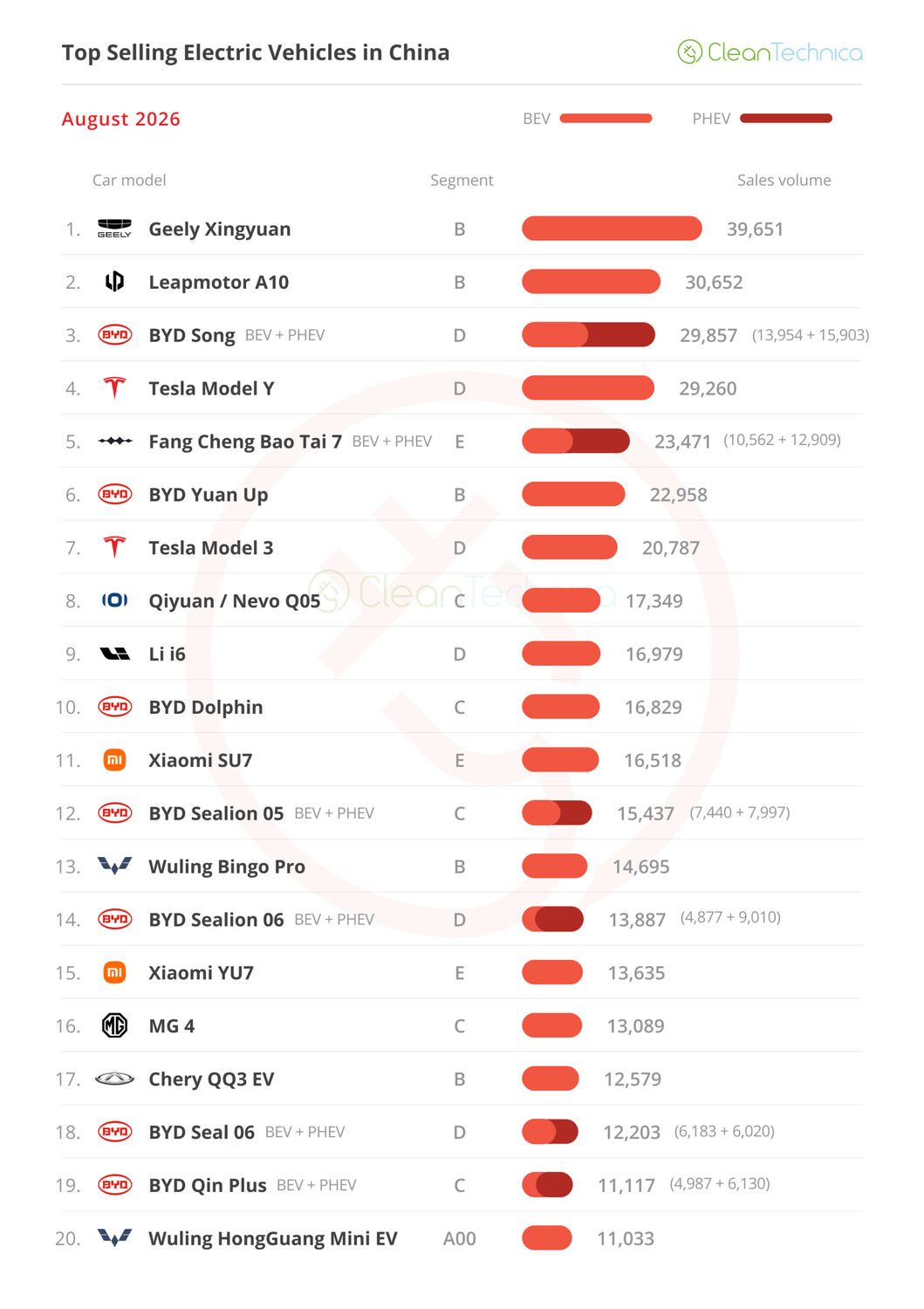
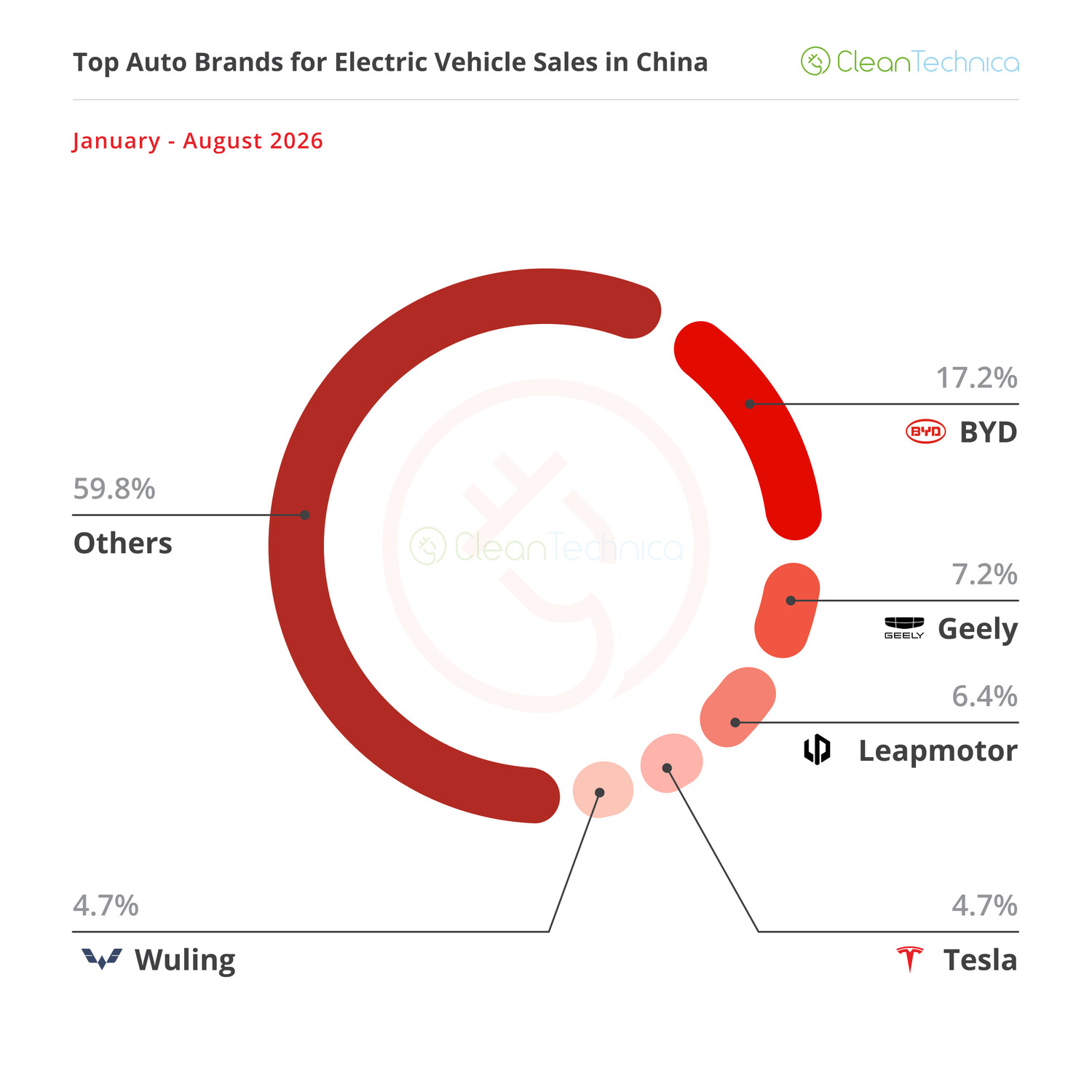
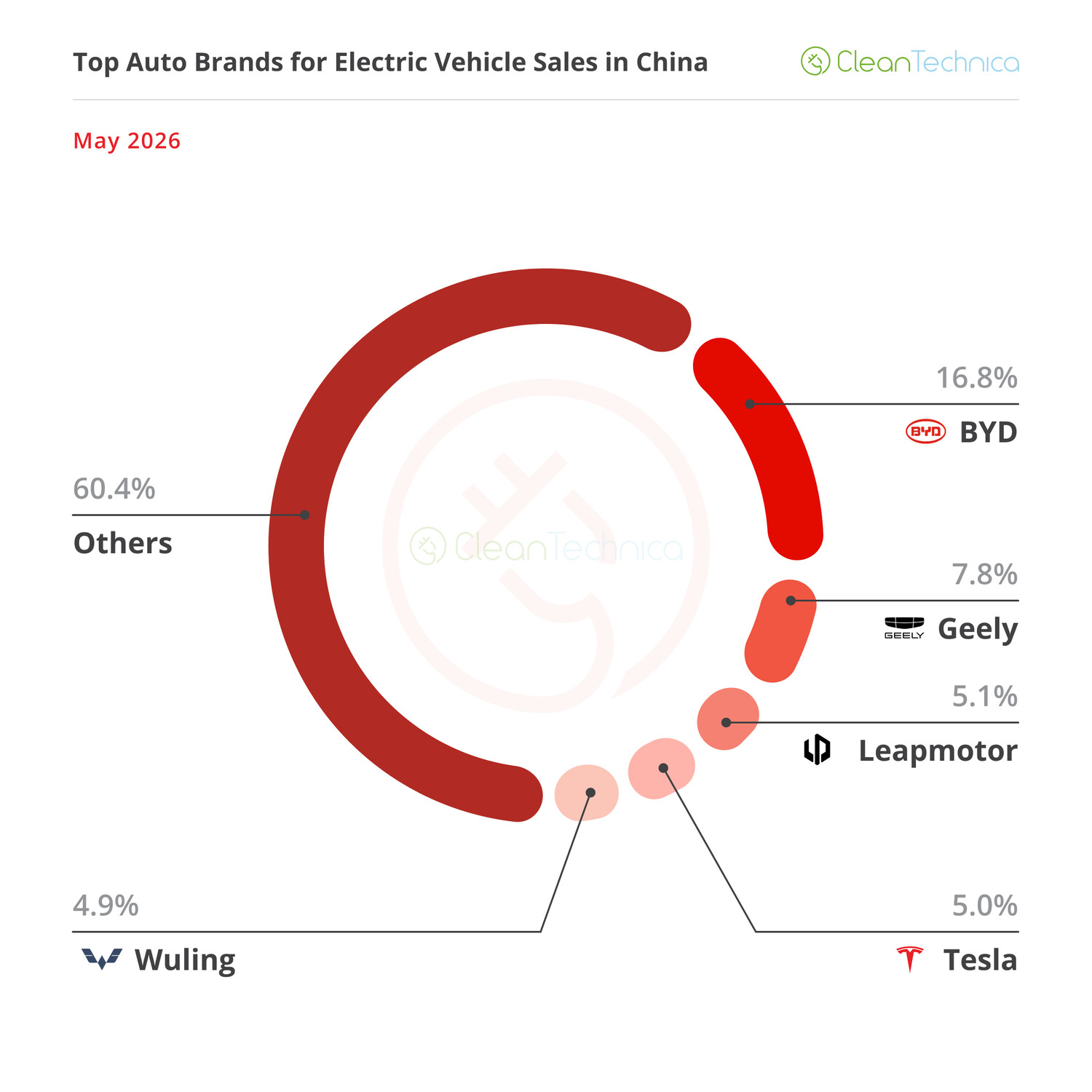
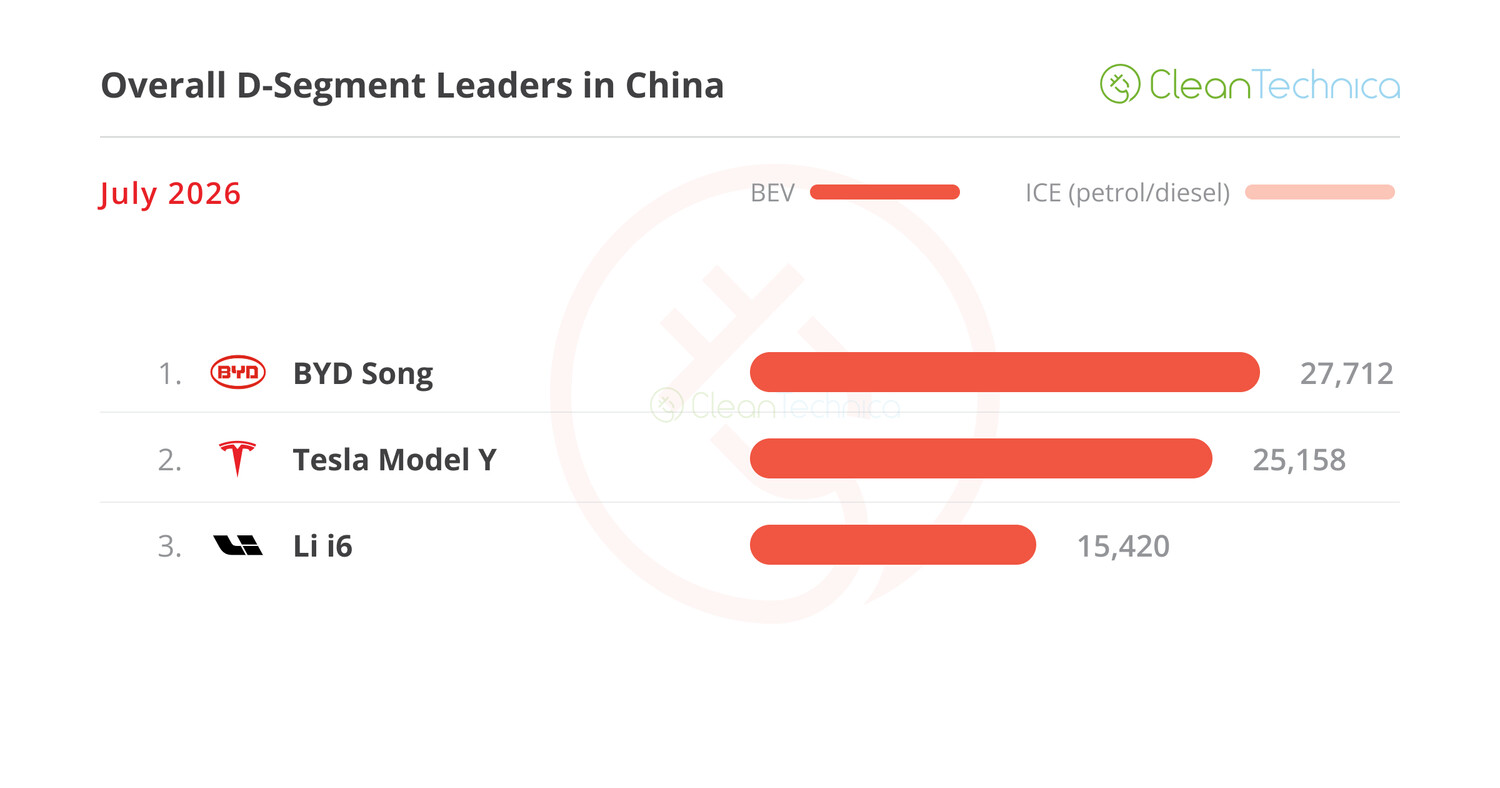
Amid intensifying competition among Chinese electric-vehicle (EV) makers last year, relatively inexpensive models from Geely Auto and Wuling Motor Holdings topped the sales chart, surpassing cars from BYD and Tesla. In 2025, Geely sold more than 459,000 units of the Xingyuan EV – priced between 68,800 yuan (US$9,960) and 98,800 yuan – versus 52,570 a year earlier, according to a list of the top-selling battery EV models on the mainland compiled by a unit under the state-owned China Automotive Technology and Research Center. It was followed by Wuling’s Hongguang Mini EV, another sub-100,000 yuan car, whose sales jumped 55 per cent year on year to 427,000 units. Tesla’s Model Y ranked third, although sales fell nearly 21 per cent year on year to 382,300 units, indicating intense rivalry among EV makers on the mainland. The decline came despite the US car giant releasing several payment schemes to boost sales volumes of the car priced between 260,000 yuan and 310,000 yuan. Wuling’s Mini EV was the second-best selling battery EV on the mainland last year. Photo: Reuters BYD’s Seagull, the second-best selling EV in 2024, slid to fourth place in 2025 after sales declined 31 per cent year on year to 307,000 units. The car is priced between 69,800 yuan and 85,800 yuan. China’s policymakers have repeatedly urged carmakers to stop resorting to discounts amid deflationary pressures, urging companies to shift to alternatives like pricing upgraded models at lower levels and rolling out subsidised purchase schemes with payment periods as long as seven years. In mid-February, the country’s State Administration for Market Regulation banned carmakers from selling new cars for less than the cost of production, including through discounts and subsidies, signalling a tough stance in tackling deflationary pressures. Demand for EVs in China plummeted to a concerning level at the beginning of the year, according to Nomura. Monthly sales of passenger EVs stood at 596,000 units in January, a decline of nearly 20 per cent year on year, while EV penetration dropped to 38.3 per cent, according to a report by the Japanese bank on February 16, which noted that the phasing out of tax incentives could be one of the factors. Since January, mainland EV buyers are subject to a 5 per cent tax, versus zero previously. In 2028, the tax will return to 10 per cent. The stellar sales of the budget EVs could partly be attributed to the upgrades of the low-priced models, with carmakers luring buyers with higher quality vehicles without increasing prices, according to David Zhang, secretary general of the International Intelligent Vehicle Engineering Association. Geely’s Xingyuan has a driving range of 310km (192 miles) to 410km, versus 305km to 405km for BYD’s Seagull, though both have a similar price range. “Chinese EV makers are under pricing pressures despite the regulatory directives,” said Gary Ng Cheuk-yan, a senior economist at Natixis Corporate and Investment Bank. “The phase-out of the purchase tax exemption will force some manufacturers to decrease their inventories faster.” But the decline in sales of the Seagull, BYD’s cheapest model, might be a good sign, Ng said, as the EV giant seems to be repositioning its business amid a profit squeeze. China’s largest EV seller and one of the few profitable EV makers reported a 32 per cent slump in its third-quarter net profit for 2025. “The price war will likely extend this year,” Ng said. “As the competition reaches a certain level, more carmakers will fine-tune their strategies.”