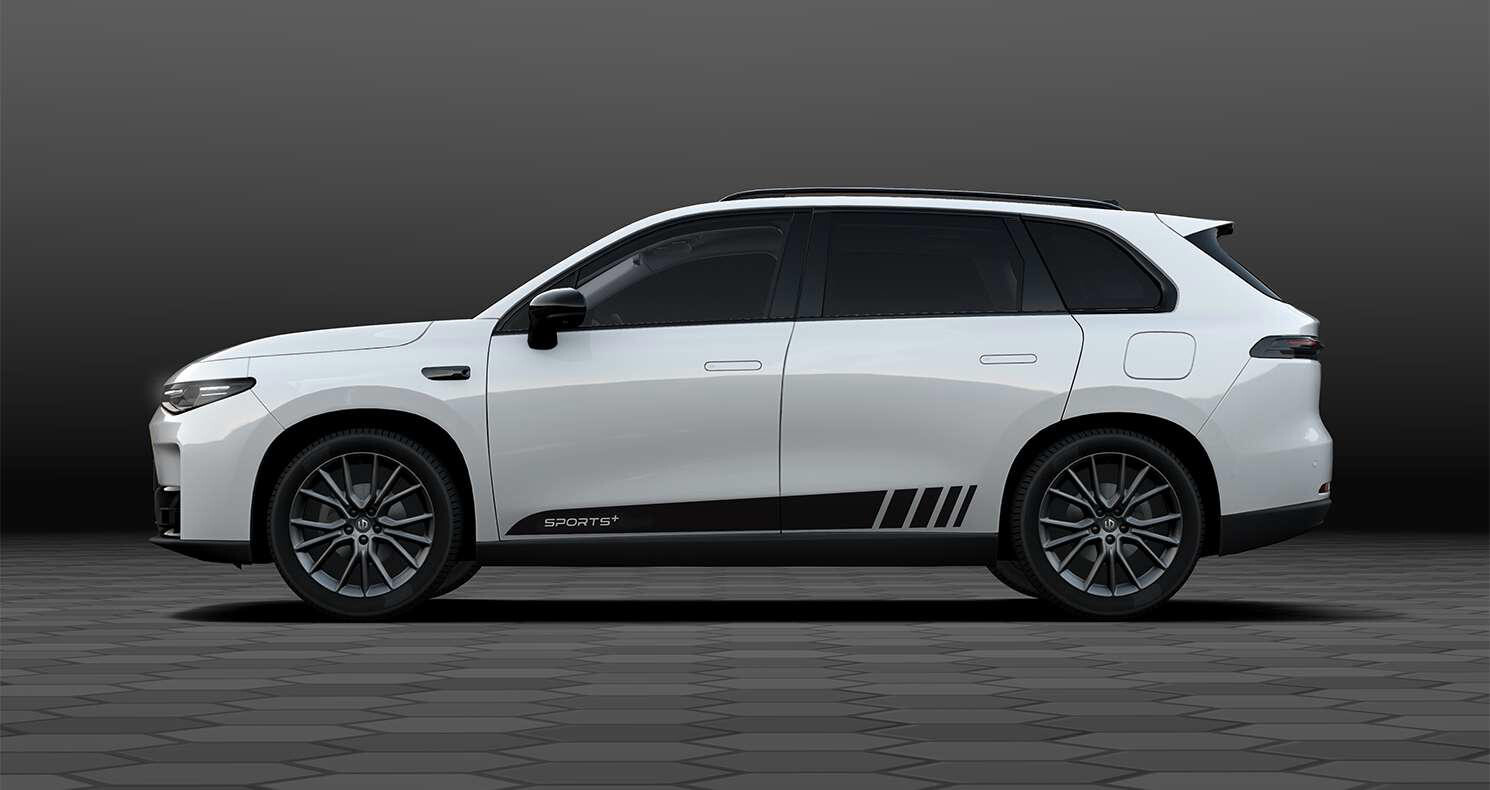
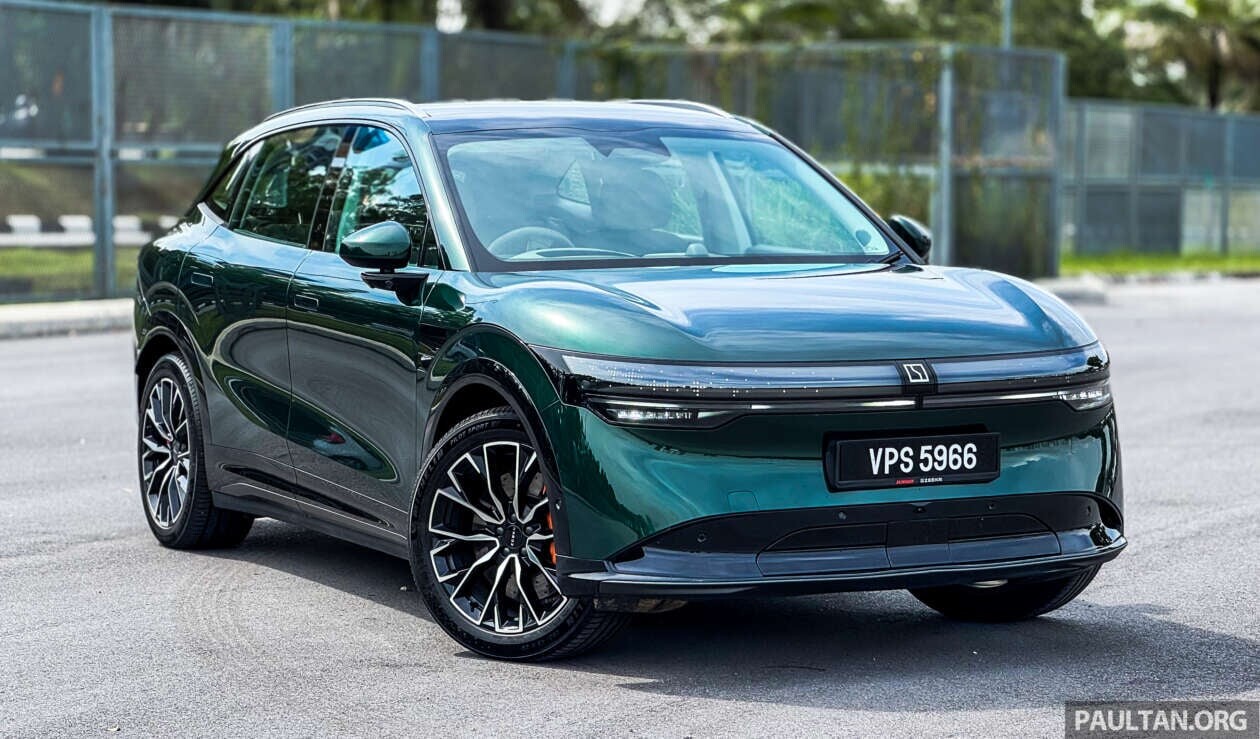
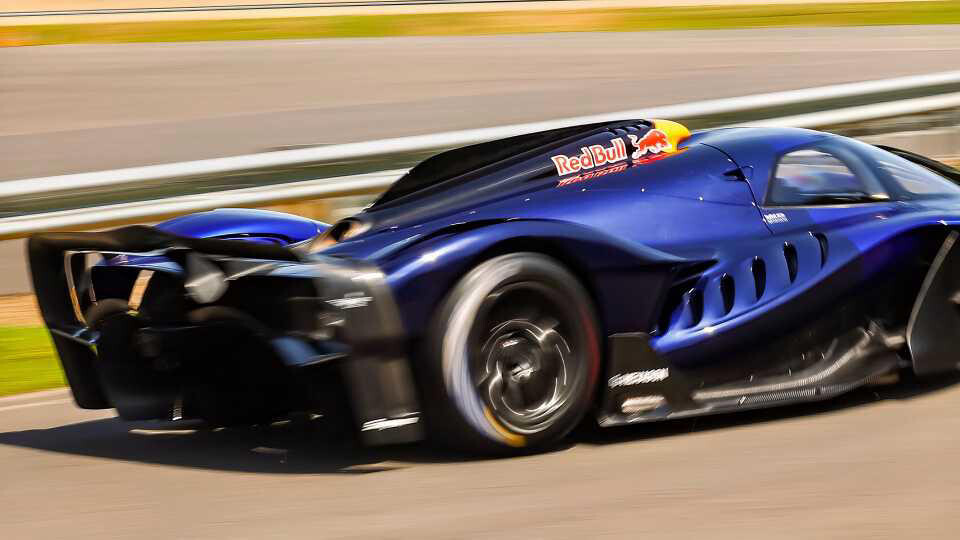
Key takeaways ・BYD's Yangwang U9 Xtreme has set a new record of 503km/h. ・Electrification has seen a dramatic increase in power outputs for modern cars. How much power is too much power? That’s not a theoretical question anymore, it’s a very real and very relevant one. BYD’s performance/luxury brand Yangwang recently revealed its (appropriately named) U9 Xtreme can manage 503km/h, and while that is unquestionably an amazing technological achievement, it does raise some serious questions. Namely, should we be letting untrained motorists loose in a vehicle with a claimed 2220kW of power? The U9 has only raised the bar from other extreme hypercars, namely the Bugatti Chiron Super Sport 300+ and SSC Tuatara, which can both reach speeds above 450km/h. But the sheer number of cars with huge amounts of power is growing exponentially thanks to electrification. Be it all-electric or hybrid, electric motors can produce a lot of power more easily than an internal combustion engine, and car makers are rapidly improving their knowledge and unleashing more and more power. The start of the power war It was Tesla who led the way. It demonstrated that EVs could be sold and marketed on the basis of performance as much as efficiency when it unleashed the Model S, and gave the world ‘Ludicrous Mode’, describing its acceleration. Leapmotor C10 Sports+ The start of the power war - Continued More motors equals more power and it crept up over the years, starting with 270kW (which was more than enough) before evolving to the current line-up. The current Model S Dual Motor makes a very healthy 493kW but Tesla introduced the Tri Motor to up that figure to 761kW. Smart #1 Next up But that’s becoming almost pedestrian as more and more powerful cars hit the market, and it’s not all Ferraris and Lamborghinis (although there are a few of those). Cars with more than 550kW of power (which is 730+ horsepower, if you prefer the old-fashioned way) includes the MG iM5 and iM6 as well as BMW’s XM full-size SUV. Its not just EVs, hybrids are getting in on the act, too. Geely's incoming battleship 700 plug-in hybrid 4WD boasts more than 800kW and Zeekr's 9X pushes past 1000kW. With great power, comes great responsibility Now to avoid sounding hysterical, and speaking from personal experience, cars like the iM5 and iM6 are perfectly safe to drive, and if the power is harnessed properly there is nothing wrong with more power. I recently drove the new Lamborghini Revuelto SV, which makes a staggering 783kW (or 1065hp), which is absolutely mind-blowing with its performance. A modern Formula One car makes 750kW, so this is a seriously powerful machine. Lamborghini Revuelto. With great power, comes great responsibility - Continued Lamborghini has ensured it has every other aspect it needs to keep that power in check, including F1-inspired braking technology, specially developed tyres and an aerodynamic package. Which is good, because Lamborghini boss Stephan Winkelmann told me there are no plans to slow down the brand. “When, back in time, we always said there will be a moment in time when the power output will be too much. What I can tell you now is that it would never be enough,” Winkelmann said. “It's how you control the power and how easy it is to drive and how safe the car is, and if these two things match, we will continue.” He added: ”Also, in terms of aerodynamic, braking power, suspension, dampers, all of this has to work together. And also the software unit to make it safe and to make it feel like a glove. If you achieve this, then it's okay.” Power is nothing without control That’s all well and good for niche, highly exotic hypercars like the Yangwang U9 and the Revuelto, but when you look at the increasing performance of cars there is a worrying trend towards adding power and speed without thinking through the consequences. Chinese brand Leapmotor introduced the C10 Sports+ which boasts 440kW/760Nm from its all-wheel drive electrified powertrain. The problem was, despite adding all this extra power Leapmotor didn’t upgrade the brakes, steering and suspension (which frankly struggled with 160kW). This is something car makers need to avoid. It’s nothing new, and Leapmotor is not alone in copping this criticism. I’m old enough to remember Ford getting flack for offering the Falcon XR8 with V8-power but the same braking hardware as the standard, taxi-friendly model. Accelerating towards trouble? We have a strictly enforced top speed limit of 110km/h in Australia, but the time it takes you to get there is getting quicker and quicker thanks to EVs and other modern performance tricks. Electrification has introduced near-instant torque and that has seen acceleration times drop, and not just amongst the hypercar elite. The Porsche Cayenne Turbo Electric makes 850kW (that’s 100kW more than an F1 car) and can sprint 0-100km/h in just 2.5 seconds. Again, speaking from first-hand experience, it is sickeningly fast and super-impressive, but arguably highly unnecessary. In fact, if you look at the list of cars capable of running 0-100km/h in less than 4.0 seconds and it isn’t just Porsche, Ferraris and friends, the list includes such performance car icons as the Smart #1, MG MG4 XPower, Polestar 4 and Volvo EX30. I’m not suggesting that these cars are inherently dangerous, but if misused or not properly understood, they could definitely catch drivers out. We simply aren’t trained to drive fast cars, most of us get taught how to drive around the block, safely manage 110km/h on the freeway and master a parallel park. Australian rules do not require any form of high-performance, high-speed driver training, and yet cars continue to get faster and faster. Call me crazy, but those two things seem like they’re on a collision course unless we do something to change it... Lamborghini Revuelto.