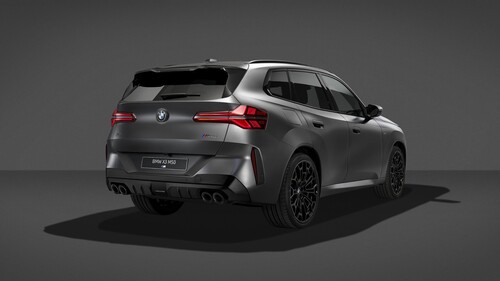
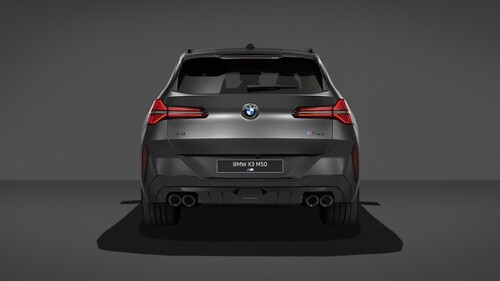
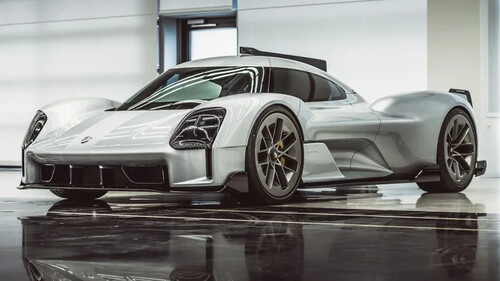
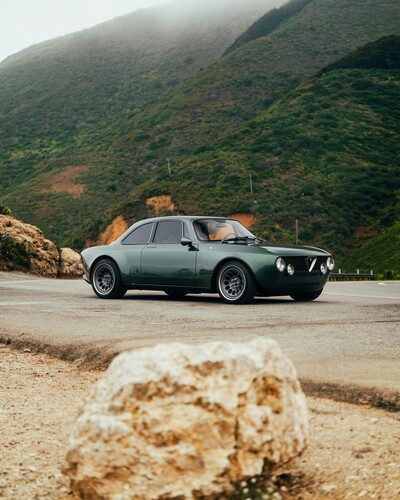
Sophie Hall · 1 months ago@sophiehall39Forget Politics. EVs Have An Age Problem Liked by+23 othersPost commentRelated PostsWhy fixing your own car is a political issue 87 · Alexander Mitchell · 7 months agoWere Elon’s Politics A Significant Part of Cruddy Q1 Sales? 36 · Henry Carter · 6 months agoWild new Alpine A310 Vision concept will make you forget all about the A110Ava Tremblay · 14 days agoBMW Wants You To Forget About The X3 M With Updated X3 M50 xDriveCharlotte Lee · 24 days agoSelling your car online is great but don't forget the old waysEmily Roy · 25 days agoForget the Bizarre Court Video. Someone Drove a Marked Cop Car Right Out of the Sheriff’s Own HQ. 60 · Sarah Tremblay · 27 days agoForget the DRLs—Bentley Torcal’s Glowing Diamond Grille Steals the Night 22 · Evan Wilson · 27 days agoToyota Has A Fix For Forgetful Drivers Who Never Plug In Their Hybrids 37 · Nathan Lewis · 28 days agoForget Your Certification: GM Wants to Automate Forklifts Now 83 · Liam Pelletier · 29 days agoForget A Nuvolari Rebadge, Porsche Is Now Planning A Halo Supercar With A Flat-8 71 · Amélie Nelson · 1 months ago2027 Nissan Armada Forgets What Color Looks Like With Dark Armor Pack 27 · Grace Harris · 1 months agoForget Street Takeovers, Parallel Parking Competitions Are The New Car Culture Craze 50 · Gabriel Rogers · 1 months agoForget supercars and SUVs, tiny city cars are capturing the public's imagination 75 · William Bouchard · 1 months agoForget The XSR900 GP. Yamaha Might Have Something Even Spicier Coming 97 · Thomas Clark · 2 months agoTotem’s Latest Alfa Is So Beautiful Inside You’ll Forget To Start That Twin-Turbo V6 16 · Amélie Tremblay · 2 months agoForget Sensible Commuters: Why This 2021 Morgan 3-Wheeler Is 525kg of Pure Joy 90 · Justin Brown · 2 months agoForget Buying One, GM Could Build a Neck Pillow Right Into Your Seat 73 · Henry Green · 2 months agoForget simplifying! Lotus Eletre and Emeya EVs can now drive themselves 60 · Gabriel Lavoie · 2 months agoGetting your teen a back-to-school e-bike? Don’t forget this cool-looking protective gear 35 · Ethan Harris · 2 months ago2026 Subaru Outback Wilderness Review: So Good You’ll Forget How Bad It Looks 65 · Madeleine Lewis · 2 months ago


 +23 others+23 others
 +23 others