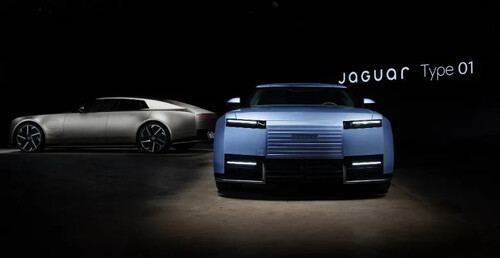
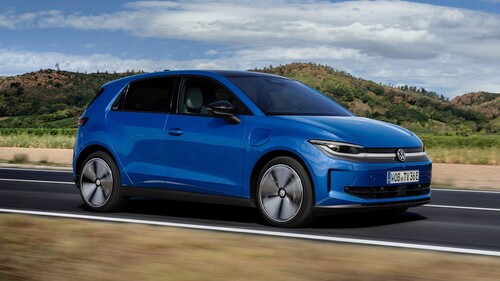
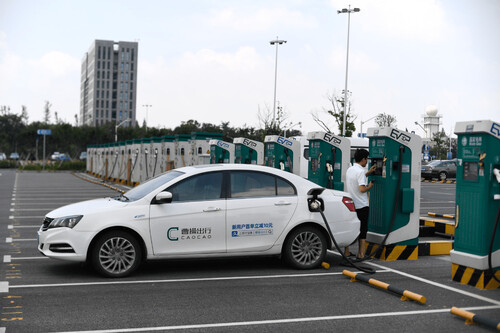
Thomas Green · 1 months ago@thomasgreen249For one mom, home EV charging feels like 'the end of the gas station era' Liked by+33 othersPost commentRelated PostsOff-Duty Cop Got Rear-Ended, Now He’s The One Facing Charges 63 · Parker Campbell · 2 months agoJaguar's Controversial Type 01 EV Looks Like A '40s Gangster Car Built For The Modern Electric EraHenry Carter · 7 days ago2026 Volkswagen ID.Polo First Drive: The EV That Finally Feels Like a Real VWNoah Lavoie · 12 days agoPremium Gas vs. Regular: Are You Wasting Money, or Just Feeling Fancy? 69 · Jackson Lewis · 3 months agoGas would need to hit '$1.14 a gallon' to rival home EV charging, YouTuber calculates 23 · Ava Lewis · 15 days agoUS home EV charging costs 5 to 6 cents a mile, and still beats gas after tax credit ends 77 · Ethan Nelson · 2 months agoWhy the legendary classic muscle car era ended overnight 71 · Charlotte Wilson · 2 months agoCanada highway test finds 2026 Mustang Mach-E GT makes EV road trips feel 'too easy' 41 · Jenna Girard · 1 months ago3 months with a used EV left a driver saying gas cars feel primitive, loud, and pointless 17 · Camille Martin · 3 months agoUS driver eyes Kia EV as gas prices rise, and owners say home charging costs 'pennies' 32 · Madeleine Lewis · 21 days agoBYD Announces Over 7,000 Flash Charge Stations, Plans to Build 20,000 by End of 2026 48 · Claire Pelletier · 3 months agoEnd of an Era: Bugatti Has Built Its Final W16-Powered Car 76 · Kaitlyn Smith · 2 months agoI Took A Hyundai Ioniq 5 EV On A Roadtrip. It Made Gas Feel Financially Irresponsible 15 · Matthew Gagnon · 4 months agoVolkswagen ends charging station production 38 · Olivia Girard · 3 months agoThe Last Bugatti Mistral Brings the Marque’s W-16 Era to an End 24 · Henry Moreau · 2 months agoEven EV-loving China is feeling the Iran war gas pinch 23 · Caleb Johnson · 5 months agoChina’s EV Charging Infrastructure Hits 22.5 Million Units by End-May 92 · Amélie Labelle · 3 months agoEnd of an Era: BMW M340i vs i4 M60 33 · Nathan Lewis · 3 months agoDriver trades gas car for a used EV and says free home charging changed everything 55 · Connor Bouchard · 4 months agoBYD Opens First 1.5 MW Flash-Charging Station in Germany, Eyes 300 Sites by Year-End 48 · Thomas Morgan · 4 months ago


 +33 others+33 others
 +33 others