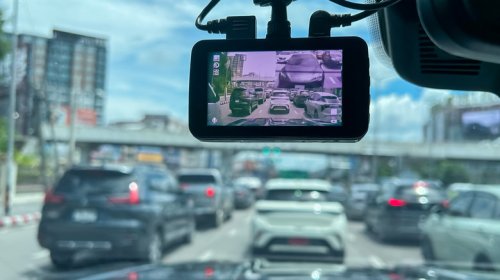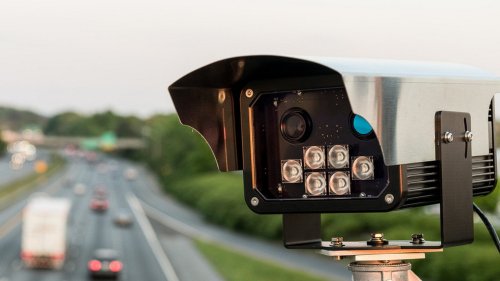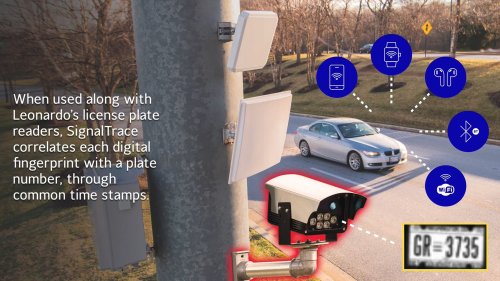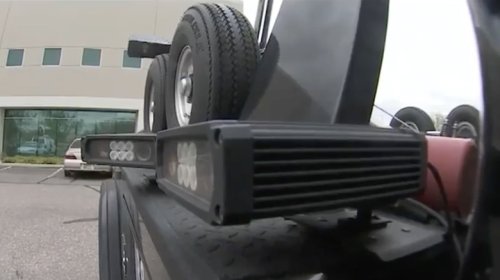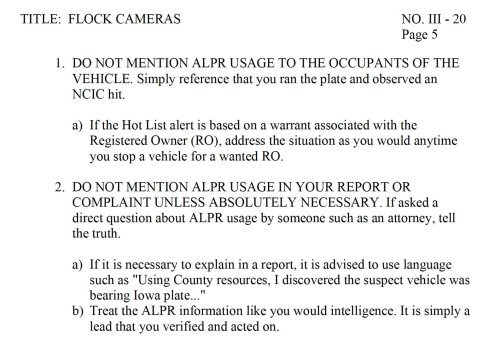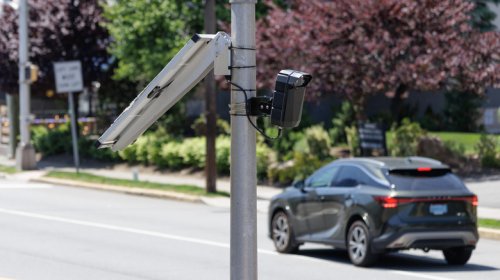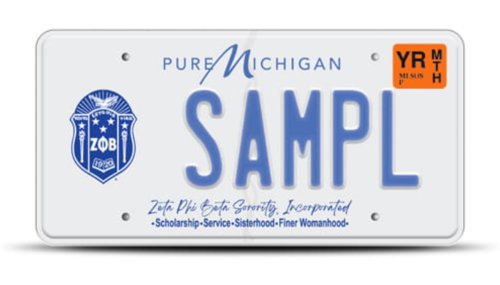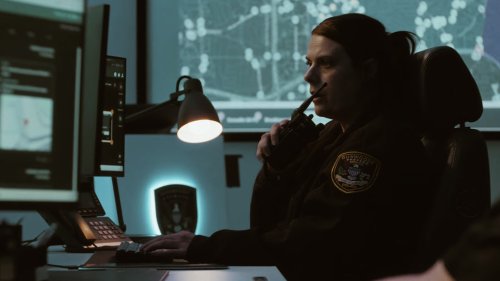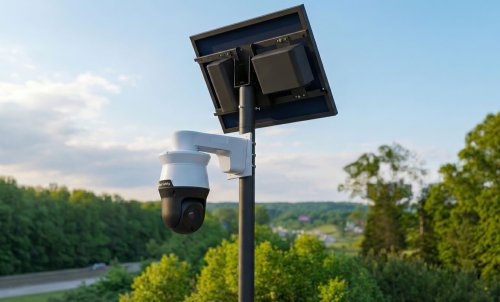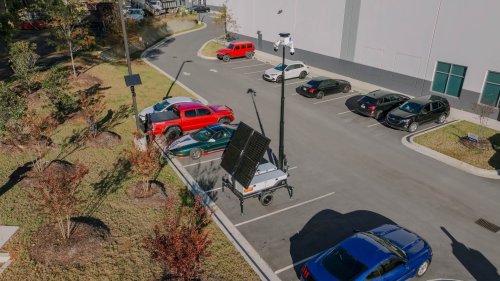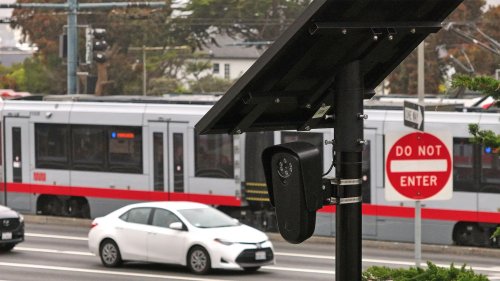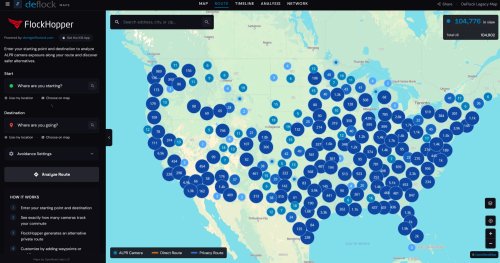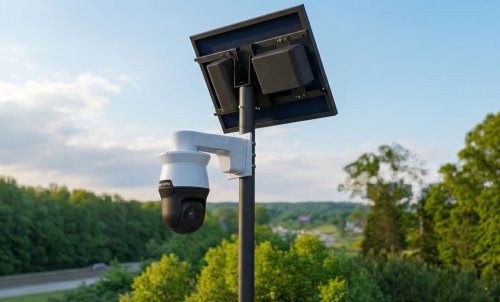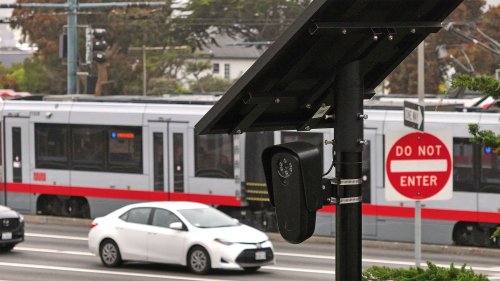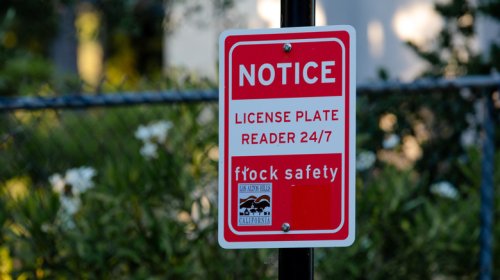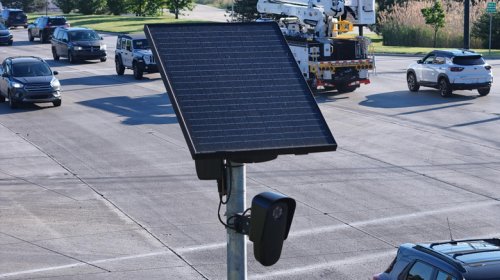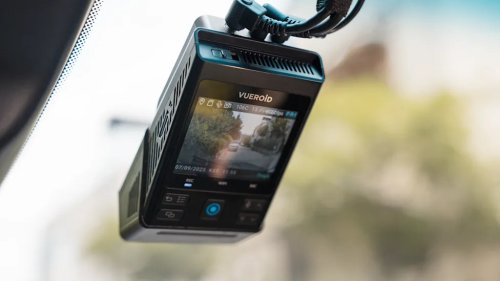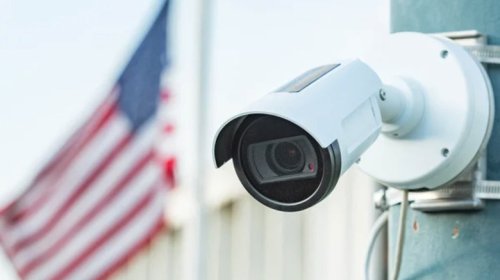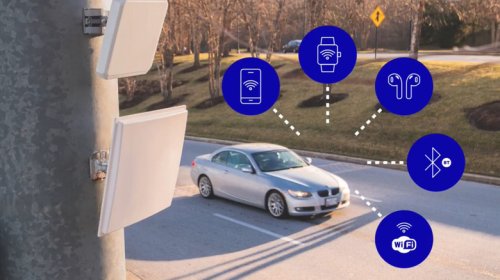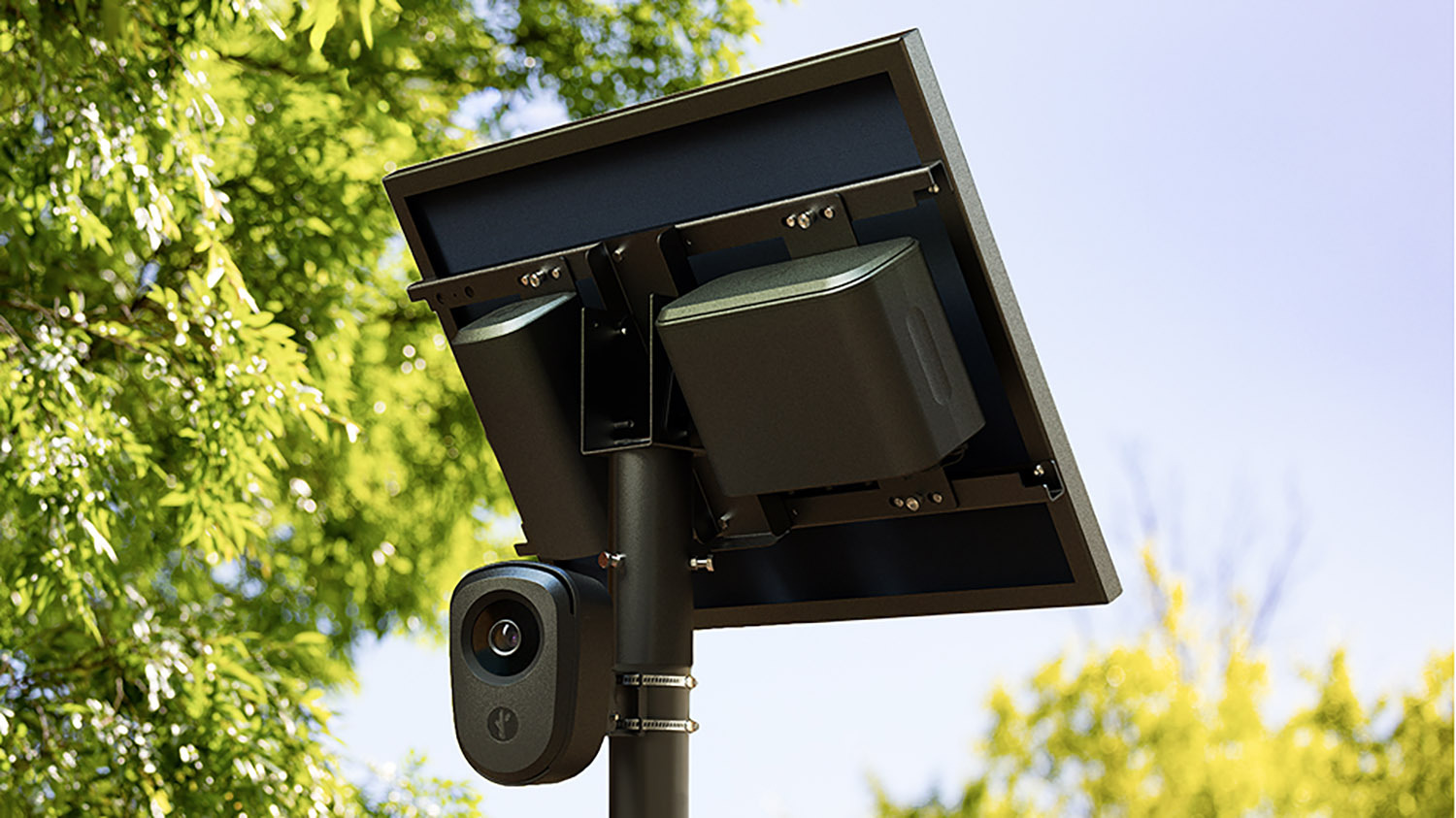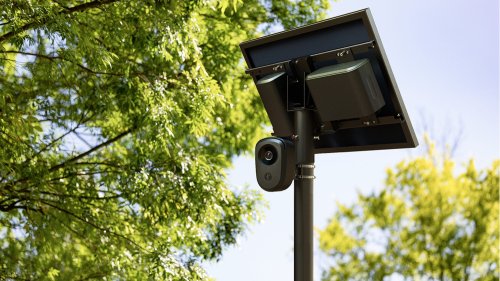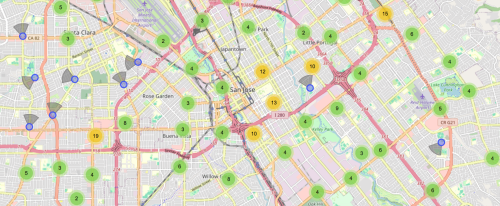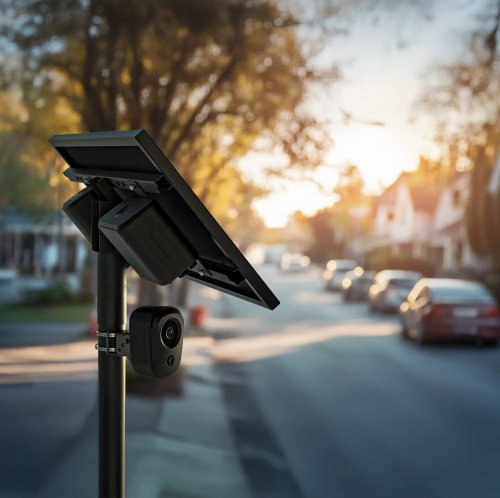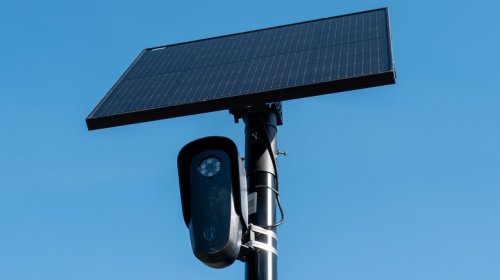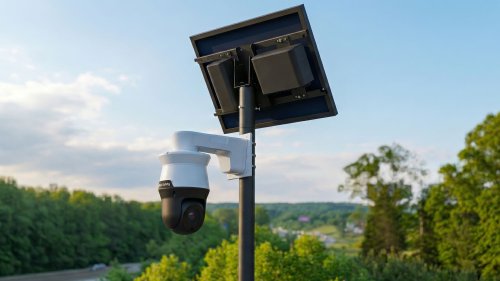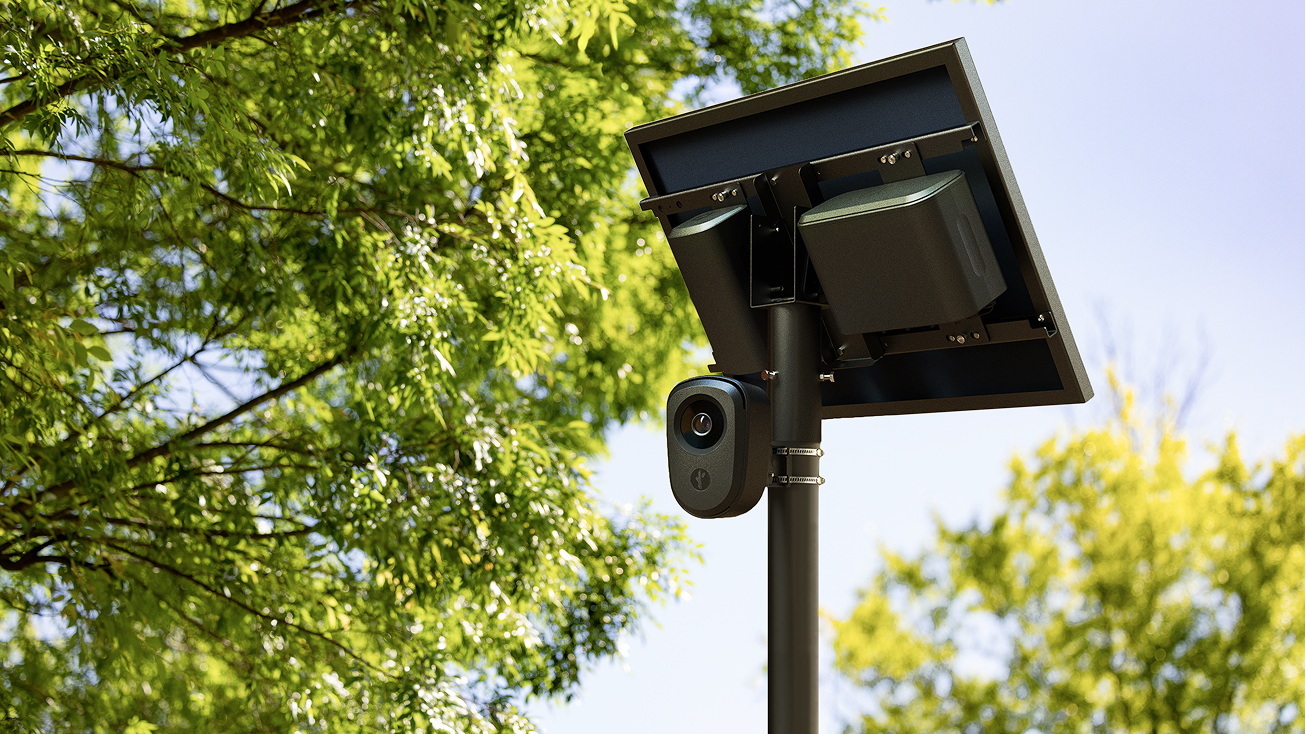
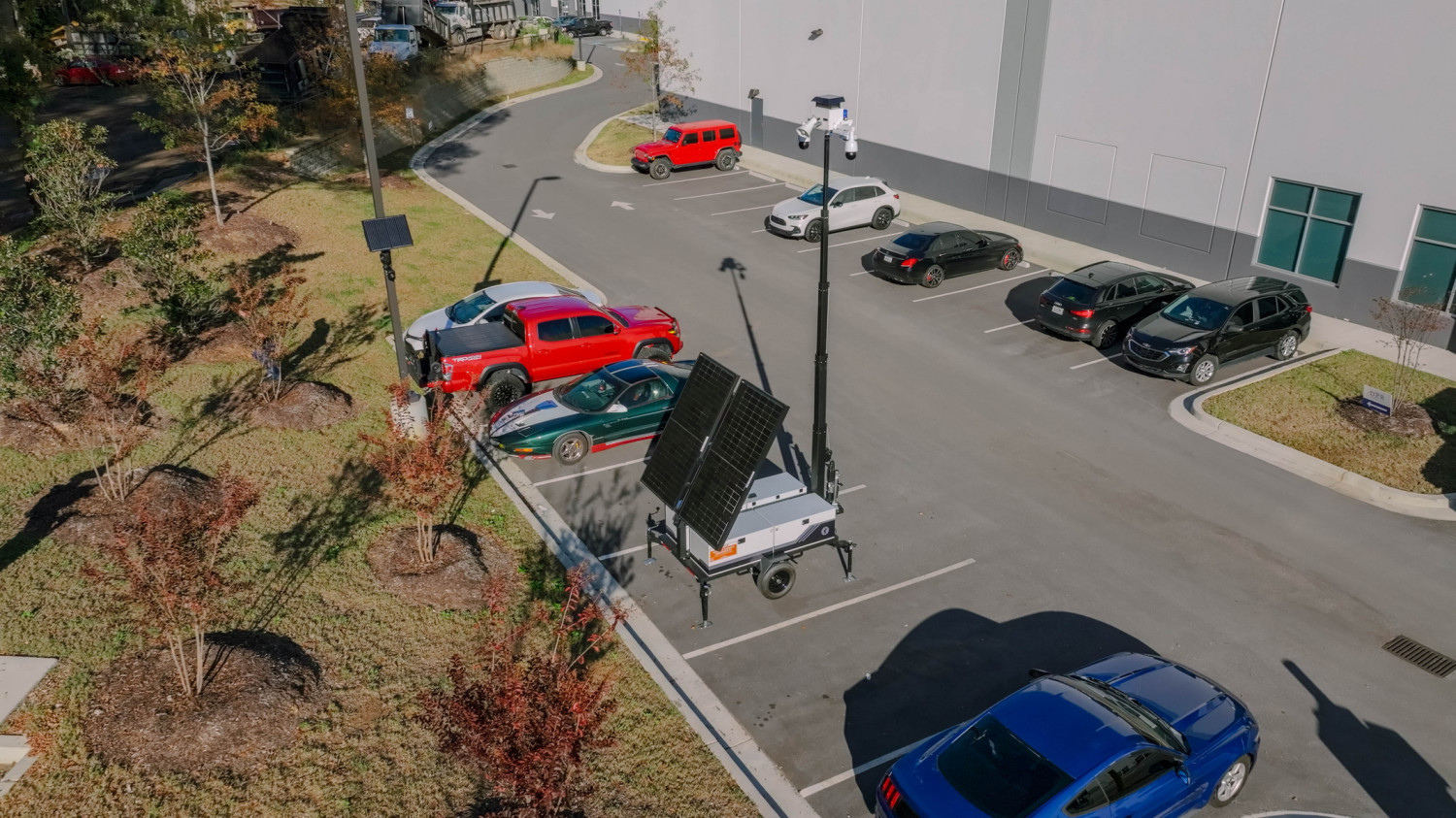



















Flock reportedly proposed tapping 350K rideshare and delivery dashcams. The plan could make license-plate surveillance far more mobile and flexible. Moving cameras off poles could let the network track traffic almost anywhere. Across the USA, there are already over 120,000 stationary automated license plate reading cameras. While several brands like Axon, Motorola, and others put them up, Flock Safety is the current leader in the space. A new report, citing a Flock presentation it obtained, claims the company proposed a plan that, had it gone ahead, would’ve grown its network dramatically while leaning far less on stationary cameras. The plan reportedly envisioned turning Uber, Lyft, and delivery drivers into a rolling ALPR network. According to documents obtained by 404 Media, Flock pitched the idea to Georgia’s Office of the Attorney General in August 2025. The presentation referred to a proposed partnership with dashcam maker Nexar, saying it included “350k Uber/Lyft and other delivery service devices.” Read: Dallas Has Hundreds Of AI Traffic Cameras, And Now Everyone’s Watching Flock’s normal automated license plate reader cameras are stationary. They scan the plates, make, model, color, and other identifying details of vehicles passing a fixed location. Put that same hardware or software in a rideshare vehicle, though, and the collection area moves with traffic. Every trip to the airport, grocery store, apartment complex, or late-night pickup becomes another opportunity to feed data into the network. That is a big difference. Police departments already use mobile ALPRs in patrol cars, and repossession companies have long used camera-equipped vehicles to locate cars. Flock’s proposal appears to have sought something much broader. As described in the presentation, it could have built a roaming private network of ALPRs that multiple organizations and entities might be able to access. The presentation does not make clear whether Uber, Lyft, the drivers themselves, or their passengers would have known exactly what data was being collected and where it was headed. Neither Uber, Lyft, nor Nexar responded to 404 Media’s requests for comment. Flock told the outlet that it never executed the Nexar partnership. Still, the presentation suggests how expansive the company’s ambitions may have been. Flock has spent years selling its camera network as a tool for finding stolen cars, missing people, and wanted suspects. The more data sources it connects, though, the more questions it raises. A camera on a pole is one thing, and plenty of people dislike that idea by itself. A proposed network of hundreds of thousands of cars owned by private citizens, quietly gathering data wherever they go, is something else entirely.