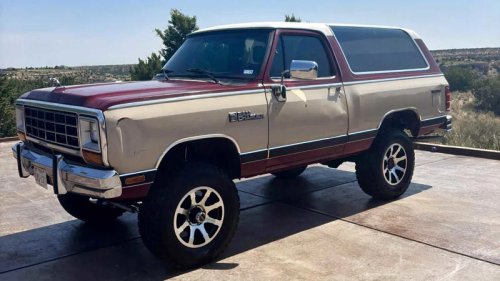
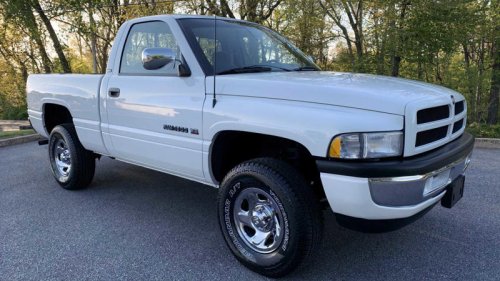
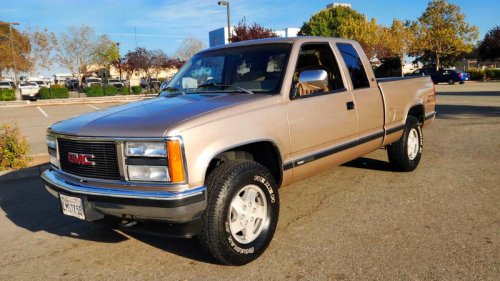
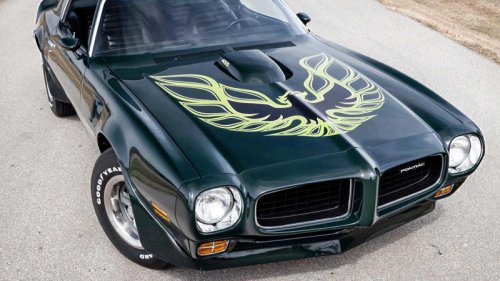
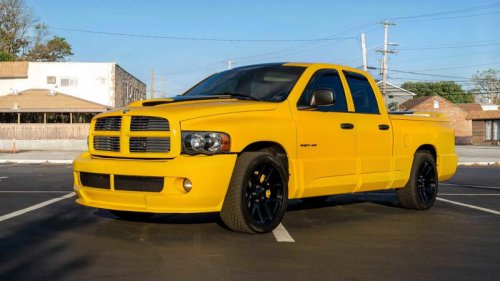
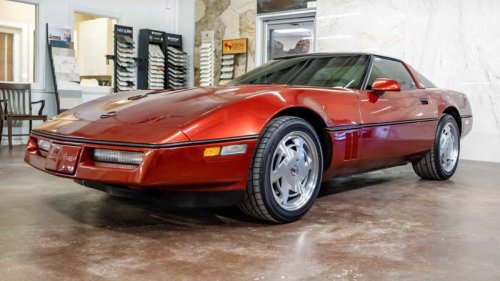
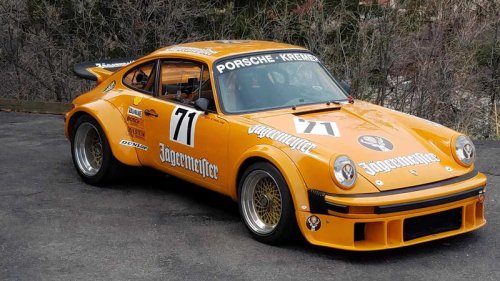
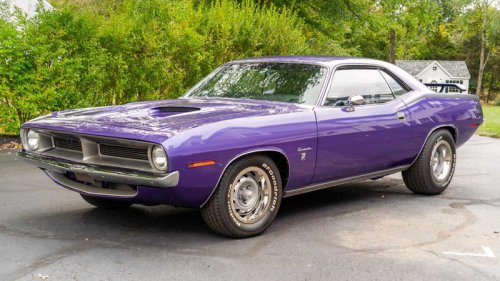
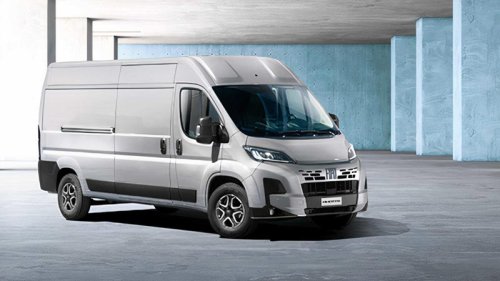
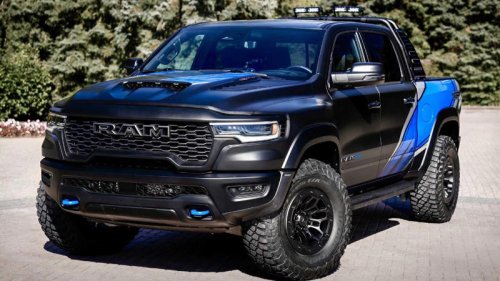
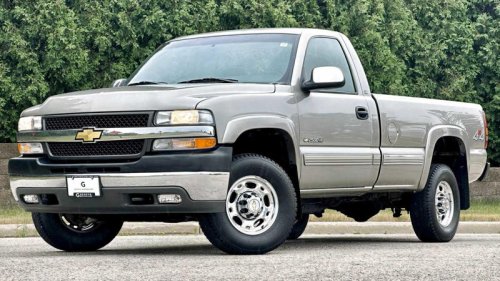
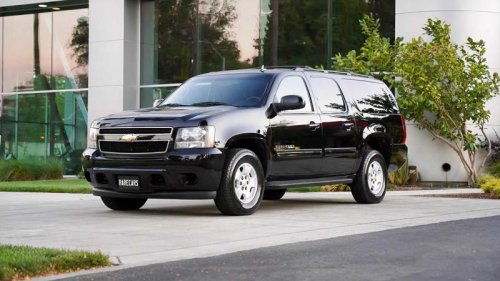
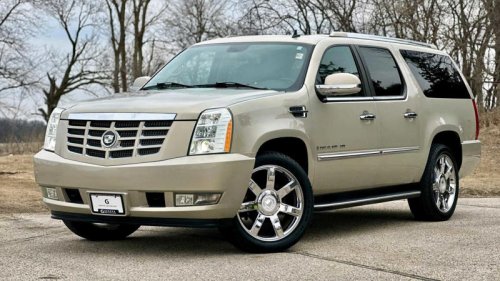




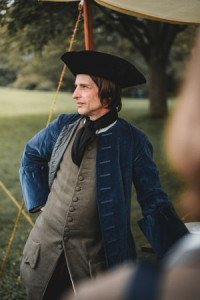














In probably the most disheartening news this week, Chuck Norris has passed away. The world has lost one of those rare cultural fixtures who felt permanently installed, the kind of figure people spoke about in movie references, martial arts lore, hilarious memes, and plain old admiration. Chuck Norris carried that kind of presence even when he wasn’t on screen; he seemed to live somewhere in the background of American pop culture, always ready to reappear with the same granite stare and the same unshakable sense that he’d seen worse and handled it.Throughout his long career spanning over five decades, there's been a remarkable consistency to his public persona. For a lot of people, Norris represented a specific kind of toughness that never needed polishing. He came out of the martial arts world, broke through alongside Bruce Lee, built a long run in action films, and then settled into television history with Walker, Texas Ranger. In most circumstances, that would've been more than enough for most careers. But Norris also left something else behind: a connection to the automotive world that fit him perfectly. He may not have been known for a glittering celebrity garage, but cars and trucks were never far from his orbit, and that part of his legacy deserves its own look. The Machines That Helped Build The Chuck Norris Myth Chuck Norris was never the kind of celebrity who needed a hypercar collection to feel relevant in automotive circles. The vehicles tied to him, whether through film or television, always reflected something more grounded. They were tough, usable, and built with intent. 1983 Dodge Ramcharger: Lone Wolf McQuade Bring A Trailer The Dodge Ramcharger was Chrysler’s answer to the growing full-size SUV market, and by the early '80s, it had carved out a reputation as a rugged, no-frills machine. Built on a shortened pickup truck platform, it came with solid axles, available four-wheel drive, and a range of V8 engines that prioritized torque over refinement. In Lone Wolf McQuade, the Ramcharger fit perfectly into the dusty, lawless Texas backdrop, giving the film a sense of authenticity that matched its tone. It wasn’t polished, but it didn’t need to be. It looked like it could take a hit and keep moving. 1995 Dodge Ram 1500: Walker, Texas Ranger Bring A Trailer When Dodge redesigned the Ram in 1994, it changed how pickup trucks looked almost overnight. The bold grille, big-rig-inspired front end, and wide stance gave it a presence that stood out in a segment that had grown predictable. Under the hood, people could choose from engines like the 5.2-liter and 5.9-liter Magnum V8s, both known for their durability and strong low-end pull. As the primary truck in Walker, Texas Ranger, the Ram became instantly recognizable, reinforcing its image as a dependable, go-anywhere machine that didn’t flinch under pressure. 1992 GMC Sierra K1500: Walker, Texas Ranger Bring A Trailer Before the Dodge Ram took over, the early seasons of Walker, Texas Ranger featured the Sierra K1500. This generation of GM trucks was known for its clean, squared-off design and solid mechanicals. The K1500 offered a range of engines, including the widely respected 5.7-liter small-block V8, paired with a chassis that balanced everyday usability with genuine off-road capability. It didn’t shout for attention, but it delivered exactly what buyers expected from a full-size pickup in the early 1990s: reliability, strength, and a sense that it could handle whatever the job demanded. 1973 Pontiac Firebird Trans Am: An Eye For An Eye Bring A Trailer The 1973 Firebird Trans Am arrived at a time when muscle cars were beginning to lose their edge due to tightening emissions regulations, but Pontiac managed to keep the spirit alive. With its aggressive styling, shaker hood scoop, and available 455 cubic-inch V8, the Trans Am still delivered strong performance and unmistakable attitude. It was one of the last true holdouts of the original muscle car era, combining bold design with real street presence. On screen, it carried that same energy, standing out as a car that looked fast even when it wasn’t moving. Dodge Ram SRT-10 Bring A Trailer The Dodge Ram SRT-10 took the idea of a performance truck and pushed it into unexpected territory. Powered by an 8.3-liter V10 sourced from the Dodge Viper, it produced over 500 horsepower and turned a full-size pickup into something capable of running with sports cars in a straight line. It wasn’t subtle, and it wasn’t trying to be. The SRT-10 existed to prove that a truck could be both brutally quick and unapologetically loud about it. Its presence in the Walker universe added a new layer to the truck’s identity, blending raw performance with its established toughness. 1988 C4 Corvette Bring A Trailer By the late '80s, the Corvette had fully transitioned into its fourth generation, bringing with it sharper styling and a more modern performance focus. The 1988 model featured the L98 5.7-liter V8, producing around 245 horsepower, paired with improved handling thanks to a fully independent suspension and a more rigid chassis. It represented a shift toward precision and balance, offering drivers a sports car that could handle corners with confidence while still delivering strong straight-line performance. Porsche 934 Bring A Trailer The Porsche 934 was built for one purpose: racing. Developed in the mid-'70s as part of Porsche’s Group 4 competition lineup, it was based on the 911 Turbo but heavily modified for the track. It featured a turbocharged flat-six engine, wide fenders, and stripped-down internals designed to maximize performance. With outputs pushing well beyond 400 horsepower in race trim, the 934 became a dominant force in its class. It wasn’t a road car in the traditional sense. It was a machine engineered to compete, and it carried that intensity in every aspect of its design. 1970 Plymouth Barracuda Gran Coupe Bring A Trailer The 1970 Plymouth Barracuda marked a turning point for the model, with a complete redesign that gave it a more aggressive stance and a broader range of performance options. While the Gran Coupe trim leaned more toward comfort and upscale features, the platform itself could be configured with some of the most potent engines of the era, including big-block V8s that turned it into a serious performer. The new E-body design also allowed for wider track widths and improved handling, making it one of the most versatile muscle cars of its time. The Vehicles He Owned Away From The Cameras Away from movie sets and TV lots, the vehicles publicly linked to Chuck Norris point in the same direction as his screen image. They lean toward trucks, full-size SUVs, and work-ready machines with real purpose. The paper trail isn’t equally strong for every one of them, but together they sketch out an ownership picture that feels consistent with the man himself: practical, rugged, and much more interested in substance than showroom theater. Fiat Ducato Fiat Fiat Professional named Norris its international brand ambassador in 2017 and centered him in campaign material for its commercial-vehicle lineup, with the Ducato positioned as one of the core vehicles in that push. That makes the Ducato part of the way manufacturers themselves framed Norris: durable, dependable, and built to keep working long after the glamorous stuff has tapped out. The van itself has earned that reputation over decades, with a cavernous cargo area, countless body configurations, and a design brief rooted in getting hard work done efficiently. Dodge Ram Ram Public references that tie Norris to Ram ownership fit neatly with the broader Dodge truck image that followed him for years. Even setting the Walker connection aside, a modern Ram makes perfect sense in that lineup. The fifth-generation truck brought more refinement than older full-size pickups, but it still kept the square-jawed attitude and towing muscle that made Ram such a natural match for his persona. Chevrolet Silverado Bring A TrailerThe second-generation Chevrolet Silverado landed right in the era when full-size pickups were becoming more polished without losing their working-class backbone. If Norris owned one, it would have slotted comfortably into the same practical mold as the rest of the vehicles associated with him. GM gave this Silverado a stiffer frame, a broader range of cab and bed combinations, and familiar small-block V8 options that made it a dependable all-arounder. It wasn’t trying to reinvent the American truck. It just delivered the sort of honest capability that buyers kept coming back for, which is probably why it remained such a staple in driveways, job sites, and long-haul family duty alike. Chevrolet Suburban Bring A Trailer The 10th-generation Chevrolet Suburban represents one of the clearest examples of why full-size American SUVs still have a loyal following. It’s enormous, capable, and built around the idea that space and versatility still matter. If Norris had one in his garage at any point, it would have been an easy fit. This generation offered serious towing strength, three rows of usable seating, and the kind of long-distance comfort that made it equally good at family hauling and heavy-duty road-trip work. It also carried the quiet authority the Suburban has always had. It never needed to shout because everyone already knew exactly what it was built to do. Cadillac Escalade Bring A Trailer The third-generation Cadillac Escalade brought a different flavor to the full-size SUV formula, but it still stayed rooted in truck bones and V8 power. Public photos and enthusiast chatter have linked Norris to an Escalade, and the model itself suits the upscale side of his broader truck-and-SUV pattern. This generation used GM’s 6.2-liter V8, paired it with a seriously imposing presence, and wrapped the whole package in chrome, leather, and a cabin that felt much more premium than the average body-on-frame hauler of its day. It was luxury by way of American excess, which meant it still had enough muscle under the skin to avoid feeling soft.