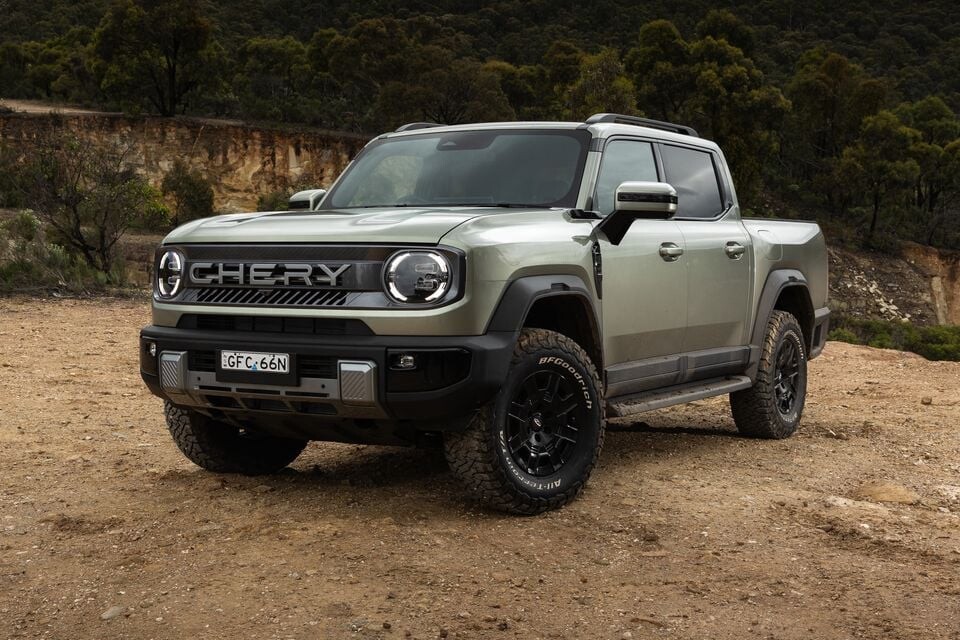
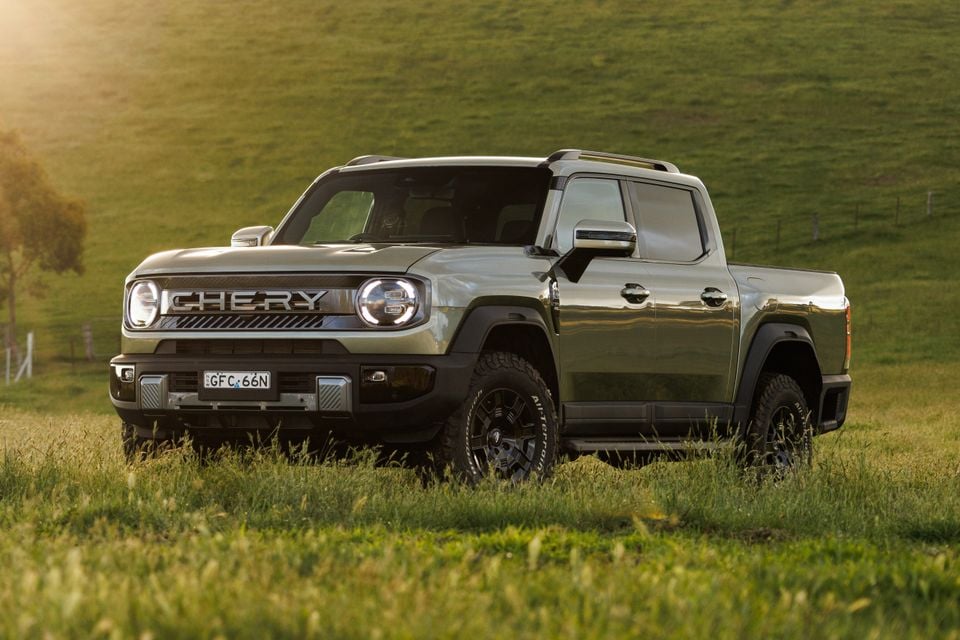
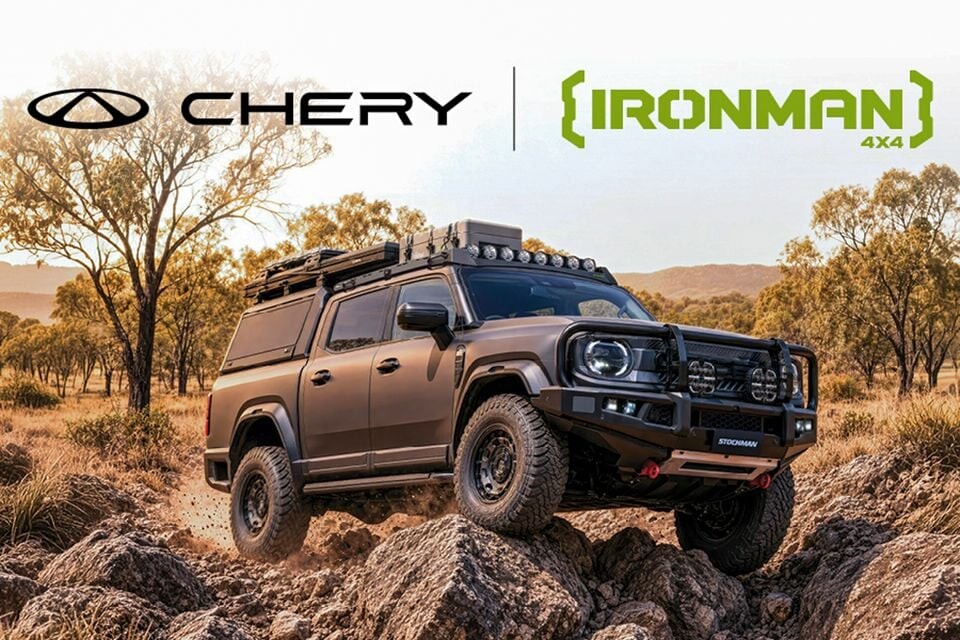
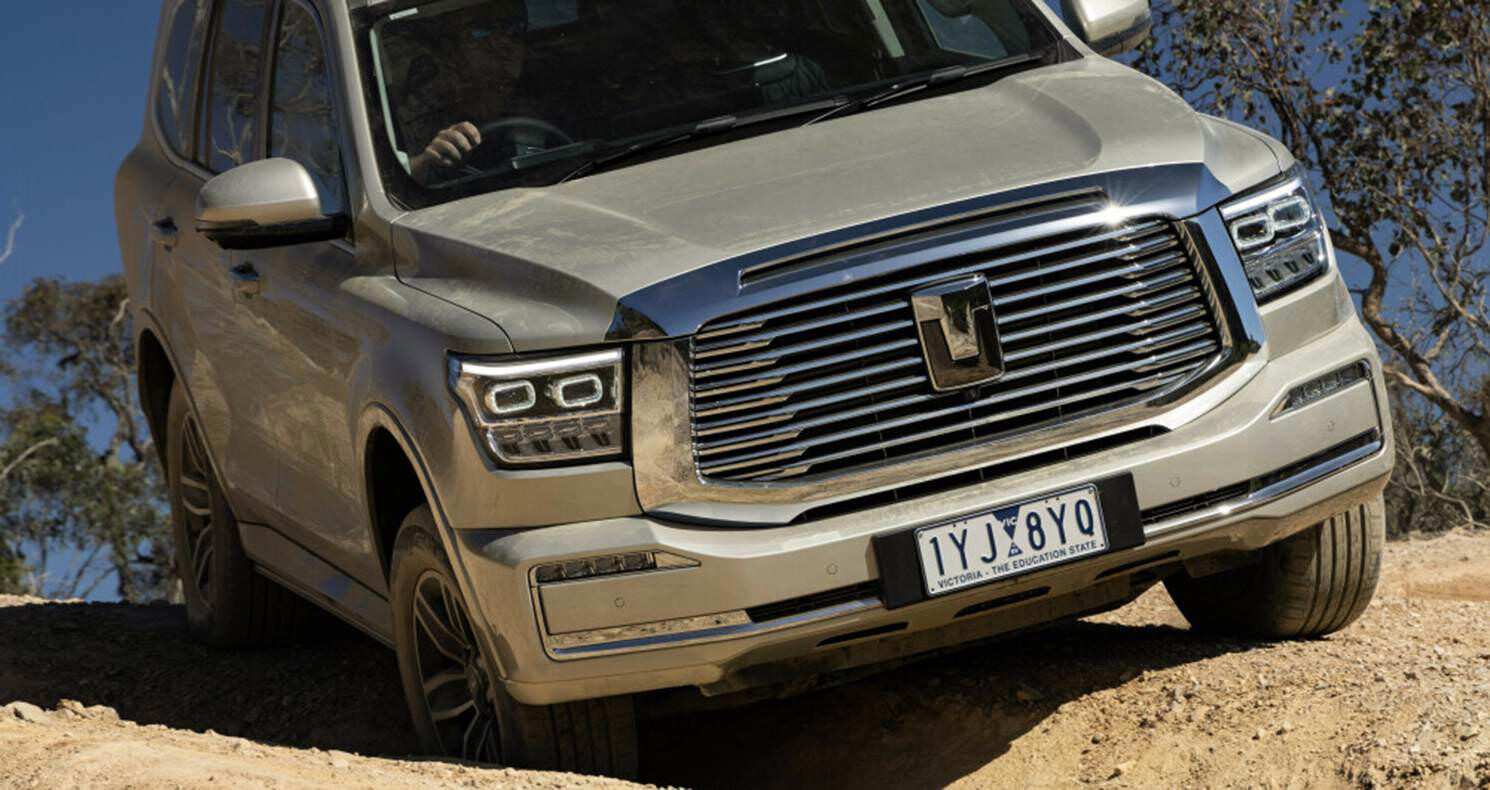
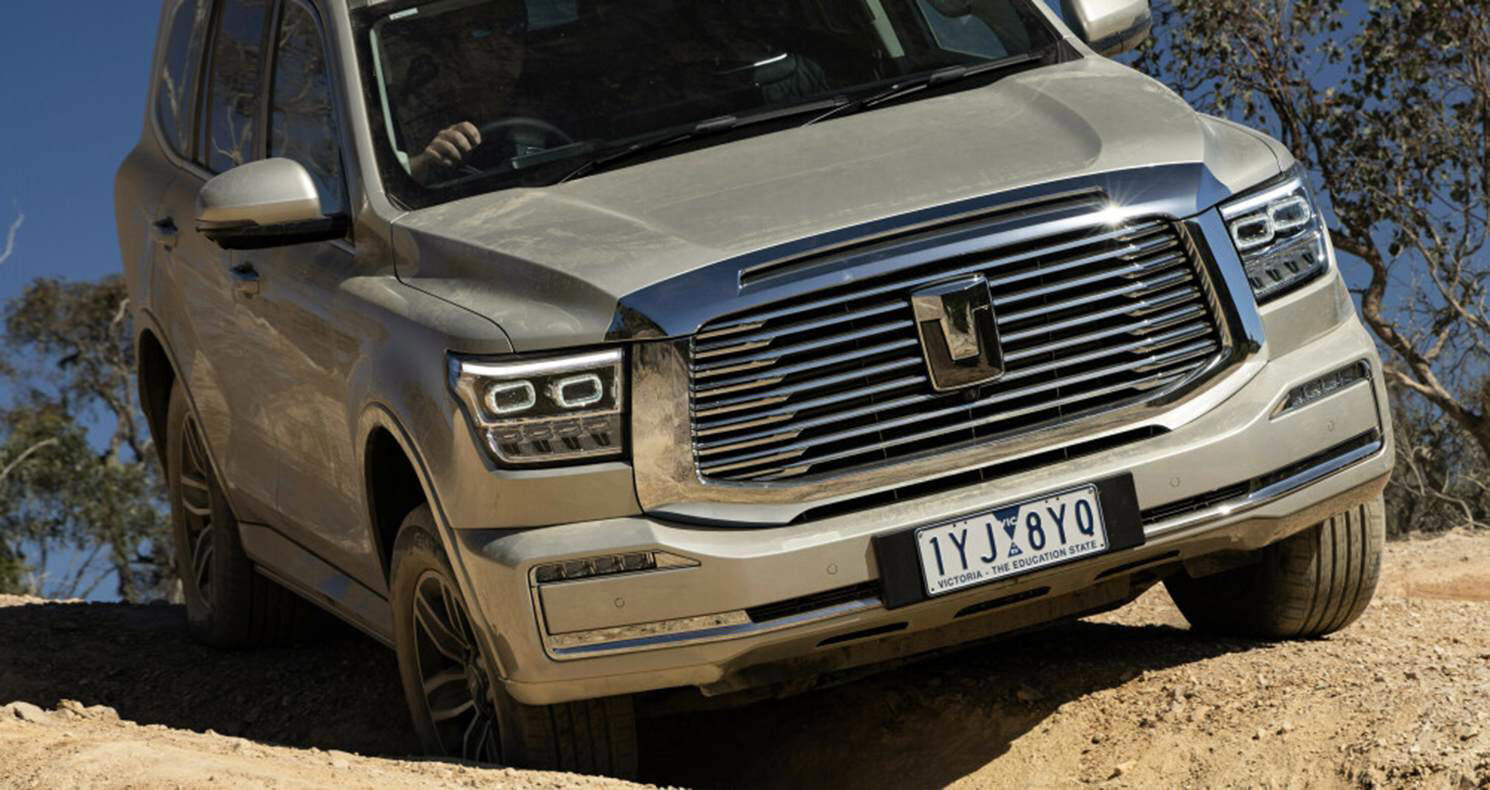
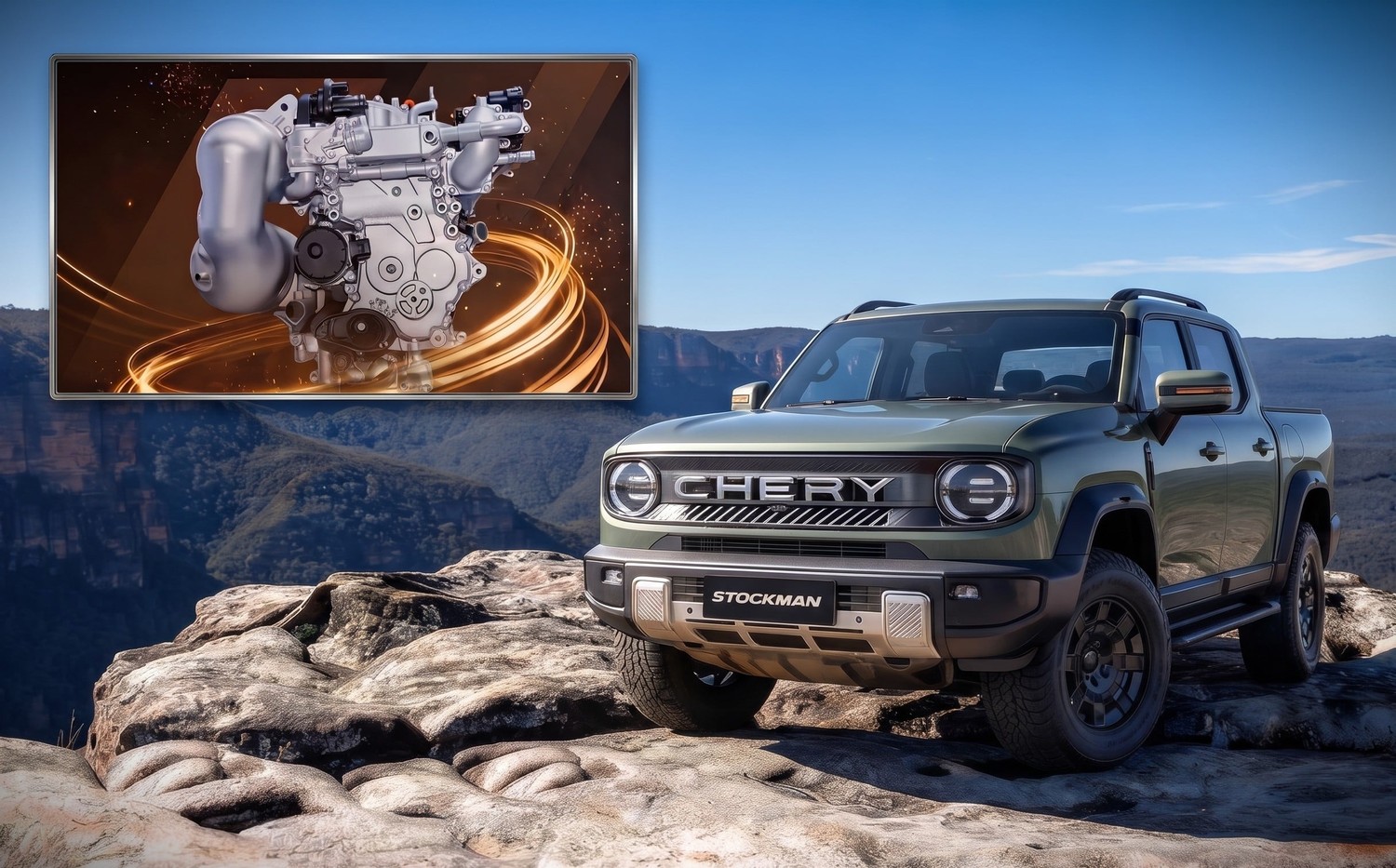
A Chery patent has revealed how the diesel-electric Stockman pickup combines two electric motors with a conventional mechanical four-wheel-drive system. The layout differs from the BYD Shark 6, which uses electric axles, while the GWM Cannon Alpha PHEV takes a petrol-hybrid route with a nine-speed transmission. Chery’s patent application CN122165857A, filed in October 2025, offers a closer look at the thinking behind the Stockman’s hybrid system. It describes a longitudinal setup combining two electric motors, a disconnect clutch and a mechanical transfer case. The system is also relevant to the Rely Hi800 (code name P3X), the pickup’s Chinese-market counterpart. Inside Chery’s P1 + P2.5 hybrid system The Stockman combines a 2.5-litre turbo-diesel producing 140 kW (188 hp) and 450 Nm with a four-speed dedicated hybrid transmission (4DHT). Sohu Auto reports the engine output, while an Autohome technical breakdown describes the P1 + P2.5 layout and four-speed transmission. Combined system output reaches 350 kW (469 hp) and 800 Nm. Its powertrain has four main components: P1 starter-generator: Connected to the diesel engine, it starts the engine and generates electricity independently of wheel speed. Disconnect clutch: Separates the engine from the downstream drivetrain, allowing the vehicle to move electrically without the diesel mechanically driving the wheels. P2.5 traction motor and 4DHT: Integrated into the transmission, the motor drives the vehicle electrically or assists the diesel engine. Mechanical transfer case: Sends power to both axles through conventional front and rear differentials, retaining selectable 4H and 4L. The patent lists several operating modes, including stationary and travelling electricity generation, electric driving, direct engine drive, parallel hybrid operation and regenerative braking. It describes the system’s overall architecture rather than providing a complete drawing of Stockman’s production powertrain. Five operating functions and DPF management In series-hybrid operation, the diesel engine drives the P1 generator while the P2.5 motor propels the vehicle. The engine can also be disconnected and switched off, leaving the battery to power the traction motor. When more power is needed, the clutch connects the diesel engine to the transmission. The engine can then drive both axles mechanically, with the P2.5 motor adding torque. The P1 generator also helps manage diesel particulate filter (DPF) regeneration. In an interview with Carsales, Chery chief engineer Mark Qi said the controller can start the diesel engine and raise its idle speed above 1,000 rpm, compared with approximately 700 to 800 rpm in conventional diesel pickups. The generator then places an additional load on the engine, helping raise exhaust temperatures for DPF regeneration while storing surplus electricity in the battery. This is intended to address a problem with diesel plug-in hybrids: frequent short trips and extended electric driving can leave the engine running too infrequently to maintain the exhaust temperatures needed for normal emissions-system operation. How well the strategy works over years of real-world use remains to be seen. Chery’s diesel plug-in hybrid system. Credit: Chery Why Chery retained mechanical four-wheel drive The Stockman’s biggest architectural difference from the BYD Shark 6 is that its diesel engine can mechanically drive both axles. BYD’s DMO system uses electric drive on the rear axle, eliminating the conventional central propshaft and transfer case. Chery instead retains a mechanical transfer case, low-range gearing and differential locks. Qi told Carsales that mechanical drive to both axles helps on steep climbs, where weight shifts toward the rear and the front axle becomes lighter. The diesel engine can still send torque mechanically to the rear wheels rather than relying exclusively on an electric rear motor. GWM’s Cannon Alpha PHEV offers another comparison. Its Hi4-T system combines a 2.0-litre turbo-petrol engine, electric motor and nine-speed hybrid transmission with mechanical four-wheel drive and three differential locks. Chery’s distinguishing feature is its separate P1 generator and P2.5 traction motor. These systems take different routes to combining electric propulsion with mechanical four-wheel drive. Their layouts alone do not establish which pickup will perform better off-road in every situation. The BYD Shark 6, marketed in China as the Fang Cheng Bao Shark, relies on electric rear-axle drive rather than mechanical four-wheel drive. Australian pricing, specifications and towing Chery has confirmed two Australian versions, with deliveries scheduled from February 1, 2027. The Stockman Urban starts at 35,558 USD (52,990 AUD), while the Ultimate costs 38,915 USD (57,990 AUD), excluding on-road costs. The conversions use the November 20, 2026 AUD/USD reference rate. Key specifications include: SpecificationChery Stockman Diesel engine2.5T, 140 kW / 450 Nm Combined output350 kW / 800 Nm Transmission4-speed DHT Battery34 kWh LFP Electric range100 km WLTP; 96 km with optional AT tyres AC / DC charging6.6 kW / 70 kW Braked / unbraked towing3,495 kg / 750 kg Maximum towball download350 kg Payload765–810 kg GVM / GCM3,500 / 6,500 kg Fuel tank80 litres Compiled by CarNewsChina The Urban has centre and rear differential locks. The Ultimate adds a front lock. Its electric range is 100 km with highway-terrain tyres and 96 km with optional all-terrain tyres, both under the WLTP test cycle. Payload is a notable compromise. The Ultimate with all-terrain tyres weighs 2,735 kg, leaving 765 kg under its 3,500 kg GVM. That is 235 kg below Chery’s original one-tonne payload target. The Urban has an 810 kg payload, while the Ultimate with highway-terrain tyres has 800 kg. With a 3,495 kg trailer attached and a 350 kg towball download, the vehicle has 415 kg of nominal payload remaining. However, its 6,500 kg GCM leaves only 270 kg of additional allowance for occupants, luggage and accessories across the vehicle and trailer combination. Chery and accessory partner Ironman 4×4 are also preparing a federally approved GVM upgrade, with increased front and rear axle-load ratings expected after launch. The final ratings, pricing and availability have not been announced, and no increase to the 6,500 kg GCM has been confirmed. Ironman has already revealed a Stockman-specific accessory range, including an IM2.5 suspension package with a 50 mm lift and 200 kg or 300 kg constant-load spring options, an aluminium bull bar, canopy, roof rack, roller drawers and rear-step tow bar. The accessories are covered by Chery’s seven-year manufacturer warranty when ordered with the vehicle. The Stockman combines a diesel engine, substantial plug-in battery and conventional mechanical four-wheel drive in a configuration distinct from the BYD Shark 6 and GWM Cannon Alpha PHEV. Its 350 kW output and 3,495 kg towing capacity are competitive, but its relatively low payload and GCM will matter to buyers carrying heavy touring equipment or towing large trailers. Real-world fuel consumption with a depleted battery, sustained towing performance, and the effectiveness of its DPF management strategy remain questions for Australian owners to assess after deliveries begin.

 Liked by Aiden Hall, Lauren Green








 Liked by Aiden Hall, Lauren Green