A Chery Tiggo Cross collided with a Perodua Myvi on Malaysia’s New Klang Valley Expressway (NKVE) on November 7, leaving the SUV with two detached wheels. Chery Auto Malaysia said the wheel separation and front-bumper damage resulted from the accident, not a failure of the vehicle’s components, Paul Tan reports.
Footage circulating online showed both damaged vehicles on the expressway, with the Chery SUV’s wheels separated from the vehicle. The images documented the aftermath but did not establish the collision sequence or precisely when the wheels detached.
In a statement issued on the same day, Chery Auto Malaysia confirmed the accident and said its team had contacted the customer to assist. The company urged the public not to circulate unverified information but did not publish a detailed technical assessment of the vehicle.
Another entry in Chery’s wheel-related catalogue
For Chery, another wheel-related headline in Southeast Asia has arrived within days, although the mechanical circumstances differ between cases.
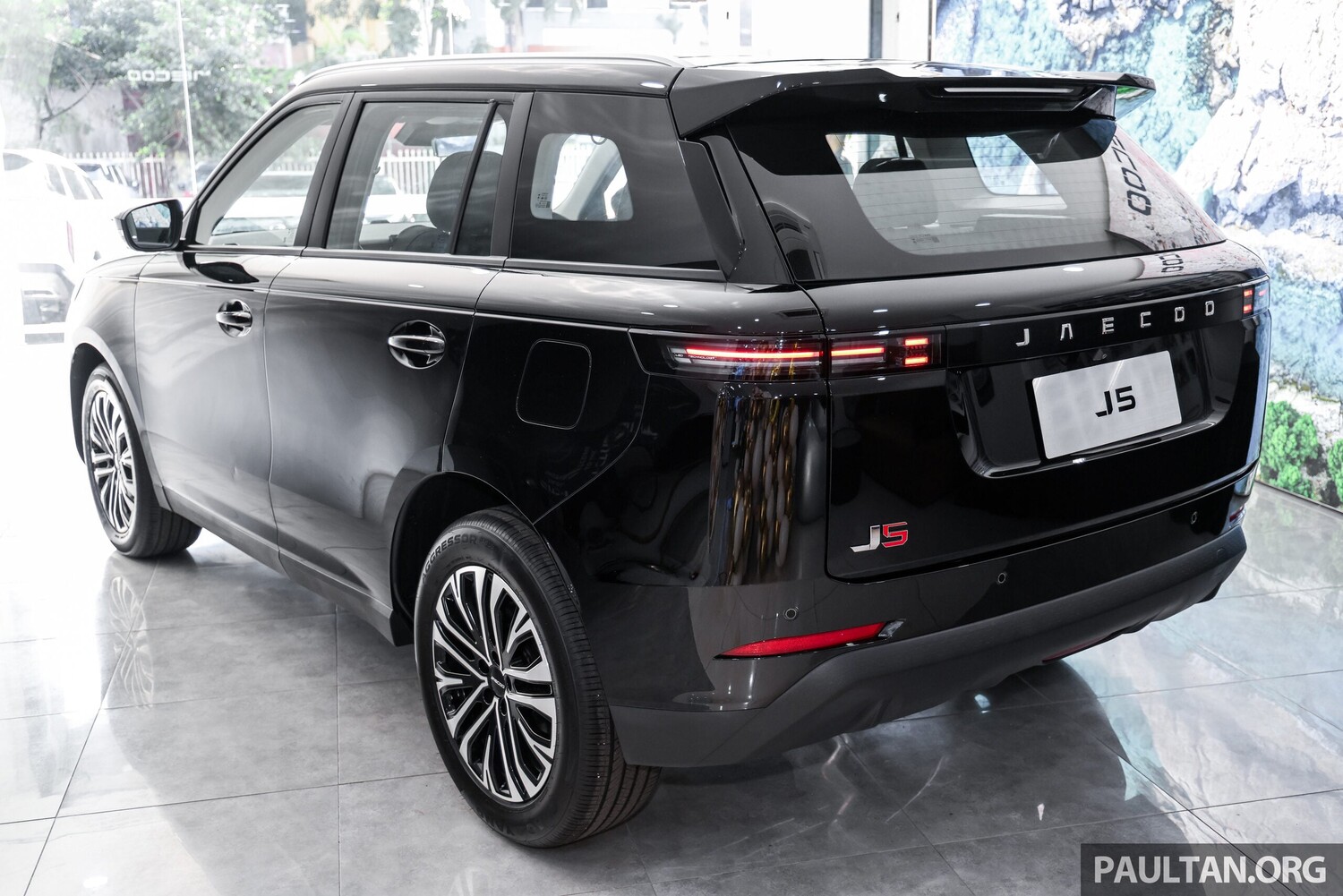
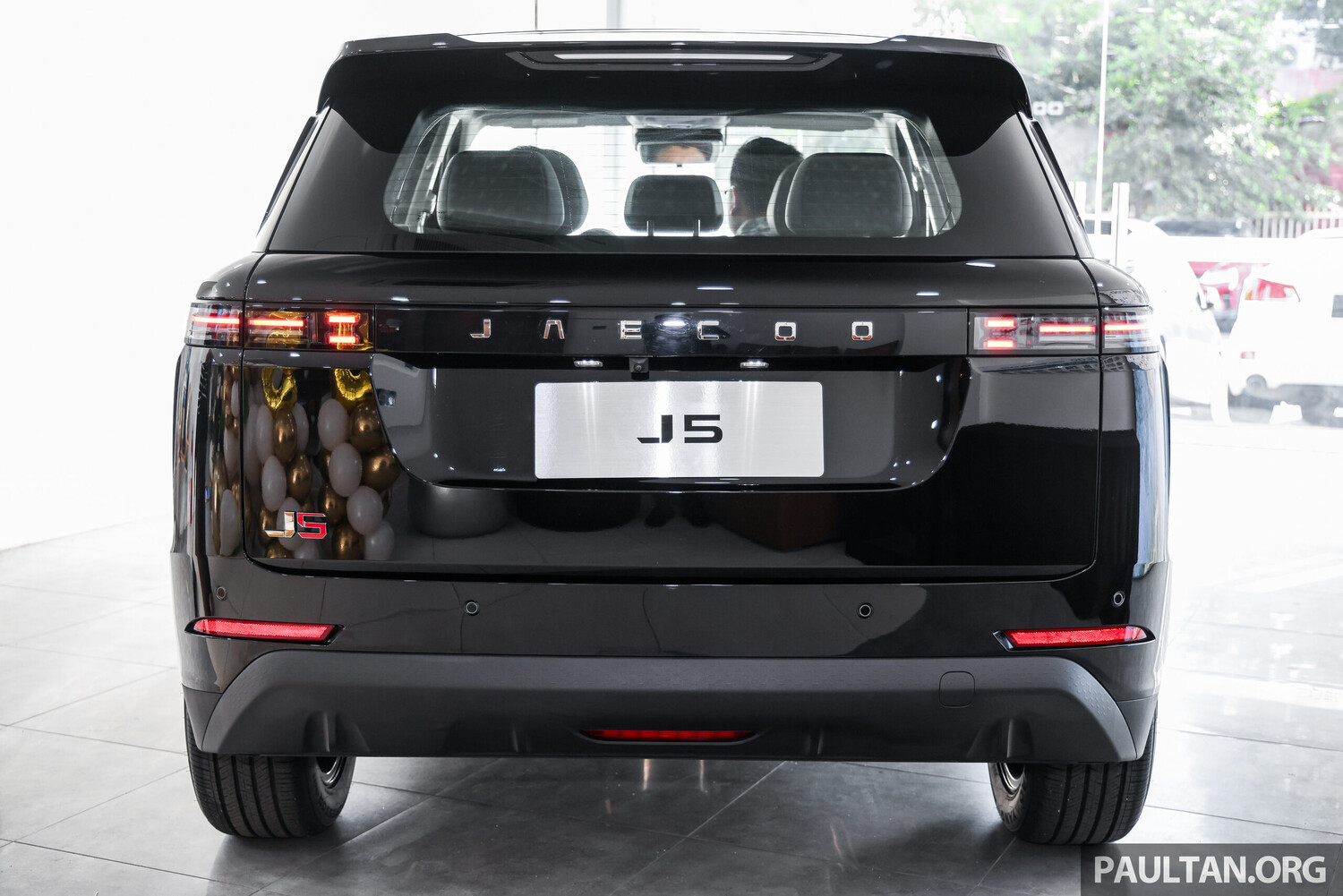
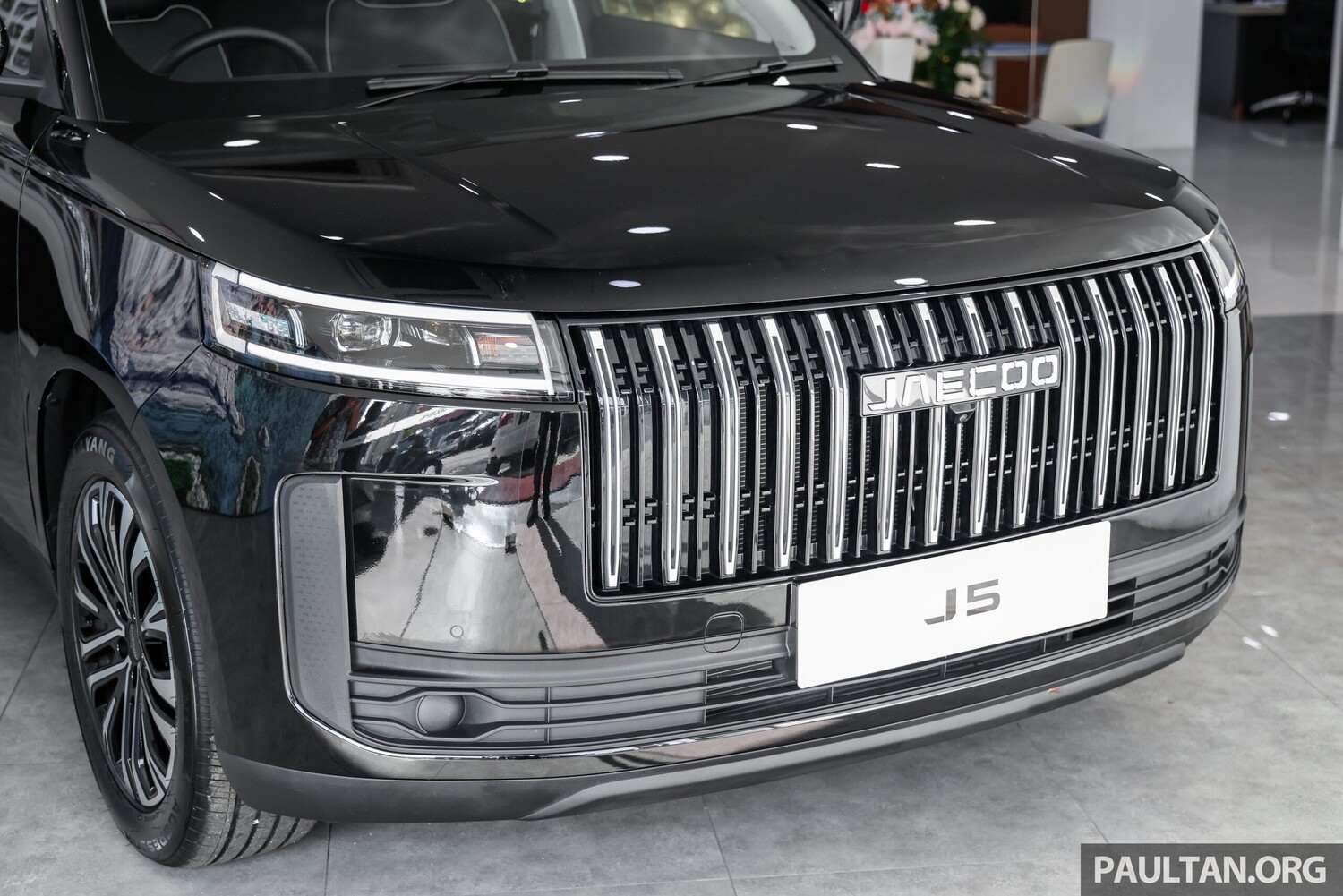
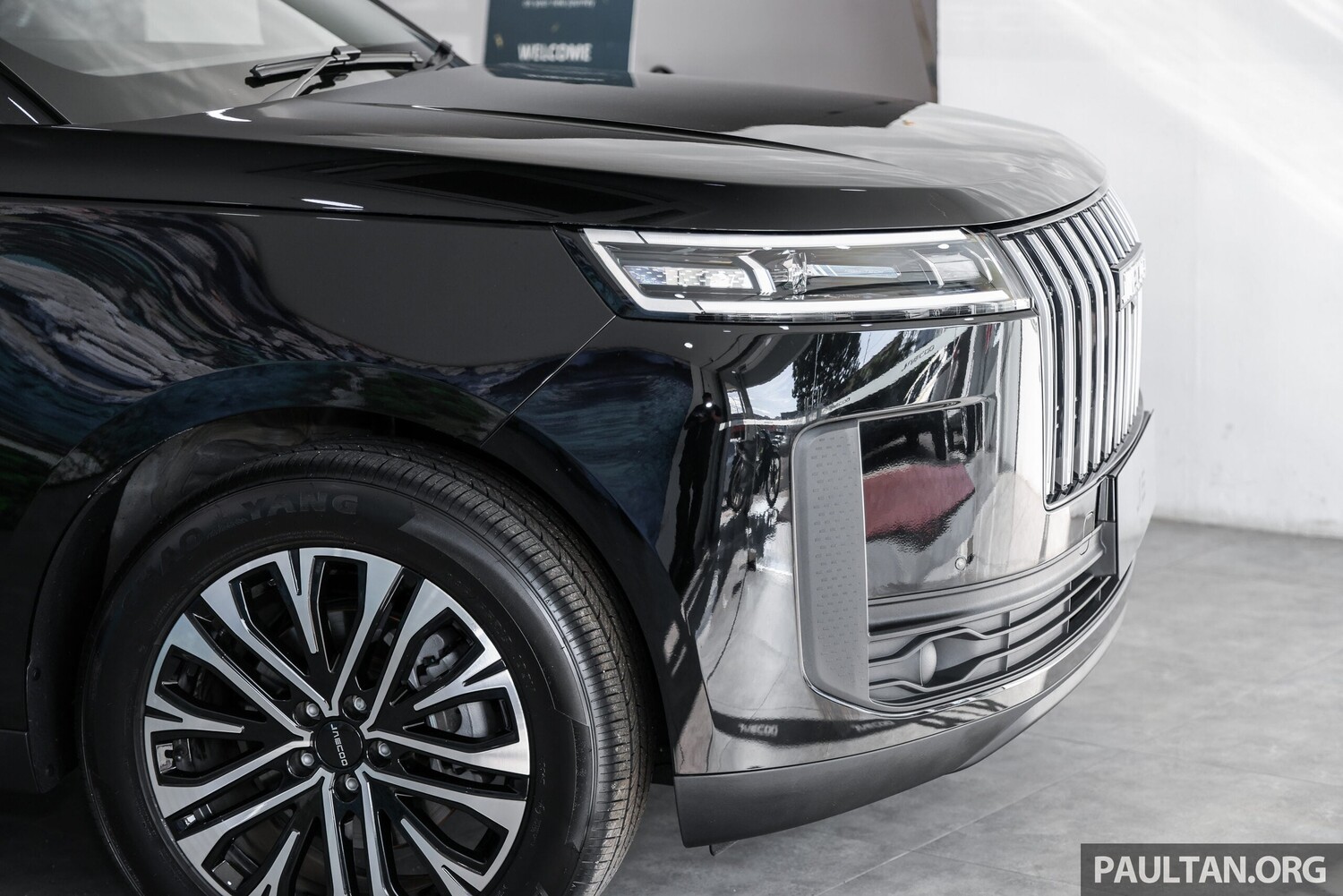
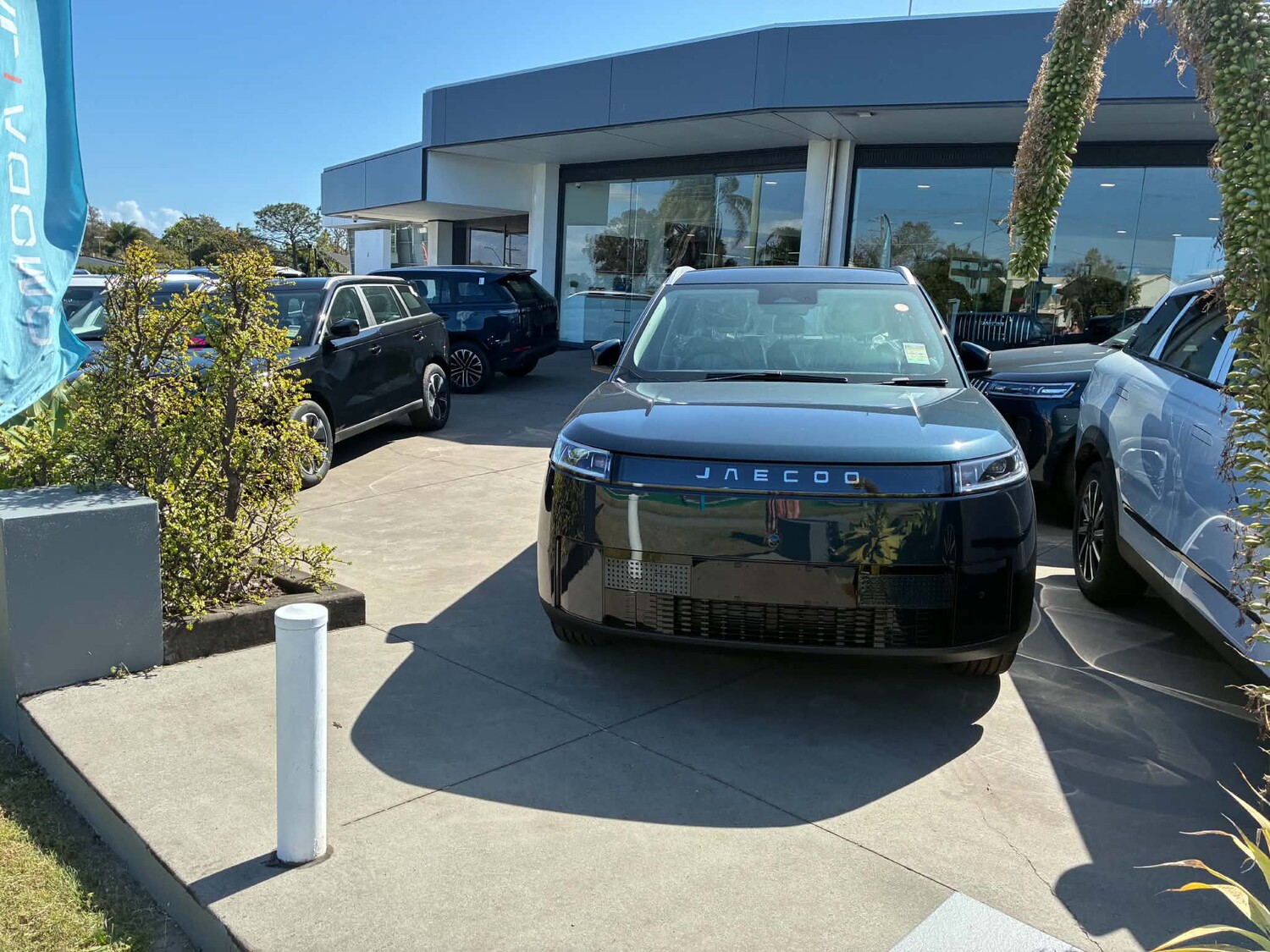
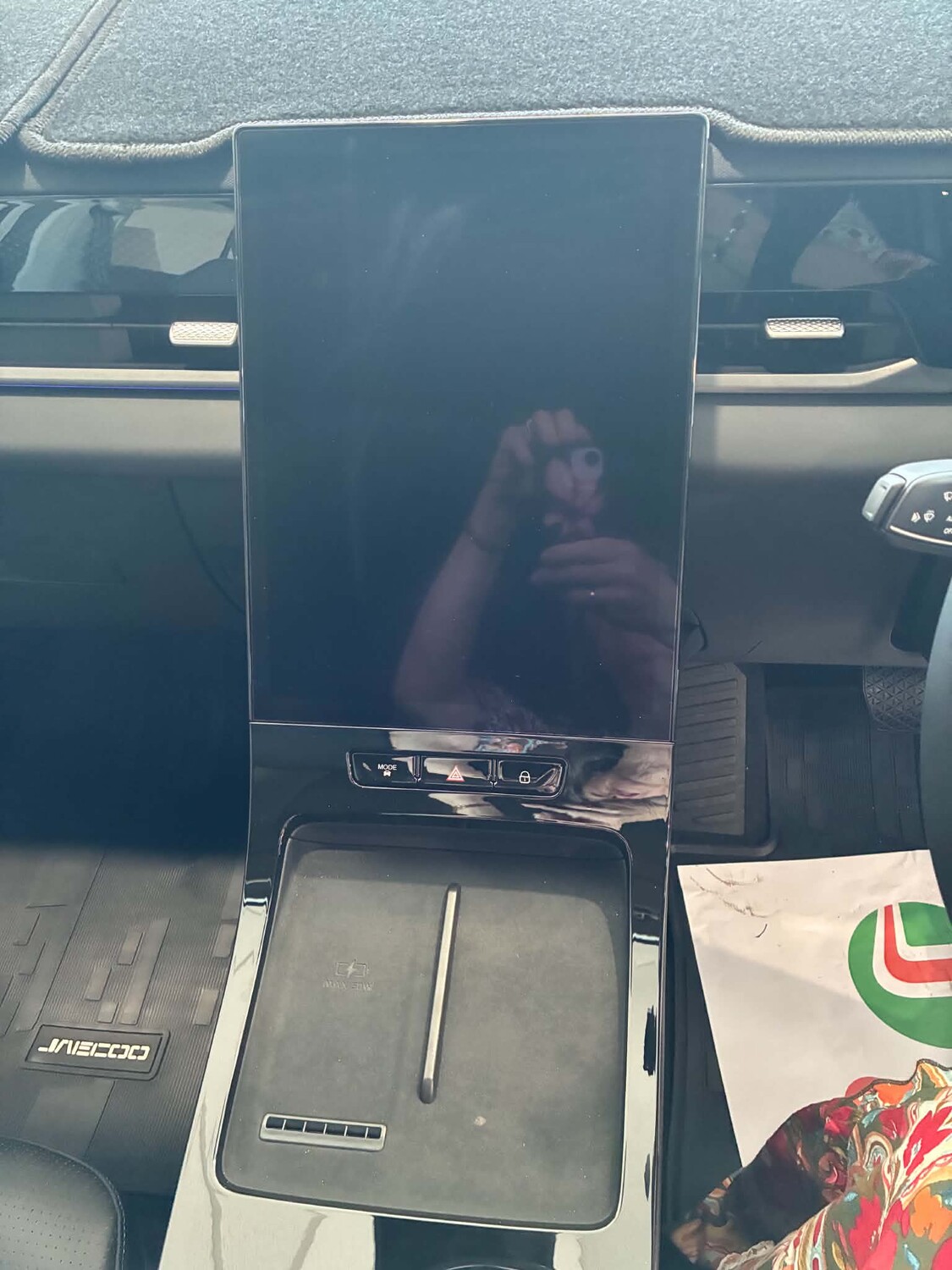
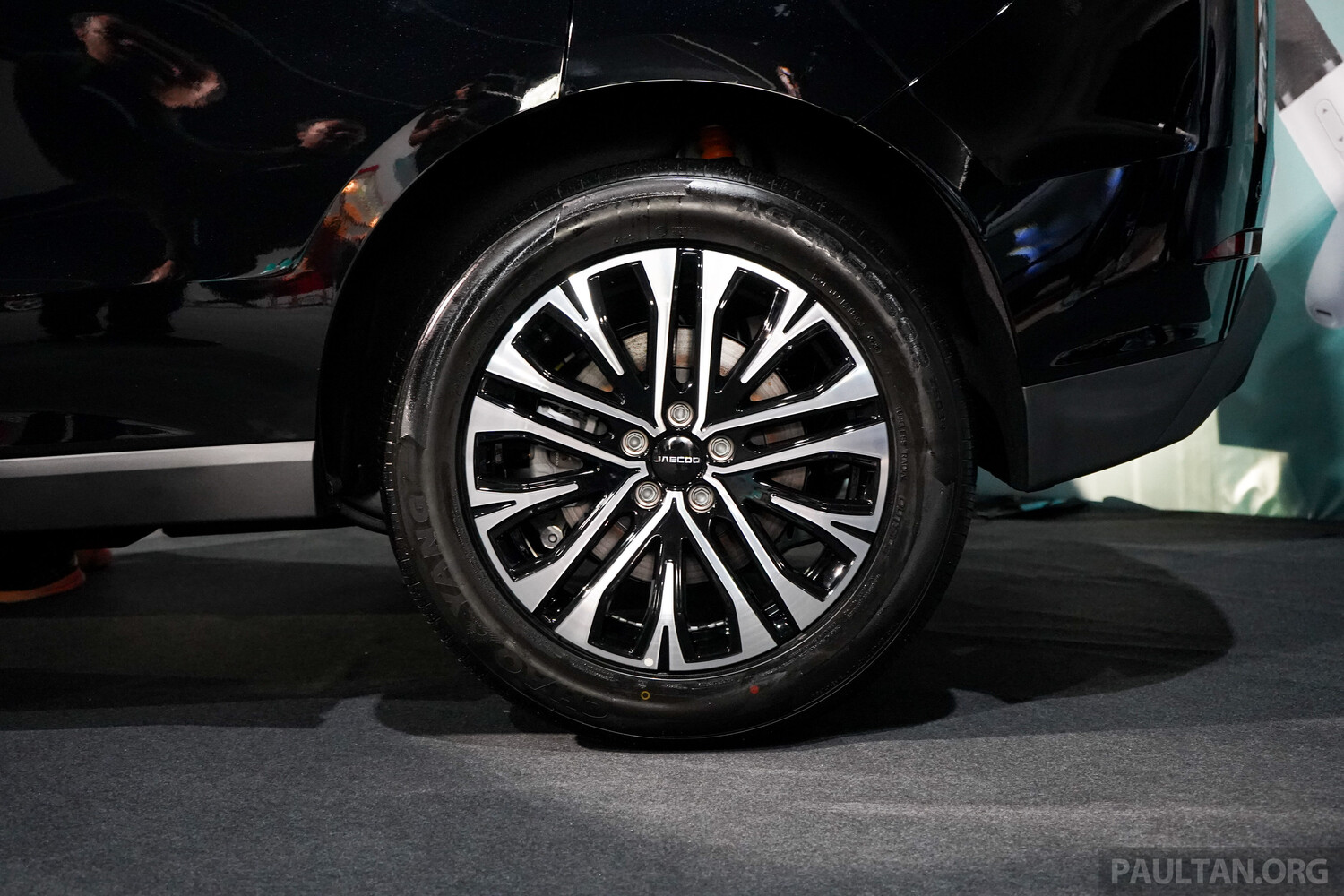
On November 4, a Jaecoo J5 EV lost its front-right wheel after striking a roadside curb and barrier in Central Jakarta, Indonesia. Jaecoo Indonesia attributed the separation to the impact following a technical inspection, rather than a product defect. We covered the incident in our report on the Jaecoo J5 EV wheel separation in Jakarta.
The Tiggo Cross collision also follows regulatory action involving the Omoda 5 in Malaysia. In October, the country’s Road Transport Department (JPJ) temporarily suspended Vehicle Type Approval (VTA) for the affected pre-facelift petrol model, preventing new registrations under that approval pending an investigation and safety assessment. Chery subsequently announced an inspection and replacement campaign covering 8,878 Omoda 5 C and H vehicles.
On November 6, China’s State Administration for Market Regulation (SAMR) announced a separate recall covering 53,882 Chery Tiggo 5x and Omoda-series vehicles manufactured between June 6, 2022, and December 31, 2023. The recall concerns potentially insufficient welding at the connection between the rear axle trailing arm and its sleeve. Under extreme conditions, the joint could fail and compromise rear-wheel control.
The Chinese recall takes effect on November 27, 2026. Chery will inspect the affected production batches and replace rear axles identified as belonging to the defective batch free of charge. Not all 53,882 vehicles have been confirmed to contain the affected components.
The Malaysian and Chinese campaigns concern rear-axle manufacturing issues, unlike the collision-related wheel separations reported in Indonesia and Malaysia. The available information does not establish a common technical cause between these incidents.
The Omoda 5 failures also prompted Chery Chairman Yin Tongyue to apologise to Malaysian authorities.
For Chery, the latest collision adds to an increasingly crowded sequence of regional vehicle-quality headlines, even though the Tiggo Cross incident has not been independently linked to the Omoda 5’s manufacturing defect.