Buying a brand-new car is now cheaper than buying used as a wave of Chinese marques triggers a price war so fierce it has plunged Australian dealerships into their first quarterly loss since the global financial crisis.
Australia’s peak dealer association is now demanding a freeze on new brands, branding the market “unsustainable”.
And as families battling high interest rates are snapping up the bargains, motoring experts warn the true cost of owning a cut-price car – electric or petrol – goes well beyond the sticker price.
Why so cheap?
Chinese brands represented about 20.4% of the new car sales last year, and within the next 10 years will control 58% of the market, the Australian Automotive Dealers Association forecasts.
James Voortman, CEO of the Australian Automotive Dealers Association, has called for a freeze of new auto brands entering the market. Pic: Jamila Toderas, as appeared in The Australian
A domestic price war in China, combined with its manufacturing might and free trade agreement with Australia, has sent a wave of affordable cars hitting our shores.
AADA chief executive James Voortman said this had created “unfettered access” and it must stop. “There are simply too many manufacturers operating in this market and we need a pause on further car brands entering this market,” he said.
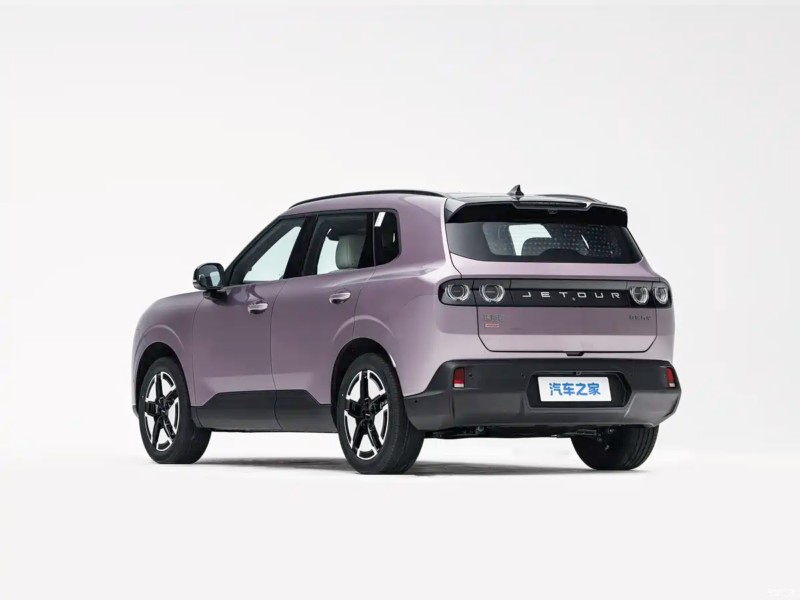
Carsales data services director Ross Booth said a used 2023 Kia Sportage was now more expensive than a new Chery Tiggo 7, which is priced from $29,990.
“In every segment now we have a new Chinese vehicle that is cheaper than a three-year-old equivalent used traditional vehicle,” he said.
“If you’re buying a new car at the moment, there is a lot of choice, and you just need to do your research on what you feel comfortable with.”
RACV motoring editor Terry Martin also recommended spending more time looking at “the bigger picture”.
“You want to feel confident that the brand is going to be there for you over a long period – not just for the sale,” he said.
Warranty and serviceability
New Chinese brands have offered multi-year warranties – MG up to 10 years – in an attempt to allay buyers concerns about longevity.
Martin said there was no reason to expect that any brand selling new vehicles in Australia won’t honour all the terms and conditions required by law.
But there is a caveat.
“How well they’re able to do that, and how long they take to fix a car, is much more difficult to ascertain, which brings us back to having confidence in a brand through the size and professionalism of its dealer network, the parts and service facilities, and how well they respond to customer complaints,” Martin said.
Hidden costs?
Chinese brands have helped thrust electric vehicles into the mainstream, with affordable pricing and feature-packed technology.
RACV motoring editor Terry Martin. Pic as appeared in The Australian
But Martin said RACV encourages buyers to think about the full picture before purchasing an EV to understand the total cost of ownership – including servicing and software support, tyres and insurance – not just the sticker price.
“EV service intervals tend to be based around 12-month check-ups, despite often having a longer kilometre limit. These can sometimes be coupled with an attractive capped-price servicing program for the life of the warranty, but it’s a good idea to ask for details of service pricing beyond that period,” he said.
“Like any major purchase, it’s important to understand what’s included in your insurance cover. For example, it may be a good decision to consider cover that includes the smaller 12-volt battery in the EV – which is separate to the main high-voltage battery – and any accessories you might add to the car. Most EVs also don’t come with a spare tyre so it’s good to have a contingency or make sure you’ve got roadside cover.”
Carsales data services director Ross Booth. Pic as appeared in The Australian
Range anxiety?
Martin says buyers need to look at the fine print when assessing range claims.
“If you regularly take longer trips, then look for an EV that has a driving range that will reduce the number of times you’ll need to stop to recharge the battery,” he said.
“Highway driving saps an EV’s range, so keep that in mind when looking at the carmaker’s claimed range figure. This figure is based on a laboratory test and includes city driving patterns, where EVs are most efficient.”
What about depreciation?
Chinese-made cars in specialised folding vehicle racks in preparation for loading onto ships for export, at Suzhou Port, in China’s Jiangsu province. Pic: AFP, as seen in The Australian
A Chery Tiggo 7 will lose about 25% of its value in the first year of ownership – more than equivalent established brands – according to Carsales data. But Carsales data services director Ross Booth cautions buyers about getting too worried about depreciation.
“If it was all depreciation, everyone would be driving a white Toyota,” he said.
“People shouldn’t be buying a new car based on a depreciation percentage. If I’ve got one $30,000 car at 25 per cent in the first year, and I have a $50,000 car at 20 per cent, which one are you losing more money over? It’s actually the $50,000 car.