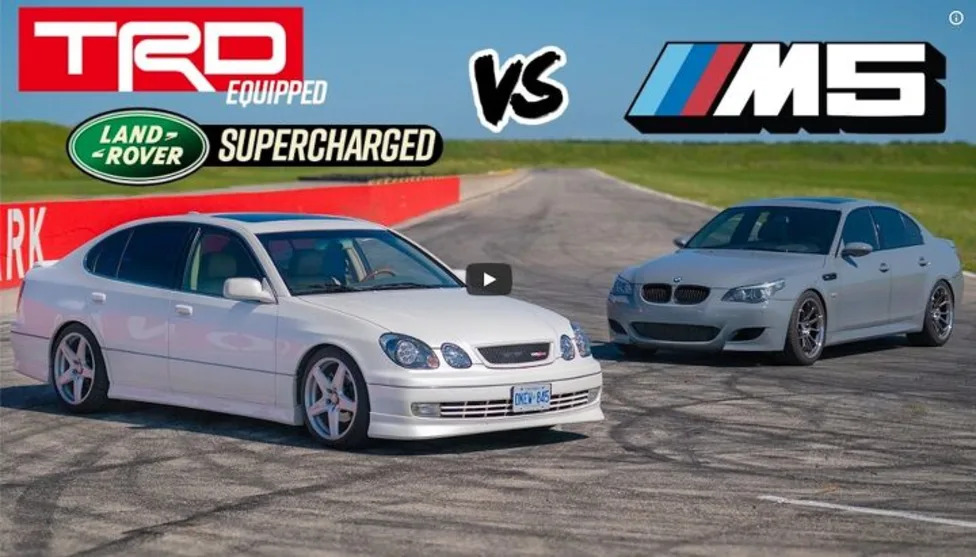
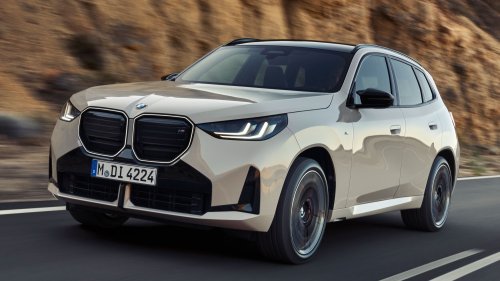
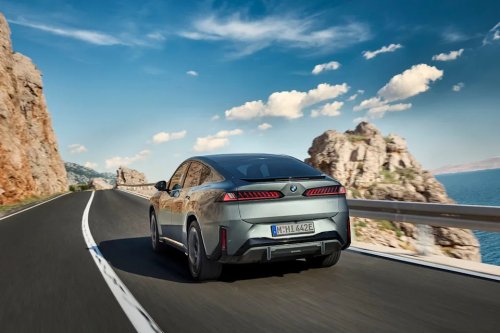
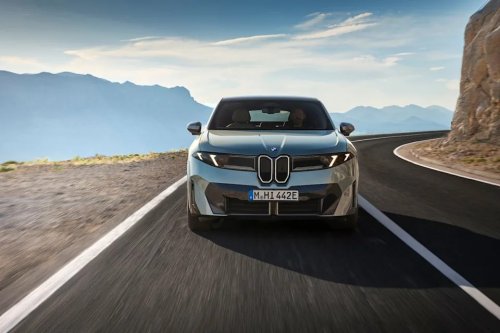
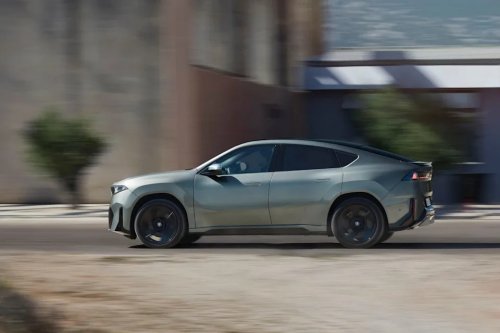
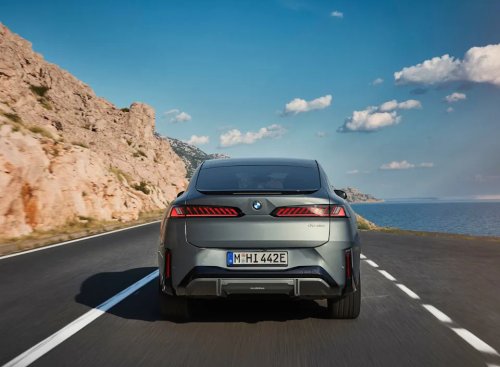
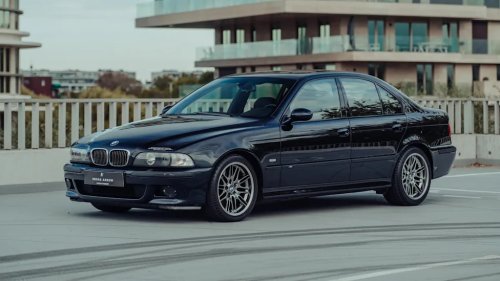
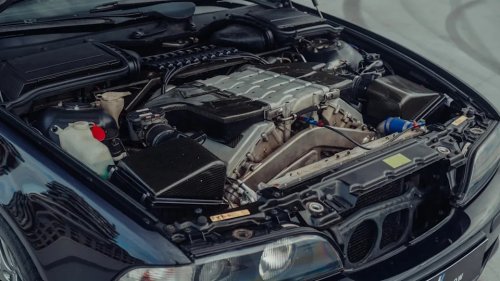
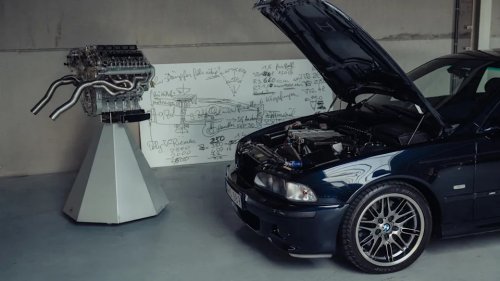
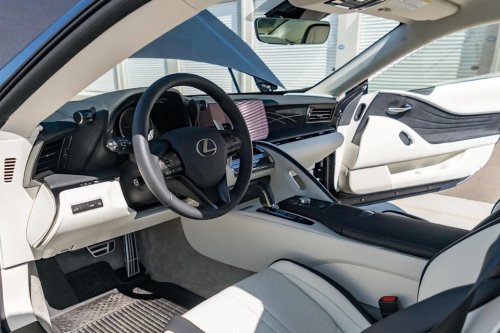
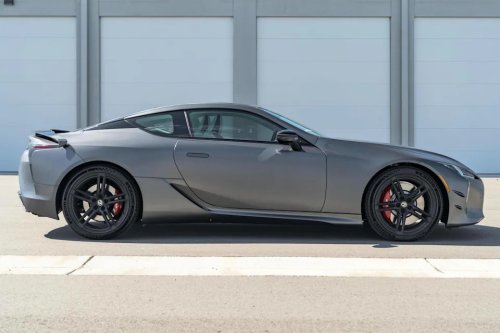
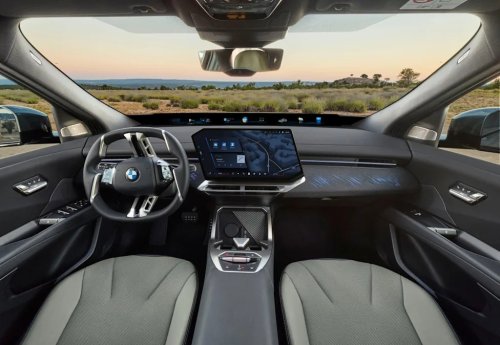
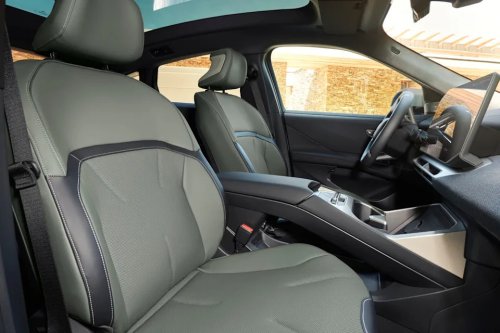
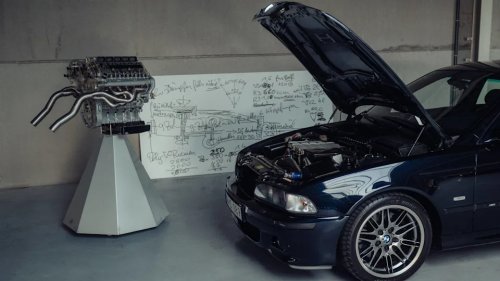
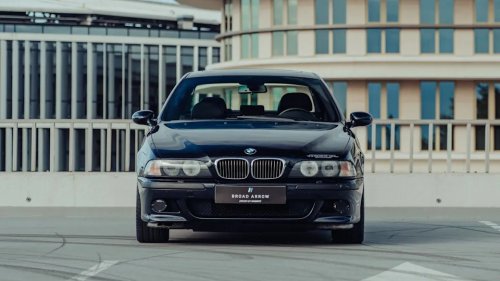
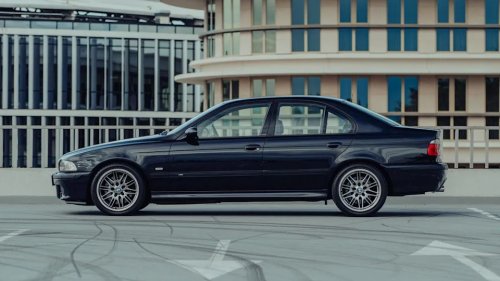
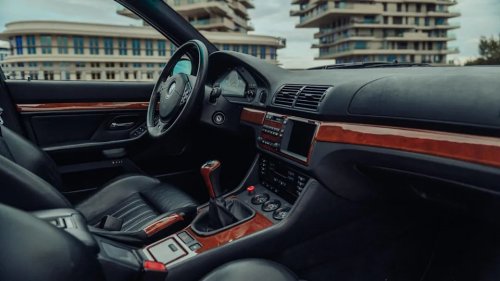
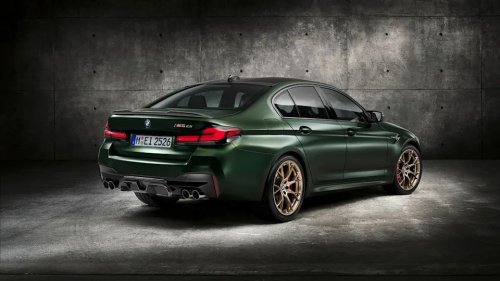
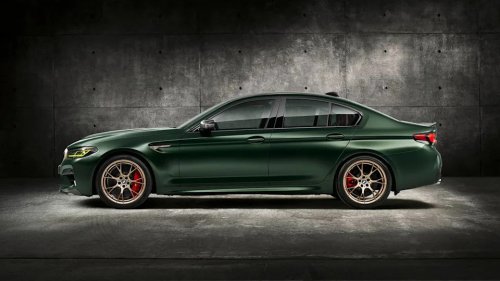
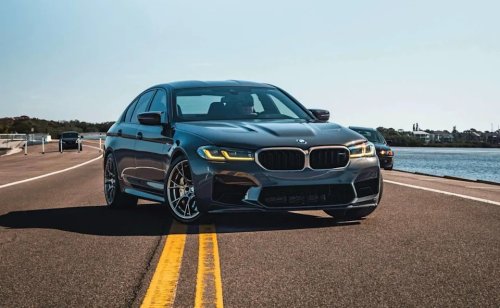
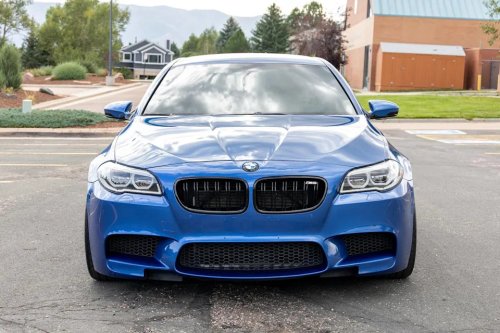
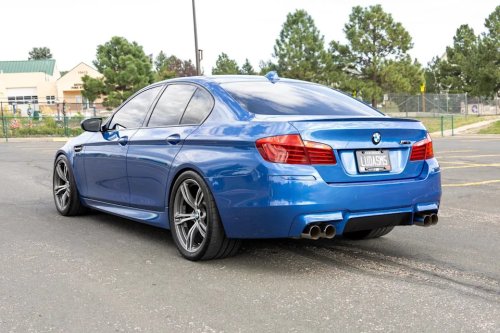
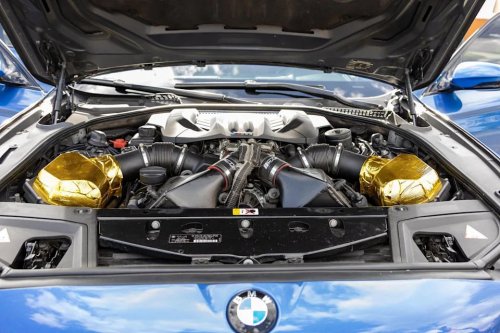
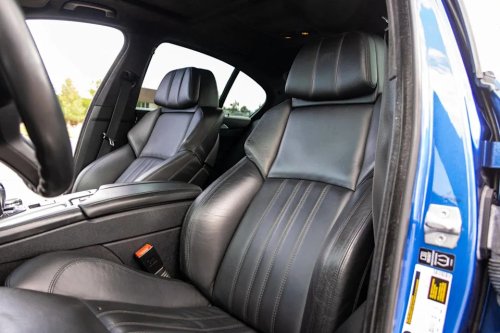
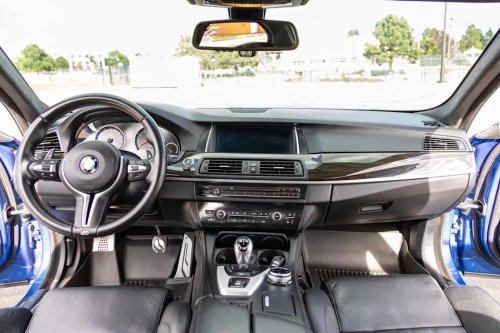
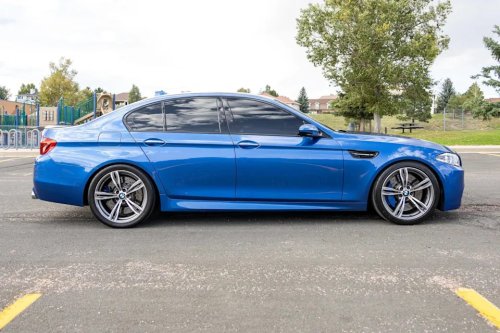
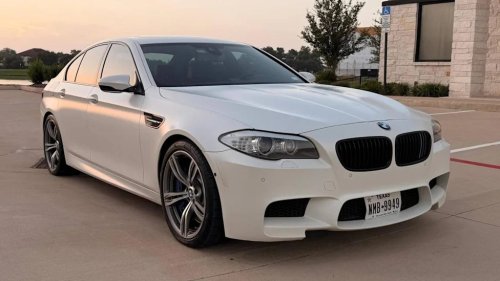
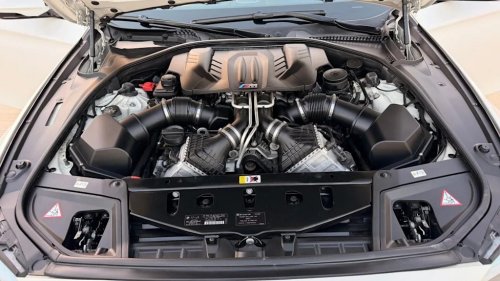
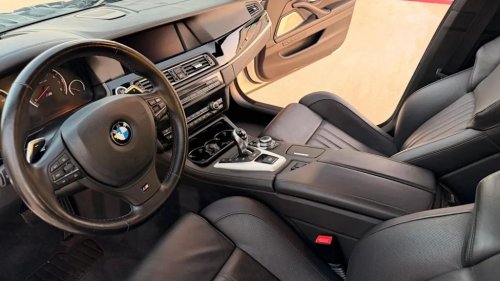
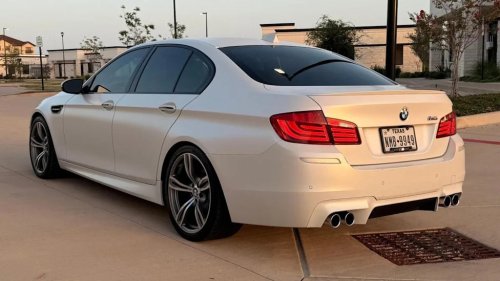
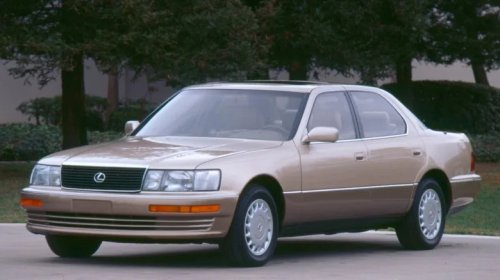
can a supercharged lexus beat a 500 hp bmw m5After wrapping up the supercharged 2001 Lexus GS 430 build, the Speed Academy pits it against an earlier build, the BMW M5.Speed Academy is a website and YouTube channel based on making things go fast and enjoying cars. Peter Tarach and Dave Pratte are the forces behind Speed Academy.The TTAC Creators Series tells stories and amplifies creators from all corners of the car world, including culture, dealerships, collections, modified builds and more.AdvertisementAdvertisementAn AI-produced summary of the transcript, edited by a staffer, is below.[Image: Speed Academy/YouTube Thumbnail]Become a TTAC insider. Get the latest news, features, TTAC takes, and everything else that gets to the truth about cars first by subscribing to our newsletter.SummaryThis transcript follows an automotive shop as the team prepares and completes a Lexus GS430 vs. BMW M5 build-off, while also discussing several future projects and engine swaps.Main pointsProject-car lineup: The shop is juggling several projects, including an '86 Toyota that is slated for a K-swap, an E61 BMW wagon that could eventually receive an M5/V10 engine, and an E90-era? 2011 Cadillac CTS-V with a rare manual transmission. The CTS-V is described as a long-sought American muscle sedan and is expected to become a future video-series project. Honda Fit project: The team plans a two-part build on a Honda Fit, first turbocharging the stock engine and then replacing it with a Honda K-series engine. The goal is to compare how the two setups deliver power. K-swap business: The shop announces that it is a Canadian distributor for KP Power Industries, offering swap kits for vehicles including E36 and E46 BMWs, Toyota 86/FR-S/BRZ models and various Mazda Miatas. It is stocking popular kits and will handle importing, customs and brokerage for Canadian customers. GS 430 problems: A major portion of the transcript deals with a Lexus GS 430 experiencing problems with its knock sensors. Both sensors were showing errors, leading the team to investigate the wiring harness rather than immediately replacing the sensors. The harness runs through the engine's extremely hot V area, making heat damage a likely culprit. Repair approach: Because the knock-sensor wiring is integrated into a larger harness and access is difficult with the existing supercharger setup, the team considers moving the blower rather than completely dismantling the system. Eventually, they develop a workaround involving cutting and splicing the knock-sensor wiring into the appropriate connector. Dyno results: After tuning, the modified GS 430 produces approximately 420 wheel horsepower and 312 lb-ft of torque. The team is pleased with the result and particularly impressed with the sound of the naturally aspirated V10-powered BMW involved in the comparison. Reliability vs. performance: One of the more interesting discussions centers on the difference between the two cars. The modified Lexus offers substantial performance for considerably less money than building an M5 to the same level. However, the BMW's potential maintenance costs are a major concern. The speakers point out that while these high-performance German cars can run extremely well, repairs can become expensive quickly. Build-off conclusion: The M5 vs. GS 430 build-off ends with the team declaring both cars winners. The M5 offers the excitement and sound of its V10, while the GS 430 is portrayed as the more relaxed, usable choice that can still deliver plenty of performance. The participants ultimately have different preferences rather than identifying a definitive winner. AdvertisementAdvertisementOverall takeawayThe transcript is less about simply determining which car is faster and more about two different approaches to building a high-performance sedan. The BMW M5 represents factory-engineered performance and the intoxicating character of a V10, but with potentially significant maintenance costs. The Lexus GS 430 represents a more unconventional - and potentially more affordable - route to performance.At the same time, the episode sets up several future projects, particularly the CTS-V, Honda Fit turbo/K-swap, Toyota K-swap and E61 BMW, suggesting the shop has a substantial lineup of performance builds planned.