European automotive suppliers are set to benefit from an influx of Chinese carmakers, thanks to growing demand for electric vehicles (EVs) and persistent local protectionism, according to Vulcan Energy Resources, a lithium and renewable energy producer in Germany.
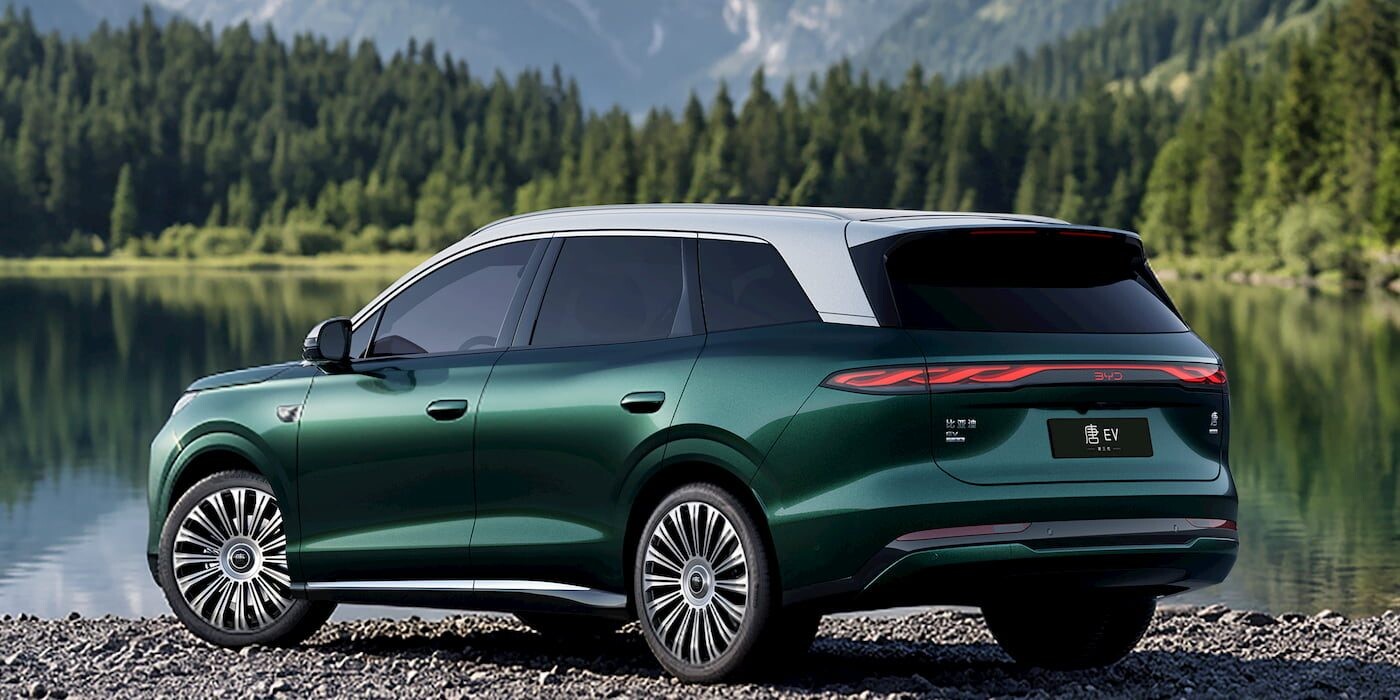
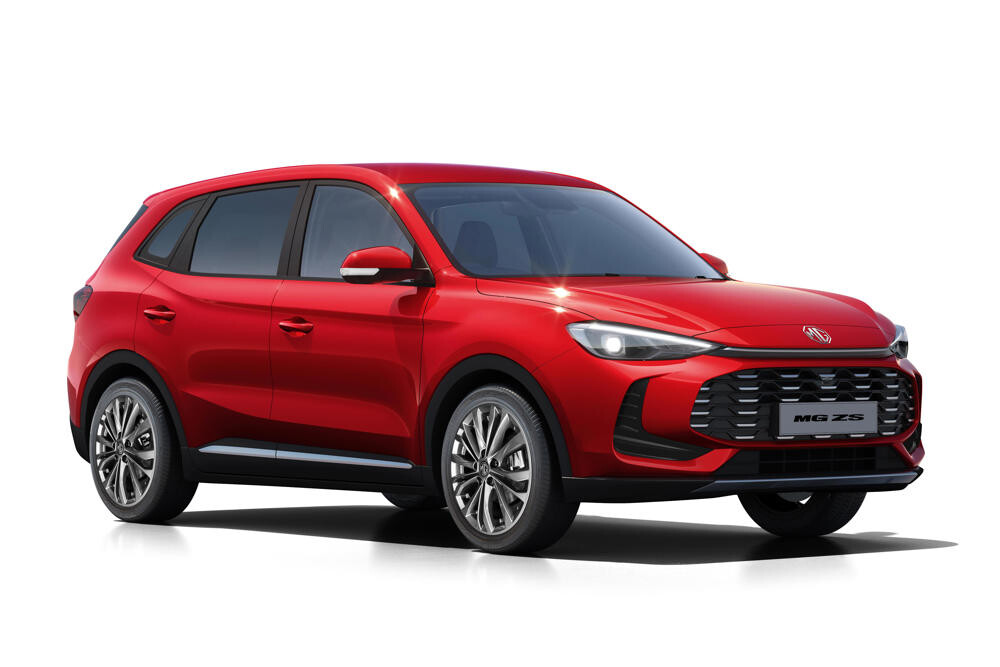
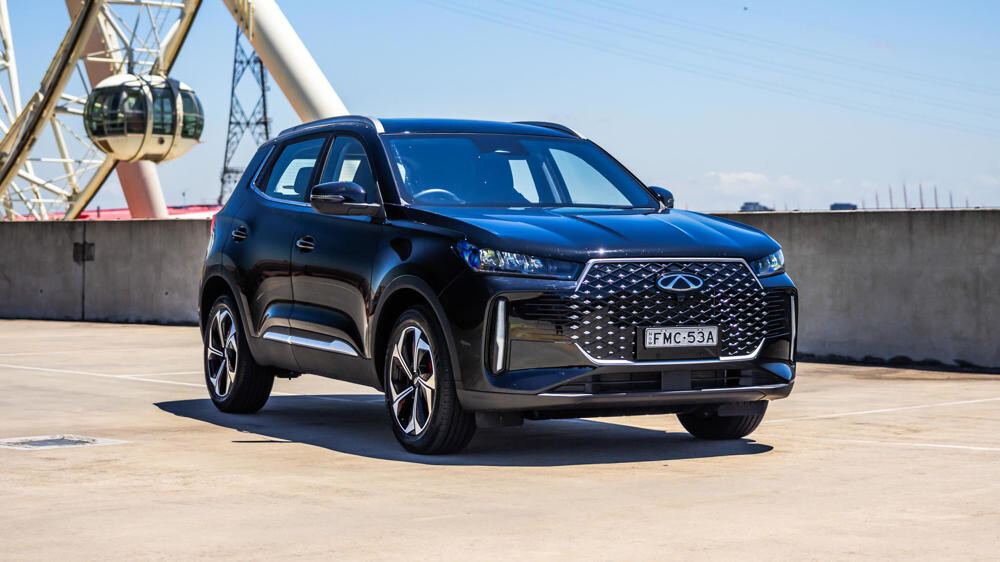
Chinese EV makers – from BYD to Xpeng – are planning to aggressively expand into Europe in search of higher profit margins, even as Brussels advances measures to protect local manufacturing amid a slower pace of electrification.
On Friday, the China Association of Automobile Manufacturers, a government-backed industry consortium, described certain terms in the proposed Industrial Accelerator Act as “systematic discrimination”. In March, the European Commission outlined potential restrictions on foreign investors, including capping foreign investment at 49 per cent, requiring that at least half a firm’s workforce be European and mandating technology-sharing provisions.
But Francis Wedin, executive chair at Vulcan – an Australian company developing a lithium-brine project in Germany – said Chinese carmakers would bring opportunities to local supply chains, spanning automotive parts and batteries to raw materials such as lithium.
“On the downstream side – like batteries and EVs – Chinese entry is a massive opportunity for Europe because China is the clear leader in technology and production costs,” Wedin said. “The trade-off is that they must form local joint ventures with European companies to protect domestic champions.”
To cut costs, European carmakers ranging from Volkswagen to Stellantis have partnered with Chinese companies in car manufacturing, autonomous driving and R&D. Renault, despite having no direct sales in China, set up a research and development centre in Shanghai that helped halve the production time of its Twingo model to 21 months.
Leapmotor Technology – a Chinese partner of Stellantis – had also observed a growing shift towards European suppliers serving Chinese carmakers, as only Chinese firms with solid funding were able to afford offshore investments, said Michael Wu, co-president of the Hangzhou-based firm, at an event on May 19.
Though new car sales in Europe remain below pre-Covid levels, EVs have become a bright spot amid the energy crisis from the Iran war.
The International Energy Agency estimated that regional sales jumped 30 per cent year on year in the first quarter to 1.2 million units, bucking declines in China and the United States. It projected that European EV sales would reach 5 million units this year, up 19 per cent from one year ago.
Wedin at Vulcan said the influx of Chinese companies was also expected to generate “massive” local demand for lithium chemicals, while certain protective policies could strengthen the position of European suppliers.
He pointed to the EU’s Carbon Border Adjustment Mechanism, which is expected to extend to chemicals and introduce a border carbon tax, alongside Beijing’s own border taxes on refined lithium. Together, he added, these developments were likely to lead to “two distinct markets”.
While Europe’s measures have not yet been implemented, Wedin said tighter localisation regulations were clearly on the way, pushing international clients to favour locally made products.
Established in 2018 in Perth, Western Australia, Vulcan expects to complete the first phase of construction on its brine project in Germany’s Rhine Valley in 2028, with an estimated production capacity of 24,000 tonnes of lithium hydroxide per annum.
Though delivery is projected to start in three years, Wedin said the firm had already sold out its first 10 years of production to clients including Stellantis, LG Energy Solution and Glencore. “Location is a massive advantage,” he added.
Driven by demand for EVs and data centres incorporating battery storage, Wedin said he expected supply tightness to continue “in the next couple of years”.
In a March report, Wood Mackenzie warned that global lithium demand could exceed 13 million tonnes by 2050 under an accelerated energy transition, more than double base-case projections.