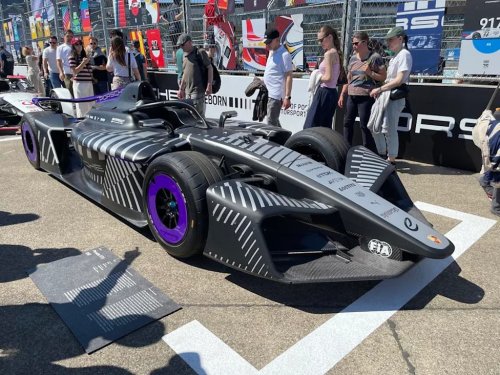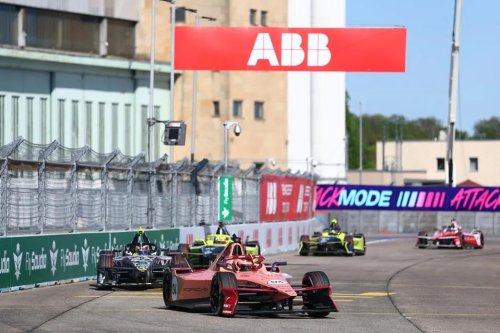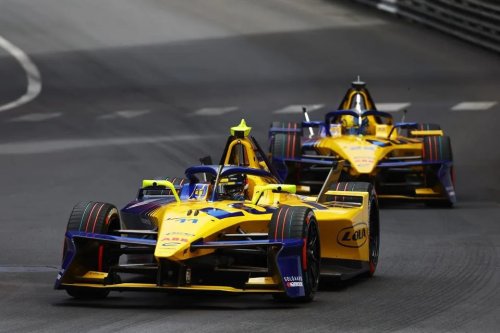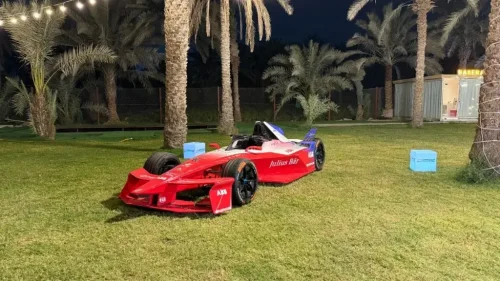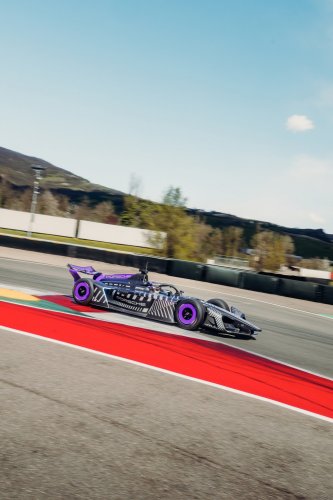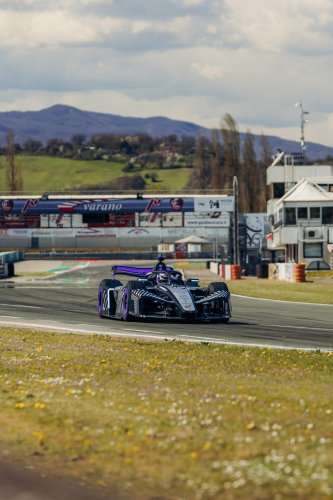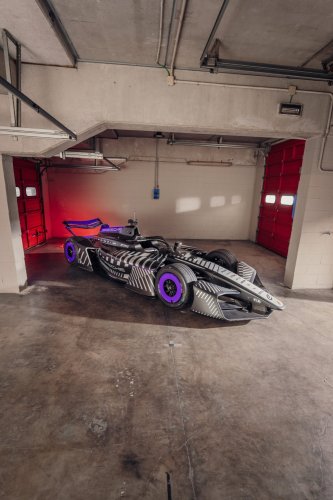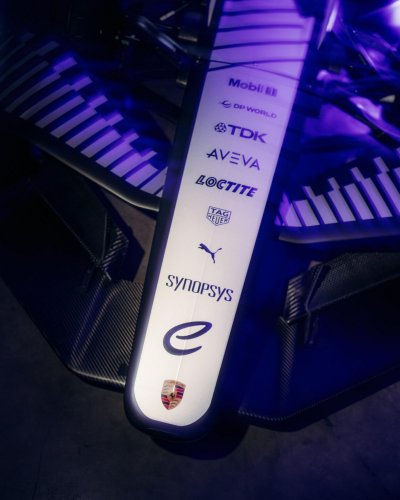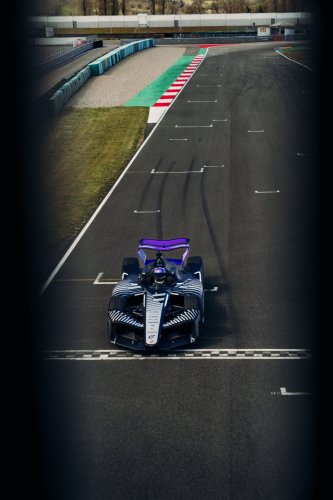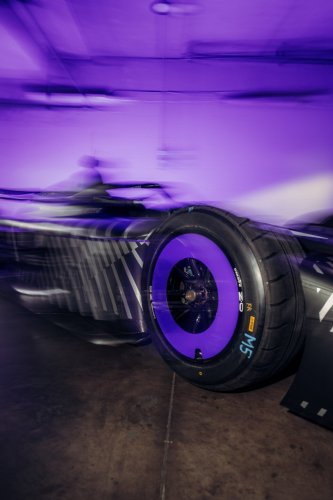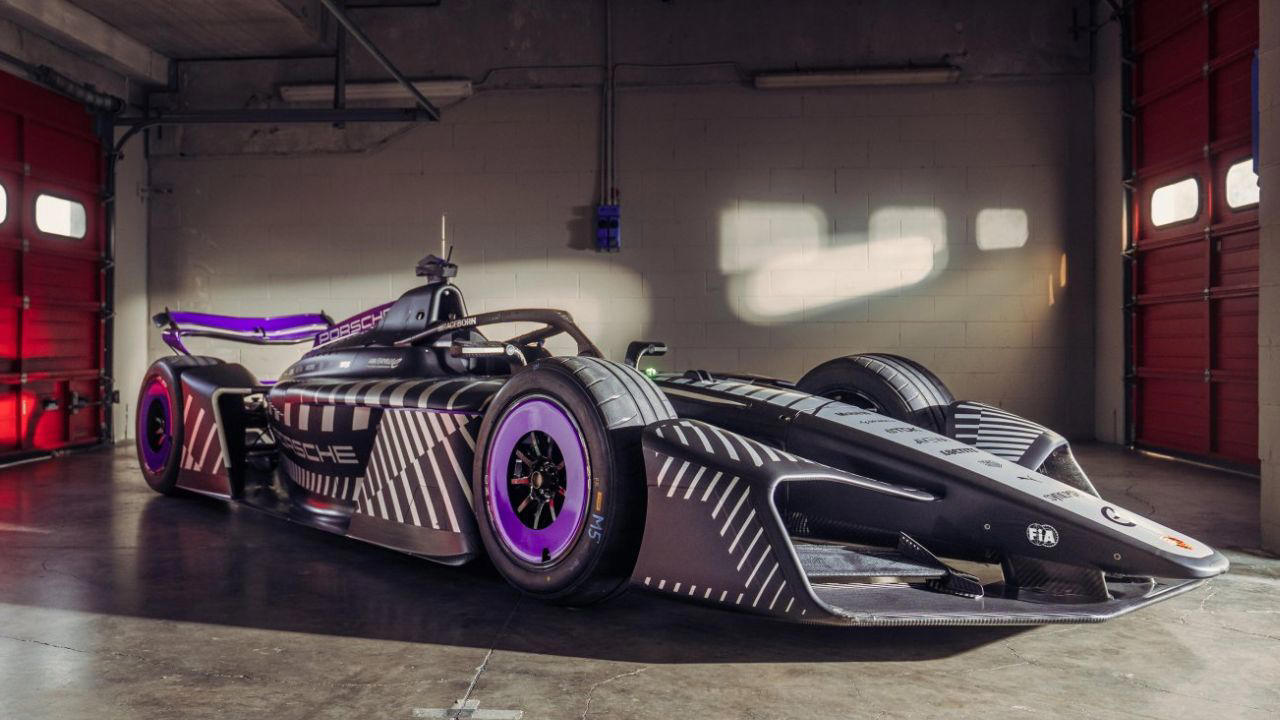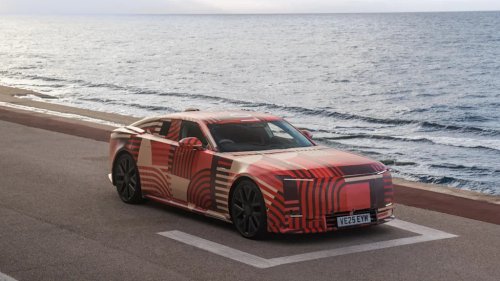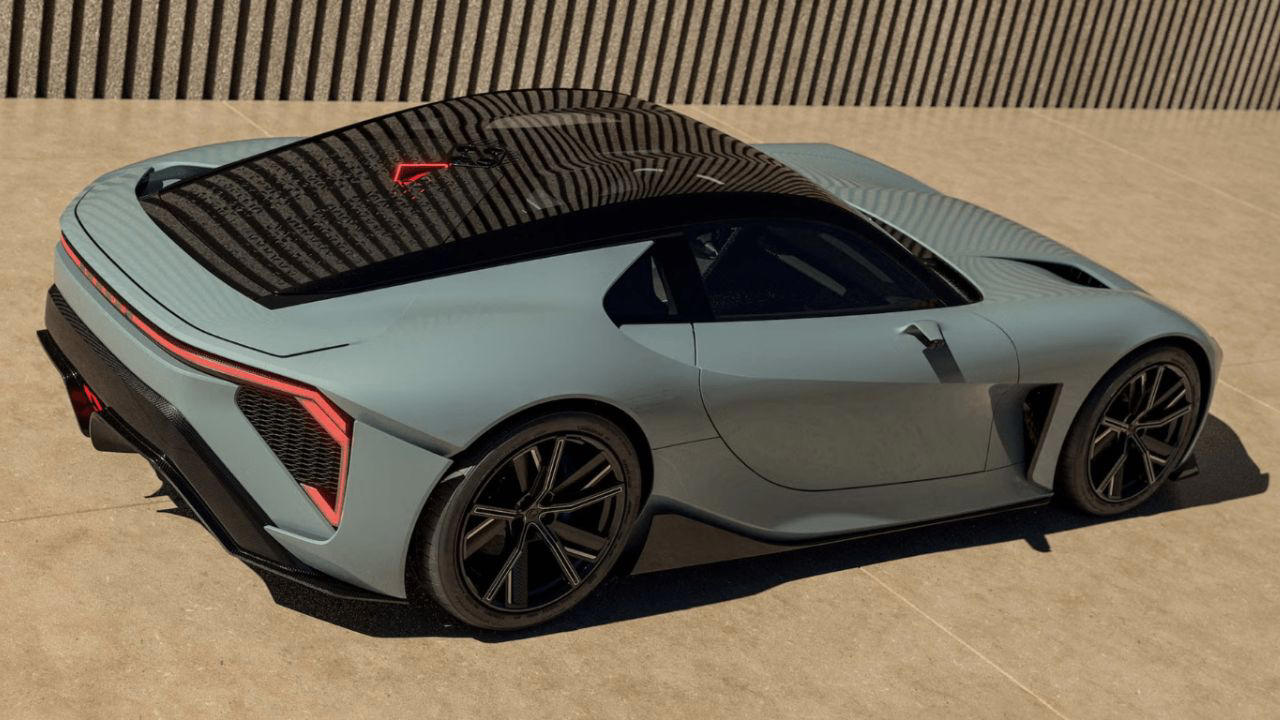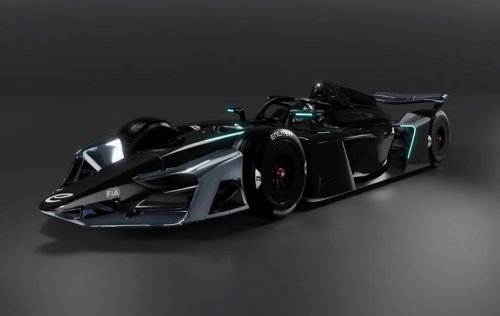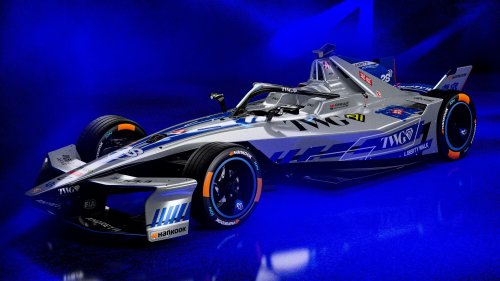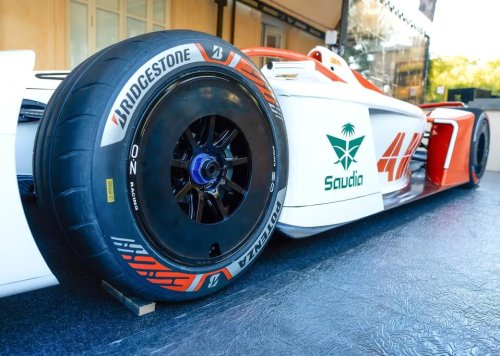
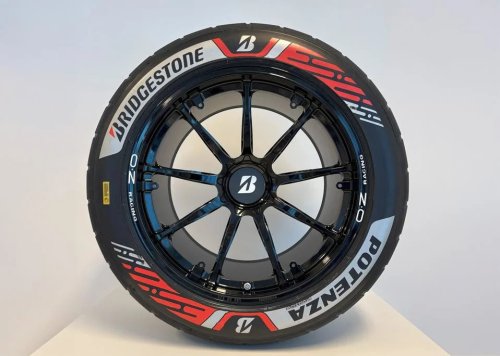
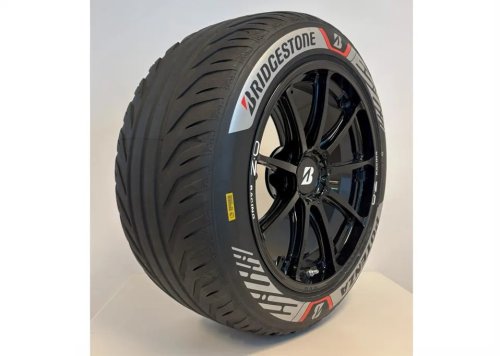
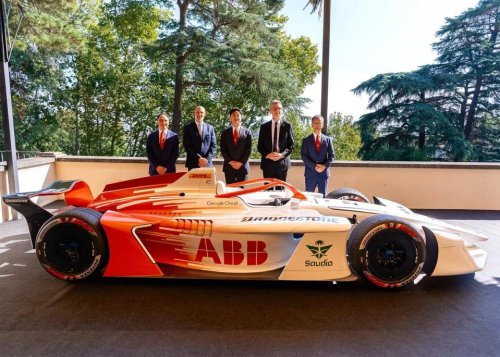



















The POTENZA GEN4 tire on the new GEN4 Formula E race car.©2026 BridgestoneBridgestone is returning to FIA World Championship competition as the exclusive tire supplier to the ABB FIA Formula E World Championship beginning with the 2026–27 season. The announcement complements the arrival of Formula E's fourth-generation race car, or "Gen4," which is designed to be the fastest and most powerful machine in the series' history.The Gen4 boasts a pure-electric, permanent active all-wheel-drive powertrain with an output expected to reach up to 600 kW (815 horsepower). The combination will deliver a 0 to 62 mph sprint in just 1.8 seconds (the new Formula E racer is quicker to the benchmark than a late-model F1). The torque and acceleration—not merely the electric powertrain—are among the series' most consequential technologies.Bridgestone's role is more than a high-profile sponsorship—it is a live, global development laboratory for a tiremaker navigating the rapid expansion of electric vehicles. Formula E gives Bridgestone repeated opportunities to study how a tire behaves under the unusually punishing combination of instant torque, heavy energy loads, high grip demands, changing weather, abrasive street surfaces, and the efficiency requirements inherent to electric racing.Formula E's ChallengesUnlike tire development for super speedways or purpose-built road circuits, Formula E races are held largely on temporary street circuits in major cities, rather than exclusively on conventional permanent racetracks. This means EV tire technology and engineering translate directly to the road-going EV tire business because a single-specification tire must work on inconsistent pavement, over bumps and painted surfaces, across a broad range of temperatures, and in changing weather—conditions that mimic public roads.The jump from a Gen3 Formula E racer to the Gen4 is significant in terms of motor output and driveline. Gen4's acceleration, high torque, and active all-wheel-drive system will load the tires much more aggressively than Formula E's current cars, and allow better all-weather performance. Bridgestone will have to manage traction without allowing excessive wheelspin, preserve control under regenerative braking, resist heat and wear through a race, and deliver predictable behavior as conditions change.As Formula E's new Gen4 framework moves away from a single all-weather tire and permits separate standard-condition and extreme-wet specifications, Bridgestone has developed two tire specifications for Gen4 race cars. The primary "POTENZA GEN4" is engineered for high grip and durability to maintain consistent performance from start to finish across varying track temperatures. It will be joined by the "POTENZA GEN4 for TYPHOON TYRE," a dedicated heavy-wet weather specification designed to evacuate extreme amounts of standing water and ensure safe, stable racing in severe rain conditions. The two tires, each with unique attributes, let teams race across a wide range of conditions—keeping fans excited for every event, regardless of the weather.Side profile of the POTENZA GEN4 race tireThe EV Tire ProblemElectric vehicles are typically heavier than their combustion-powered counterparts due to the mass of the battery packs. Electric motors also deliver maximum torque immediately, unlike combustion vehicles, which ramp up torque with engine speed. Together, these unique attributes place additional stress on tires, increasing heat and accelerating tread wear. Tire companies must engineer special sidewall construction and unique rubber compounds to meet the needs of an EV while also delivering low rolling resistance (to preserve driving range), wet traction, braking confidence, ride quality, and low noise over the life of the tire. In a nutshell, tire engineers must solve a difficult multi-variable equation.Bridgestone itself describes load and torque as particular EV-tire challenges and says its EV-oriented tire work focuses on durability and low rolling resistance. In the company's consumer portfolio, those priorities include tread compounds and construction approaches designed to improve wear resistance while helping preserve battery range.Racing Is A Mobile LaboratoryThe Formula E program has synergies with high-performance sports cars, but it will not mean that a POTENZA GEN4 race tire, or the wet-weather POTENZA GEN4 for TYPHOON TYRE, becomes a consumer showroom tire. Racing tires are engineered around a specialized rulebook, vehicle architecture, and performance envelope. However, the data, materials knowledge, manufacturing learnings and modeling methods accumulated in competition can influence the tire technologies that eventually reach passenger cars, crossovers, SUVs and commercial fleets.The POTENZA GEN4 for TYPHOON TYRE, which is optimized for very wet racing circuitsBridgestone calls motorsport a "mobile laboratory." While that phrase has become common in racing, it is especially meaningful in electric competition. Formula E offers a greatly accelerated competitive environment where engineers may observe how tires respond to extreme torque delivery, repeatable heavy braking, changing state of charge, high loads, and varied surface conditions. Driver feedback and race telemetry can help refine compound chemistry, tread design, casing construction, thermal management, and durability strategies for future EV tires.Why Being A Sole Supplier MattersBeing the sole supplier substantially raises the technical and commercial stakes. Bridgestone will equip every team and every driver in the championship with the identical product. This levels the field in terms of contact patch (grip with the road surface) while simultaneously placing the company's product under continuous scrutiny from teams, competitors, television audiences, and the wider EV industry.A single-supplier format gives Bridgestone a rare volume of comparable real-world data. Instead of evaluating one team's tire in isolation, the company can observe the same core tire technology across different driving styles, vehicle setups, circuits, climates and race strategies. The result is a broader information base for understanding performance consistency and degradation. The brand dimension matters, too. Bridgestone has deep motorsport credentials, but Formula E places the company on a platform aligned with electrification, urban mobility and sustainability—areas increasingly central to the tire industry's growth narrative.Sustainability Is Not OverlookedBridgestone is also using Formula E to highlight the Gen4 tire's sustainability credentials. The company says every Potenza Gen4 tire will have a 65% allocation of recycled and renewable materials. Those inputs include carbon black derived from pyrolysis oil made from end-of-life tires and silica derived from rice husks. Bridgestone also says it will allocate 100% renewable energy for the heat and electricity used in tire production.The company also acknowledges that while EVs eliminate tailpipe emissions, broad environmental concerns remain about the materials, energy, and durability of vehicle components—including tires. And tires (like brake pads and wiper blades) are wear items that are frequently replaced. If racing helps the company engineer a longer-lasting tire, it supports sustainability by reducing replacement frequency and material use.Bridgestone, FIA and Formula E executives in front of the GEN4 race carThe Bottom LineReturning to FIA World Championship competition as the exclusive tire supplier to the ABB FIA Formula E World Championship is a win for both Bridgestone and consumers. The tire maker will gain invaluable and accelerated insight into the unique demands of high-torque electric vehicles in a brutal racing environment, while consumers will benefit from the advanced engineering that trickles down to their daily drivers.Bridgestone's objective is to produce road tires that help everyday EV drivers travel farther, replace tires less often, and retain the confident handling expected from a premium product. That is the commercial promise behind Bridgestone's Formula E entry: motorsport relevance today, and a stronger technical foundation for electric mobility tomorrow.(Formula E says the 2026–27 season is scheduled to begin in December 2026 and run through July 2027 with 21 races.)