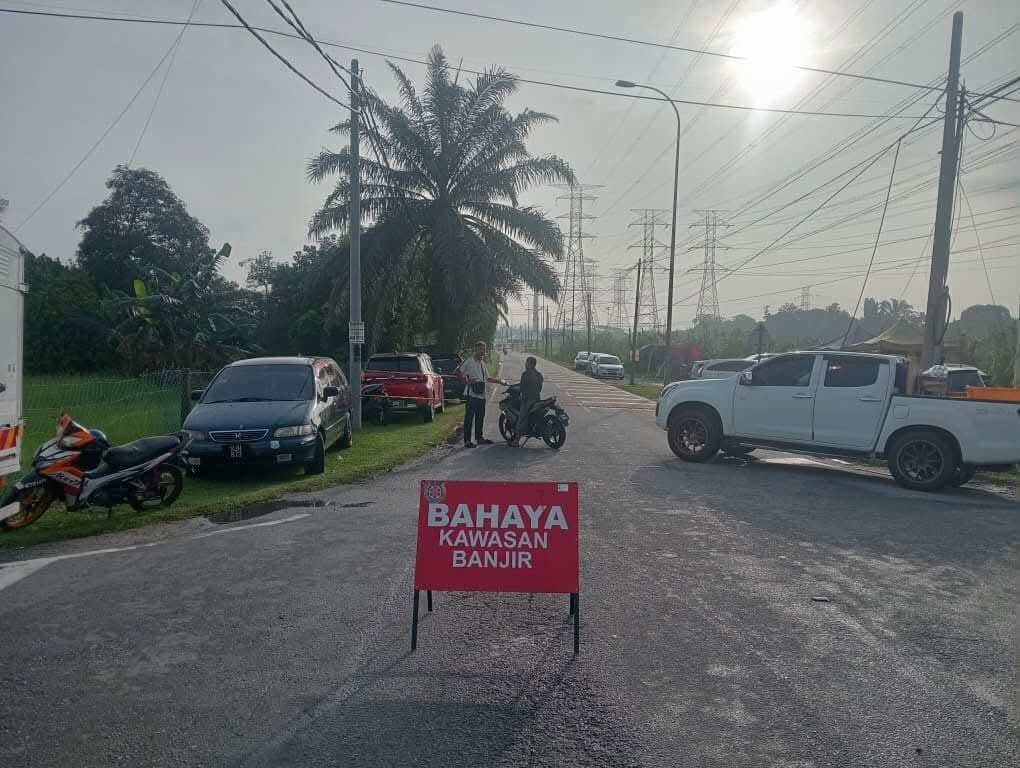
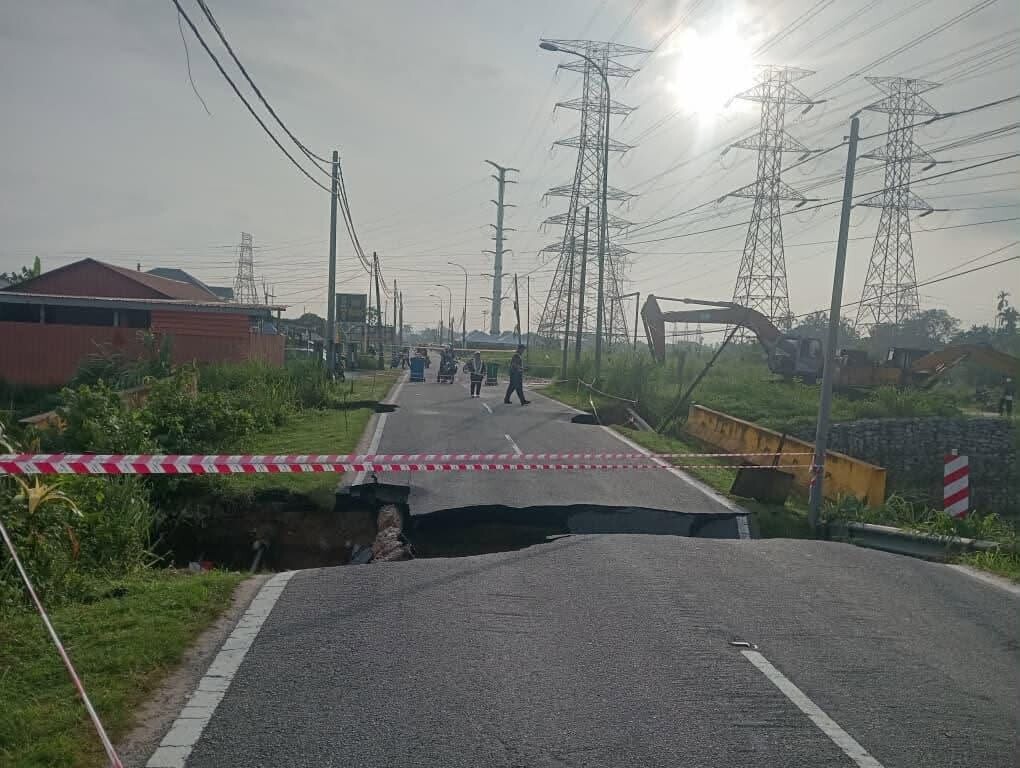
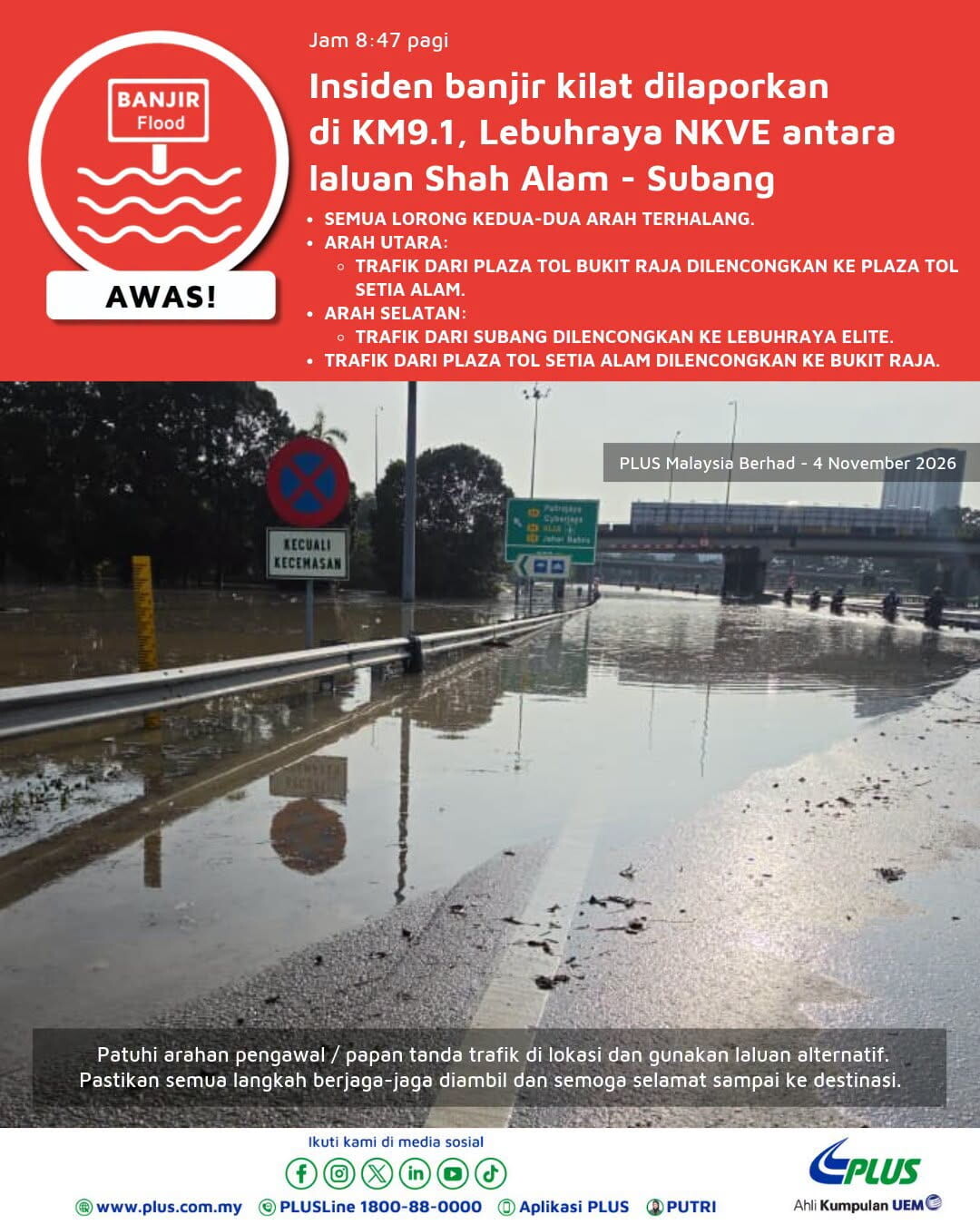
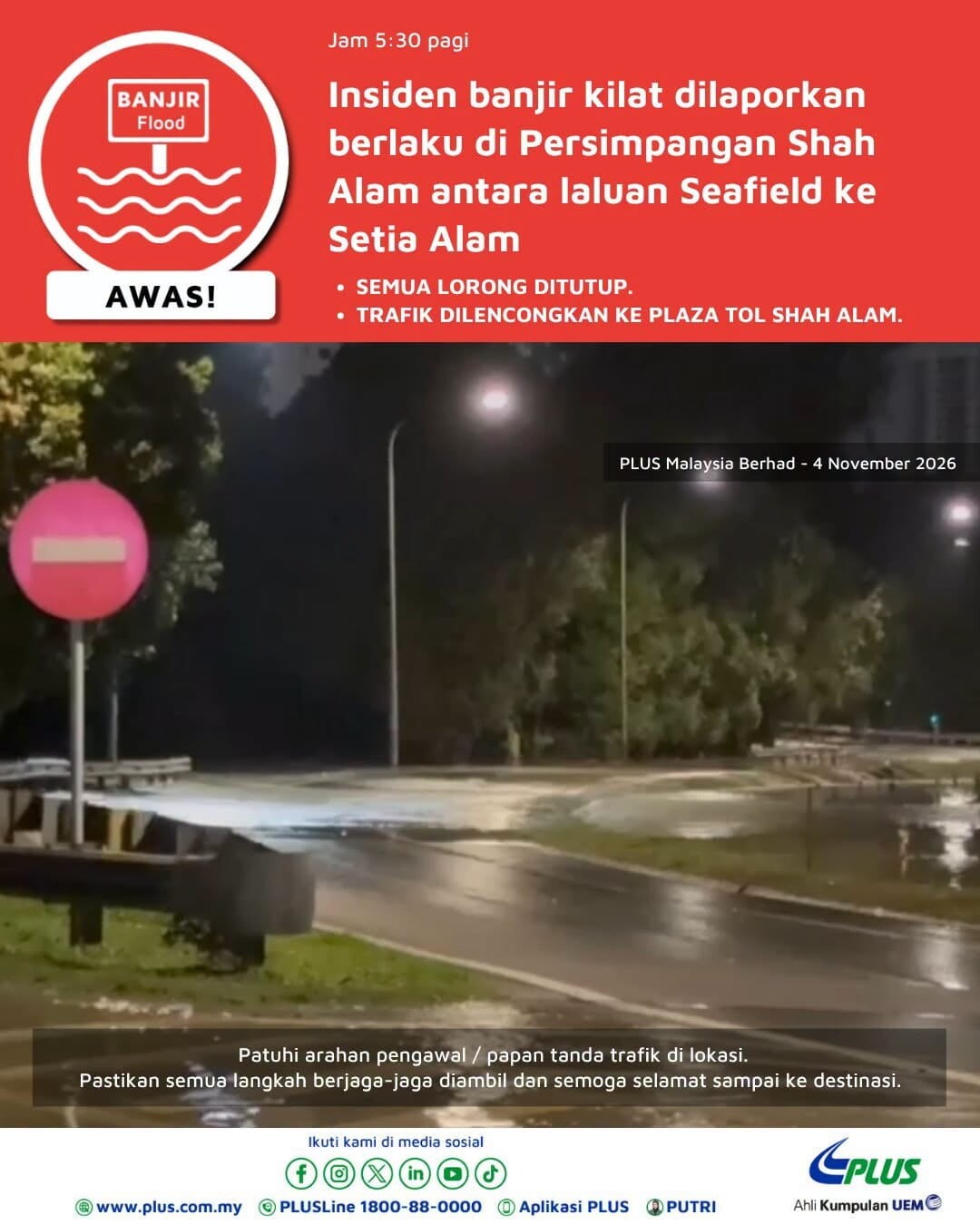
Click to enlarge The current monsoon season we’re facing, and its dangers, should need no explanation. Now that everyone’s a citizen journalist on social media, our feeds have been full of instances of flash floods, landslides, fallen trees and the general havoc caused by heavy and persistent rainfall. Motorists, are you prepared for the eventualities of the monsoon season? You’d think that by now, many would have ticked the flood and special perils box for their comprehensive motor insurance, but according to the General Insurance Association of Malaysia (PIAM), only 13% of motorists are covered for flood. Yes, the take up rate in 2025 was just 13%. In a recent media roundtable on the risks of the current monsoon season, PIAM CEO Chua Kim Soon pointed out that flood cover take up has been falling in recent years. In the chart below – which includes flood cover for both motor and fire (property) insurance – we can see that the central region’s 28% take up has seen a sharp decline since 2023. An interesting contrast is the southern region, which peaked in 2023 and stabilised thereafter. Click to enlarge The downward trend in the central region, which includes Klang Valley and the rest of Selangor, is against the backdrop of more frequent flood events. According to PIAM’s data, total flood losses spike whenever there’s an event – the average claim in calm, non-event years is RM73k, spiking to RM227k per claim in years where flood events happened. That’s three times more, and these unwanted events are happening more regularly – flood alone caused RM933 million of losses in 2024. But the monsoon season brings more than just floods – PIAM says that there are over 100 landslides recorded annually. While localised, the impact is big and landslides cause more fatalities than floods. Urban areas are also increasingly affected by strong winds that lead to falling trees, which damage vehicle and roofs. PIAM says that falling trees from windstorms is the most frequent damage peril (ahead of floods), and there’s been 26,000 incidents recorded since 2021. Click to enlarge Increasing risk, deceasing cover. Why this strange trend, and is PIAM worried? “At this moment I don’t have the answer, I’ll be very honest. We’re trying to figure out why is it trending down. Of course it’s concerning, because people’s assets are at risk – they’re exposed, they’re uninsured, and they have loans to pay, it’s all going to be out of pocket. It’s an uninsured economic loss, that’s the main concern,” Chua said. Could it be rising cost of living that’s causing some to cut down on what’s deemed unnecessary? Chua argues that even for the B40 segment, it’s a matter of priority, as flood cover is affordable. “If you can afford a Proton Saga at RM30,000, you can afford flood cover. If the value of the car is RM100,000, the flood cover ranges from RM150 to RM500. It’s very affordable if you think about it,” he said. He might be right about the priority bit, if you look at the car park of some affordable housing projects. Combine that with the human nature of ‘it won’t happen to me’, and we might arrive at the heart of the reason why take up for flood and special perils cover is declining. “People think that it might never happen to them, that’s the problem. It’ll happen to someone else but not me. But when it happens to me, then it’s too late. The second problem is people think insurance is a waste of money,” Chua said, citing the commonly heard line of ‘my premium burn’ when no claims are made. I confess to muttering that every year when renewing my car insurance. The PIAM chief also puts up his hand to admit that his wife’s Perodua Myvi was submerged when parked at a KTM station 20 years ago, although he’s an ‘insurance man’. We’ve all heard that pitch before, and it’s entirely expected from an ‘insurance man’, but this time, the threats aren’t just real, it’s happening right now as I look out my window. An evening without dark, threatening skies is a rarity these days.

 Liked by Daniel Bouchard, Jackson Nelson




 Liked by Daniel Bouchard, Jackson Nelson