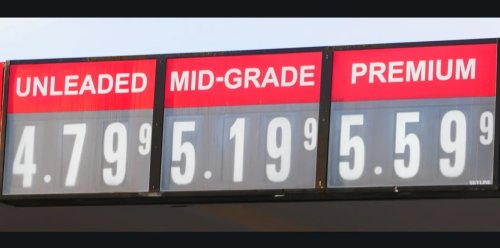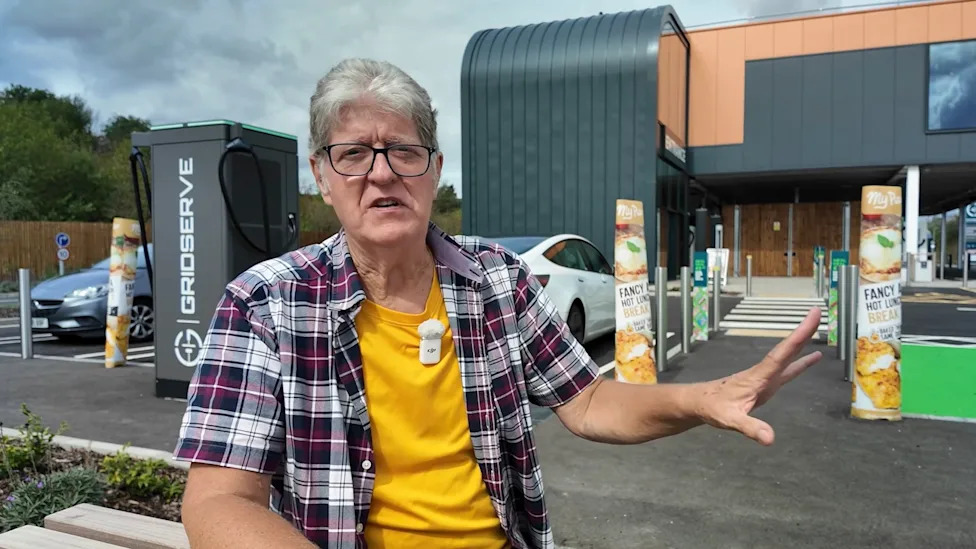



















A 'ridiculous' £92 EV charging cost can still rival petrol costs for UK driversThe Cool DownVivian TranFri, September 18, 2026 at 12:26 PM UTCAdd us on GooglePhoto Credit: YouTubeSticker shock is a major reason some drivers hesitate to switch to an electric vehicle. Seeing a public charger priced at 92 pence per kilowatt-hour is enough to make even EV-curious shoppers wonder whether the savings add up.But one U.K. driver argued that the figure looks far less alarming when compared with the cost of fueling a gas vehicle.Here's what to knowIn a YouTube video, Dave Takes It On (@davetakesiton) said Gridserve's 92p pricing makes more sense when judged by distance traveled rather than by the charging rate.AdvertisementAdvertisementWhile he called 92p "a ridiculous figure to charge per kilowatt," he urged viewers to look at cost per mile.Dave said a petrol car getting 40 miles per gallon with fuel at about £7.20 ($9.60) per gallon costs 18.4p per mile. An efficient EV delivering roughly 5 miles per kilowatt-hour would come in at about 18p per mile even when charged at 92p, he said.He also noted that one new Gridserve location was charging 85p instead of 92p and suggested the lower price could be meant to pull in customers.Not every driver was persuaded, however. "I steer clear of Gridserve and InstaVolt due to their high cost," one commenter wrote.AdvertisementAdvertisementAnother said, "These chargers DON'T display their price upfront. I'll only ever use a Gridserve charger if I'm absolutely desperate."More backgroundPart of Dave's argument comes down to psychology.He said the buying experience feels very different between petrol and electricity. With an EV, many drivers tap a card, connect the car, and head off for coffee, food, or a restroom break, so they may not watch the total build during the session.At a petrol station, by contrast, drivers usually stand there as the number rises on the pump.In his view, that helps explain why Gridserve's sites stay busy. Many motorists care more about dependable chargers, quick speeds, and nearby amenities than about tracking down the cheapest rate.AdvertisementAdvertisementHe added that the total for a public charging stop can still seem cheap. Even with high prices, many EV drivers may only put in about £15 to £25 ($20.01 to $33.35) during a typical session, versus the £50 or £60 ($66.69 to $80.03) that can easily show up during a petrol fill-up."I don't do much public charging. However, the way I see it, I'm saving so much charging at home the extra I pay in public is not really a problem. I'm still running cheaper as a whole," one user said.What can be done?Looking at cost per mile instead of focusing on price per kilowatt-hour can change the equation. When an EV is efficient, each unit of electricity goes far, which can make even expensive public charging feel manageable."I am very aware of the different prices," one commenter who said they were retired noted, praising Sainsbury's and Lidl pricing.AdvertisementAdvertisementPrice transparency could help as well. The commenter who said they'd only use Gridserve if they were "absolutely desperate" added, "I am happy to report that I have seen a filling station in Boston that clearly displayed prices for petrol, diesel, and electricity on a totem pole-style display."Where can I learn more?Public charging rates may not tell the whole story. Rival networks, convenience, new charging models, and even outages can shape what EV drivers pay and experience on the road.• One driver paid double the Tesla rate at a rival charger nearby.• In Los Angeles, copper theft left stations offline as charging got expensive elsewhere.AdvertisementAdvertisement• Researchers built a revolutionary smart-charging system that eases grid strain while balancing EV demand.• Boston chose an experimental method of installing curbside chargers as cities expand public access.Get TCD's free newsletters for easy tips, smart advice, and a chance to earn $5,000 toward home upgrades. To see more stories like this one, change your Google preferences here.