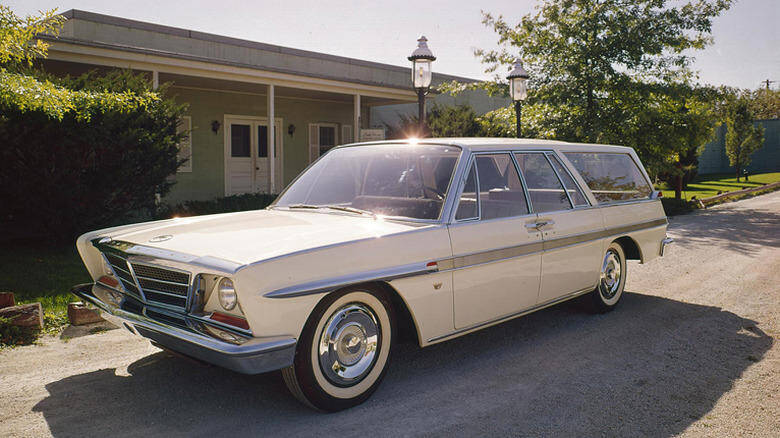
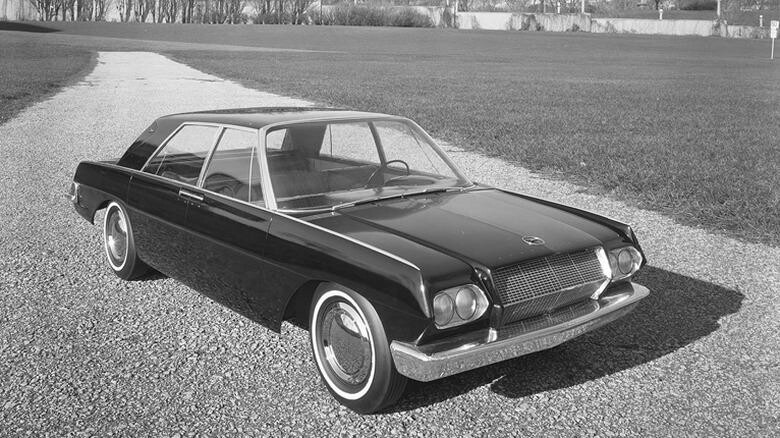
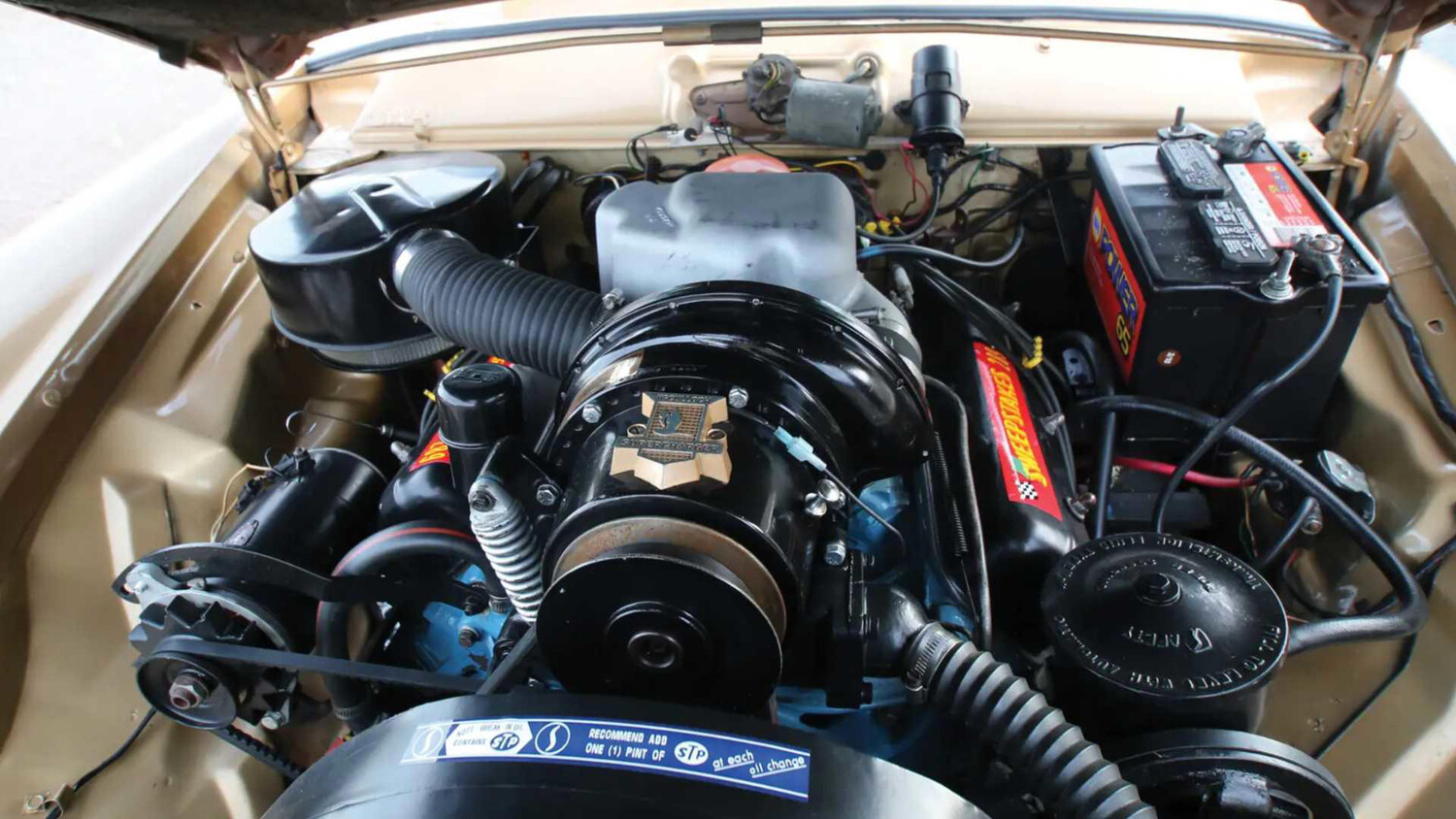
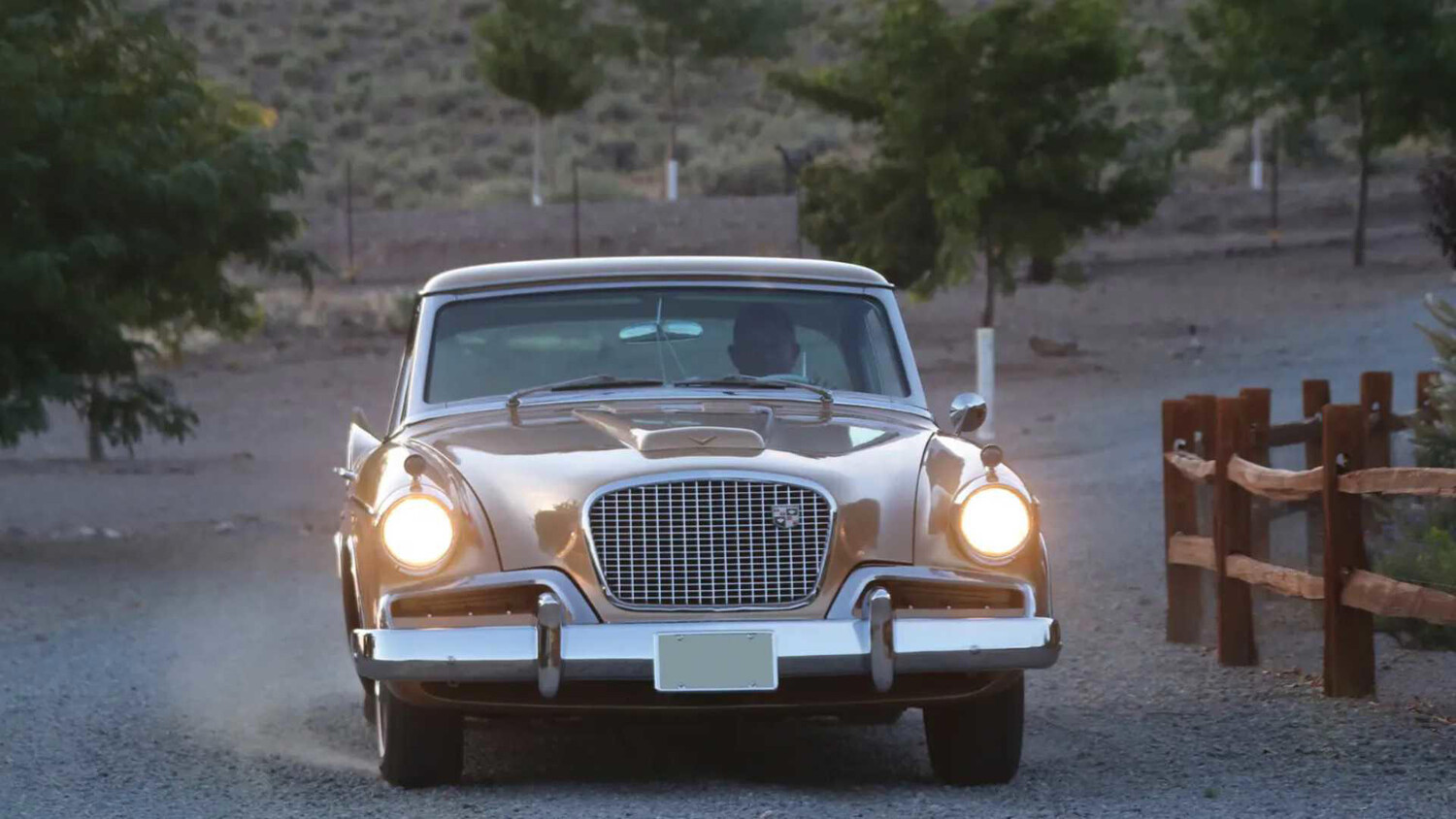
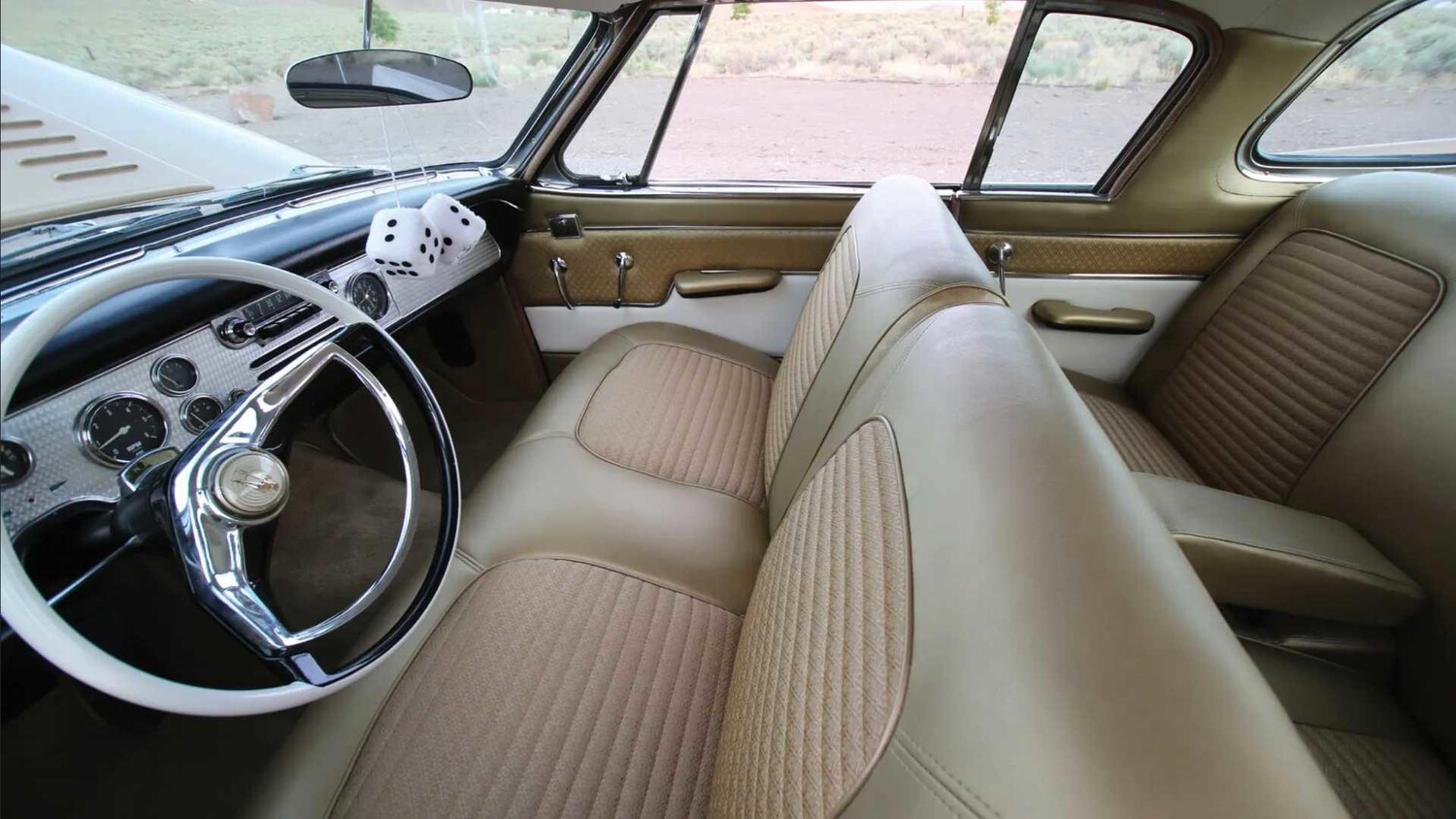
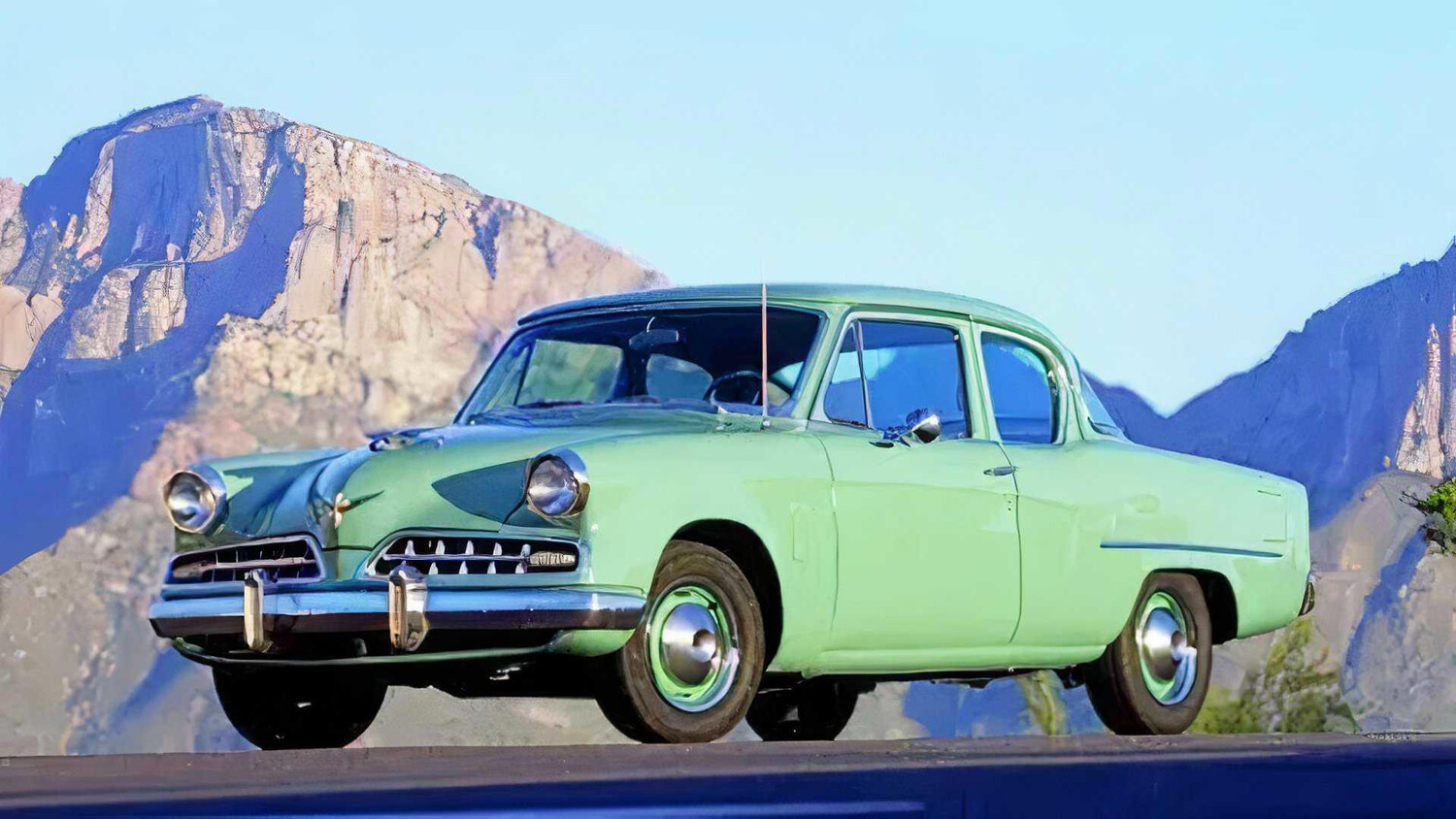
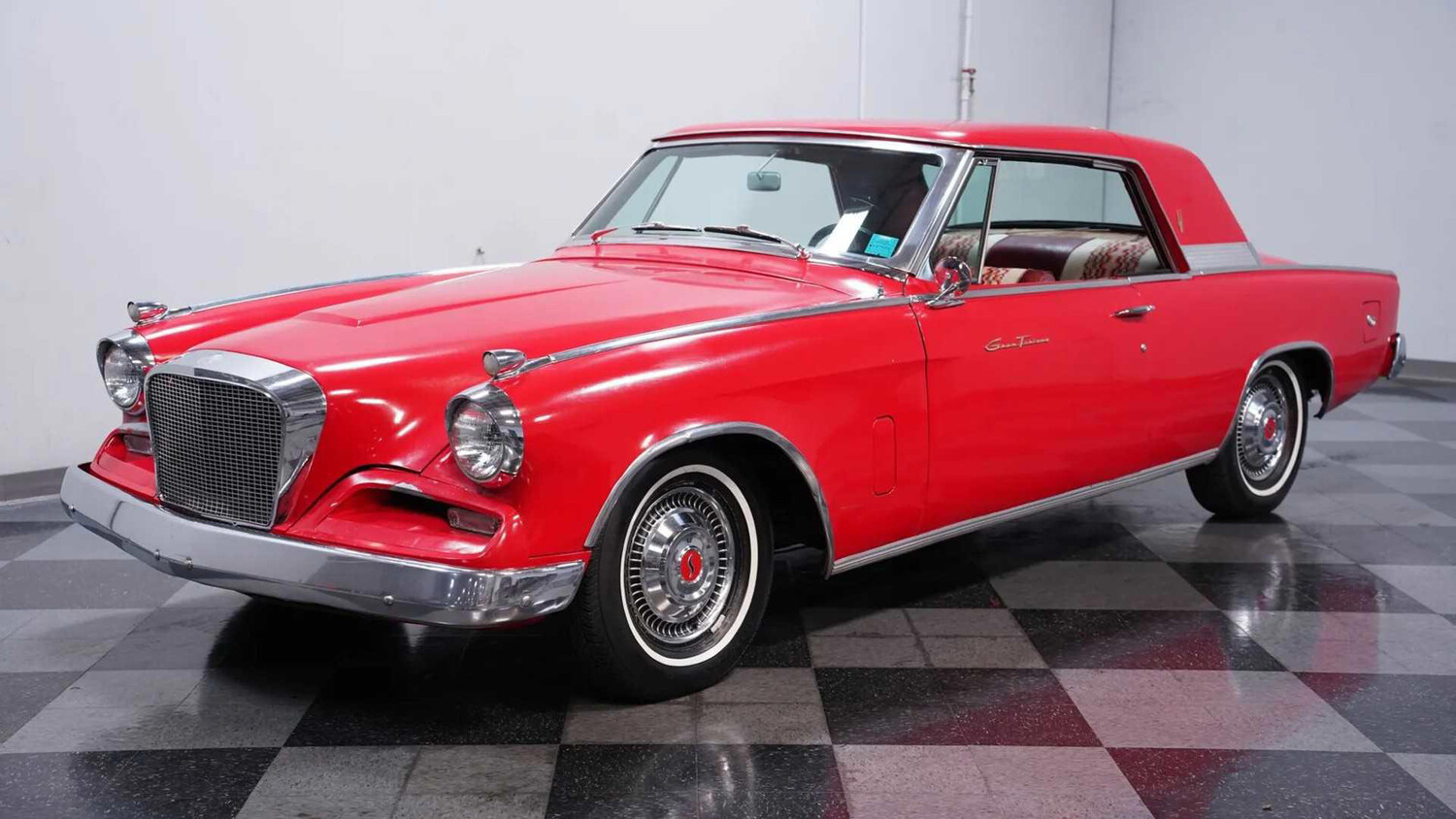
Studebaker sold more than 30,000 Champions in 1939, its best year since 1928, and the little six-cylinder car kept the South Bend company going for two decades. Along the way it wore prewar curves, the famous Champion bullet nose and a Loewy-studio hardtop. Then the Lark replaced it after 1958. These nine are our picks for the Studebaker Champions worth remembering. The choices are ours. Even so, every fact comes from the record. 1. 1950 Studebaker Champion bullet nose Raymond Loewy’s firm styled the 1950 cars, and Loewy said the goal was “the light, fast impression of an airplane.” The Champion bullet nose delivered exactly that. A spinner grille arrived for 1950, and the six-cylinder gained five horsepower to 85 hp. Buyers lined up, too. Studebaker built 343,164 cars in its 14-month 1950 model year, its highest total ever, and 270,604 were Champions. A Custom four-door cost $1,519. This is the Champion everyone remembers first. 2. 1939 Studebaker Champion The original Champion was a budget car meant to save a company after the Depression. Loewy styled it on a simple rule: “Weight is the enemy.” Under the hood sat a new 164.3 cubic-inch six with 78 hp. Also, a two-door business coupe sold for $660. Better still, owners reported about 25 mpg and an 80-mph top speed. As a result, Studebaker sold more than 30,000 in the first year. We remember it as the car that put South Bend back on its feet. 3. 1941 Studebaker Champion Custom Coupe By 1941, the Champion had a reputation for sipping fuel. In 1940, Studebaker claimed 27.25 mpg, and Champions won Mobilgas economy runs. For 1941, though, the update focused on looks. The body took on a more streamlined shape, with a wider, lower grille. On a coupe, that stretch gives the car a sleek stance that hides its thrifty mission. In our view, this is the prettiest of the prewar Champions, and it deserves more attention at shows. 4. 1946 Studebaker Champion Skyway The Skyway Champion is the bridge most people forget. After the war, Studebaker built a limited number of them, all on the second-generation body shell. Then the company moved on to a fully new car for 1947. That makes the Skyway a short-lived holdover from the prewar design. Because the run was so limited, we think it deserves a place on any Champion list. 5. 1948 Studebaker Champion Regal De Luxe convertible Studebaker redesigned the Champion for 1947 as one of the first all-new postwar cars. Its six-cylinder engine now made 80 hp. That gamble paid off, because Champions made up 65.08% of the company’s 1947 sales. Meanwhile, the Regal De Luxe name marked the dressier trim. With the top down, the long, low postwar body looks even cleaner than the sedans. We’d pick the convertible for a summer drive every time. 6. 1951 Studebaker Champion For 1951, the big news belonged to the Commander, which got a new 120-hp overhead-valve V8. The Champion kept its six, and the price gap between the two shrank from $348 to $111. As a result, Commander sales rose from 23% to 48% of the total. Champion output therefore fell to 144,236 for the model year. Still, this was the last year for the Aero Nose before the 1952 restyle. We’d call it the final word on the bullet-nose era. 7. 1952 Studebaker Champion sedan Studebaker turned 100 in 1952, and the everyday Champion sedan shows the change most plainly. The Aero Nose was gone, replaced by a more conventional front end. That same year, the Champion and Commander lines also gained a pillarless Starliner hardtop, three years after GM introduced the style. Buyers liked the Centennial cars, and Studebaker built more than 186,000 of them. We remember the 1952 sedan as the plain-spoken Champion that closed the bullet-nose chapter for good. 8. 1953 Studebaker Champion Starliner hardtop Robert Bourke, from Loewy’s studio, redesigned the 1953 Champion into one of the decade’s lowest, cleanest shapes. The two-door Starlight coupe kept a center pillar. By contrast, the more expensive Starliner was a true hardtop coupe. A convertible prototype was built, but it never reached production. Our earlier list of Studebaker Starlight coupes covers the pillared cars that came before. To us, the Starliner hardtop is the most beautiful Champion of all. 9. 1955 Studebaker Champion By 1955, the Champion was getting stronger. First, a larger six raised output to 101 hp, and a wraparound windshield arrived. At the same time, Studebaker dropped the Starlight and Starliner labels. The sedans then got bigger tailfins for 1956, and the Champion was phased out after 1958 to make way for the Lark. That makes the 1955 car one of the last chances to see the Champion name on a clean, fin-free body.

 Liked by Alexander Pelletier, Camille Brown





 Liked by Alexander Pelletier, Camille Brown