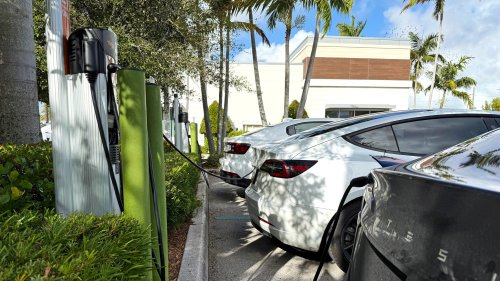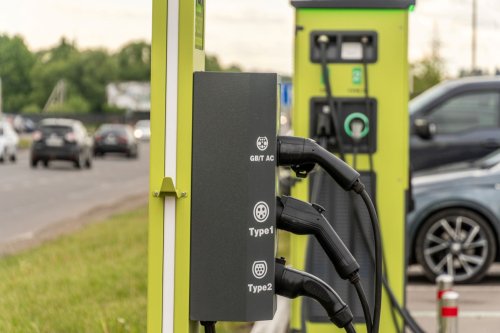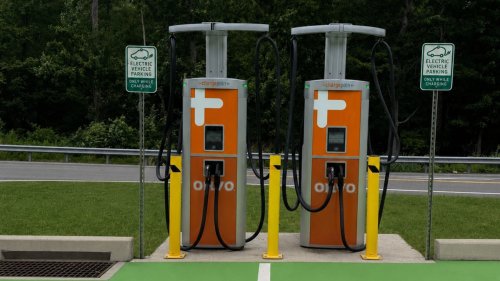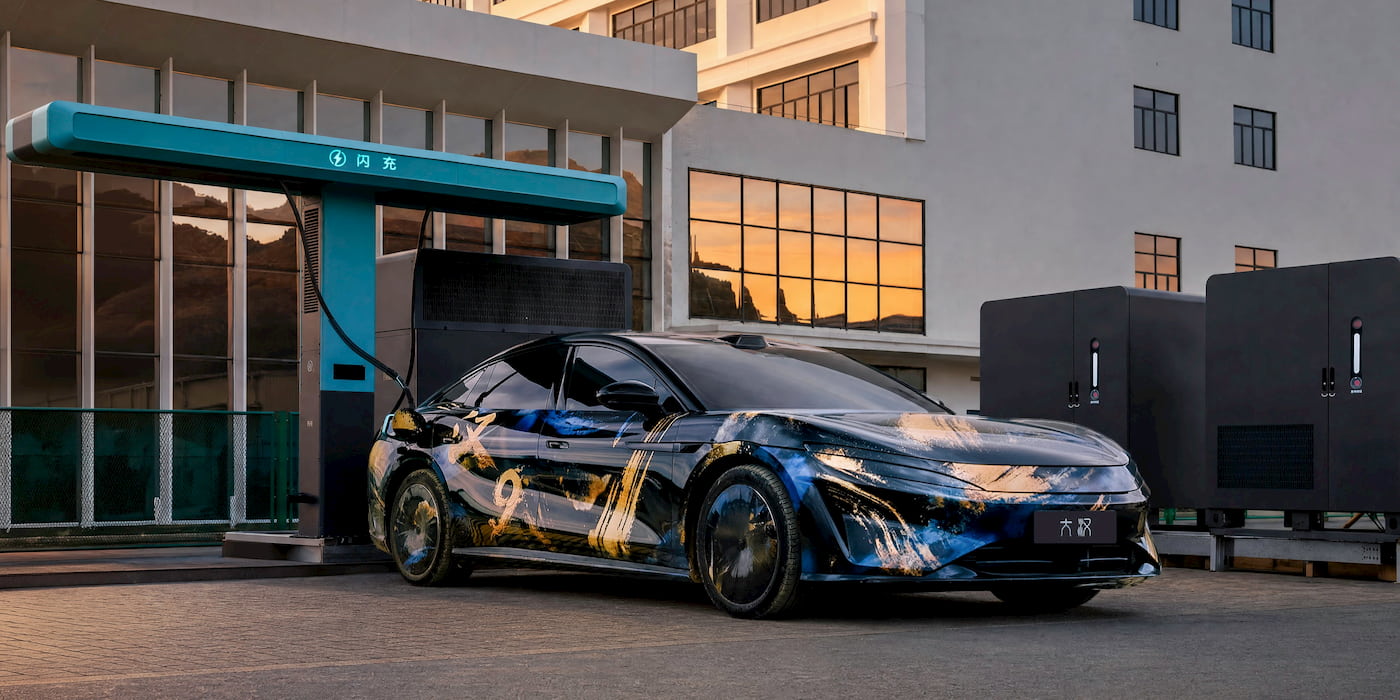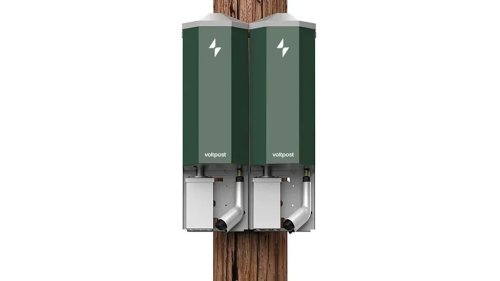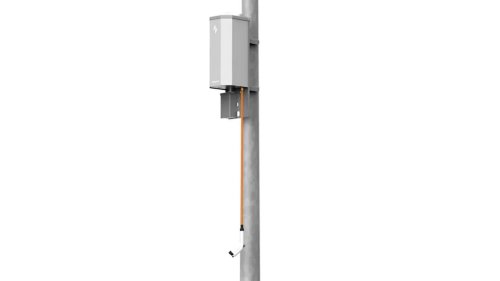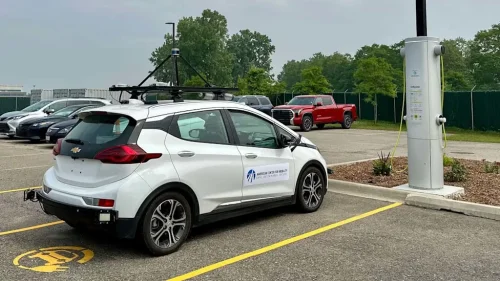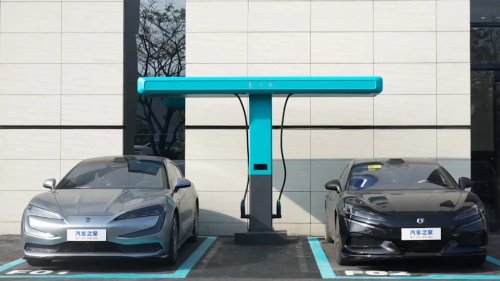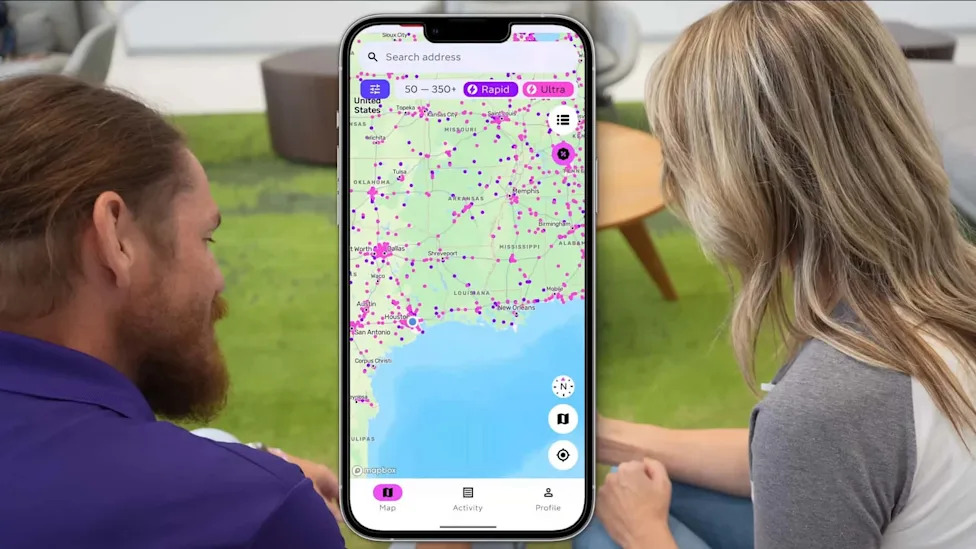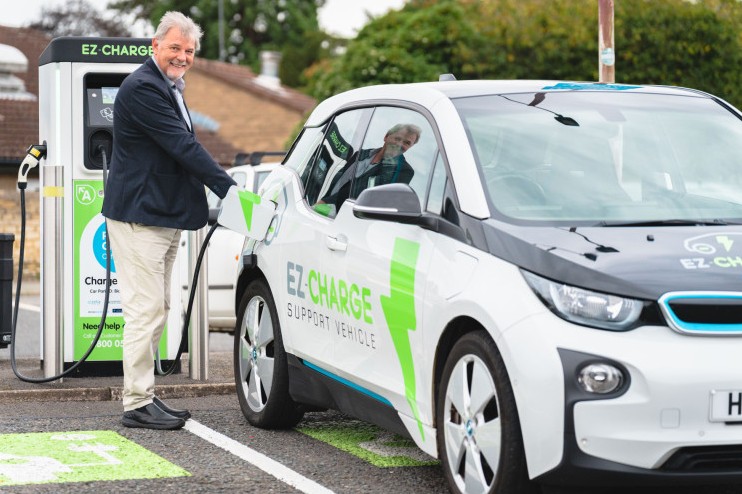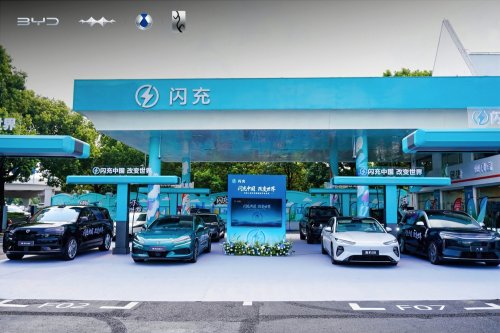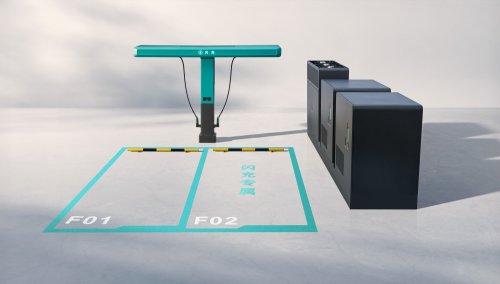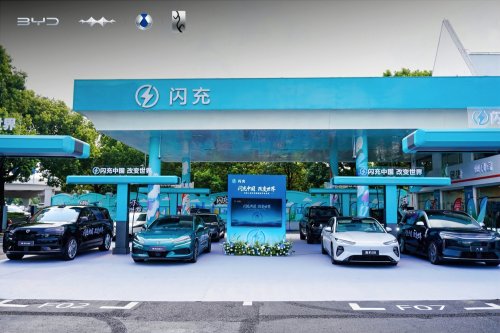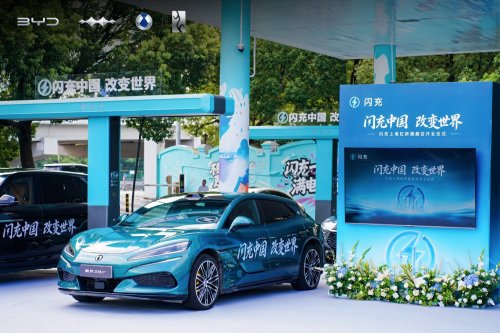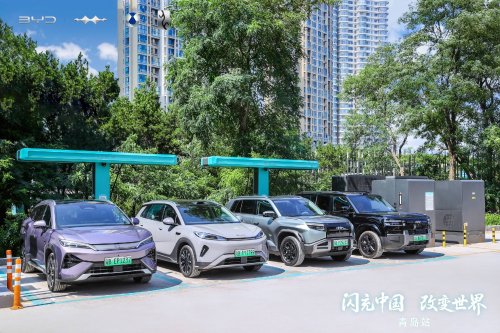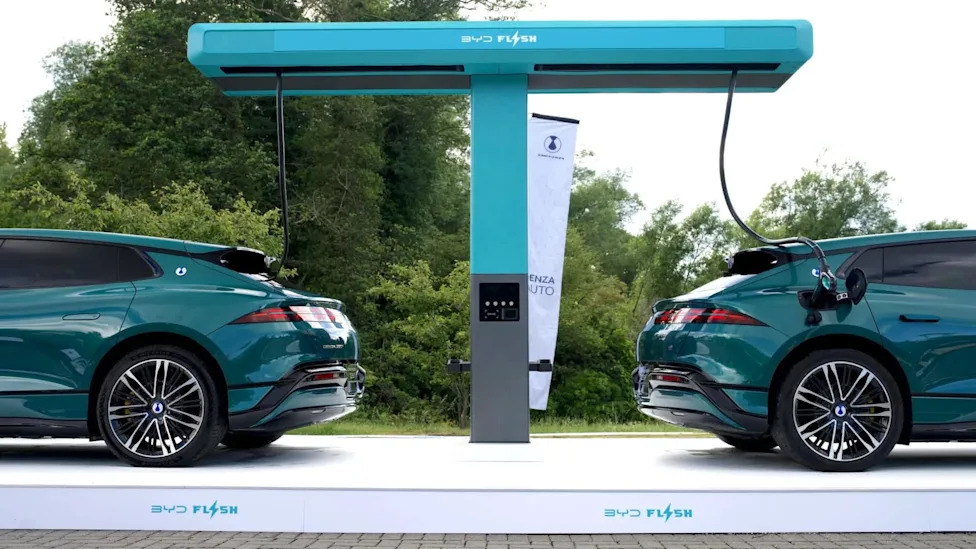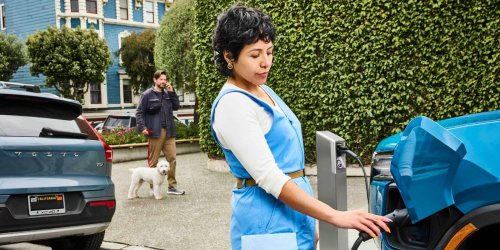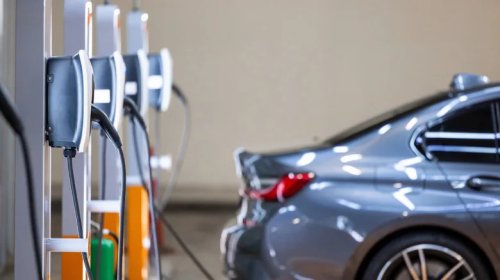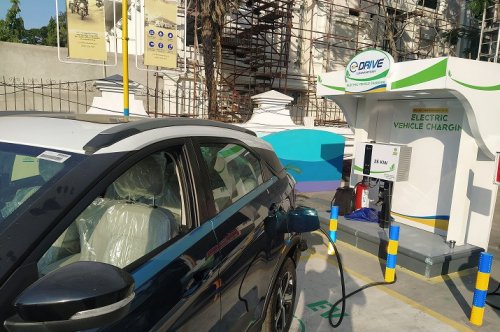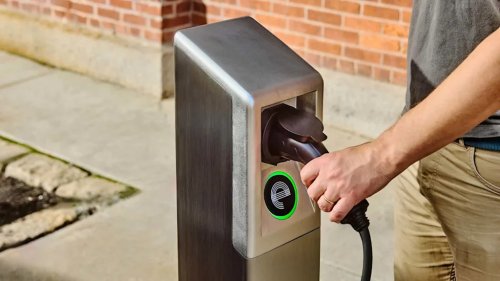



















The good EV charging news keeps coming. In Washington state, funding has been granted to install 754 new public EV chargers: 550 Level 2 charging ports and 204 DC fast chargers. The chargers will be installed by the end or near the end of 2027. There’s even more good news because the new chargers will be installed in underserved areas, meaning places where public chargers are lacking such as rural communities, tribal nations, and multi-family housing. The fact that 754 public chargers can be added so quickly is an important aspect of the EV charger infrastructure expansion. Of course, there is much more interest in electric vehicles than in EV chargers, so many folks may not be paying attention to the chargers and believe expanding public charging will require a great amount of time. In certain local areas, this belief is not true. Installations of charging stations with 4–16 chargers at shopping centers, near interstate rest stops, at convenience stores, at community centers, and at public libraries doesn’t require huge amounts of time. If 754 new public chargers can be installed in 18 months or less, the rate of installation seems more than sufficient. It should be pointed out there are far more home EV chargers and most EV charging happens at home. So, home chargers should count in the total tally of EV chargers in an area as well. Somehow, this point seems to be overlooked, perhaps due to focusing too much on the “lack” of public EV chargers. You need gas stations for gas cars because you don’t have the ability to fuel up at home. There are many advantages electric vehicles have: they don’t directly produce greenhouse gas emissions when operated, they don’t directly create toxic air pollution that harms human health, their electric motors are much more energy efficient, their regenerative braking generates electricity while driving, their total cost of operating can be lower than gas and diesel vehicles, they are quieter, they have quicker acceleration, and their batteries can be repurposed for second-life stationary energy storage systems. They can also be run on clean, renewable electricity — gas and diesel vehicles can only use dirty fossil fuels. Furthermore, because most EV charging happens at home, the electricity used to charge is typically less costly than gas and diesel fuel at gas stations. “State officials estimate drivers using the chargers could save more than $1,000 annually on fuel costs compared to gasoline-powered vehicles. A recent Electric Power Research Institute analysis showed that Washington EV drivers save an average of 73% per mile on fuel costs, the highest savings rate in the country. Gasoline prices are volatile, while electricity rates are set locally and tend to be more stable and affordable in Washington.” A Washington state EV driver who saved $1,000 a year for ten years and put each year’s savings into a low-cost index fund might have over $10,000 at the end of the decade. That money could be spent on home solar power to lower utility bills or charge the EV, perhaps resulting in even greater savings. Or, the EV driver could simply “set it and forget it” so that $1,000 per year went into the index fund, and over 20 years it might grow well beyond $20,000 to help the driver retire earlier or be able to use that money for a replacement vehicle. Some online trolls and haters try to claim electric vehicles run on electricity from coal, which is either untrue or mostly untrue, depending on where the EV is charged. In Washington, very little coal is used. “Washington’s current electricity consumption landscape showcases a significant achievement, with over 80% of its electricity sourced from low-carbon means. Hydropower leads the clean energy generation at more than 60%, and wind and nuclear together contribute almost 16%. Solar and biofuels add a smaller share. Fossil fuels still contribute close to one-fifth of the electricity, primarily through natural gas, which represents almost 16% of the total, complemented by coal at about 3%.” Another false claim is that electric vehicles and EV chargers only exist because of government support and they should receive none of it, only relying on the free market. Critics using this argument won’t tell anyone fossil fuels have received billions and billions of dollars in government subsidies and continue to do so. Going back to the new Washington state EV chargers soon to be installed. California just announced funding for about 1,000 new public fast chargers. Public EV charging in the West will soon get boosted by about 1,754 new public chargers and about 1,200 will be fast chargers.